Outdoor Bird Feeders for Irish Gardens
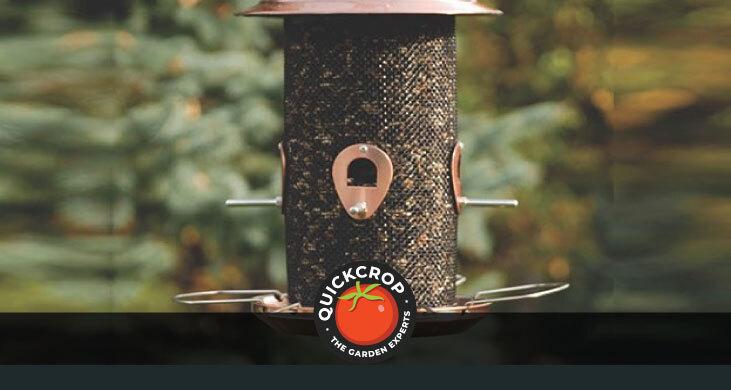
Unless you have a massive veranda in your backyard, a bird feeder (or feeders plural) will be exposed to all kinds of weather conditions, good and bad. A good quality bird feeder should be durable, rust resistant and easy to clean.
A Quick Guide to Bird Feeder Types
Tube Feeders These are probably the most common bird feeder type: long, cylindrical feeders with multiple small feeding ports for birds.
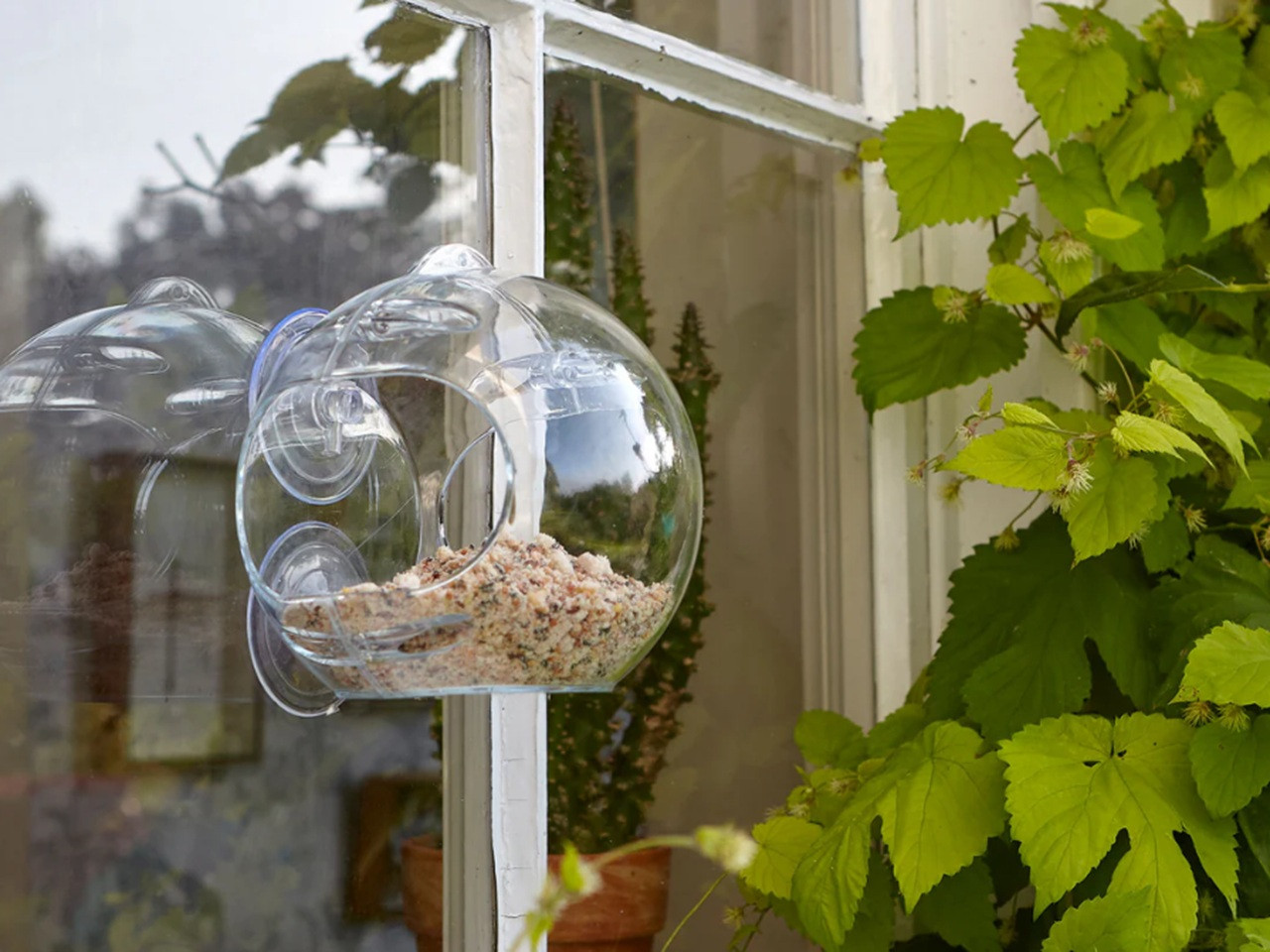
Peckish Globe Window Feeder
View ProductWindow Feeders These can be attached to your house window using adhesive or strong suction cups. Great for close-up observation of birds as they feed, just try not to startle them.
Nyjer Feeders These are similar to tube feeders, but specially designed to dispense nyjer seeds (very small, oil-rich seeds). Also referred to as Thistle Feeders in some quarters.
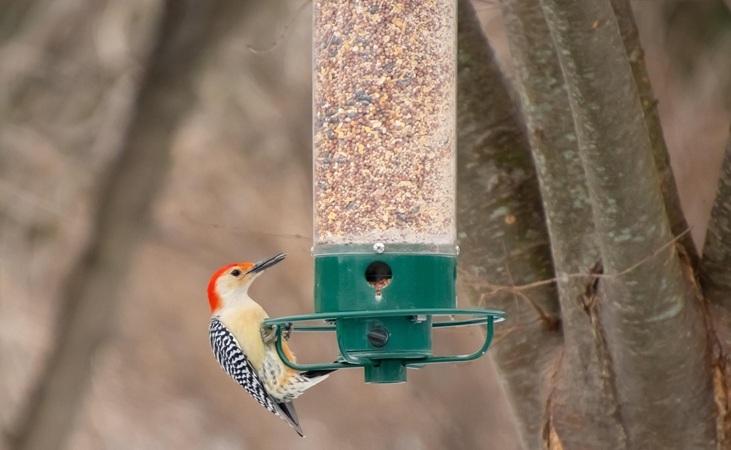
Suet Feeders These on the other hand are designed to hold suet balls, cakes or pellets, which are much larger than standard bird seeds.
Hopper Feeders Basically, bird feeders that are shaped like a house, hut or similar. The aesthetics of this design are arguably more for human benefit than for birds, but they're able to hold a larger amount of seed or nuts compared to tube feeders. The roof also keeps food dry. Some designs are more open than others - which risks unwelcome visitors.
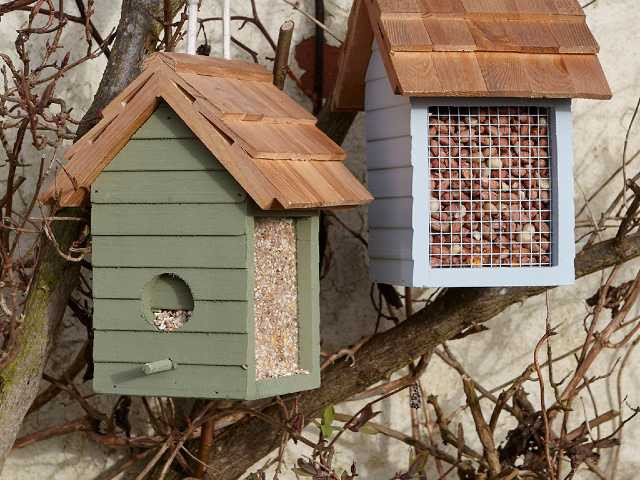
Beach Hut Seed Feeder
View ProductPlatform or Tray Feeders This is where bird food is placed on a raised table, and they are aimed at birds who prefer to feed on the ground rather than perching on a hanging feeder. However there has been concern that platform feeders have a higher chance of spreading disease, even if cleaned regularly.
Related Article: How to Feed Birds in Winter (and All Year Round)
Bird Feeders and Weather Resistance
For the sake of longevity and hygiene, an outdoor bird feeder should be made from weather resistant materials (or be treated with outdoor conditions in mind). Durable plastic materials should hold up well, while bird feeders with copper components are a great choice (see below).
Wooden feeders require more care or maintenance; ideally you want one made from a rot-resistant timber such as cedar.
Copper Bird Feeders
Copper is a naturally corrosion resistant material, which makes it ideal for year round use in a temperate, often damp climate. Over time copper takes on a greenish patina, which actually serves the function of protecting the metal underneath.
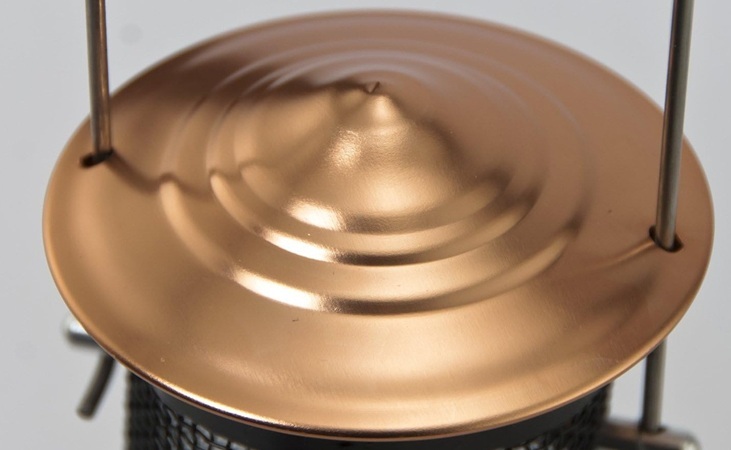
A bird feeder is unlikely to be made entirely from copper, which wouldn't be practical: the feeding 'tube' is usually made from a material that has some level of weather resistance but can also be formed into the characteristic mesh-like design we are familiar with.
The Brushed Copper Mixed Seed Feeder - featuring four feeding ports along its diameter - was actually designed and field tested by the National Audubon Society, a non-profit environmental organisation that is dedicated to bird conservation in particular; so you know a lot of thought has gone into the design.
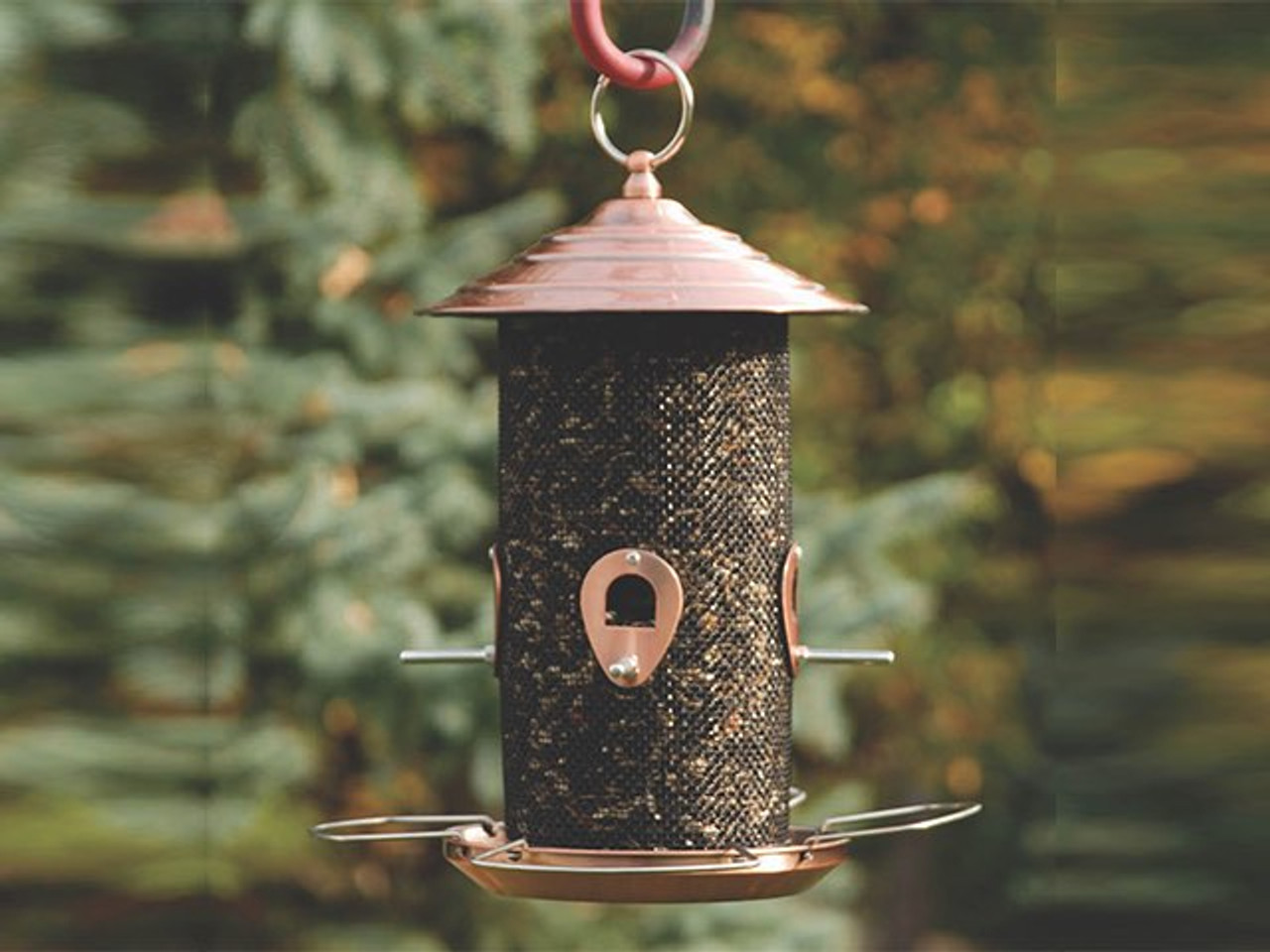
Brushed Copper Mixed Seed Feeder
View ProductThe feed container is a powder-coated steel mesh design, while the feeding ports, overhanging roof and base tray have an attractive brushed copper finish. Bear in mind that over time when used outdoors this finish won't retain its initial appearance, and is likely to take on a patina as mentioned above.
The perches which extend out from the ports are also stainless steel, while along the base of the feeder are 4 additional perches that fold outwards. A tray along the base catches dropped seed, reducing wastage as well as discouraging ground feeding which can be more treacherous.
With a capacity that can hold approx. 3lbs of mixed seed, the feeder will require less refilling overall.
See also our WoodLink bird feeders: the 6 Port Seed Feeder has a durable polycarbonate tube and darkly coloured brushed copper ports, base and lid; while the Brushed Copper Nyjer Feeder has a steel mesh design suitable for smaller, oil-rich nyjer seeds and the birds who tend to favour them (finches, siskins).
With both of these models the lid can be raised upwards to allow for easier cleaning and maintenance; one thing to be aware of is that an industrious squirrel might be able to take advantage of this mechanism as well.

Brushed Copper Mini Nyjer Feeder
View ProductDrainage
Bird feeders will inevitably get rained on; it's important that this moisture drains away so that bird food doesn't become soggy or develop mould. A sloped or overhanging roof is helpful here. A base tray with drainage holes also prevents water from pooling.
Squirrel Proof Feeders
Being in the outdoors, bird feeders can be vulnerable to pilfering by other hungry diners - e.g. squirrels or bigger birds such as crows. How much of a problem this is can depend on location, placement and local wildlife.
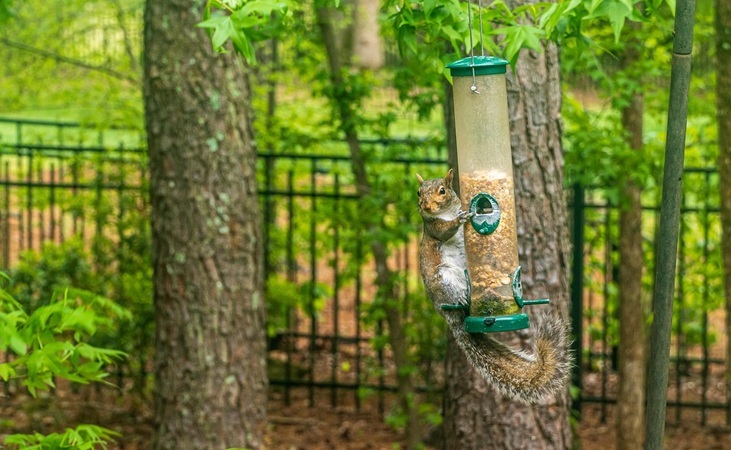
Some bird feeders have a weight-activated mechanism where the feeding ports close if they detect the heavier weight of a squirrel (or large bird).
Other designs surround the feeder itself with an outer cage or metal mesh; this allows smaller bird species to scooot in and feed without being hassled or bullied by bigger species.
Related Article: Where is the Best Location for a Bird Feeder?

Gardman Squirrel Proof Seed Feeder
View Product