Are Bird Feeders Harming Birds?
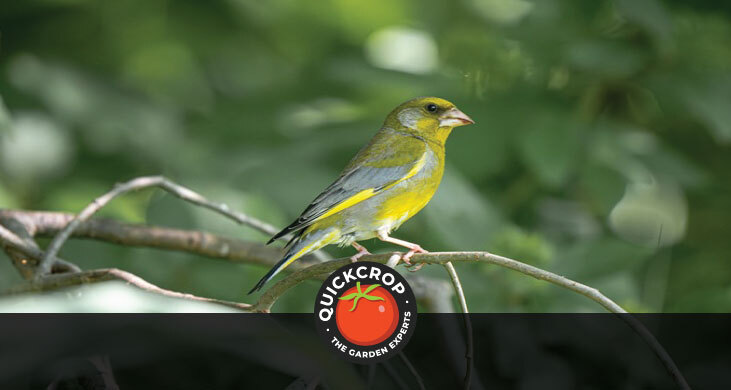
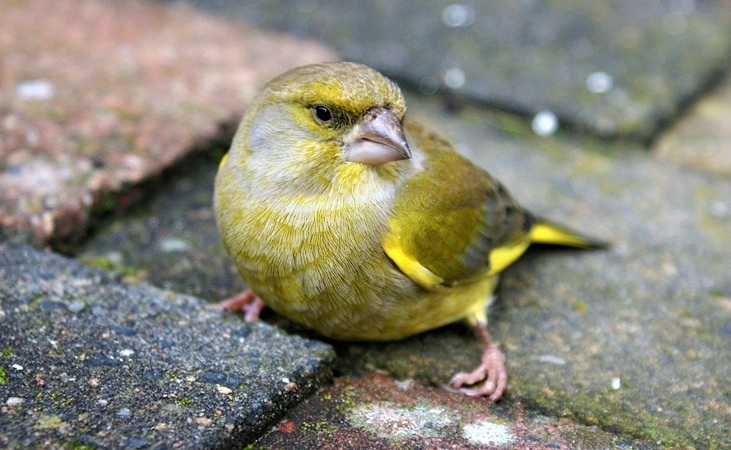
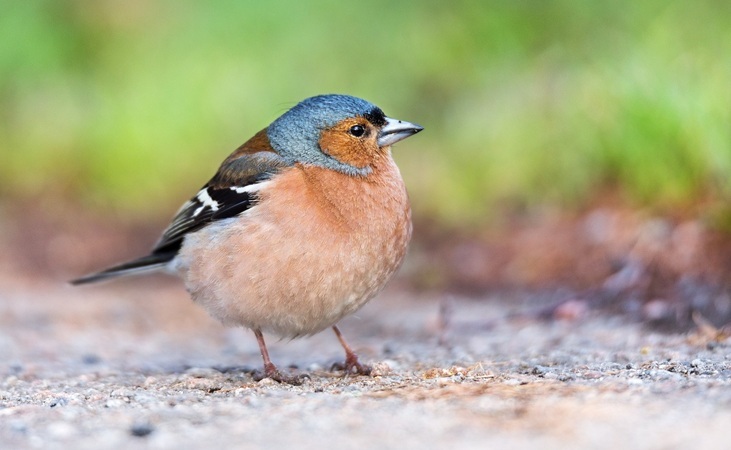
Bird conservationists or enthusiasts have been expressing concern about the potential downsides of garden bird feeders for a while now. Statistics have shown that signifcant declines in greenfinch and chaffinch populations can be linked to the use of bird feeders.
In effect, by trying to help wild birds we could inadvertently be harming them - which is not what any of us wants.
Can Bird Feeders Spread Disease?
Records in the UK showed that from 2005 onwards the parasite that causes trichomoniasis took hold among the native greenfinch population. This led to a drastic and worrying decline over the following decades - one that seems to have been mirrored in Ireland, as well as continental Europe.
Indeed Irish garden bird surveys have noted a marked drop in recorded greenfinch sightings over the past 15–20 years.
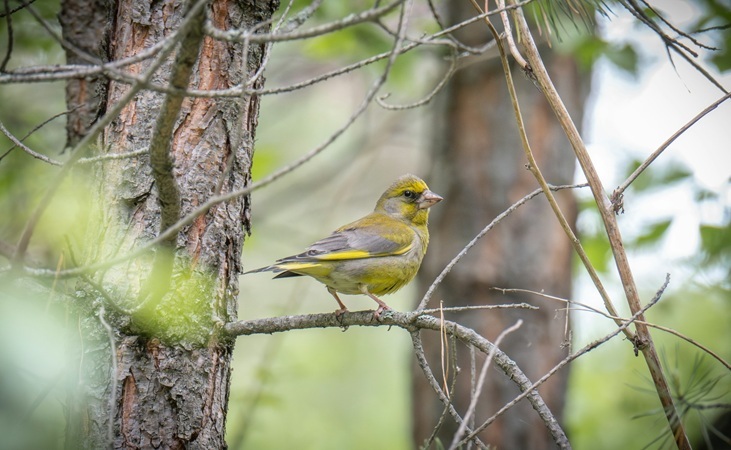
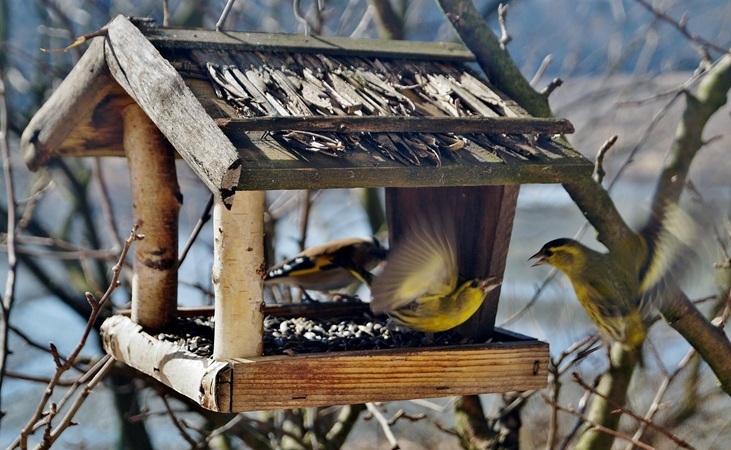
Trichomoniasis is a highly infectious disease, and when birds converge at a feeder there is a risk that the feeder can become a 'hot spot' of infection.
The parasite that causes Trichomoniasis can also thrive when food becomes wet (you can see how this can become an issue in a country where it rains frequently).

Birds Of Ireland - Jim Wilson And Mark Carmody
View ProductCleaning the feeder regularly reduces this risk but won't entirely eliminate it, as the disease can be spread directly among birds through infected saliva or contaminated, damp food. Finches in particular are known to be 'messy' eaters in comparison to other birds, and will regurgitate food to feed their young.
Trichomoniasis causes lesions in the gullet, making it difficult or impossible for finches to swallow. This can then lead to weakness or starvation. Signs of a sickly bird include lethargy, puffed-up feathers, wet plumage or a seeming lack of fear/reluctance to fly away around humans.
New Bird Feeder Guidance (2026)
Last week the RSPB took a notable step and sent out some unequivocal advice about the use of bird feeders. While some of the headlines or social media reactions might suggest that they'd called for the ban or destruction of all bird feeders, in reality their advice is more nuanced than that - and doesn't mean that you have to immediately throw out your feeders.
Feed Seasonally and Responsibly
One of the main emphases is on 'seasonal' feeding. The thinking is that in summer through early autumn, natural food sources such as berries, nuts and insects are in abundance. It is during the winter months or the early months of the year when supplementary food sources such as hanging bird feeders take on greater importance.

Bird And Wildlife Friendly Native Hedging Plants - 25 Pack
View ProductThe fact is that birds evolved to forage for food sources in nature, with different species adopting different feeding patterns or habits. Bird feeders are obviously well-intentioned (especially as natural habitat has been reduced or stripped away), but they encourage many different species to repeatedly congregate at close quarters - increasing the chances of disease transmission.
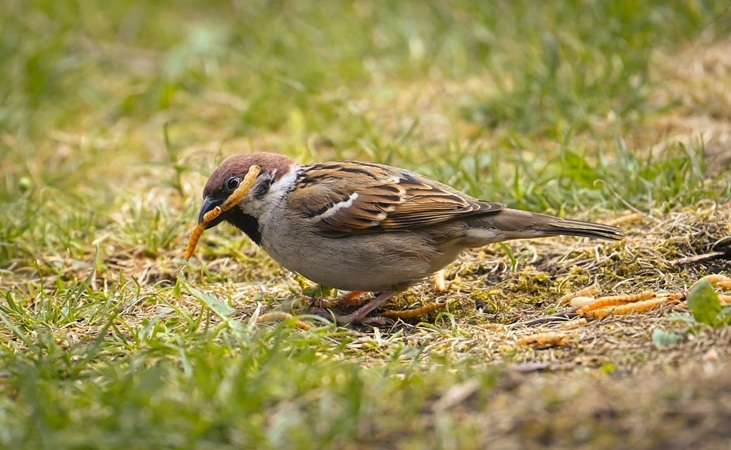
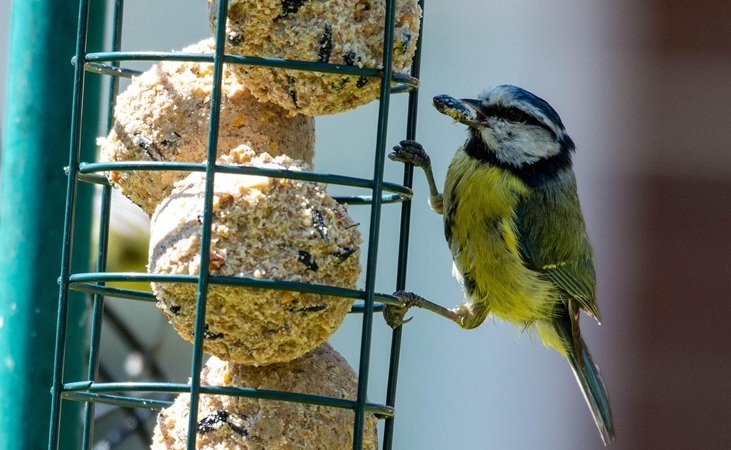
1 May - 31 October: Pause feeding of nuts and seeds. Instead you can provide small, measured amounts of high protein suet, fat balls or mealworms.
November - April: Provide seeds and peanuts in moderation using hanging feeders. At these times of year the benefits of supplementary bird feeding outweigh the risks. Energy-rich foods can be especially valuable during cold snaps or frosty spells, when natural supplies are scarce and birds are more vulnerable to the elements.
The Importance of Bird Feeder Hygiene
Using a diluted bleach solution or an appropriate veterinary disinfectant, wipe all surfaces including nooks and crannies, and leave to air dry. Some feeder designs will be easier to clean than others.

Wild Bird Suet Balls - Tub Of 50
View ProductClean up any fallen seeds or accumulated food debris that has fallen to the ground underneath the feeder (or along the base tray on hanging feeders).
Further Bird Feeder Tips for Healthy Bird Feeding
- Move bird feeders around regularly to avoid the accumulation of debris.
- Use multiple feeders spaced apart in the garden to discourage high traffic around one feeder.
- Avoid putting feeders under potential roosting spots to avoid contamination through bird droppings.
- There is a higher risk of diseases or parasites spreading on a flat surface, such as with bird tables, tray feeders or with many window feeder designs.
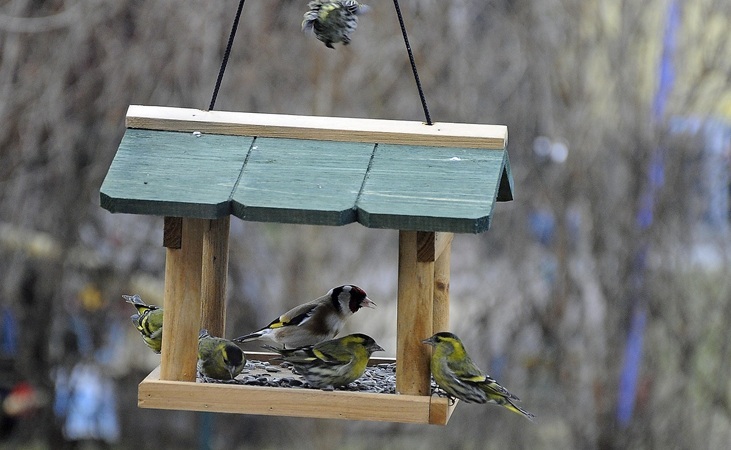
- Instead of filling feeders to the brim, add moderate amounts - ideally food shouldn't be in the feeder for more than 1-2 days (reduces the chance of contaminated food or food sitting in damp conditions).
- Change any water in bird baths etc. daily, as well as cleaning the bath or container.
- Practice rotational ground feeding for ground feeding birds: leaving out very small amounts of food and making sure to switch feeding area each time.
Are There Alternatives to Bird Feeders?
Indeed there are. The use of bird feeders is what's known as 'supplementary' bird feeding, and it aims to provide a food source for wild birds when other sources dry up or become more scarce. You may have noticed that bird feeders are especially encouraged during prolonged cold spells, when birds have less energy reserves for foraging and when fruits, insects etc are much harder to find.
In other words, bird feeders are 'the alternative', and we should focus on encouraging natural food sources and habitat.
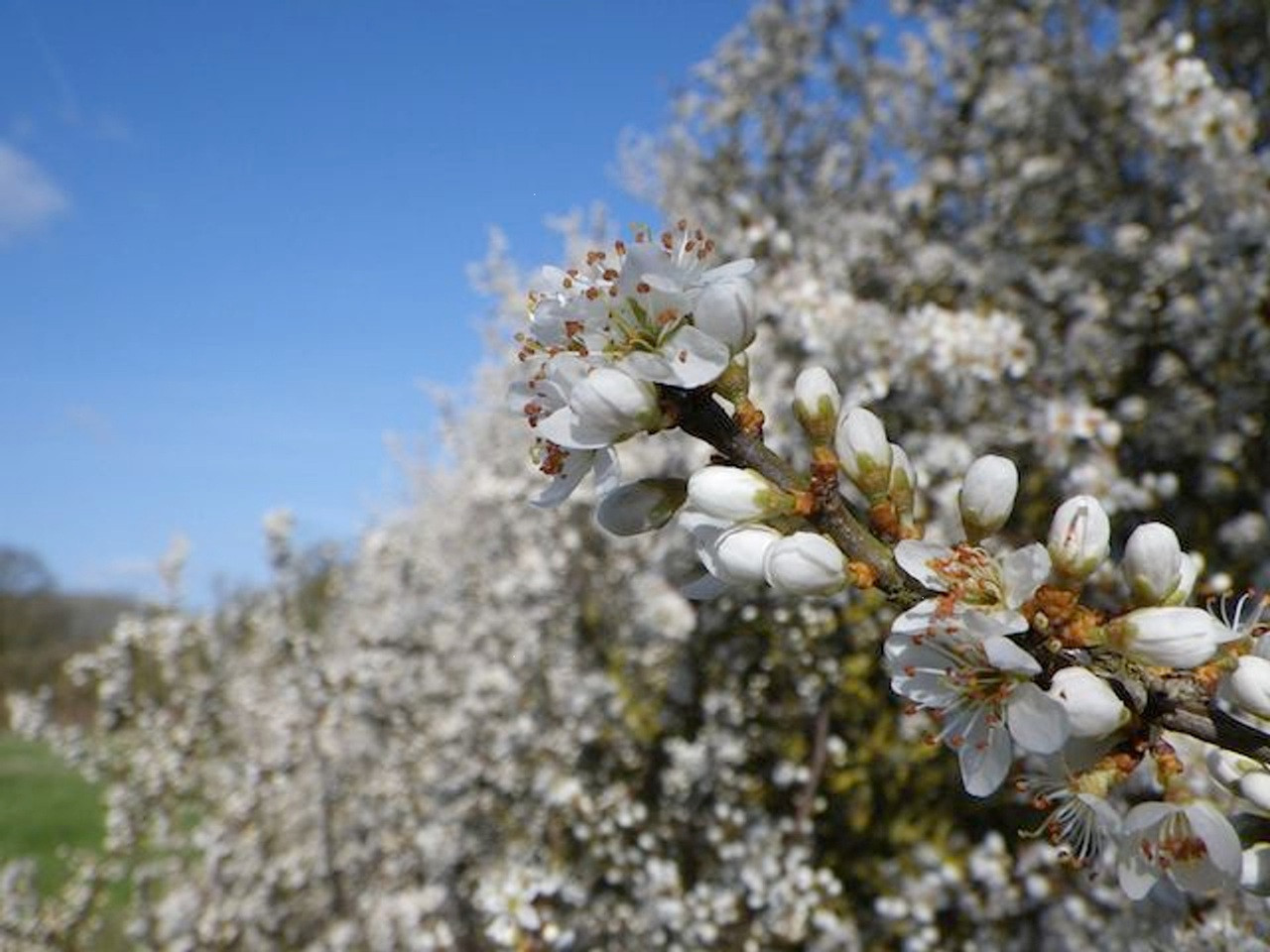
Blackthorn
View Product- Allowing space for rough patches or 'wild' unkempt areas in your garden can encourage insects, which are of course a vital food source.
- Planting native Irish species such as hawthorn, rowan, holly, and ivy can provide natural food and shelter throughout the year.
- Native garden hedging is a magnet for insects. A thoughtfully chosen mix of hedge varieties can produce berries, haws and nuts at different times of the year.
- A garden pond can provide drinking water as well as a natural supply of aquatic insects - it doesn't have to be an especially large pond either.
- Leave seed heads on wildflowers such as teasels, scabious and cornflower
- It's also worth re-emphasising the harmful effects of garden pesticides or herbicides, which can indiscriminately harm insect populations (i.e. one of the most important natural food sources for birds).
In Conclusion
It's understandably upsetting to think that garden bird feeders may be doing great harm to some bird species. Bird watching brings a lot of pleasure into people's lives, and (especially in urban areas) it's a nice way of feeling connected to nature.
However, with a few conscientous adjustments we can continue to help wild birds and enjoy their company.