
How to Make a Bokashi Soil Factory
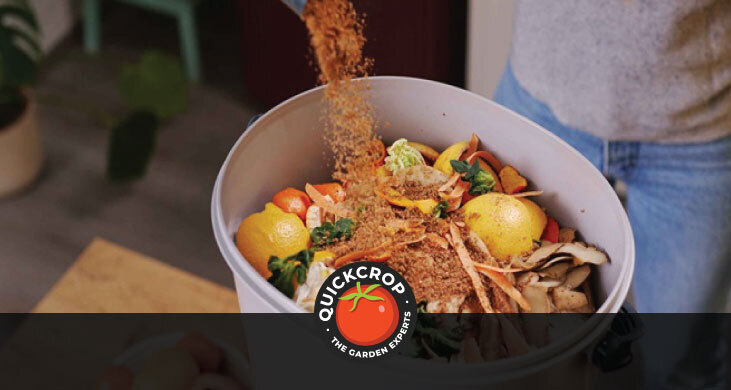
The Bokashi method is a way of recycling household food waste by fermenting it in a container - in anaerobic conditions - with the aid of microbes.
However, Bokashi isn't a true alternative to composting: fermented Bokashi waste is more accurately thought of as 'pre compost'. What that phrase hints at is that your Bokashi ferment still needs to go somewhere where it can break down or decompose.
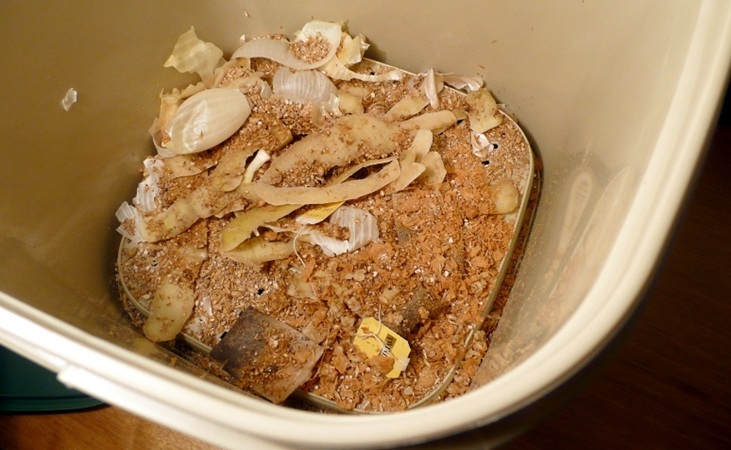
Common suggestions include adding it to an outdoor composter, bringing the material to a community garden (if you lack the space or food waste output for a composter), digging it into outdoor garden soil or adding the fermented scraps to a wormery.
There is another option, and that's the intriguingly titled 'soil factory'.
What is a Soil Factory?
A 'Soil Factory' is a simple but creative way of putting fermented Bokashi waste to use. It involves adding spent or leftover soil to a container, before mixing in your Bokashi material and allowing it to break down.
It is a very simple, low maintenance system - but one that you can also get creative with by adding extra materials here and there.

Bokashi Organko 2
View ProductThe Advantages of a Soil Factory
A soil factory can make sense for people who lack the space, inputs, or garden size to make composting practical. Given that Bokashi bins are often seen as being of particular interest to apartment dwellers (who tend to have limited garden space and modest levels of food waste), the compact requirements of a soil factory go hand in hand with this more small-scale approach to food waste recycling.
Using the Bokashi method in combination with a soil factory allows organic waste to essentially 'return to the soil' with minimal odours, upkeep or mess. Fermented food scraps will break down very rapidly (2 weeks or less is common) once they have been added to a composter, to garden soil, or in this case a soil factory.
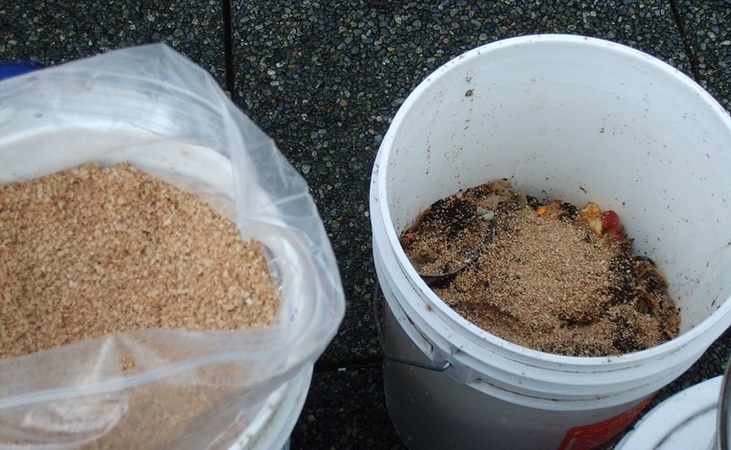
For a soil factory all you really need is a compact container, warm-ish conditions and a little added input (spent soil, coir, or even sand).
While technically a soil factory isn't ‘creating’ soil, it does leave you with a nutrient-rich growing medium that can be used as a potting mix for houseplants and containers (again, appealing to people whose garden ambitions might be confined by circumstance to balconies, windowsills and what have you).

Indoor Watering Can - Stone
View ProductThere’s not much hard science to back this up (the soil factory is a fairly recent concept), but it stands to reason that the soil mix produced will contain a large amount of organic material and have a healthy structure and texture.
How to Set Up a Soil Factory
1. Choose a Suitable Container
Any reasonably sturdy container will work. A plastic storage container, bucket, planter box or even a large plant pot can serve as your soil factory. It should ideally have a lid, though it need not be airtight. Containers between 20 to 50 litres tend to work well for most households.
2. Add a Base Layer
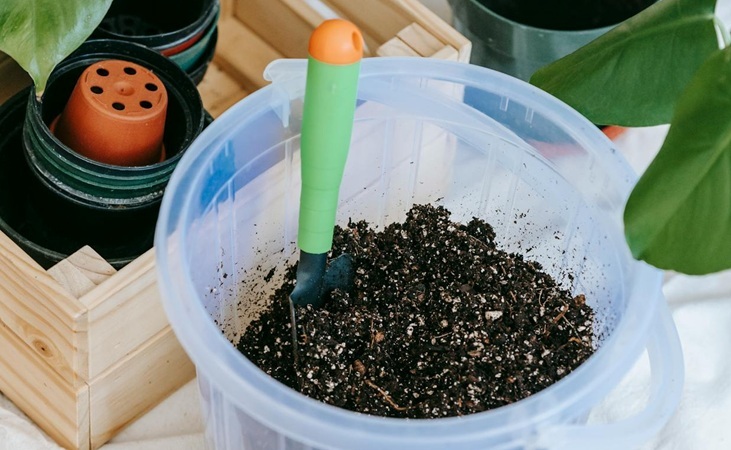
Start by adding a layer of spent (previously used or leftover) potting mix, garden soil, coconut coir or even sand.
3. Mix in your Bokashi Material
Once your Bokashi bin has finished fermenting, add the pickled scraps of the fermented food waste into the container. Break up larger clumps if necessary and mix the material into the surrounding soil. The key is to disperse the scraps rather than leaving them in one dense mass; this speeds up the rate of absorption into the surrounding soil.

Bokashi Organko Essential With Base (Set Of 2)
View ProductThere are no hard and fast rules on how exactly your layers should measure up, but a ratio of 2:1 or 3:1 soil to bokashi is a good guideline.
4. Top Layer
After mixing, cover the material with another layer of soil or potting mix. This helps reduce odours (Bokashi does not smell in the same way as conventional composting, but the material does have a somewhat sour pickled smell) or issues with insects (fruit flies etc), and encourages the breakdown process to occur evenly throughout the container.
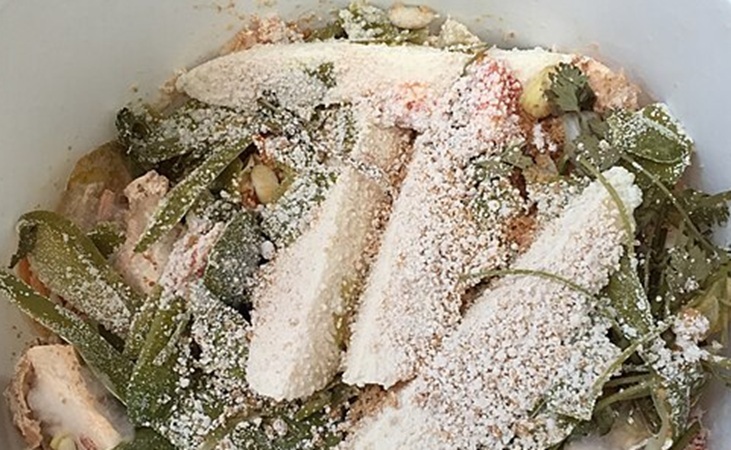
Over the following days the sharp pickled smell associated with Bokashi will gradually fade as the material begins to decompose.
Tips
- Although carbon ratios (brown materials) are not essential to the functioning of a soil factory, they can be helpful or lead to a better finished product - so feel free to add handfuls of autumn leaves, woodchips, or small amounts of shredded cardboard. You can also add coffee grounds.

Jute Leaf Bags 3 Pack
View Product- White fluffy mould-like material on top is a good sign! This means that the beneficial microbes are doing their work and processing the bokashi.
- Excess moisture is an important thing to avoid with a soil factory. Drainage holes can help avoid this pitfall; they can also allow entry for beneficial worms and soil life.
Where is the Best Place For a Soil Factory?
The soil factory should be warm but not too warm. Temperatures below 40 °C but above 6 are a good guideline. Depending on how warm your balcony is - or exposed to inclement weather as the case may be - it can be the ideal spot for a soil factory, especially as it is nearby to flower beds, pots and so on.
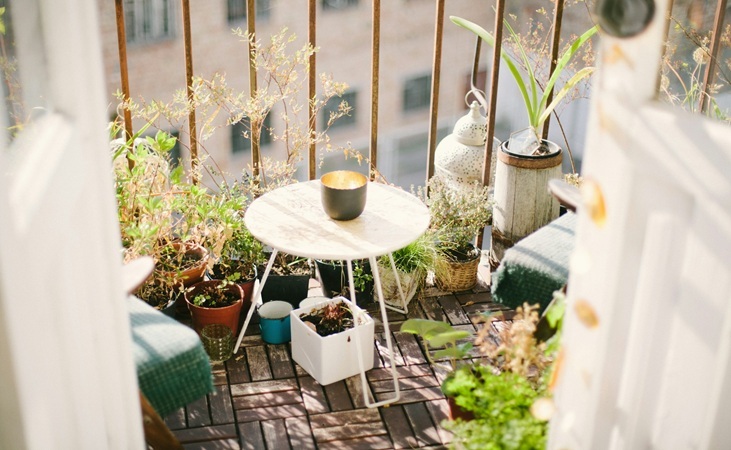
Other suitable spots include windowsills, utility rooms or sheds. Of course one of the benefits of a soil factory is that it's very portable compared to a composter (the size of your container notwithstanding).
It's important that the soil factory doesn’t get wet or soggy, as the whole endeavour can fail. To this end you can keep the soil factory covered with a layer of newspaper or - if sometimes exposed to rain - use a lid.