How to Turn your Garden Fence into a Vertical Garden
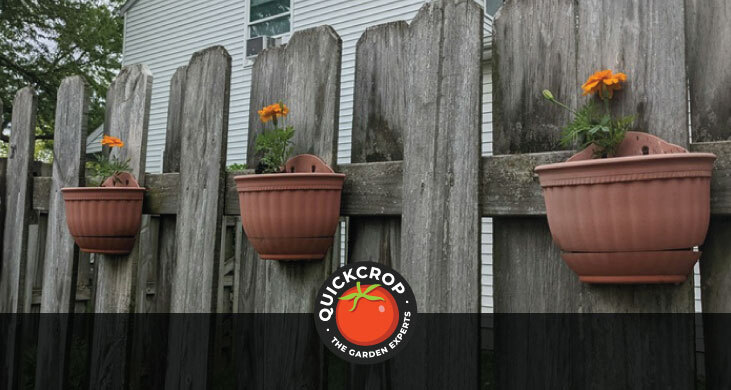
A garden fence doesn't just have to be for privacy: it can actually be some prime gardening real estate, particularly if you have a small space garden. There are a number of vertical gardening methods with which you can utilise your fence and increase your crop growing potential!
1 - Hanging Planters
Hanging planters or containers are one of the easiest ways to take advantage of a sturdy vertical structure such as a garden fence. Your planter can be made from wood, metal, plastic or upcycled materials. Some hanging planters will have a handy hook for attaching to fences or railings, while others can be hung using brackets and screws.
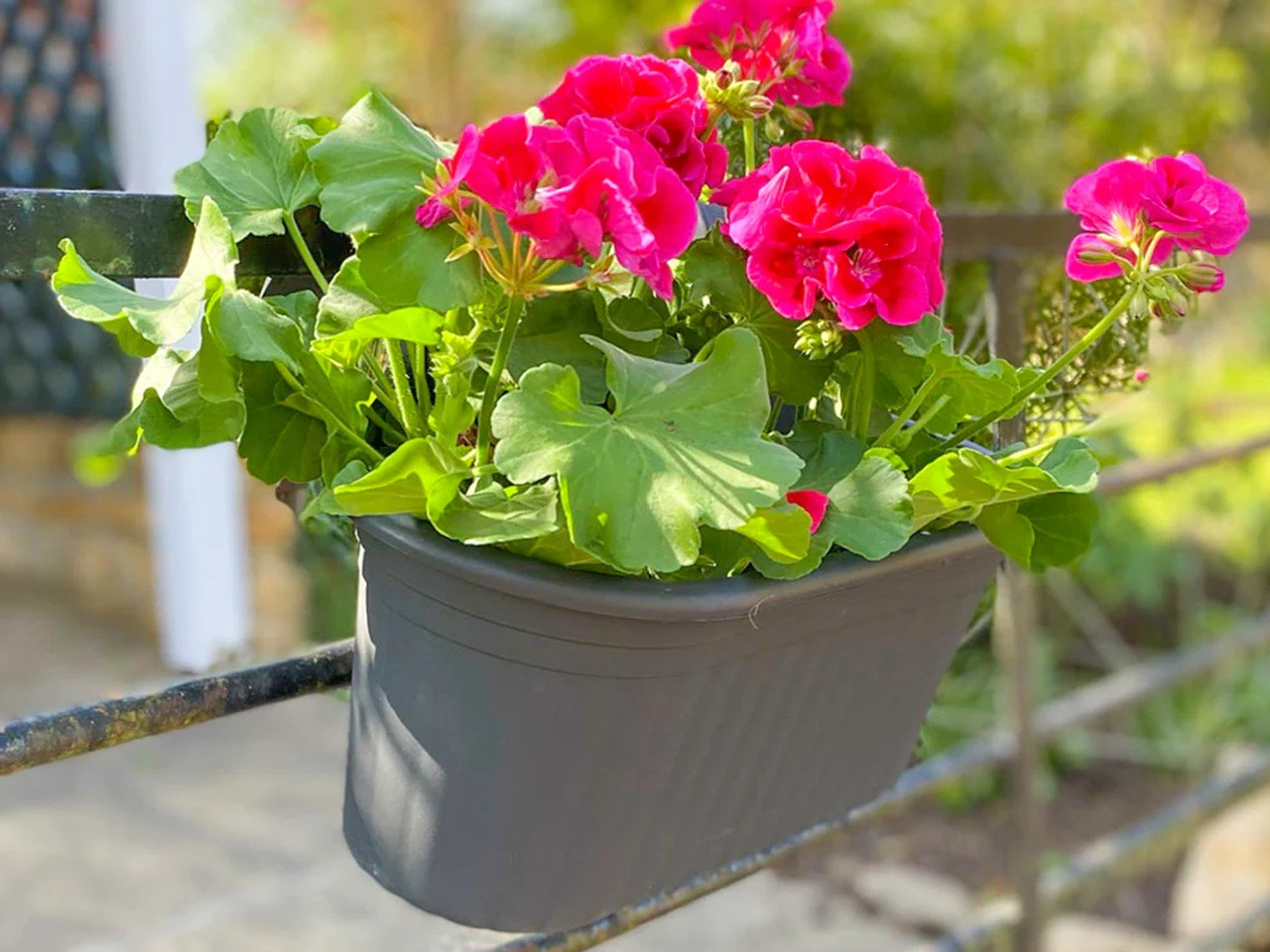
Balcony Hanging Container
View ProductHanging planter boxes can sit flush against a fence, or in some cases they can extend a little outwards.
This planting method works especially well for herbs, ornamental flowers or leafy greens. You can arrange planters in straight rows for a structured look or stagger them for a more artistic 'cascading' effect.
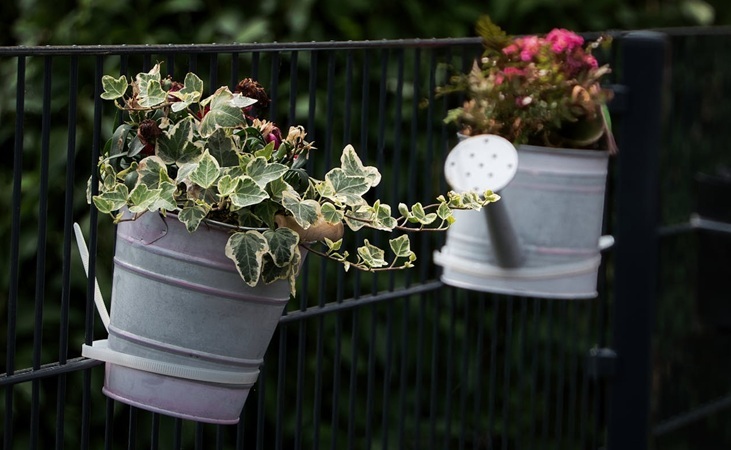
It's important to ensure that your fence can support the weight of the planters, especially after watering when the soil inside can become significantly heavier. For reference check the manufacturer info for your garden fence (if this applies).
2 - Pocket Planters
Pocket planter systems are something of a different beast, and a whole other look for your garden fence. These are lightweight fabric-based panels with individual planting pockets. They are often made of breathable felt, which helps regulate moisture and encourages healthy root growth.

Herb Wall Planter
View ProductFabric pocket planters are perfect for crops such as strawberries, succulents, herbs, or lettuces. Because the pockets are compact, you can fit many plants into a small area and turn your fence into an attractive green tapestry.
Some felt planter systems are designed to be compatible with drip irrigation systems; the material will absorb the moisture and distribute it evenly among the pockets. Felt planters can also dry out faster than conventional planters in warm weather, so again an automated drip irrigation system can help here - as can a good moisture-retentive potting mix.

Vermiculite Soil Improver
View ProductPocket planter systems can easily be mounted onto most fence types with screws or hooks.
3 - Trellises and Climbing Plants
Attaching a trellis to your fence is a classic and well-known way to create more vertical garden space. A trellis provides structure and guidance for plants that naturally climb, such as climbing bean or pea varieties, clematis, jasmine and ivy.
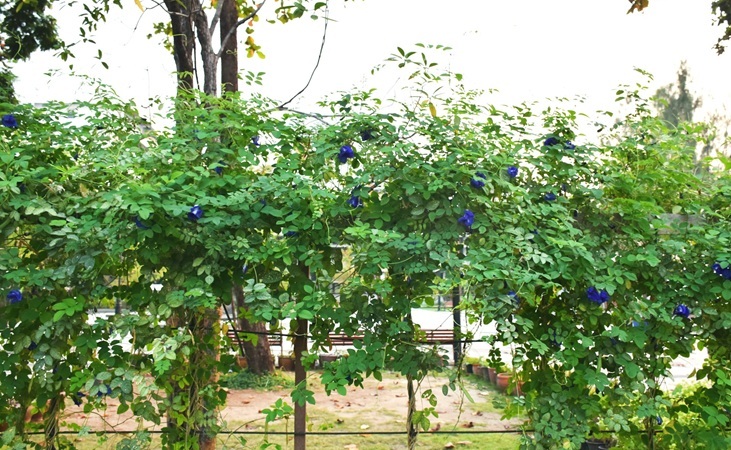
This is a great way of adding height, texture, and seasonal visual interest to any outdoor space (or indoors in the case of a polytunnel). It also has the benefit of making your fence look more 'natural' and blending in more with the rest of your garden foliage.
The trellis method is particularly beneficial if you want to keep things low-maintenance. Once established, climbing plants generally require minimal care beyond occasional pruning and tying back new growth.
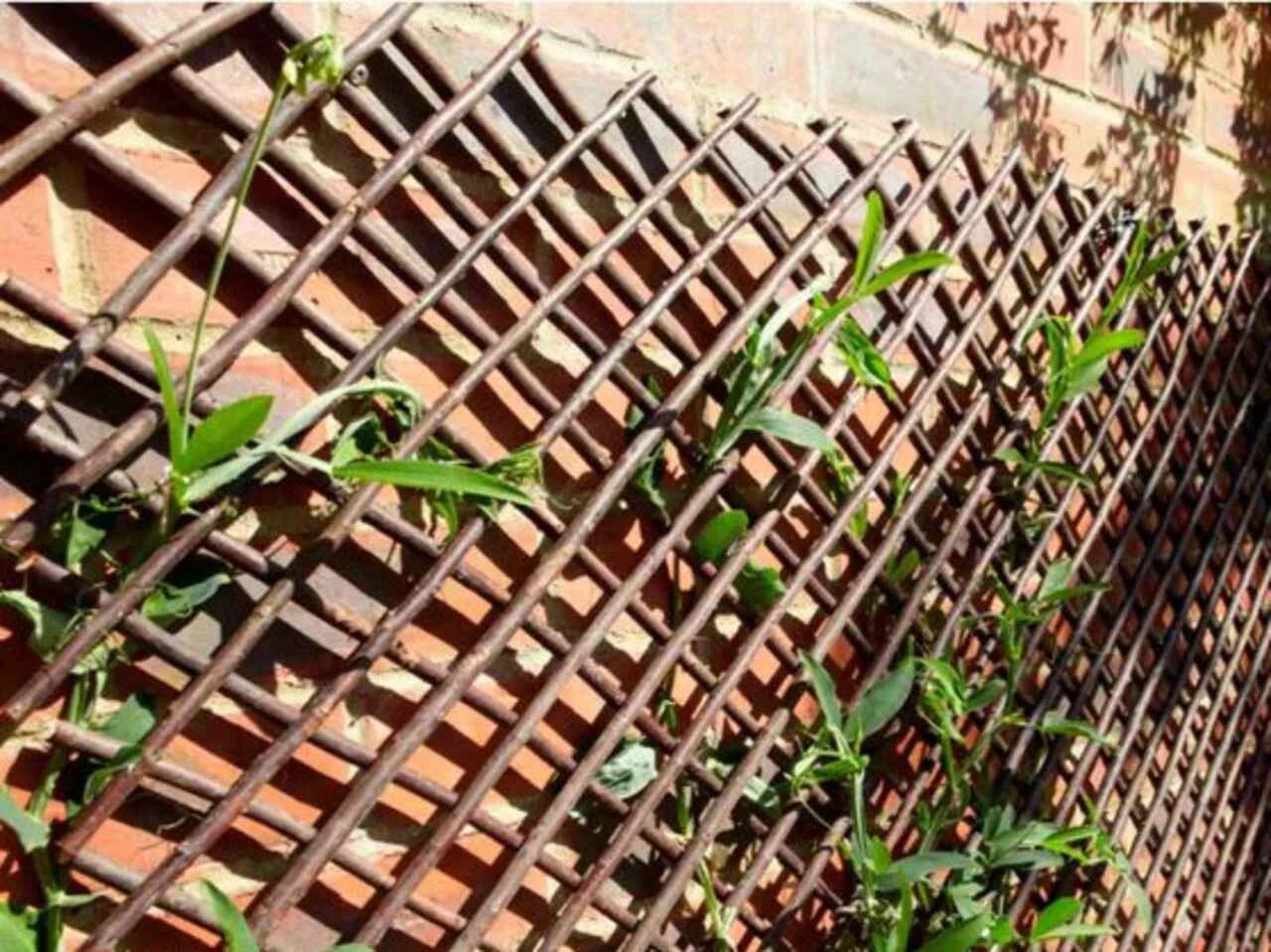
Expanding Willow Trellis
View ProductTrellis structures can be made from wood, bamboo, latticed metal, mesh or repurposed DIY materials.
4 - Pallet Planters
Wooden pallets can be transformed into budget-friendly vertical gardens when mounted against a fence. The slats create built-in shelves or pockets: making them ideal for planting flowers, herbs, or trailing plants. Just add some lining material or landscape fabric to keep your soil or potting mix neatly contained in the pockets.
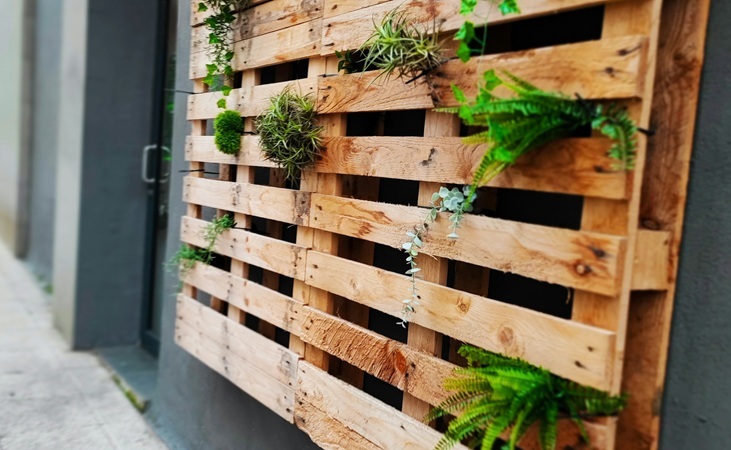
Because pallets offer multiple planting levels, you can create a layered look that utilizes the full height of the fence. This aesthetic can work beautifully in cottage gardens, urban patios or modern outdoor spaces.
Make sure to use heat-treated pallets rather than chemically treated ones to ensure safety for edible plants. You’ll also want to secure the pallet firmly to the fence - since the soil load can make it heavy once planted and watered.
5 - A 'Gutter Garden'
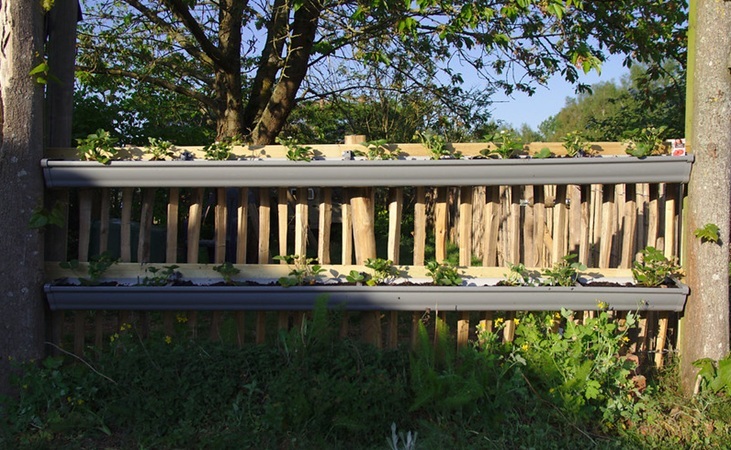
It may not sound very nice, but a 'gutter garden' or planting system is an innovative way of taking advantage of vertical space.
This DIY technique works by attaching sections of rain gutter to your garden fence. These can then act like long, shallow planters. Cut to your preferred length and arrange the gutters in evenly space rows along the fence (alternatively, stagger them to create a visual feeling of 'movement').

Basil 'Lime Basil'
View ProductNeedless to say, gutter planters are best used for growing shallow-rooted plants. Leafy greens, herbs or spinach are all good bets.
To avoid waterlogging, drill drainage holes along the bottom of each gutter. Watering the top row will often trickle down and help hydrate the lower ones, making this system relatively low-maintenance once set up.