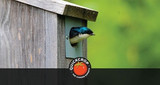
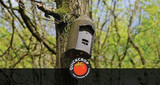
Bird nest boxes can serve as an alternative to traditional nesting spaces that birds avail of in nature (e.g. cavities in trees or cliffs or structural gaps in...
You’d be forgiven for not giving much thought to bats: they are small creatures, they only come out at night, they avoid lighting and they don’t dra...
The swift is a remarkable bird that spends the majority of its time in flight, including when they are sleeping (!). Indeed, pretty much the only time they aren...
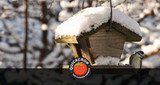
Once you have a fair idea of what types of food are best for wild birds, the next thing to think about is where you feed them: in particular the location for yo...
Fostering biodiversity in our gardens or outdoor spaces helps to create an environment where plants, insects, birds and other wildlife can thrive and feel at ho...
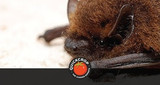
The fact that it took me 15 mins to find a 'nice' looking photo of a bat gives a good indication as to why most people don't like them. Add in their association...
The bagged compost that many gardeners are familiar with has traditionally been peat-based (or has peat as an ingredient). Whether through individual experience...
In a world where biodiversity loss continues to accelerate and climate catastrophe is an ever-present spectre, 'rewilding' can be seen as a potential lifeline o...
When choosing bare root hedging for your garden, a number of different factors can come into play. Your number one priority might be privacy, creating a natural...
Bees are essential to the health of our ecosystems, food supplies and economies. These quietly industrious insects have a mutually beneficial relationship with...
It's no secret that bee populations are under threat due to issues like habitat loss, pesticide usage and shortages of food. More than half of Ireland's bee spe...
At first glance it would seem like a no-brainer that organic pesticides are preferable to chemical pesticides; at least to a gardener who wishes to do the least...
As ecosystems are depleted and species (both animal and plant) continue to disappear at an alarming rate, rewilding has emerged as a possible way forward, altho...
One of the greatest pleasures in gardening is watching life flourish all around you: not just in terms of the plants you grow, but also the non-human visitors t...
With one-third of our native bee species facing extinction, the wild buzz that once filled hedgerows, meadows, and garden corners is growing quieter every year....
While a wildflower meadow requires less maintenance and upkeep than a large lawn, it is still a managed habitat and will need attention at strategic times of th...
At first glance, the idea that planting wildflowers is good for nature, or the ecosystem, or for pollinating insects seems like sound logic. However, as with ma...
What are the main benefits of sowing wildflowers in your outdoor space or of creating a wildflower meadow? First of all, it's best to go for a 100% native Irish...
Four Seasons in Our Garden was a year-long intergenerational project that took place in the setting of the Cranmore Community Co Op, a Sligo-based communal spac...
Forest gardening aims to mimic the natural balance found in forest or woodland ecosystems. Woodlands are known to support a diverse array of plants, wildlife an...
Butterflies are one of the most charismatic of all garden visitors, with their vividly coloured wings and elegant flight arcs. Species like Red Admiral, Peacock...
Edible landscaping or foodscaping is the practice of interspersing ornamental plant displays with edible crops, often in a way that creates a lush and colour...
I spent most of last weekend loafing around Kent and Sussex as I was keen to visit a few gardens while the season still has some life left in it. One of the high...
Green Manures
Green manures are 'crops' which are sown to cover bare soil and do a number of jobs depending on the species like protecting soil, storing nitroge...