
Water Wise Gardening
‘Water wise’ gardening is a common term in areas of the world that experience long periods of drought, or minimal rainfall. Gardeners who live in these areas often have to adapt to the challenges of sweltering heat, hosepipe bans or water shortages.
However, with changing weather patterns and the possibility of drier, hotter summers, ‘water wise’ is a term that may well enter into our own lexicon.
The Importance of Conserving Water
Water wise gardening is closely related to water conservation. Depending on where you live, water shortages or hosepipe bans may or may not be something you have to contend with during periods of low rainfall. However, even with no official restrictions in place it’s good practice to try and reduce your water usage at times when the water supply is bound to be under a lot of pressure.
Water is increasingly diverted from natural sources during times of high demand, and this can have an adverse effect on natural wetland habitats or other valuable ecosystems.

Baccara Automatic Water Timer
View ProductIn the UK, there have been increasingly bleak expressions of concern about water shortages being on the cards in the near future
Soil
The first step in a water-wise garden is your soil. Adding organic matter - such as compost or well rotted manure - to your soil over time will lead to a healthy soil that retains moisture and makes it available to plant roots.

As organic matter breaks down, it helps form soil aggregates, improving porosity and preventing or breaking up soil compaction. In a well-structured soil, spaces or ‘pores’ between (as well as within) aggregates allow for both water infiltration and air movement. Plant roots are naturally encouraged to access moisture deeper down in the soil.
Mulch
Mulching is a simple and very effective way to conserve soil moisture. In a garden context, a ‘mulch’ can consist of organic material such as straw, bark chips or composted leaves, but it can also consist of non-biodegradable material such as gravel or stone chippings.

Wood Chip / Bark Mulch - 850 L
View ProductOrganic mulches have the added benefit of adding nutrients to the soil as they break down; however inorganic mulches can sometimes be more effective at weed suppression.
In contrast with the above-mentioned method of adding organic material, mulch is applied to the soil surface and not dug in. Applying a mulch in this way helps conserve or ‘lock in’ moisture by preventing evaporation from the soil surface. This can be very beneficial during warm and dry spells of weather.

Some of the other benefits of soil mulches include weed suppression (as mentioned above) and moderation of soil temperature.
Rainwater Harvesting and Water Butts
Collecting rainwater is an excellent way of cutting down on your water usage, particularly for outdoor tasks like garden irrigation.

Muro Water Butt 260 Litre
View ProductDid you know that water is a completely finite resource and almost all the water on earth has been here from the beginning, going through alternate cycles of evaporation, precipitation and so on? When you reflect on this, you realise that collecting rainwater and returning it to the soil is a truly circular and sustainable process.
Water can be collected in all kinds of containers, including repurposed barrels. Water Butts are containers that are specially designed to collect rainwater. They can easily be attached to downpipes and gutters, collecting rainwater directly from the roof of your house (or other structures such as greenhouses).
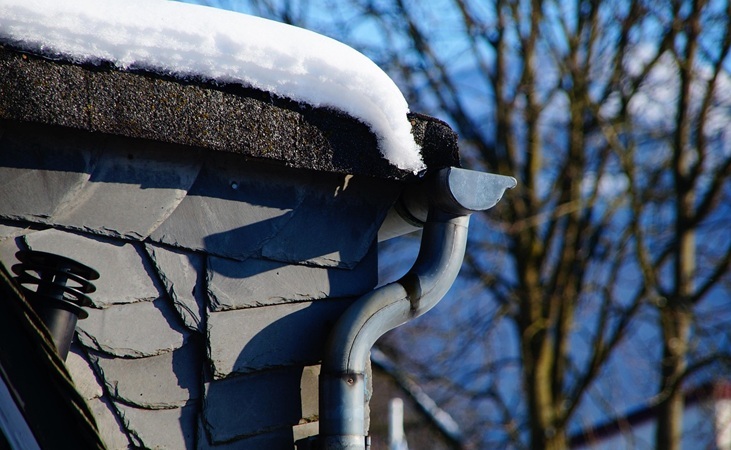
Water butts can be functional in appearance, but some of them also have quite striking designs (see the below ‘Amphora’) that can really add character to your outdoor space.
Where a water butt can really come into its own is during periods of drought where a hosepipe ban or water restrictions are in place. A homeowner with their own private water supply can happily carry on irrigating their crops or performing other garden tasks.
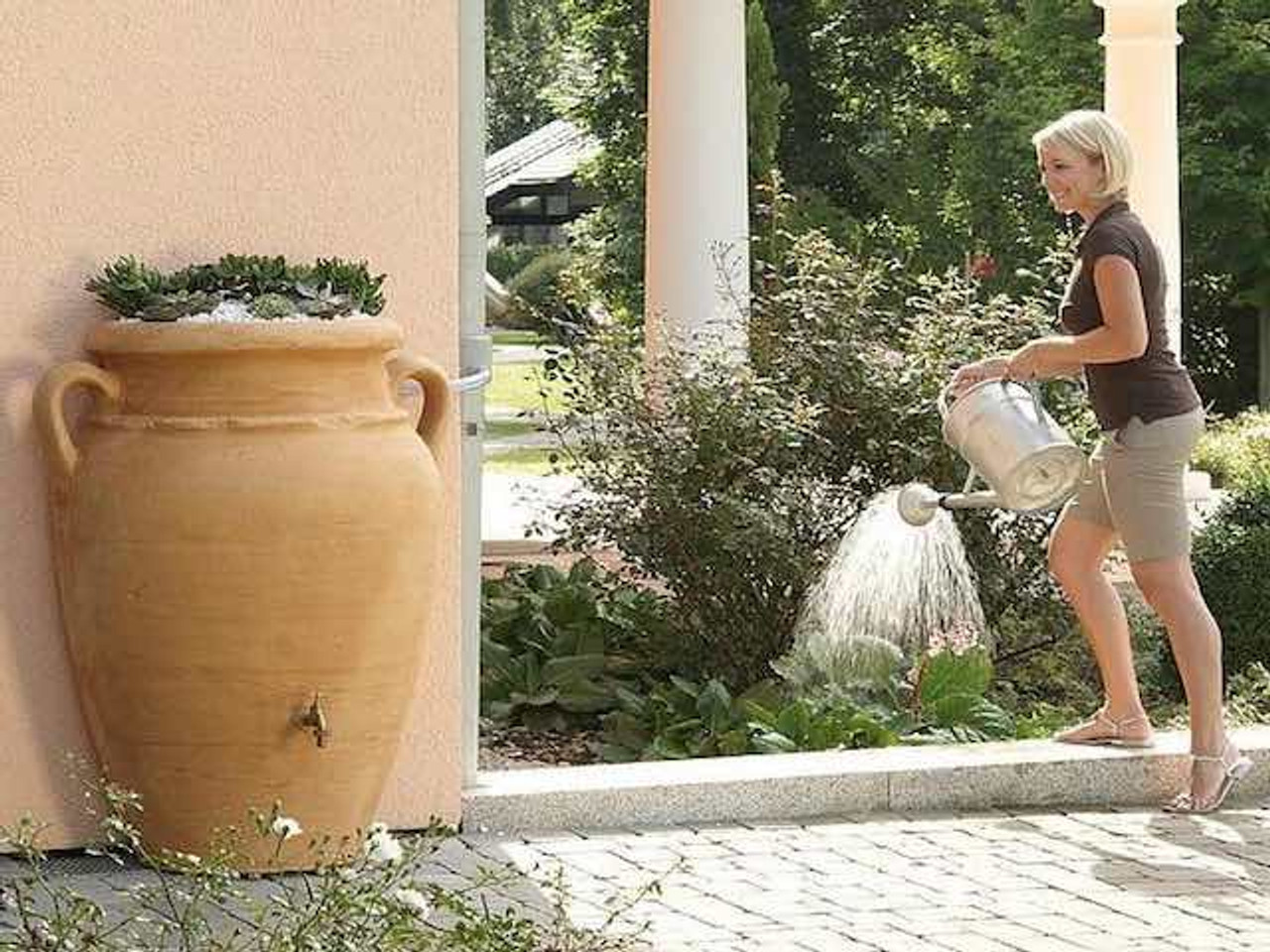
Garantia Antique Amphora Water Butt Sandstone
View ProductAnother great benefit of rainwater harvesting is that rainwater is optimal for vegetable crops and plants: this is because it’s slightly acidic and - unlike tap water - free of chlorine or sodium, chemicals that can accumulate in your garden soil over time.
What Is The Most Water-Wise Garden Irrigation Method?
There are many different ways that you can water your garden, including both manual and automated methods. Some are more efficient and water wise than others.
Hand Watering
The humble watering can isn’t exactly wasteful: depending on how you use it, it can in fact be a very measured irrigation method. If you have a good knowledge of the watering needs of each of your plants, you can supply water directly to the crops that need it the most, while periodically checking in on others as you walk around the ‘plot’.
Another good habit to get into is to direct the water spout towards the root zone of each plant. This is where moisture will be taken up most efficiently; water aimed at the leaves from above runs the risk of evaporating before it can be taken up by the roots, particularly in warm temperatures.

Indoor Watering Can - Stone
View ProductSome other irrigation methods, while no doubt having convenience in their favour, can be somewhat wasteful. Garden hoses or sprinkler systems can result in overwatering, water runoff or standing water on foliage.
Drip Irrigation and Soaker Hoses
A soaker hose looks like a regular garden hose, but is made from porous rubber or recycled materials. When connected to a water source, it gently leaks water along its entire length, allowing moisture to seep slowly into the soil.
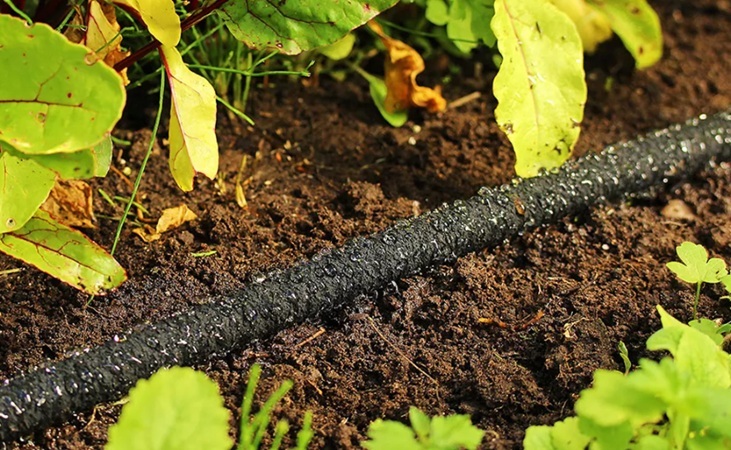
The soaker hose can be placed strategically along rows of seedlings or crops, ensuring that water is being drip fed to where it’s needed; in turn, vegetable roots can take up water as they require it.
Drip Irrigation systems work in a very similar manner, with the porous material being replaced by ‘dripper’ pipes with emitters that are spaced at even intervals. This kind of system can be adapted to suit different plant zones, each with different water requirements.

Build Your Own Drip Irrigation System (Parts Picker)
View ProductA drip irrigation system can be combined with an automated timer, allowing you to leave your plants for long periods safe in the knowledge that they will get the water they need. A suitable layout of drippers and supply lines can be customised for a raised bed, polytunnel, greenhouse and so on.
The great benefit of drip irrigation or soaker hoses is their efficiency in terms of delivering water to plants. Very little (if anything) is wasted, as the moisture seeps slowly into the soil at the level of the roots, preventing evaporation or runoff.
Timing
The time that you water your garden can play a big role in water conservation. This is particularly important during warm and dry spells. It’s advised to water your plants or seedlings in the morning or evening when temperatures are cooler. This minimises any risk of moisture evaporating before the plant roots have had time to avail of it.
Occasional Deep Watering Vs Regular Shallow Watering
It can seem counterintuitive at first, but in general it is better to deeply water your garden every few days rather than watering in small amounts every day. Deep watering encourages stronger, more self-sufficient roots because they will be encouraged to grow deeper into the soil to seek out moisture.
In contrast, shallow watering results in ‘needier’ crops because they will tend to get in the habit of accessing water higher up near the soil surface. They can then struggle if you miss a few days of watering, or in hot weather when soil near the surface dries out faster.
Drought-Tolerant Plants
Some plant species are more suited than others to coping with extended dry spells. These can include:
- Certain herbs such as lavender, rosemary or thyme, which are native to Mediterranean climates and do well in sunny borders etc.
- ‘Succulent’ plants evolved to survive in arid, desert-like climates. They are characterised by silvery foliage, waxy surfaces and fleshy, water-retaining leaves.
- Drought-hardy perennials and flowering plants, such as Echinacea, Yarrow or Sedum.
- Ornamental grasses such as blue fescue and Pheasant’s tail.
‘Xeriscaping’ is the practice of designing a garden or landscape for a dry climate lacking in rainfall. While this is probably not necessary in Ireland or the UK, it can be a good idea to separate your garden layout into groupings of more or less drought tolerant species, and then taking this into account when watering.