
Creating Solitary Bee Habitat
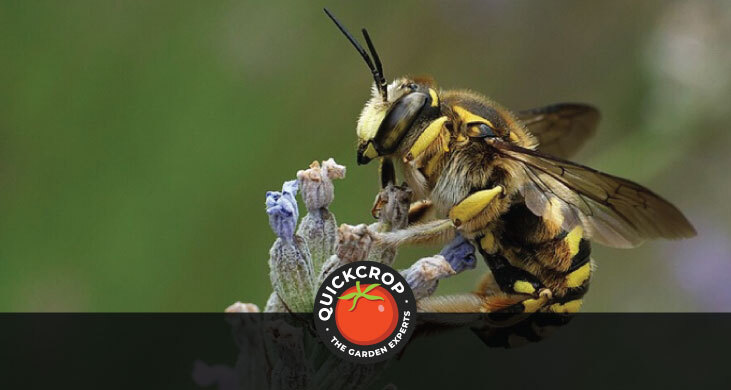
I don't know whether you know this already, but 80 of the 100 bee species in Ireland are solitary bees. Worryingly, around 30% of those 80 bee species are in decline here due to a number of factors.
Solitary bees kind of confound bee stereotyping: they don't produce honey, they aren't social, they don't live in hives and they don't produce honey. They also don't swarm and are pretty chill: in fact male solitary bees don't have any stingers, and females will only mildly sting you if roughly handled.
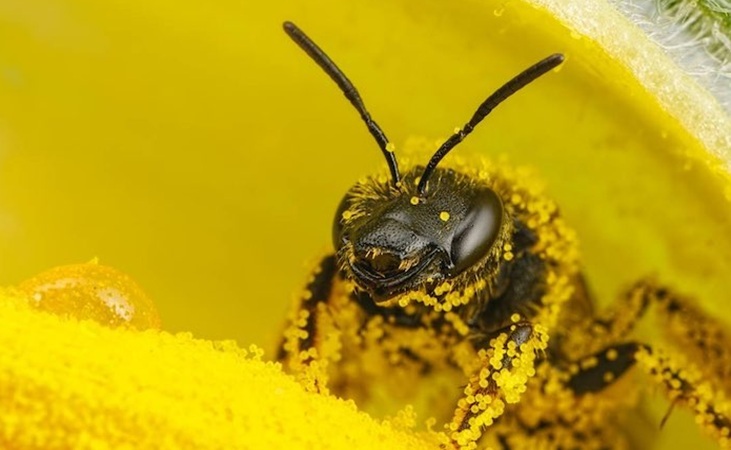
One of the reasons solitary bees are non aggressive is that they don't have a hive to defend. Many species of solitary bee are mining bees and nest in underground burrows; the rest nest in cavities in banks or walls and are thus known (predictably) as cavity nesting bees. It is the cavity nesting bee which bespoke 'bee hotels' - made from bamboo tubes and similar materials - are aimed at.
Solitary bees are much more efficient pollinators than honey or bumblebees. In general they are hairier and - like a child in a high chair - they are messy eaters. Like the bee emerging from a pumpkin flower above, solitary bees get covered in pollen as they move from flower to flower; they also drop a lot more as they don't have pollen sacks like 'social' bees do.

Native Irish Grown Wildflowers - Short Cut Meadow
View ProductThis characteristic makes them fantastic pollinators: a single red mason bee (a cavity nesting bee) is equivalent to 120 worker honey bees in terms of the pollination service it provides.
Providing Nesting Sites for Cavity Nesting Bees
In nature cavity nesting bees avail of hollow plant stems (e.g. of perennial wildflowers), pre-existing holes in dead wood or small cavities in tree trunks or walls.
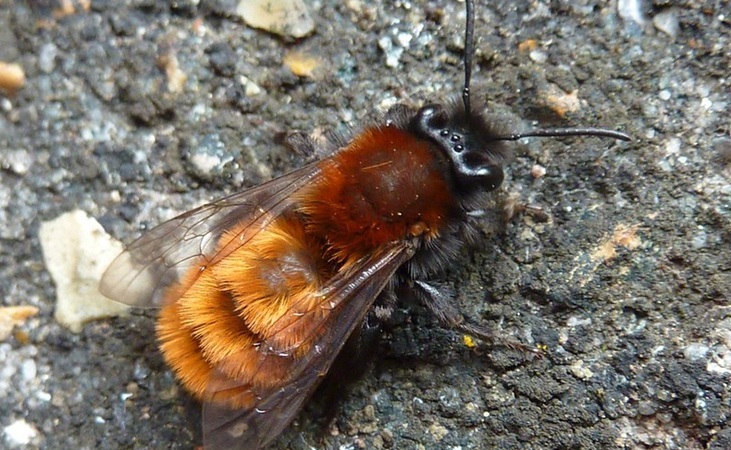
Bee or insect 'hotels' that feature tightly packed bamboo tubes and other cavities are well-intentioned, but unless they are designed carefully - and maintained well - they can do more harm than good, promoting overcrowding (remember solitary bees are called solitary for a reason) and the spread of disease or parasites.
- Leave some bramble to grow in the margins of your garden: the stems are often used to nest by cavity bees.
- Crevices in stone walls can be used as nesting sites; protect or retain these old-fashioned structures and avoid spraying pesticide nearby.
- Upright logs or tree trunks can provide nesting habitat.
- To lend the bees a helping hand, you can drill holes in an untreated wooden block and attach it to an existing structure. Solitary bees are unable to create their own holes. Drill with the grain to avoid cracks.
(National Biodiversity Data Centre)
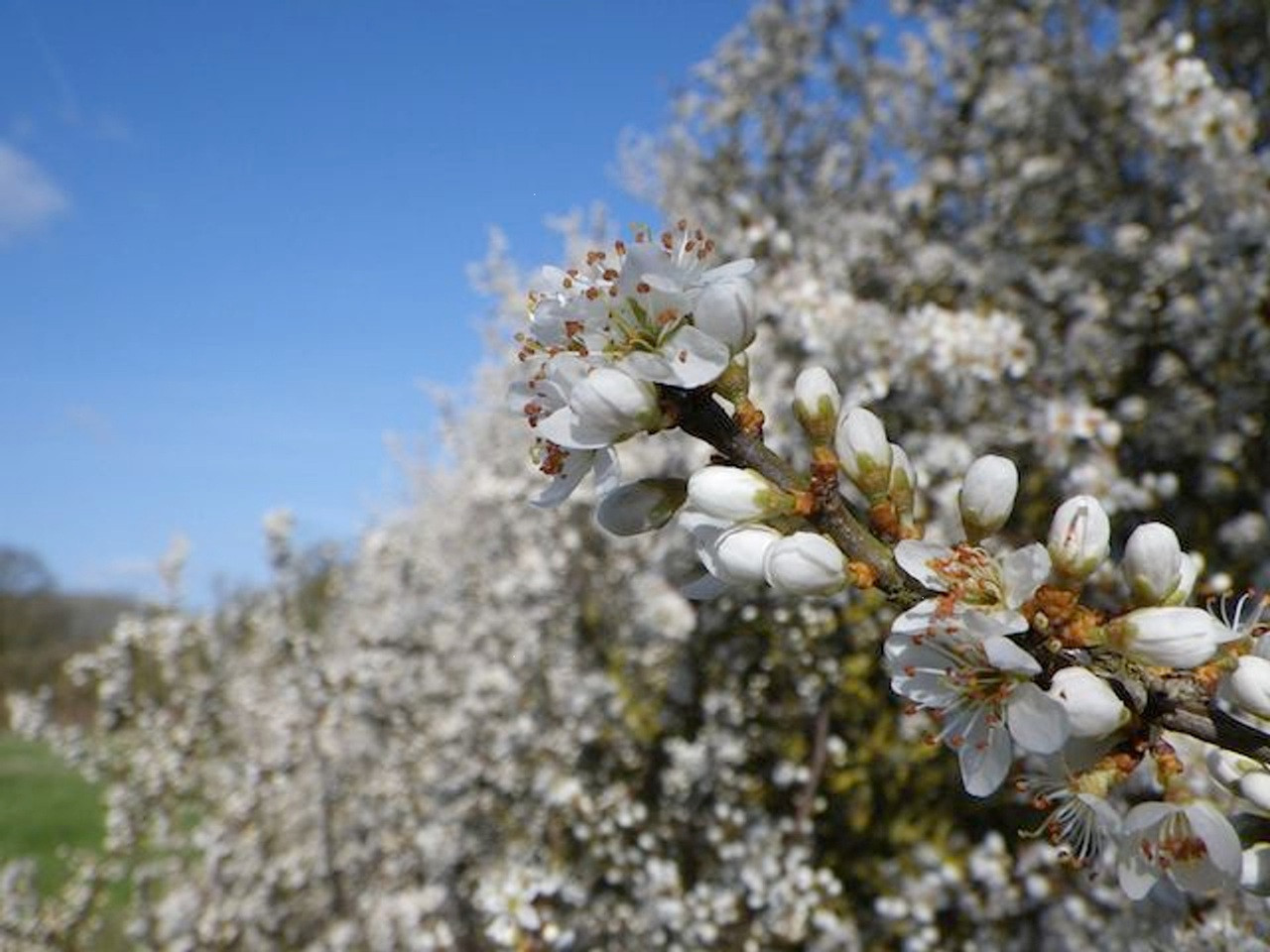
Blackthorn
View ProductProviding Nesting Habitat for Mining Bees
If you have the space, create an 'earth bank' of exposed soil, clearing away any vegetation. Ensure this area is well-drained and receives plenty of sunlight (as solitary bees need to warm up before they fly).
Suitable areas include around the bottom of hedgerow, along driveways or lawn boundaries. South-facing banks are often best.
Combining gently sloping bare earth with flatter areas (again if you have the space) can attract a wider diversity of species.