
Gardening for Biodiversity
Fostering biodiversity in our gardens or outdoor spaces helps to create an environment where plants, insects, birds and other wildlife can thrive and feel at home. It also directly benefits us gardeners, as a biodiverse garden invariably leads to more resilient plants, healthier soil conditions and a self-balancing insect population.
What is Biodiversity?
The term biodiversity refers to the rich variety of life we have here on earth (or within a particular region): this includes tiny, almost imperceptible forms of life such as microbes and soil fauna, as well as insects, birds and wildlife.
The term biodiversity can also encompass plants or trees (which in many ways are living things themselves), or to ecosystems or habitats which provide a home for all the aforementioned forms of life.
Biodiversity Loss
Unfortunately, human behaviour, economic development, or the bad habits we have built up over the years are often in conflict with nature and with biodiversity. The threats (and the damage already done) can come from a variety of angles:
- intensive agricultural practices
- changes in land use
- degradation of beneficial habitats
- construction and urban development
- pesticide usage or contamination of waterways
- noise pollution
- climate change
- fragmentation of habitat
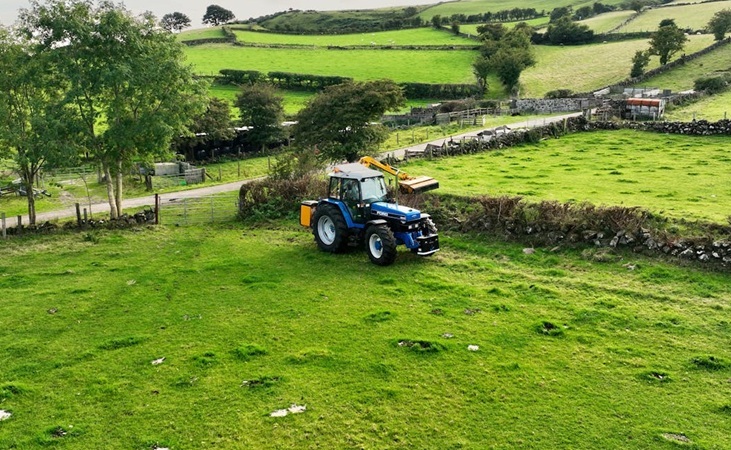
- widespread clearing of native hedgerow
- ecologically ‘barren’ sitka plantations
The list goes on, but it’s worth looking at some of the stats:
- More than half of Ireland’s native plant species are said to be in decline, with wetland and grassland habitats heavily impacted by overgrazing, intensive agriculture and other factors.
- Peatlands or ‘bogs’ - vitally important habitats for carbon storage and for various forms of wildlife - have been overextracted and depleted.
- 63% of our bird species meanwhile were recently shown to be in decline; curlew numbers have fallen by over 90% since the 1970s - an astonishing decline, and one that puts the bird at risk of extinction here. Oonagh Duggan, BirdWatch Ireland, 28 Sep. 2022, https://birdwatchireland.ie/nearly-half-of-all-bird-species-in-decline-globally-but-63-of-irelands-bird-species-declining/
- Like many other countries throughout Europe, pollinators and insects have also shown a marked decline - with pesticide use, overly manicured gardens and loss of suitable habitat being just some of the culprits.

Birds Of Ireland - Jim Wilson And Mark Carmody
View ProductLooking at the overall picture may cause us to feel powerless or hopeless, but we can all make a difference by encouraging biodiversity in our own private gardens, or indeed by joining community groups and working on biodiversity projects. All actions, no matter how small, can build up and lead to positive effects.
Why Biodiversity Matters
The interconnected web of non-human life around us is vital to the health of our planet and to the systems that we as humans depend on (and often take for granted): e.g. clean water, fertile soils, food supply, a livable climate.
How to Encourage Biodiversity in the Garden
Bees
Key Strategies:
- Allow lawn wildflowers to establish naturally by getting out of the lawnmowing habit (e.g. ‘No Mow May’).
- Avoid using pesticides, especially when nectar and pollen-rich flowers are in bloom.
- Try to ensure something bee-friendly is flowering year-round, including in early spring and late autumn.
- Bare, undisturbed soil can provide habitat for ground-nesting species.
Suggestions:
- Thyme

Thyme Seeds
View Product- Borage
- Native Irish Wildflower - Biodiversity Meadow mix
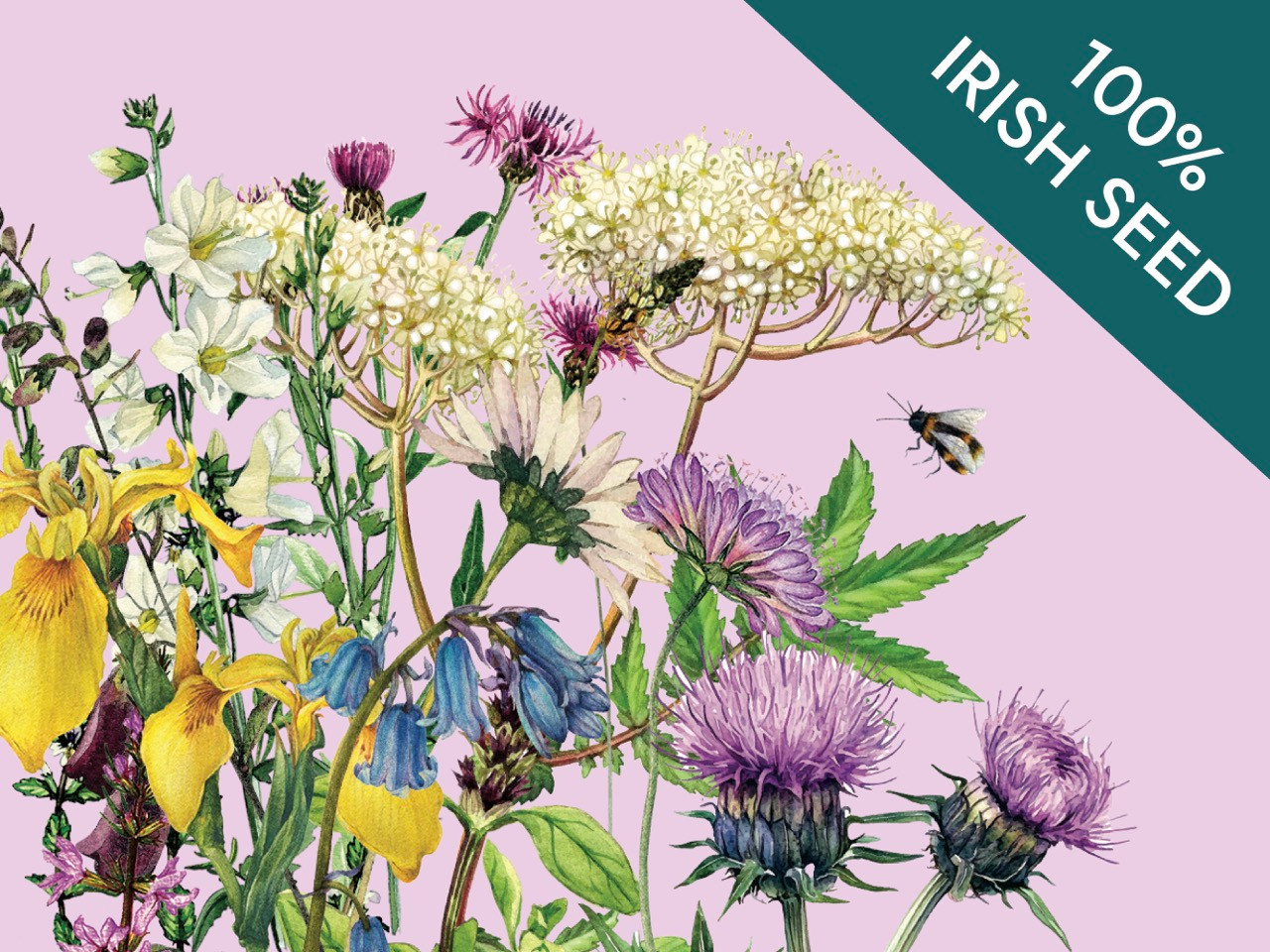
Native Irish Grown Wildflowers - Biodiversity Meadow
View ProductFurther Reading:
Butterflies
Key strategies include:
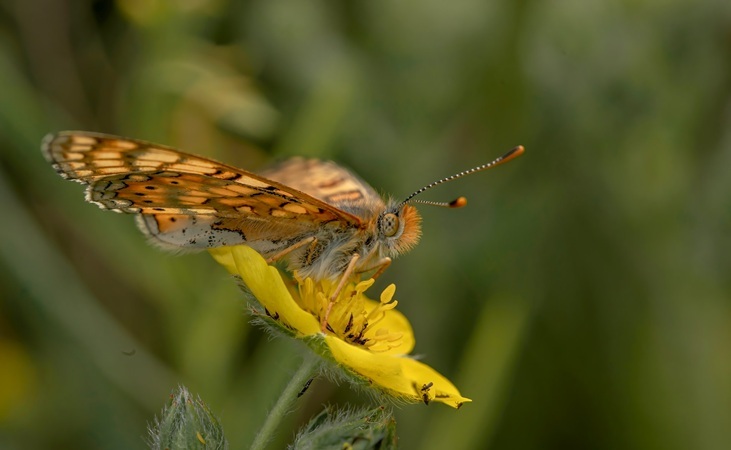
- Consider how you can include host plants (for larvae) as well as nectar sources (for adults)
- Spring and autumn flowers can be particularly important
- Look to encourage native wildflowers, or sow a native wildflower mix
- Dead leaves or long grass can provide shelter or roosting space. Try not to disturb leaf piles over the winter.
Suggestions:
- Ivy (nectar source in September and October, vital for hibernation reserves; roosting, overwintering)
- Cottage Garden Wildflower Mix

Native Irish Grown Wildflowers - Cottage Garden
View Product7- Sedum (very valuable in autumn)
Insects
Key strategies include:
- Avoid having a completely ‘manicured’ garden or outdoor area: leave aside small areas for brambles, log piles, leaf litter or dead wood - as these can provide shelter, breeding or overwintering sites for insects.
- Native hedging will support an abundance of insects.
- Avoid the use of chemical pesticides and herbicides.
- Provide water sources, such as shallow dishes with stones.
- A wildlife pond will attract insects such as dragonflies, damselflies, pond skaters and hoverflies.
Suggestions:
- Sunken Garden Pond (Raised Ponds or small DIY ponds can be beneficial too)

EasyPond 2000 Sunken Garden Pond Kit - 4 m x 3 m
View Product- Flowering Lawn Wildflower Mix (Native Irish)
- Native Hedging Conservation Mix
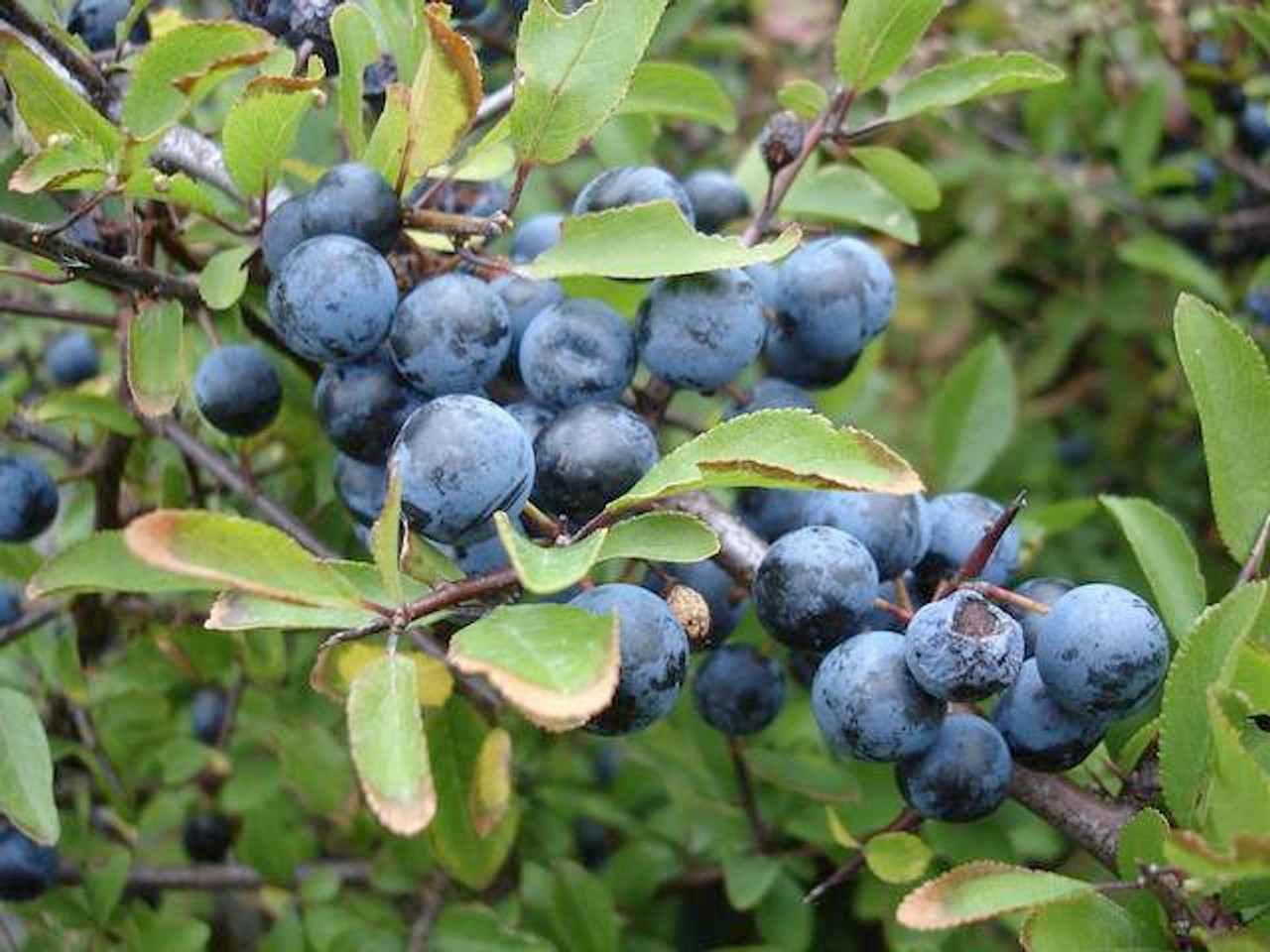
Native Conservation Hedging Mix - Value 50 Pack
View ProductBirds
Key strategies include:
- Plant native shrubs, hedges or (if you have the space) trees for shelter, nesting habitat and food sources (insects, fruits, nuts)
- Bird feeders can be a crucial source of food for wild birds, especially in winter.
- Leave seed heads and fruits on plants through winter.
- Avoid disturbing nests during the breeding season. Similarly, if hedging needs to be pruned do so outside the main nesting season (March 1st - August 31st in Ireland)
- Carefully designed nesting boxes can provide an alternative where traditional habitat has been stripped away. Swift ‘bricks’ can also be inserted into building facades.
Suggestions:
- Swift Facade Nesting Box

Swift Facade Nesting Box - NKGZ10
View Product- Edible Hedge Mix Pack
- Schwegler Nest Box 1B (suitable for various tit species as well as redstarts, tree sparrows and more)

Schwegler Nest Box 1B (Brown) - 1 Entrance 32 mm
View ProductFurther Reading:
Interview: Lynda Huxley on Swift Conservation and Nest Boxes
Bats
Key strategies include:
- Native hedging attracts insects (the key food source for bats) as well helping to provide navigation aids, shelter or (in some case) roosting space.
- Be aware of garden or outdoor lighting, which can negatively affect bats. Use ‘warm’ or targeted lighting where possible.
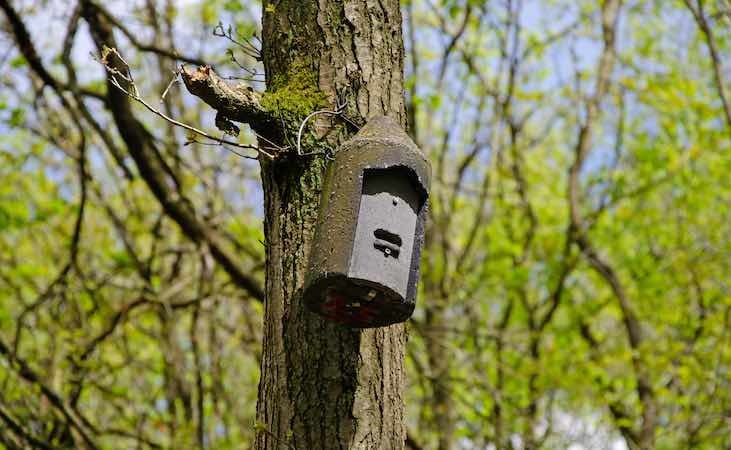
- Specially designed bat boxes can provide suitable (non maternity) roosting conditions for bats such as Sopranos Pipistrelle or Daubenton’s bat.
- Again a garden pond can be very valuable by attracting aquatic insects.
Suggestions:
- Schwegler Flat Woodcrete Bat Box 1FF

Schwegler Flat Woodcrete Bat Box - 1FF
View Product- Hawthorn Bare Root Hedging
- Rowan (Mountain Ash) Tree

Rowan/Mountain Ash 'Sorbus Aucuparia' 1-3 Pack
View ProductFurther Reading:
Attracting Wildlife to Your Garden - an interview with Donna Mullen