
How to Grow Dahlias
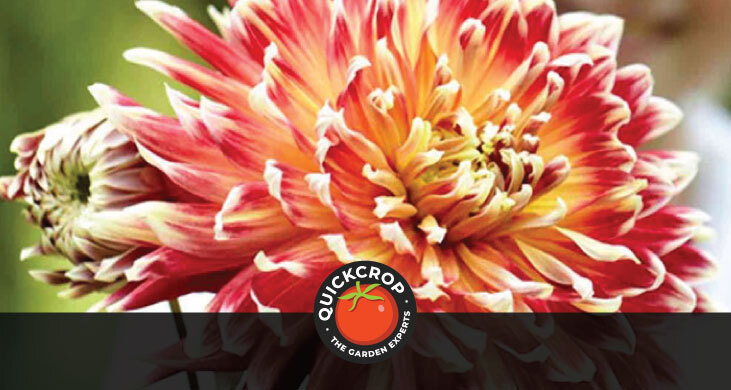
Many of you will have noticed it is no longer autumn, so clearly planting tulips and daffodils aren't an option at the moment. The great news is there are a whole range of spring-planted bulbs like dahlias and lilies that are planted from March onwards (earlier if started in pots) and give the same favourable ratio of work-to-reward as the autumn planted ones.
Dahlias: Back in Vogue
☠️: moderately toxic to cats, dogs
Dahlias had become rather unfashionable (they were seen as old fashioned and brash) but they have enjoyed a big revival over the last ten years. There are a number of reasons for the renewed appreciation - which include more interesting new varieties and the growing popularity of cut flowers - but I think the biggest catalyst has to be the social media platform Instagram.

If you are not familiar with this new dahlia wave, you are probably thinking of gardens in the 70s or 80s (if you are as old as me) packed with brightly-coloured blooms, all competing for attention and nearly tearing your eyes out of your head (see above).
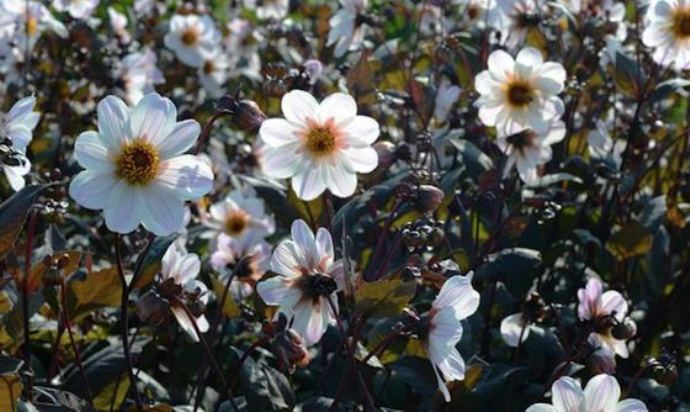
Well, things have moved on since then. Below you see the subtly soft dinner plate variety 'Cafe au Lait', which is about as far removed from the 1980s visual assault as it is possible to be.

But why Instagram? Because the flowers, which are most commonly bought as tubers (giving a head start), are easy to grow for relatively inexperienced gardeners and they photograph really, really well.
Dahlias are also some of the lowest maintenance and highest producing cut flowers (or indeed garden plants) you can grow, giving a great return on investment both in time and money.

Dinner-Plate Dahlia - 'Cafe Au Lait'
View ProductAside from those more practical considerations, there are a number of other advantages to growing dahlias.
- They are showy plants with rich, colourful blooms, making for excellent cut flowers.
- They offer an impressive range of colours.
- Many varieties are ideal for pots and container growing - so a great choice for around the house, balconies etc
- They have a long flowering window, and can add vibrant colour to a late summer garden when other flowers are fading.

This beautiful basket pictured above contains the cactus variety 'Cabana Banana' which shows just how impressive these plants are as cut flowers. Even in the first year you will get multiple blooms from each dahlia tuber; but as the years progress the number of tubers will grow, as will the number of flowers.
Dahlias are not frost hardy and are generally lifted and stored in boxes over winter - at which point they can be divided to further increase your stock for the next season.
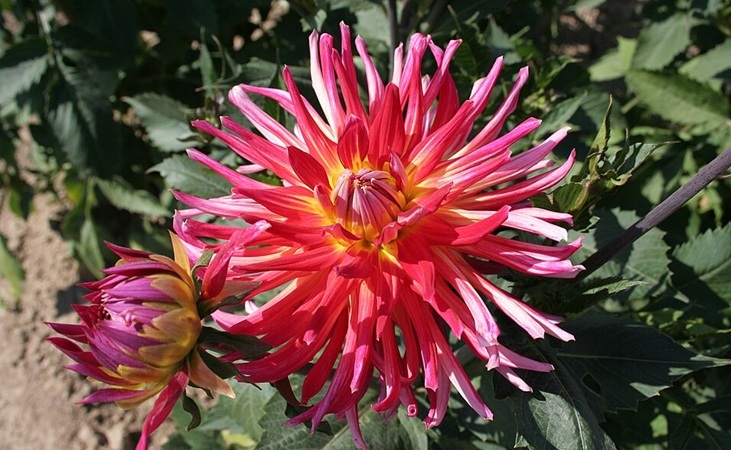
Cactus varieties are so called because of their spiky, tubular petals, which look like sea anemones when the flowers first open but become more loosely furled when they mature.
As well as stocking three of my favourite cactus varieties, we are also carrying a small but select range of ball, dinner-plate, decorative peony and anemone flowering types; so you can fully appreciate the scope of these flamboyant flowers.

Cactus Dahlia - 'Cabana Banana'
View ProductI am not sure where the fashion for planting so many brightly-coloured dahlias together came from. It seems an odd thing to do considering they are such dramatic plants.
In the same way that you wouldn't eat a whole pot of jam on its own, the candy-coloured dahlia blooms look much better when mixed with a palette of more muted colours (the bread to your jam).

It may not be the best example, but you can see how well the peachy colours above look with the straw coloured grasses behind.
It's also worth remembering that dahlias start blooming in July and will continue into October, so they are flowering through the period when grasses are seeding and are at their feathery best.

When to Plant Dahlias
Dahlias are planted out in May when all risk of frost has passed, but they can be started off in March if you have a greenhouse, polytunnel or bright porch. Tubers received earlier in the year are best stored in pots of dry compost and kept indoors in a shed (or similar) to protect from frost.
If starting dahlias early under cover in March, the compost in the pot just needs to be moistened (but not soaked) to trigger growth. If freezing temperatures are forecast, pots may need to be temporarily moved indoors.
Planting Tips
Dahlias are highly productive plants so they will need good soil and full sun to produce top quality blooms. They will also need good drainage. If you have a heavy clay soil, dig a hole a little deeper than normal and add a layer of grit before planting. If the ground is habitually wet, use raised beds or large pots instead.
For all varieties:
- Make a hole 15 to 20 cm deep and place the tubers in it with the growing buds (eyes) facing upwards.
- More compact varieties can be spaced 60 cm apart, while taller varieties should be given 90 cm.
- After 2-3 weeks add a light dressing of blood, fish and bone meal.
- Unless your soil is absolutely fabulous, feed every 2 weeks or so with a liquid feed (tomato feed will do the trick).

Westland Fish, Blood & Bone
View ProductGrowing Dahlias for Cut Flowers
Of course (back to Instagram), dahlias have to be one of the best choices for cut flowers due their size, shape and colour - and the fact that they grow on long, sturdy stems which are ideal for a vase. Regular cutting will also encourage your plants to produce more flowers, so it is a 'win win' all round.
Dahlia flowers have a medium vase life: usually 5-7 days. Be aware that buds don't open once cut (like peonies), so there is no advantage to taking immature flowers to prolong flowering time.

It is best to harvest when flowers are 3/4 open or fully open, and before the oldest petals at the back of the blooms have started to die back.
By the way you will often see dahlia buds in flower arrangements (as above and below), but this is for the contrasting lime-green colour and natural look that they offer rather than the hope that they will open.

Anemone Flowered Dahlia - 'Take Off'
View ProductIt is also best to cut flowers early in the morning or in the evening when temperatures are cooler and the plants aren't working so hard to draw up water. Another trick is to cut the stems long (60-70 cm) and to place them immediately in a bucket of lukewarm water.
When you are ready to transfer flowers into their vase, cut the stems to the required height under the water and at an angle. The reason for this is - as dahlias are hollow stemmed plants - an air bubble can get trapped in the bottom of the stem which prevents water moving upwards. By cutting the stem under water, the bubble is removed without letting in any more air. The reason for the angled cut is to have a larger aperture to take in water, so the base of the stem doesn't sit flat on the bottom of the vase.

The freshly cut armful pictured above, by the way, is the wonderful cottage garden style variety 'Take Off', an anemone flowered dahlia which will look great in a wilder, more informal garden.
Growing Dahlias in Pots
Dahlias can be grown successfully in pots and they make an excellent patio plant - provided the pot is big enough and you keep your plants well fed.
As regards pots, the bigger the better but aim for a diameter of at least 30-40 cm. You can use a good multipurpose compost and mix in a handful of blood, fish and bone for good measure.
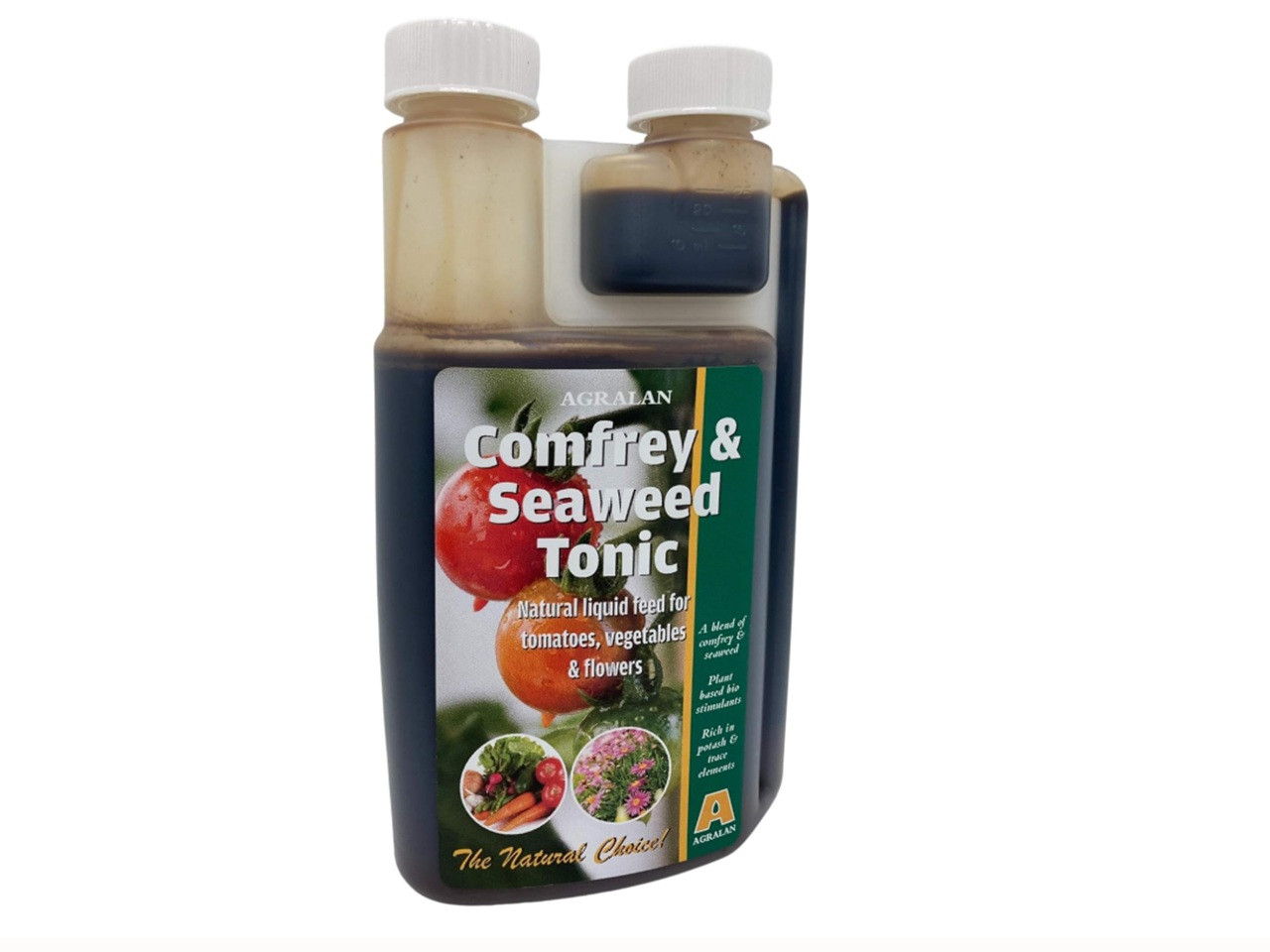
Comfrey & Seaweed Tonic - Liquid Plant Feed
View ProductBear in mind the plants are getting all their nutrients from a relatively small volume of compost, so regular liquid feeding every two weeks is especially relevant for potted plants.
Remember many dahlia varieties are tall plants with heavy blooms, so supporting potted specimens is important as they have no companions to lean on. A couple of lengths of bamboo with soft ties will help keep them upright. A cane ring can be used for large clumps.
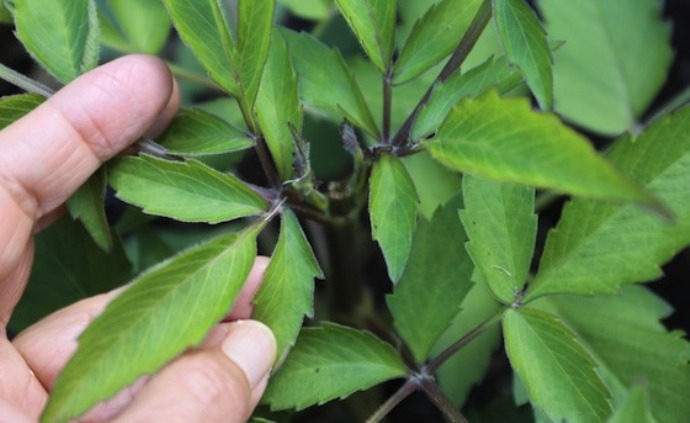
To increase flowering, pinch out the growing tips back to a pair of leaves when the plant is about 40 cm high. The plant will become more bushy and will flower more freely.
If you want larger flowers for cut flowers, you can remove entire flowering stems to leave between 3 and 5 only. Removing smaller buds below the primary bud will also divert energy to the main flower, with the same effect.

Ball Dahlia - 'Golden Torch'
View ProductStoring Dahlia Tubers
As we've said, dahlias are frost-tender and attractive to slugs, so in most cases it is advisable to lift the tubers in autumn and store them in a frost-free place over winter. They can be kept in pots of compost if you are feeling especially kind, but do just as well 'naked' in boxes or crates.
Q: Do Dahlias Grow Better in Pots or the Ground?
This, of course, depends on where your ground is situated, what kind of outdoor soil you have, etc. In general though, dahlias grown in outdoor soil (and spaced correctly) will have more space to develop strong and vigorous root systems, they will usually require less feeding and you won't have to worry about their container drying out.
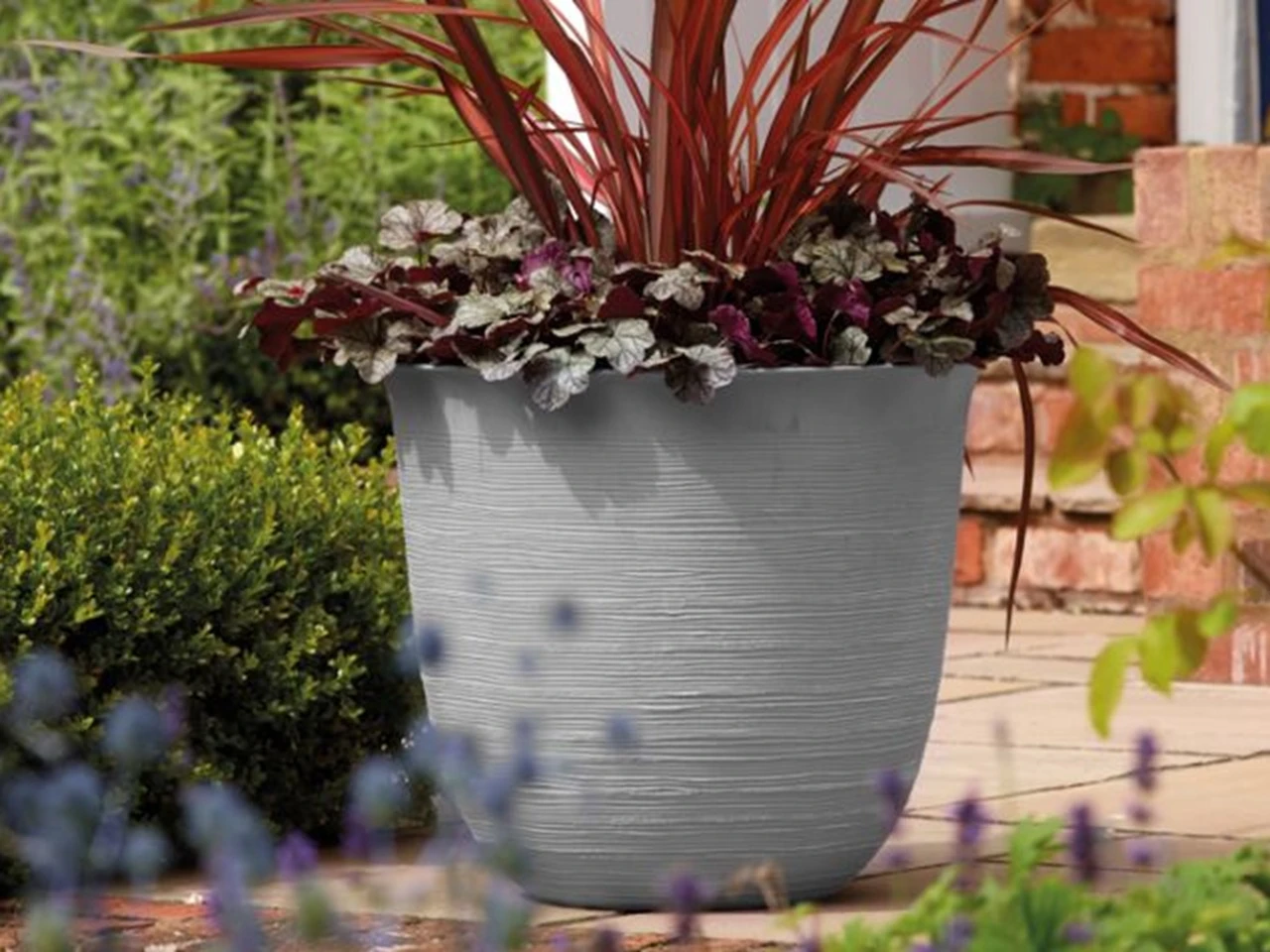
Sahara Planter 53 cm
View ProductOn the other hand, when dahlias are grown in pots or containers it is easier to move them around. New dahlia shoots are very prone to frost and slug damage so they require some tedious looking after. Potted plants, on the other hand, can be kept indoors and planted out at a decent size in warmer weather. The larger plants will be able to handle a few slug attacks, whereas a newly emerging shoot will not.
Q: Do Dahlias Come Back Every Year?
Dahlias are perennials that store energy in the underground tubers, so yes they can grow back in following years. However, leaving them in the ground over winter can dramatically lessen the chances of this happening (in a climate like ours anyway). A hard frost or persistently damp soil can cause the bulbs to rot or deteriorate.
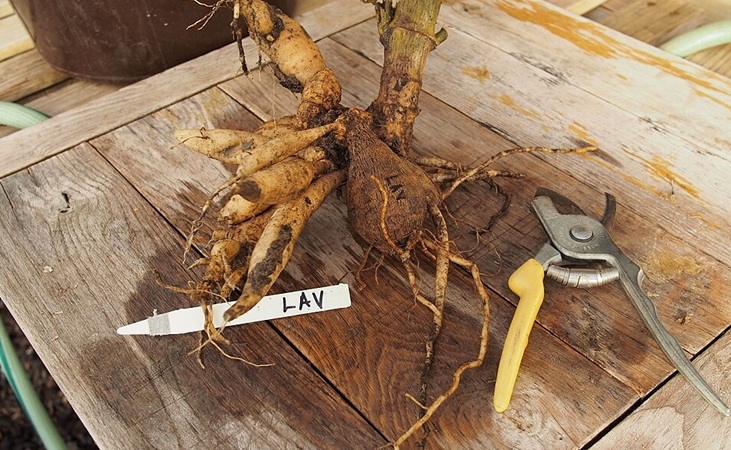
Instead of leaving them outdoors, lift the tubers, allow them to dry thoroughly, and store them somewhere cool and dark for the winter. This can be done after the first frost, when the foliage will likely blacken and die back.
When spring rolls back around, keep an eye on last frost dates and replant the tubers when the coast looks clear.
If you live in an area with milder winters, you can alternatively cut back the stems and apply a thick mulch around the base of the plant to protect from frost.
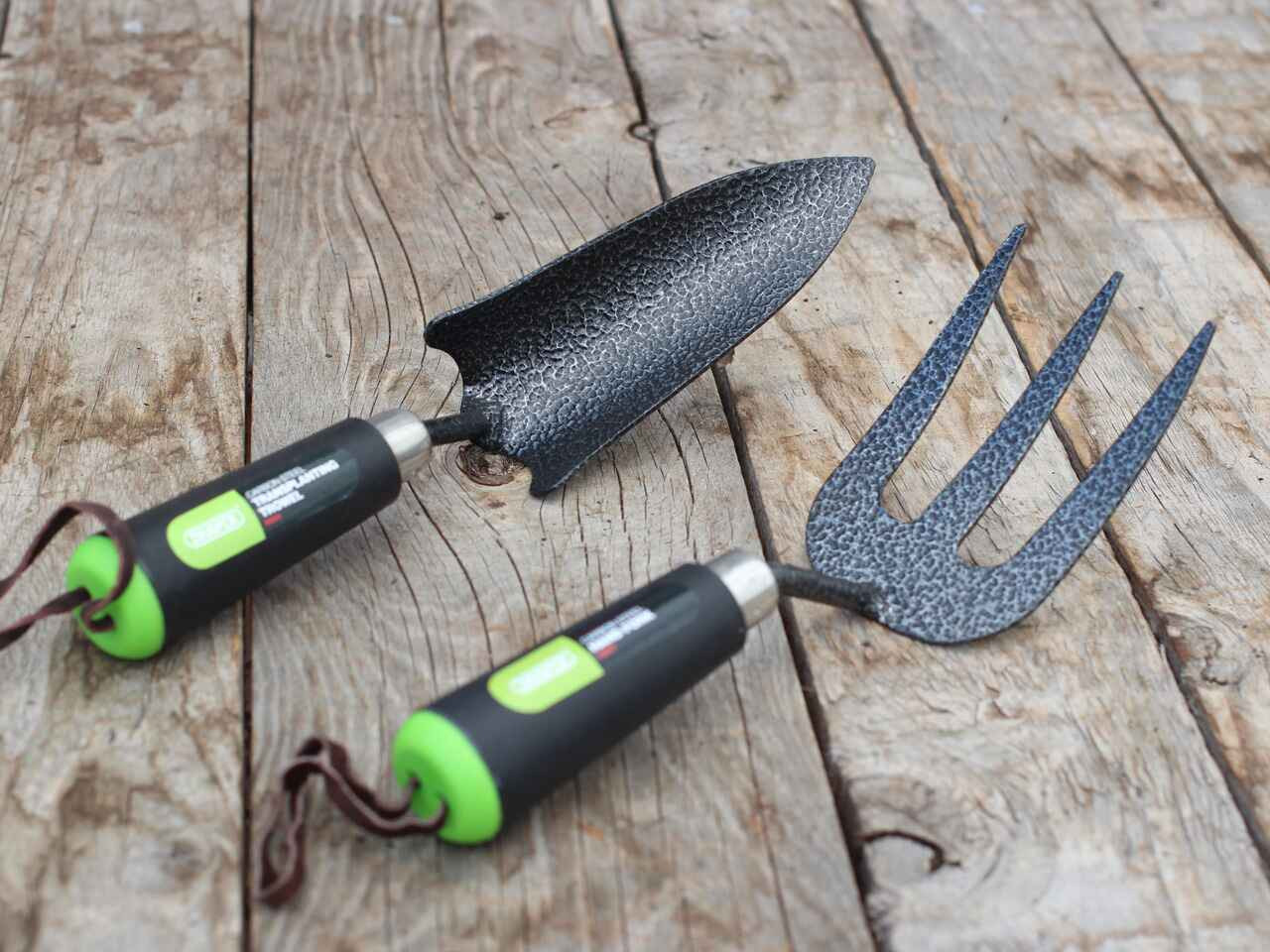
Draper Carbon Steel Heavy Duty Hand Fork
View ProductHow to Lift and Store Dahlia Tubers
- Wait until the first frost has blackened the foliage.
- Cut the stems back to around 10-15 cm above ground level.
- Carefully dig around the tubers, keeping the fork or spade away from the crown.
- Lift the clump gently and shake off excess soil.
- Remove any damaged, diseased or rotten tubers.
- Allow the tubers to dry thoroughly - hanging them upside down for a few weeks can ensure that all moisture drains out of the tuber.
- Store tubers in a cool, dark, ventilated area.
- To further safeguard against any deterioration you can pack them with vermiculite, sawdust, or shredded newspaper.
- Check your tubers occasionally over the winter.
- If you are planning on dividing the plant, do so after their winter storage period.