How to Maintain a Drip Irrigation System
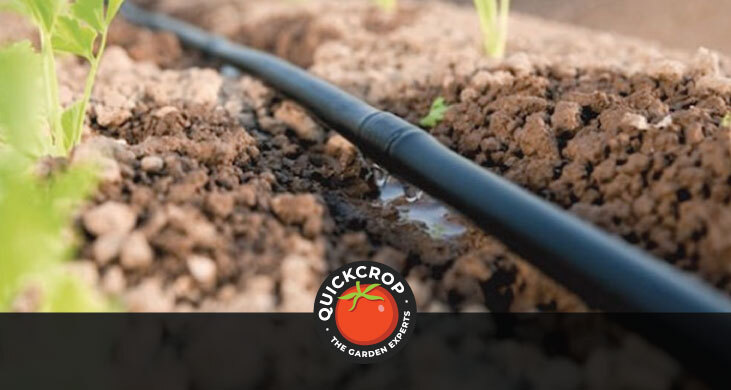
A drip irrigation system can save you lots of time in the garden, but it's good to set aside some time for occasional maintenance or inspection to ensure it's all functioning smoothly.
- Regularly check the system for any clogs or leaks. One way of testing that everything is working as it should be is by placing a bowl or a small container under the emitter or dripper, and leaving it there for the duration of the scheduled watering time. A typical level of output for drippers is about 2 litres per hour; the Quickcrop drip irrigation system emits 1.6 litres per hour from each dripper valve.

Build Your Own Drip Irrigation System (Parts Picker)
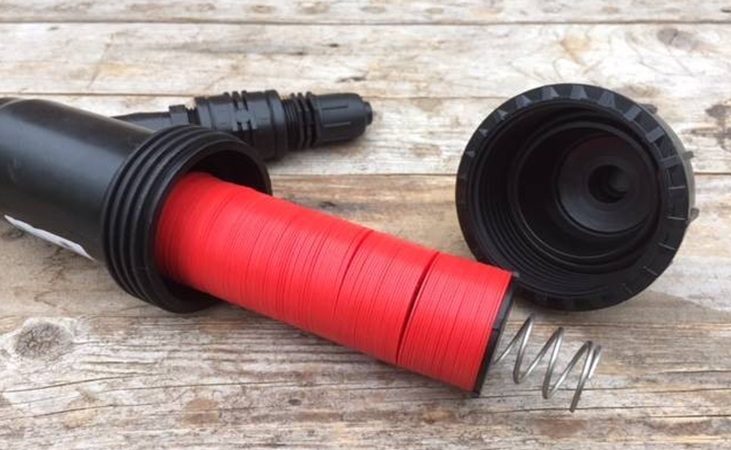
View Product- The filter in your drip irrigation system will help ensure that it functions optimally. It removes debris and contaminants, which in turn will reduce the risk of blockages. It’s important to check that you have the right size filter for your system. Clean the filter regularly: this is easily done and will keep the system performing optimally.
- ‘Flushing’ the system at the end of the growing season (or more regularly if you like) can clear mineral buildup, sediment or small particles before they become a bigger problem. This is done by removing the end cap, plugging up the emitters and running some water through the system.