How To Store Root Vegetables
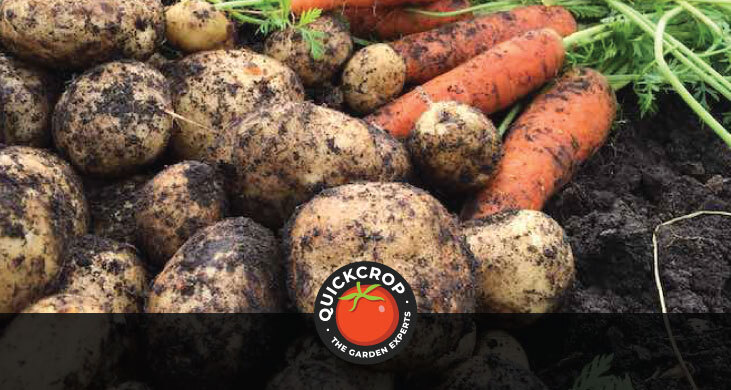
Root crops (such as carrots, beetroot, potatoes and turnips) are known for having good storage potential, lasting for weeks or months after harvesting. However, they can still spoil if stored the wrong way.
The main way that root vegetables can deteriorate after being lifted is from losing moisture: this is why carrots go rubbery or beetroot gets soft.
Improper storage can also lead to:
- sprouting
- 'off' flavour or bitterness
- rot or mould
How to Avoid Spoilage
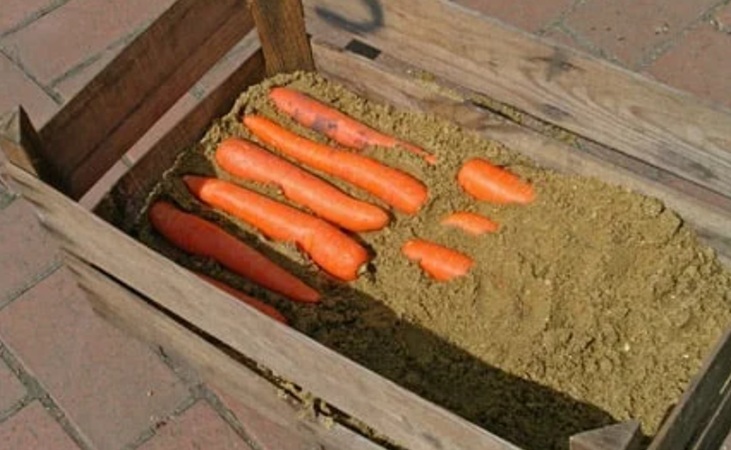
If you wish to store root vegetables like carrots, beetroot or radish over winter, the best method is to lift them and store them in damp sand or compost within a container. Depending on how much you need to store, you can use boxes, buckets or (in my case) a raised bed built in a cool stone shed.

Carrot Patio Planter - 2 Pack
View ProductThe idea with moist sand or compost is that it replicates soil conditions. Root crops store well this way because many of them are biennial plants that naturally remain dormant underground through the winter, storing energy in their roots.
But wait, why not leave them in the soil so? When root crops are left in garden soil they are susceptible to rot in wintry wet conditions, or to rodents, grubs etc.
Harvesting and Storing Root Crops: Step by Step
- Harvest carefully, making sure you avoid damage to the skin.
- Do not wash the vegetables unless grown in very heavy, sticky clay soil or if disease or pest damage is suspected.
- Remove any leaves by twisting off (rather than cutting) the foliage, and leave to dry slightly before storing.
- Lay the vegetables in moist sand, leaf mould, sieved soil or sawdust from untreated timber.
- Make sure the vegetables don't touch each other as this can spread disease later on - separate each layer with a few inches of sand or compost.
- The filling material should be slightly moist rather than wet.
- Keep your container in a cool place.

Taifun 6 Prong Beet Fork
View ProductMaking a Root Vegetable Clamp
If you have a lot of root vegetables to store, you could consider building a clamp. This is a traditional storage method used before the advent of fridges or freezers, and most often used for potatoes.
I won't go into too much detail here but myself and Niall did make one a few years ago, which actually worked extremely well and kept the potatoes fresh until the following spring.
As you can see in the above video, you cover a mound of potatoes with straw, before covering the whole lot with soil and leaving a ventilation hole at the top. You can watch us build the clamp and ramble on a bit about potatoes in the video below.