May in the Vegetable Garden: Tips on Planting Out
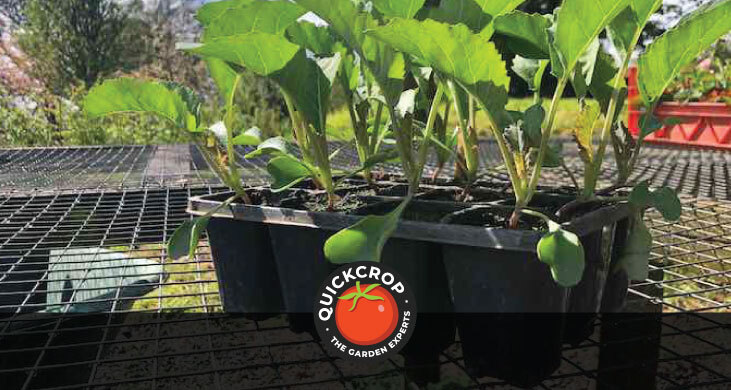
When my daughter Anna (21, not living at home) called to tell us she had adopted 2 kittens I started a countdown in my head to see how long it would take for them to end up with us. It took about 4 weeks. Anna now lives in an apartment and the cats, inevitably, live with us.
Not that I mind. They are the two oddest cats I have ever come across; one of them is interested in gardening and the other one appears to like film and video. If I am in the garden, Charlie, who you see featured below, will appear and begin a never ending inspection of whatever I am doing. For some reason he also wants to sit on my shoulder like a parrot, so if I'm bending down weeding or whatever he climbs aboard and coils his tail around my head.
I rarely see his sister, Lola, if I'm working outside, but if I'm making a video in the polytunnel she will turn up and start throwing herself around as if auditioning as a stunt cat. She also climbs the back of the set and pokes her head around the edge when we are shooting which has Mike (the camera man) in stitches. Don't worry, I'm not going to keep going on about them but figured they deserved a mention, especially Charlie, who kept me company (and my ears warm) when planting potatoes on Saturday.
Planting Out in May
The benefits for starting plants off in modular trays in April becomes very clear in May, as the garden can get off to such a quick start if you have a stock of healthy seedlings ready to go in.
I tend to prefer seedlings as they have a number of advantages: principally avoiding poor weather and pests, but also because you will be 4 weeks ahead of the season if you started them off in April (seedlings are typically 4 weeks old when planting out).
When Should Tray-Grown Seedlings be Planted Out?
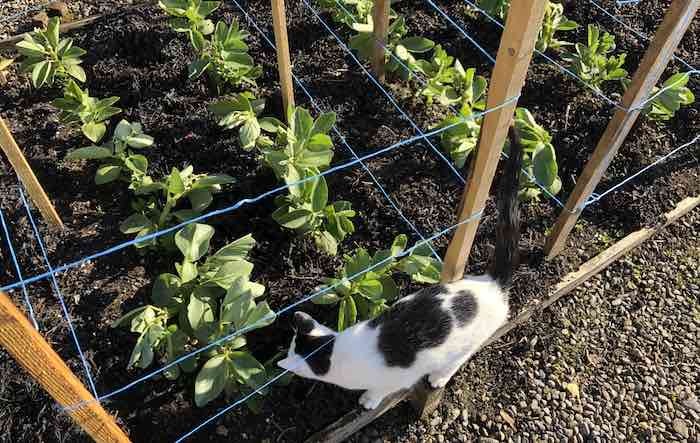
As a rule of thumb, most plants grown in modular trays will be ready to plant out 4 weeks after sowing. The photo below is a tray of cauliflower plants sown at the beginning of April, which are now entering their fifth week in the cell.
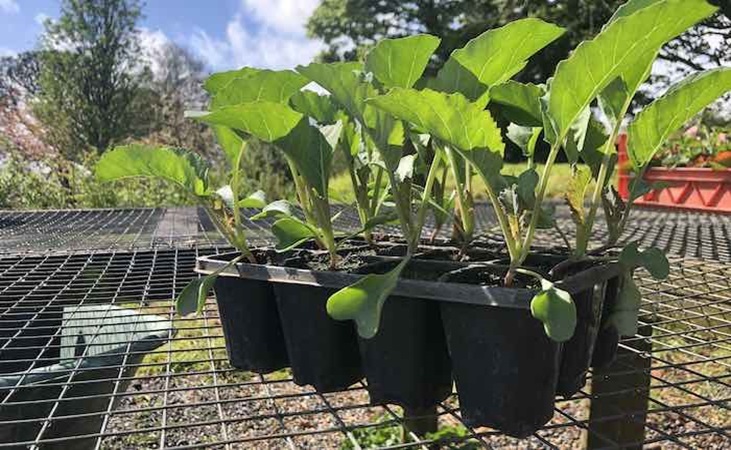
I sow most of my early April cabbage family sowings in trays using a large 5cm module instead of the usual 4cm: this is to allow them an extra few days in the cell if early May is cold. Naturally I am glad I did it this year.
If I remove one of the plugs (below) we can see a nice looking root system that hasn't become pot bound yet, but is just about to get cramped: this really needs to be planted out by the end of the week.
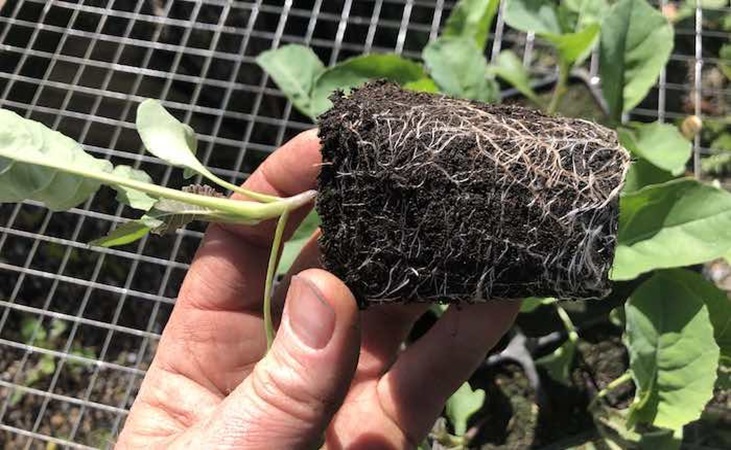
You can see by the colour of the leaves (nice and green) that the plant has not run out of nutrients yet. To my eye they are about perfect for planting now, but by early next week they will start to struggle if I don't get them in the ground.
Remember, the majority of plants can be planted up to their first set of true leaves to strengthen them up, but this is particularly beneficial for the brassica (cabbage) family which usually have a lanky lower stem when grown in a tray.
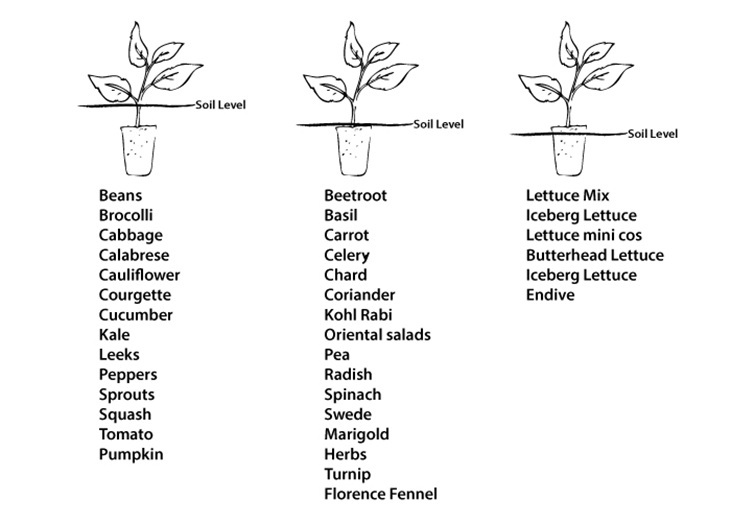
You can see the seed leaves of the cauliflower in the above photo (they are the first two with the long stalks and rounded ends). The true leaves begin just above them, which is where your soil level should be when you plant them out.
Tips on Planting out Seedlings
- When planting out any seedling, make sure to firm the soil in well around the root to get a good seal with the surrounding soil. You don't want big air spaces around the root, or the plant won't be able to take up moisture efficiently.
- Make sure to water well after planting: it is better to take the rose off a watering can and make a little puddle around the root, to ensure there is plenty of moisture deeper down and not just on the soil surface.
- If you are sowing or planting out in dry conditions and the soil isn't moist below the surface, it is a good idea to soak it thoroughly and leave it for a few days before working it.
- While working waterlogged soil leads to compaction and should be avoided, working very dry soil creates such fine particles that it can form a hard crust and become compacted when watered.
- Remember, planting seedlings is a shock to the plant. They will need plenty of water until the roots get established. You are better off planting in cool, dull weather rather than full sun. If you're in a period of warm, dry weather, plant in the evening.
Slugs and Seedlings
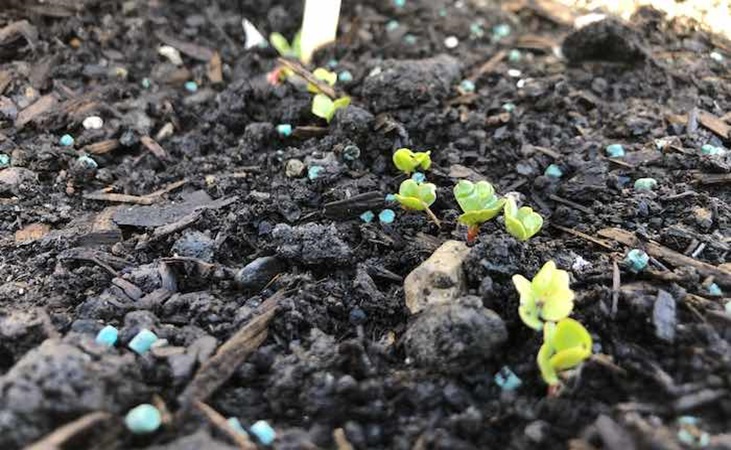
The photo above shows radish seedlings ('French Breakfast' - who has radishes for breakfast?) sown outside on the 23rd of April and just starting to come up under fleece. The little blue pellets are a natural slug killer which I use around most early outdoor sowings, as a single slug or snail can wipe out the lot overnight.
This is one of the reasons I start off so many vegetables in modular trays, but radish, carrot or parsnip don't transplant well and need to be sown direct. In general I avoid any 'killer' products in the garden but do make an exception for these slug pellets which kill the slugs but are harmless to pets, birds or other wildlife even if the slug itself is eaten.

Growing Success Organic Slug Killer
View ProductPlanting Tomatoes and other Warm Climate Crops in the Polytunnel
As we said May is the busiest time in the garden, but it is also a busy time in the polytunnel when most of the warm climate crops are planted into their final positions.
If the weather has been cold recently it might be worth holding off for a week or more (especially with very tender crops like cucumber or melon), but if tomatoes are close to getting pot-bound you may not have any other option but to get on with it.
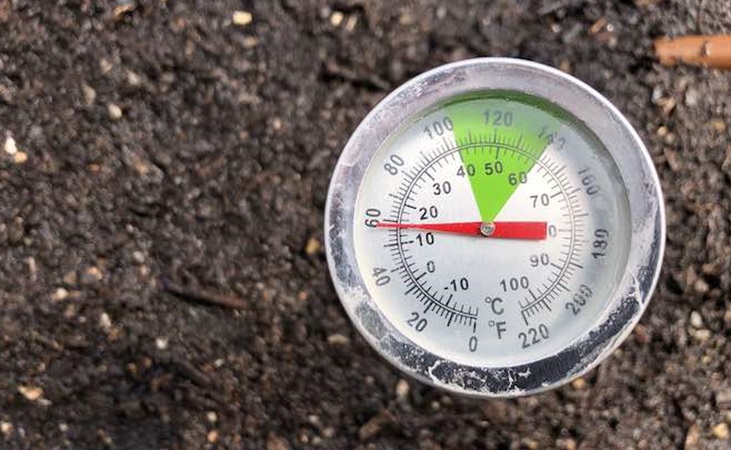
The minimum soil temperature for tomatoes is 14˚C and, if you look at my thermometer above, you will see my soil is exactly 14 degrees so, while on the limit I will go ahead this week. I will be planting them in the morning to give them the day to adjust before the cooler night, and will wrap with fleece at night as a precaution.
Remember, when planting tomatoes they need a lot of feed to produce the bountiful crops we are hoping for. Your soil needs to be in top condition, with plenty of well-rotted garden compost added.

Seafeed Natural Seaweed Extract & Poultry Manure Fertilizer
View ProductEven if this is the case, I would also add a slow-release poultry manure pellet to bolster the nutrient store. The more fertile the soil, the less frequently you will need to add liquid feed later on.
When applying feed, avoid concentrating around the planting hole as this will make roots reluctant to leave this small, fertile patch. You want the roots to spread out and take nutrients and water from as wide an area as possible. The planting distance is a good rule of thumb: it is 50cm all round for tomatoes, therefore you need to feed 50cm all around the plant.
A polytunnel or greenhouse really is a fabulous thing.
Not only can you grow warm climate crops like tomatoes, chillies and cucumbers, but it is also a far superior propagation area than a windowsill (3 times the amount of light), so it becomes the engine room for the whole garden. At this time of year I really fall in love with it.
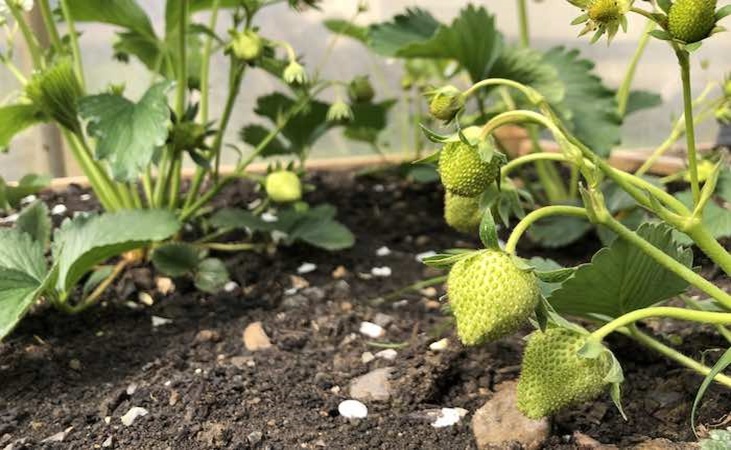
I have been harvesting crops since late January with overwintering salads, calabrese, beetroot and spring cabbage just finished. I have garlic coming close to harvest and early baby carrots (below) which will be pulled at the end of the month. Strawberries are bulking up now and will be ready to pick in a week or two, all way ahead of anything outside.

Small Hobby Polytunnel (3.7m Wide)
View ProductThey are big investments, fair enough; but pay for themselves several times over with what they offer directly and for their support role to the outdoor garden. If you have the room and don't have a covered area already, I would strongly recommend one. It will transform your growing year.