Planting Garden Bulbs
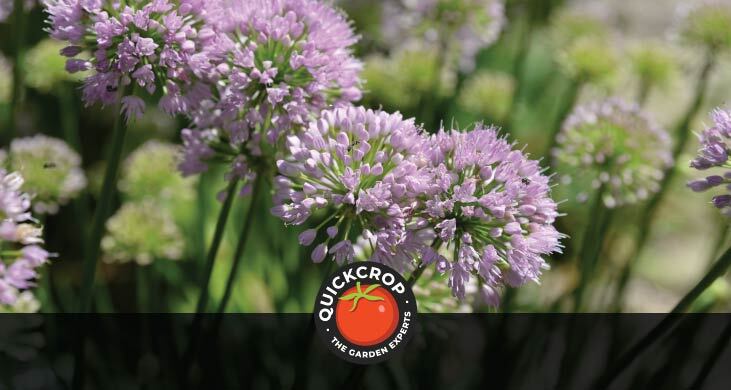
Flowering bulbs are ideal for container gardening or as part of a vibrant garden border. For the most part they are easy to grow for beginners, and with a little careful planning they can provide a beautiful show of colour throughout the year.
Differing varieties of bulb will bloom according to the season: from the early flowering snowdrops and crocuses on to the first glorious splash of colour with tulips, through spring with daffodils and hyacinths before summer brings fabulous alliums and lilies.
You could adopt a planting plan like the following:
Autumn: plant spring-flowering and hardy summer-flowering bulbs (tulips, lilies, alliums)
Early spring: plant tender summer-flowering bulbs (dahlias, begonias)
By late summer: plant autumn flowering bulbs (autumn crocuses or snowflakes)
Bulbs, Corms & Tubers
For the sake of convenience and simplicity, flower types tend to be grouped together under the catch-all term 'flower bulbs'. Flowering plants like crocuses or dahlias don't grow from true bulbs, however, but from corms or tubers.
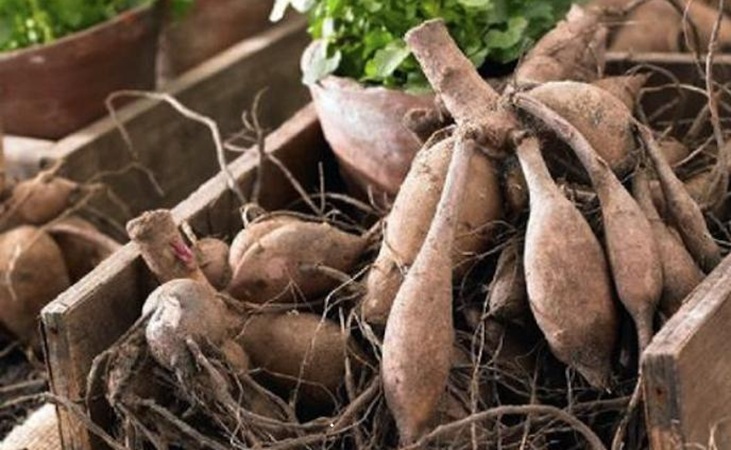
The main difference is bulbs (e.g. tulips, daffodils, onions) are fleshy and have different layers, while corms and tubers are solid all the way through like a potato.
Where to Plant Bulbs
You can plant bulbs in any free-draining area of the garden, avoiding dips and hollows where water may collect. Some bulbs are more hardy than others, and care must be taken with the tender varieties according to local climate, aspect and weather conditions. Most blooms will appreciate some sunshine.

Allium Giganteum 'Ambassador' - 1 Bulb
View ProductAdding bulky organic matter can help clay soils to drain more effectively. Alternatively you can plant in raised beds or containers. Container planting will give added protection and the opportunity to move if conditions prove unfavourable.
Bulb Planting Tips
- Plant bulbs in drifts or clumps to give a more impressive show; formal lines tend to appear isolated with very little depth of colour.
- Bulbs with larger foliage (like daffodils) should be planted among other herbaceous perennial plants to hide the dying leaves as the blooms fade.
- Plant low bulbs in front of taller plants particularly if they bloom at the same time.
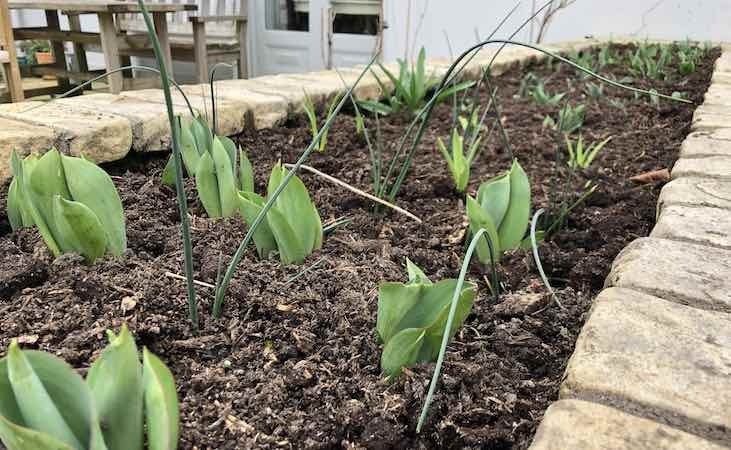
- Try and plan a display that will move through the growing season, allowing each successive bulb variety to take the place of its predecessor as the foliage dies down.
- Plant your bulbs as soon as you receive them (they will arrive in a dry, dormant state with very little roots) and be aware that prolonged storage may affect the flowering later on.
- Generally speaking bulbs should be planted at 2 or 3 times their own depth in free-draining soil.
- Place the bulbs into the ground with the pointy shoot facing upwards.

Hand Held Bulb Planter
View ProductBulb Care and Maintenance
Your bulbs are a store of energy and nutrients, and they shouldn't require much in the way of feeding in the first year if they are planted in reasonably fertile soil.
After flowering, allow the foliage to die back naturally while the plant takes on essential resources which will be stored in the bulb for the following year. Don't cut or tie back the foliage while it is still green. Apply compost or a balanced general purpose fertilizer as new shoots develop in Year 2.
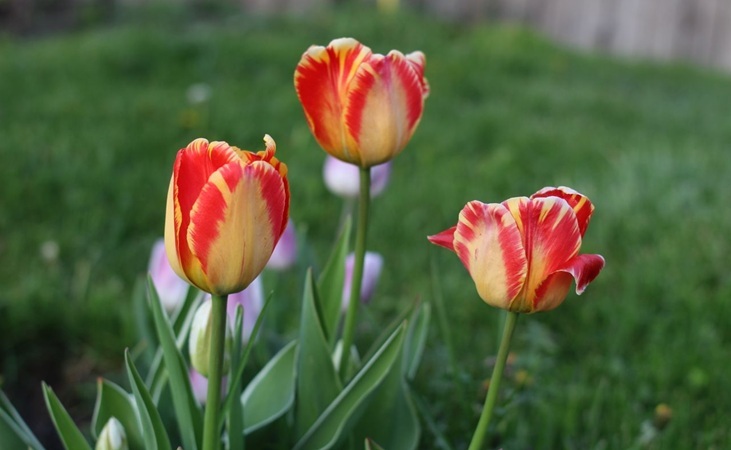
If you are growing bulbs in containers the advice is different as soil nutrients will be more limited. Using a balanced liquid fertiliser when shoots first appear (every 7 to 10 days is a recommended guideline) can encourage vibrant blooms, while a high potash feed is often recommended after flowering.
While bulbs are generally trouble free, the young emerging shoots or foliage can be vulnerable to slugs and snails. Starting flower bulbs such as dahlias in pots allows them to get established, at which point the plant is more able to withstand slug damage. Other techniques can also be used to deter slugs although their effectiveness can vary.

Dahlia Bulbs Collarette 'Edge Of Joy'
View ProductIt's worth noting that some popular bulbs, such as daffodils and tulips, can cause skin irritation when handled so using gloves is recommended. They can also be toxic when eaten so make sure any pets or children are kept clear of the planting area.
Dividing Flower Bulbs
Daffodils, snowdrops and other bulbs that form large clumps can benefit from being lifted and divided when flowering begins to decline or the clumps become overcrowded. When bulbs are congested they are competing for water, nutrients etc which can lead to weaker overall growth.
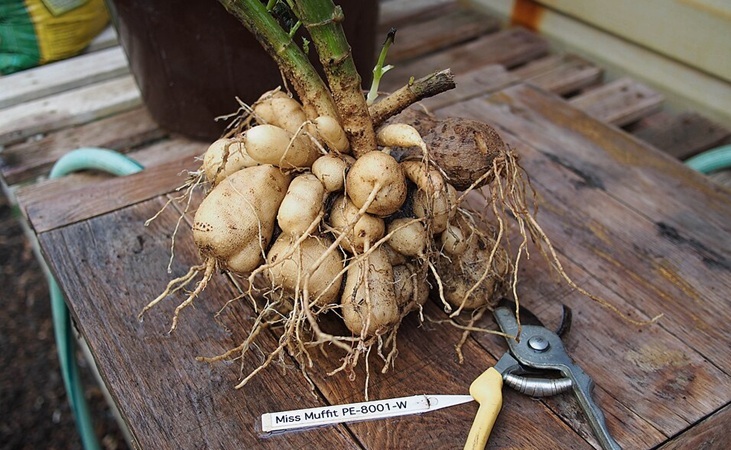
Lift the clumps carefully with a fork and look for small offshoots, offsets or eyes where the bulb/corm etc can be divided. Replant straight away and they should grow back with renewed vigour. How often you should divide will depend on the type of flower as well as growing conditions.
Starting Bulbs in Pots
You can adjust the flowering time of spring planted bulbs by starting them off in pots in early March, or plant them directly in the ground in late April or May (when all risk of frost has passed).
Plants started early will have a headstart on those planted outside - in some cases by up to 6 weeks. The other advantage of starting plants in pots is protection from frost and slugs.

Perlite Compost Improver
View Product- To start plants in pots, use 3 parts multipurpose compost: 1 part horticultural grit/perlite (and use a container with drainage holes!).
- Your pot or container should be 25-30 cm deep for the likes of tulips and daffodils.
- Place in a bright porch or sunroom.
- Water well just after planting, and from then on seek to keep the compost moist.
- If placing in a greenhouse or polytunnel, be ready to cover pots with fleece when a hard frost is forecast.


