Planting Perennial Flowers in Autumn
This week I thought we would take a break from vegetables and look instead at the flowering garden. Some of you may remember my ambitious plans earlier in the year to create a number of flower beds around my house; the plan was to introduce a range of perennial flowers and grasses to appeal to my family as well as the local pollinating insect population. As it turned out, everyone went nuts for vegetable growing this year so most of the plans had to be put on hold, until now.
The Benefits of Planting Perennial Flowers in Autumn
Although most people put in flowering plants in spring for the summer ahead, autumn is actually a very good time to plant up a garden for the following year. As you know from the name, perennial flowers are those that live for several years - so plants started now will flower next season (sometimes the season after) and ideally provide colour and visual dazzle for many seasons to come.
There are some very good reasons why autumn planting can be preferable to spring, so it's surprising more people don't do it. Here's why I think September should be the start of next years' perennial garden rather than the tail end of this one:
1 - Autumn Weather is More Consistent
Spring can be a difficult time for planting, with surprise late frosts or potential dry spells. Early autumn is more likely to have a steady temperature and reliable rainfall to get plants off to a good start.
2 - The Soil is Warmer
Establishing plants are more concerned with soil temperature than air temperature as they develop their root systems. In our Northern latitudes the soil can take some time to warm up in spring. Autumn planted perennials, on the other hand, will enjoy warm soil even if the air temperature is falling.
3 - A Healthy Root System Gives Bigger Plants Next Year
Autumn planted perennials will have had time to establish their roots and will have a head start when spring comes around. They will be further along and will flower more than those put in next year.

Allium Giganteum 'Ambassador' - 1 Bulb
View Product4 - Less Competition With Weeds
At this time of year weeds are winding down rather than winding up. If you have been keeping beds under control in summer, there will be less competition with your new plants for light and nutrients.
5 - Mixing Perennials and Grasses with Spring Blooming Bulbs
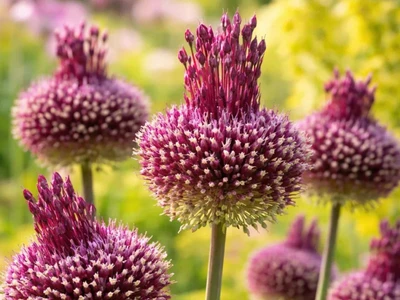
This is the big one for me. Some of the most interesting and visually pleasing plant combinations are achieved with bold, architectural bulbs like alliums (below) mixed with grasses or other more wispy shapes. As spring flowering bulbs are planted in September/October, you are better off getting the perennials in before. If you do it the other way around you may disturb your bulbs.
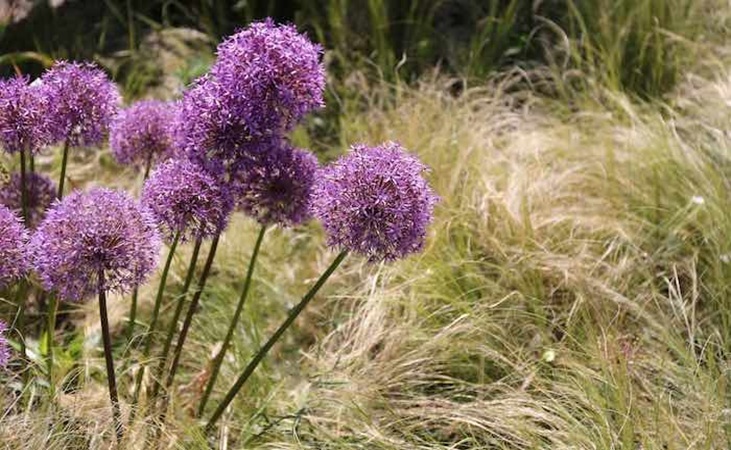
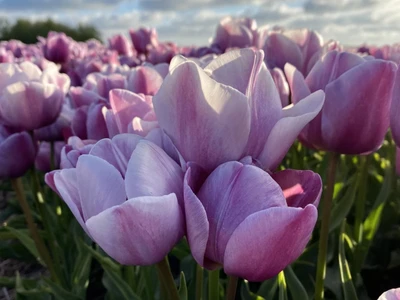
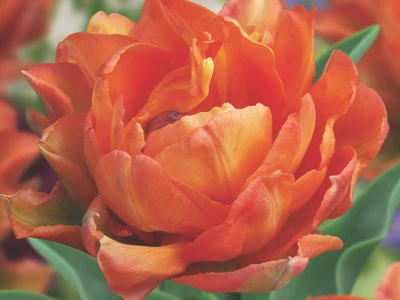
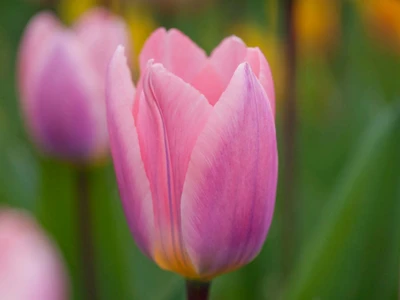
I love bulbs, as - in the case of tulips or daffodils - they are the first to come up in a dull garden and always look amazing. Areas of muted winter colours are suddenly transformed with vivid pinks, purples and oranges as your beds suddenly burst into life. There is an element of fun too when later bulbs like alliums suddenly appear, with their showy white or purple pom poms punctuating the garden.