Preparing the Vegetable Garden for Winter
Right, well it's started to get a bit cold and the leaves are falling so I suppose we will have to admit that winter is coming. I have mentioned it here before that I am not a winter fan. This is primarily because of the short days, when I must slip out to work while it's still dark and come home after the sun has set. I miss being outside.
While I'm not a fan of of winter, I do enjoy preparing for it. There is great satisfaction in harvesting and storing crops in October, protecting beds from heavy rain and generally putting the place in order. Unlike jobs done in the busy growing season, October tasks tend to stay done once they are completed; with minimal weed growth and very few plants that need looking after.
Things will be a little different this year as we have big plans for the Quickcrop garden, which include workers accommodation, a vegetable garden re-design, a new compost area and a wildlife-friendly flowering perennial oasis.
While there won't be much to plant over the winter months, there is a lot of construction going on - so my time will have to be divided between the indoor and outdoor office. I will keep you posted on what's happening. I will probably be moaning that it's too cold and wet and I want to be back at my desk.
Feeding the Soil
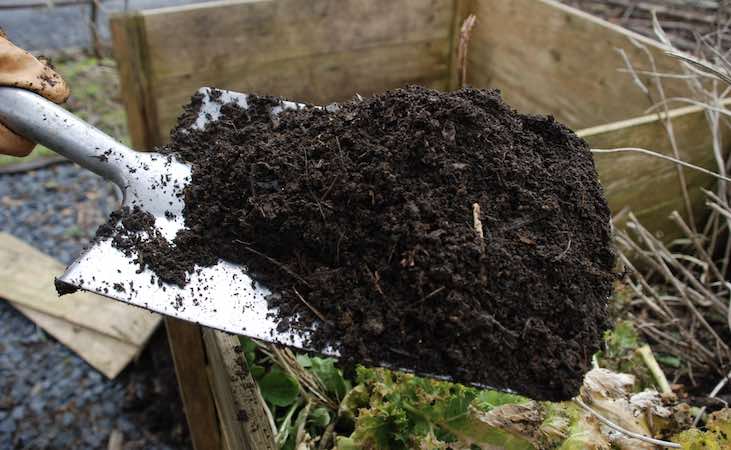
I know I cover more or less the same thing every year, but for the benefit of new growers I think it is worthwhile to go through it again. The main point is that for healthy and sustainable organic growing, we need to feed the soil.
Feeding the soil means behaving in the same way mother nature does and adding organic material to the surface of your beds. In nature, dead plant or animal material rots down with the help of an army of organisms - from invisible bacteria to stuff we can see like earthworms and other creepy crawlies.

Joraform Compost Tumbler JK125 'Little Pig'
View ProductThis dead material is slowly incorporated into the soil, releasing its nutrients as it breaks down and ultimately becoming food for our plants.
One of the key advantages of this gardening method is that nutrients are released slowly over a full season, and at a rate that is in tune with your plant's needs. This means that by adding a generous layer (approx. 5 cm) of good garden compost to your beds in autumn, you will be feeding your plants for 12 months and should not need to top up with additional feeds.
Chemistry Vs Biology
Since the invention of man-made fertilisers in the early 1900s, we have been looking to chemistry rather than biology to feed our plants. On one hand this has made it possible to produce food for an ever growing population, but on the other it can lead to degraded agricultural land and tired soil. While natural biological process (adding compost or manure) improve soil significantly, synthetic fertilisers tend to provide short term nutrients as opposed to fostering long term soil improvement.
Reducing the use of chemical fertilisers while continuing to feed the global population is one hell of a conundrum, but for us home growers it is an easier transition. Any organic material is good (and by organic material, I mean something that was once alive): the most common being garden compost, but also manure, grass clippings, leaf mould or - if you live by the coast - seaweed.

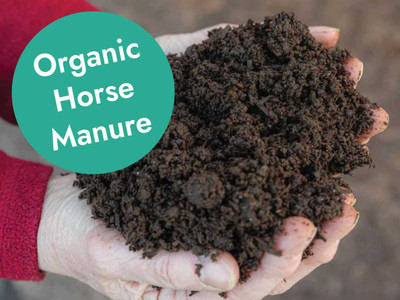
Gee Up Horse Manure Organically Certified 12kg bags
View ProductIt is also worth remembering that the nutrients contained in well-rotted compost or manure are relatively stable (insoluble), so they aren't washed out by winter rain - at least not as much as you might think.
Protecting Soil
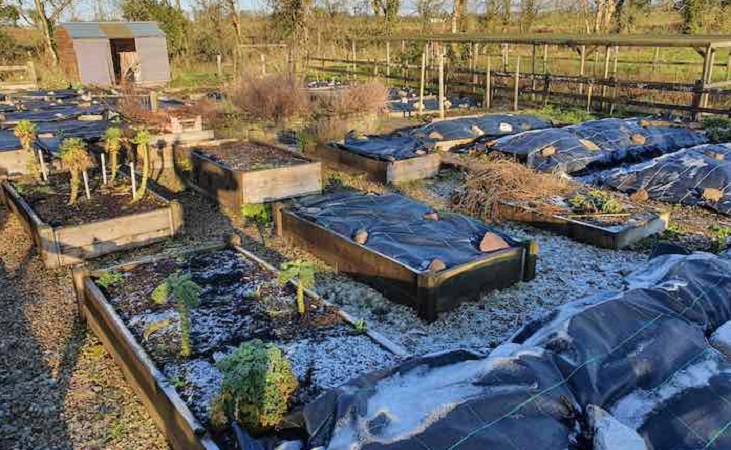
I had been in the habit of adding garden compost and seaweed to my beds and covering the whole lot with black weed control fabric to protect it, but I am not sure about this now. The idea of the fabric was to keep the worst of the rain off, increase the temperature underneath and speed up decomposition. However after comparing covered and uncovered beds, I'm not sure the compost breaks down any quicker.
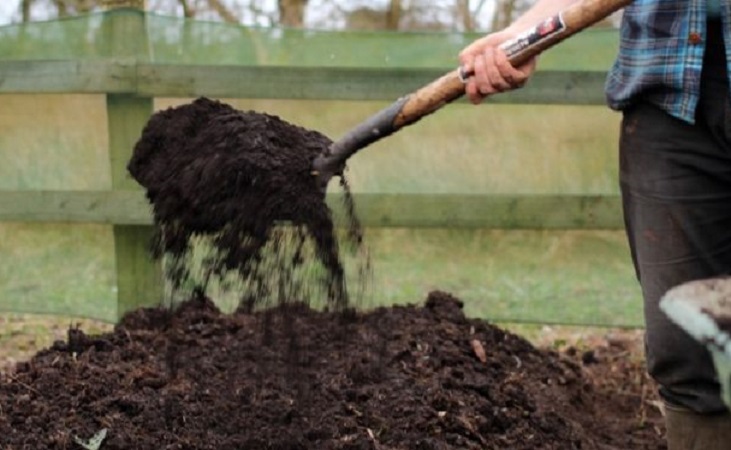
Whatever about the pros and cons of the weed control fabric, it is very important that any bare soil is covered with something - as bare soil will degrade over winter.
A nutrient-rich compost is ideal because it both protects and feeds the soil at the same time. Compost added in the autumn will also break down to a degree over winter, and leave you with a nice tilth to sow or plant into in spring.
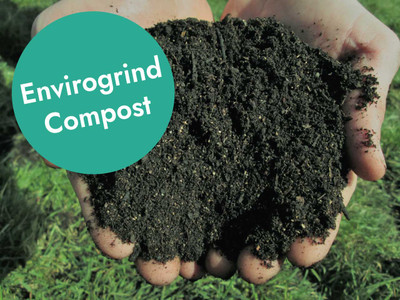
Unless you have been bringing in material from elsewhere to add to your compost heap, it is unlikely you will have enough garden compost to cover your vegetable beds. If this is the case, I recommend (as I always do) Envirogrind compost as an excellent substitute. This compost is made in Donegal from green and fish waste, and is full of nutrients.
As with any commercial grade compost, Envirogrind may arrive a little 'hot' (meaning it has not completely broken down), so again it is a good idea to spread it in autumn to give it a little more time.
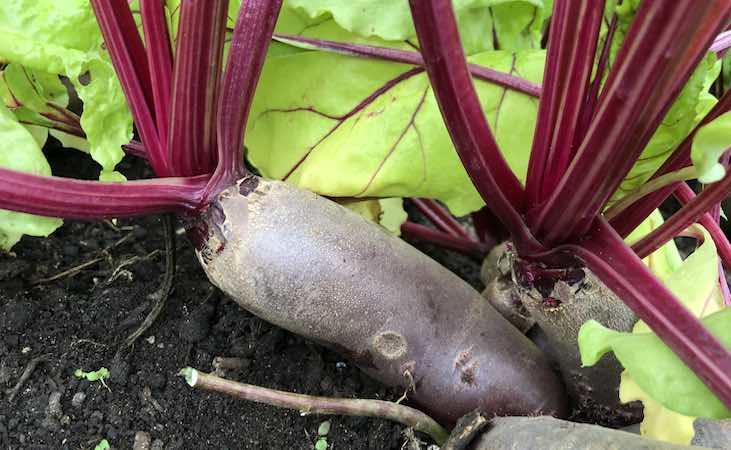
This funny looking beetroot (also in the tunnel) is 'Renovo', a cylindrical root which I am growing for pickling. The advantage of the long roots is that they produce slices of roughly the same size for your pickle jars.
When growing beetroot in the tunnel make sure to keep them watered. If the soil gets dry for an extended period, you can end up with woody roots.

Here's a nice looking crop of sweet Marconi and jalapeno peppers, which I had to pick because I snapped two full branches off when I was weeding. I got plenty of fully ripe sweet peppers this year which was a good result considering there was so little sunshine.
I am thinking of preserving both the sweet peppers in oil (and goat's cheese?) and the jalapenos in vinegar; the mixture of green and red will look great in the jar.

Jalapeno Chilli Pepper Seeds
View Product