How To Grow Broad Beans
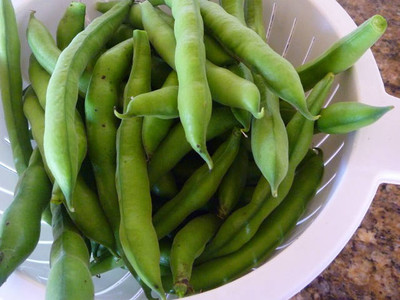
Broad beans are the simplest thing to grow. They are hardy and produce a large crop of delicious beans. I prefer to pick them young for a sweeter bean which are lovely tossed into a salad. You can eat them (pods and all) when young (4-5 inches), or pop the bigger ones and extract the beans by running your finger through their fluffy insides.
Many people also peel the outer skin from the bean, but I feel life is way too short for that. Try stir frying the beans with a little chilli and spring onions for a quick and tasty side dish.
There are 2 types of broad bean, 'Longpods' and 'Windsors'. They are both hardy but longpods are hardier, so suitable for overwintering or early sowing. The Windsor varieties are not as high yielding but are viewed by broad bean connoisseurs as having a better flavour.
Recommended Broad Bean Varieties:
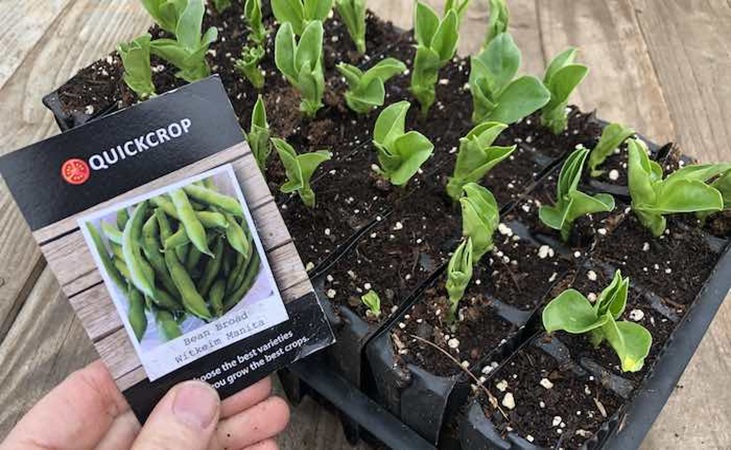
Witkeim Manita The variety of broad bean seedling we grow in our nursery, Witkeim Manita is a quick and easy cropper. It's a high-yielding and very hardy variety, producing compact pods with roughly 5 beans per pod. A great option for spring sowing.

Witkeim Manita - Broad Bean
View ProductAquadulce Claudia A good variety for November or early December sowing due to its formidable cold hardiness. Reliable yields of delicious white seeded beans in pods up to 23cm long.
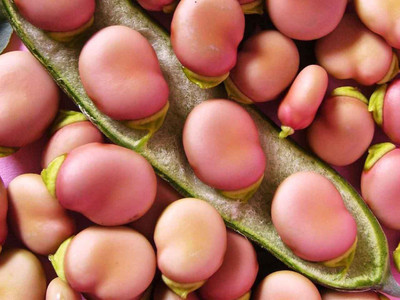
Karmazyn A newer favourite of ours, not least due to the novel pink colour (which turns a shade of purple when cooked). Karmazyn has a compact habit and can grow as high as 60cm.
Masterpiece Green Longpod A spring variety and winner of the RHS Garden of Merit Award, Masterpiece Longpod produces up to 7 beans per pod, with excellent flavour; pick when young for the most tender beans. High yields over a long harvesting period.
When to Sow Broad Beans
Broad beans are one of the earliest crops you can grow in the garden or start off in modules (the latter is preferable if you want to avoid giving mice a free meal).
Alternatively, by sowing in November you can have beans as early as May, but I must say I have never have great success with this. If you do go this route, cloches, mini-polytunnels or fleece are worth keeping on standby just in case the temperature drops.
When sowing broad beans you should make sure you have the correct variety for autumn or spring sowing; check the pack for sowing instructions or advice. Aquadulce Claudia, for example, is very suited to an autumn sowing (September until early November) and will happily overwinter.
Germination Temp: 14˚C+
Germination Time: Up to 2 weeks.
Site and Soil
Broad beans grow best in a sunny situation, sheltered from winds. They enjoy rich, moisture-retentive, well-drained soil.
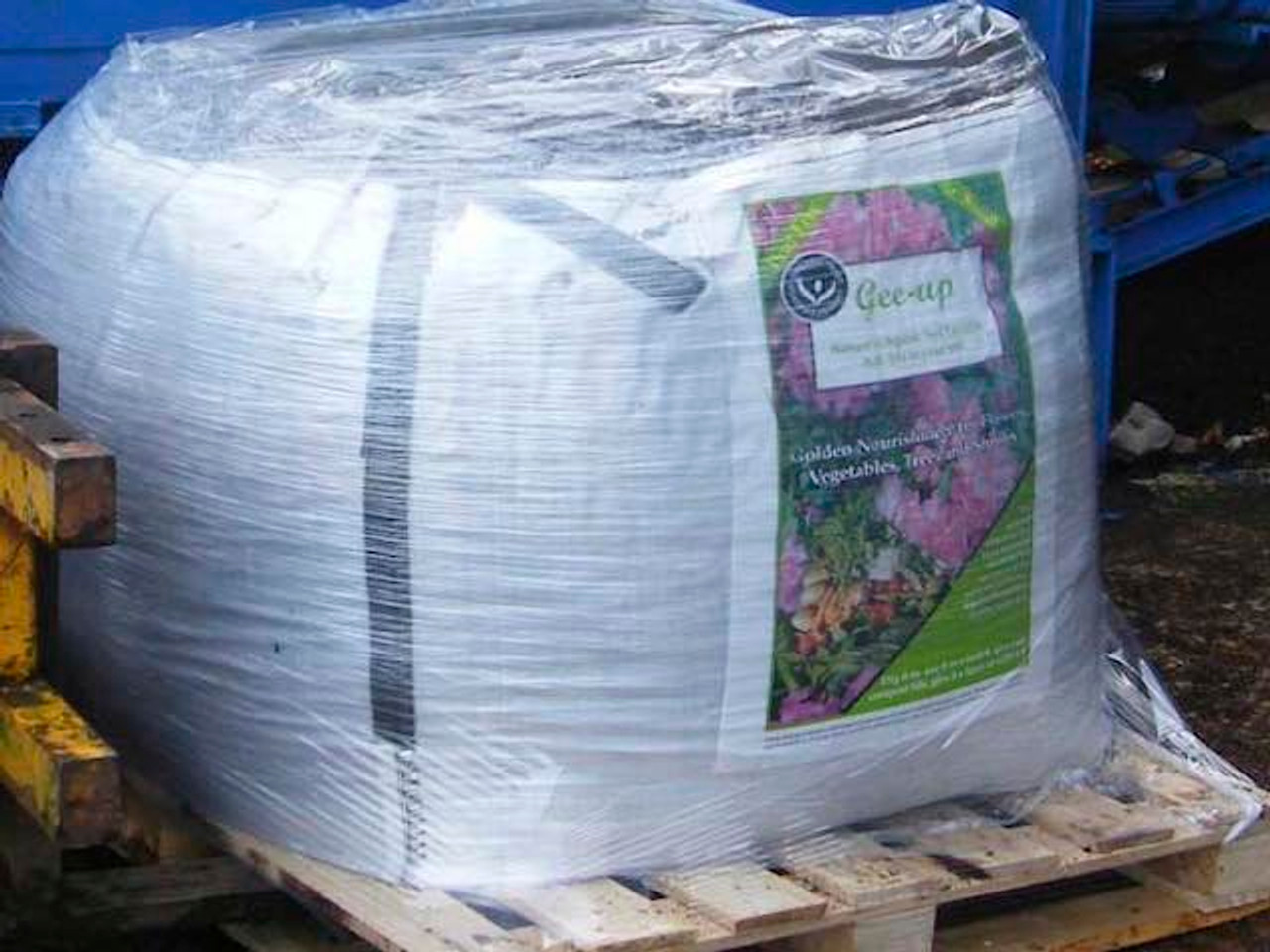
Gee Up Horse Manure Organically Certified - Bulk Bag
View ProductSoil preparation
Prepare the planting site by digging over and adding leaf mould or well-rotted manure. Choose the broad bean variety that suits your needs: e.g. hardy cultivars for early autumn sowings or dwarf broad beans for windy areas.
Further Reading: How to Make Leaf Mould: A Free And Natural Soil Improver
Sowing Seeds Directly in Soil
Sow outside from late February until late April. Your soil should be well dug and reasonably fertile.
Spacing
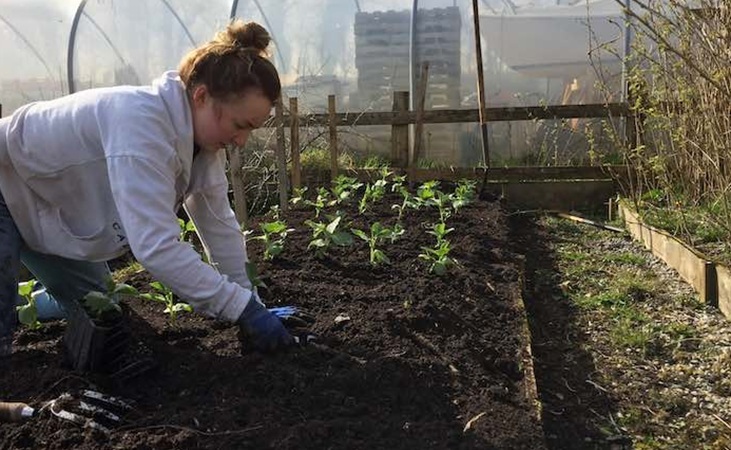
Sow your beans in 5cm deep drills, at a spacing of 15cm between plants and 45 cm between rows.
Drills are mini trenches scooped in prepared soil in which you plant your seeds. Don't forget when you scoop out your drill that the soil piled either side will make it look a little deeper than it actually is.

The Chillington Ridging Hoe (Azada) With Handle
View ProductSowing Broad Beans Under Cover
Sowing broad beans under cover can give more reliable germination, especially if you have trouble with waterlogged or frozen soil or even pests like mice. It also means you can choose to plant them out on a day when conditions are perfect.
Module sown beans will be ready 4 weeks ahead of those sown outside, giving you an extended harvest time. Broad beans germinate quickly in trays and are vigorous growers, so make an optimistic start to the season!
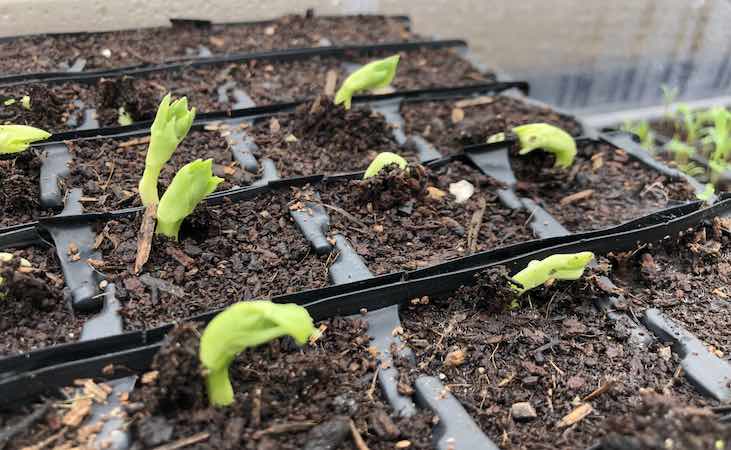
From mid-February until mid-April, sow one per cell in a 6 cell modular tray filled with a good multi-purpose compost. Sow in a tray with a size of 3 inches in each module.
Alternatively, rootrainers can be a great way to propagate broad beans. These reusable modules are designed for deep-rooted crops like broad beans and other legumes. the great advantage is that the extra depth (as well as grooves on the inner walls) helps the roots to keep growing straight instead of reaching a dead end and beginning to curl.
Broad beans are very cold hardy, but they will need a little heat to assist germination if the weather is cold: either on a warm windowsill or in a heated propagator. For November or early December sowing, use the variety Aquadulce claudia.
You can use any good multi purpose compost (Please use peat free compost if you can get it).

Transplanting Seedlings
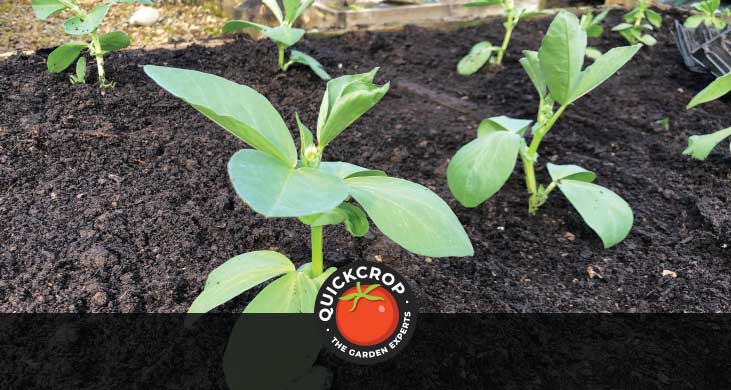
Harden off before planting out: It is important to get your plants used to outside temperatures by leaving them out during the day for the week coming up to planting time.
To plant out your seedling, make a hole in the soil the approximate size of the seedling 'plug'. You need to push the soil in around the roots firmly with your fingers to get good contact with the soil. Don't firm down on the top of the soil, as this can compact the surface and prevent moisture getting down to the plants roots.
Watering Broad Beans
Water deeply once or twice a week after planting (in the absence of rainfall) but do not soak.
Common Pests and Diseases
Blackfly
The most common pest affecting broad beans is blackfly. You will see small black aphids crowded around the growing tip (top of the plant).
How to Avoid: When the bean plant is fully grown and has started to produce beans, the tip can be removed as a control method. If your beans suffer from blackfly when still young, spray with an organic pest control spray.
Chocolate Spot
Chocolate spot is likely to affect beans later in the season; you will notice characteristic brown spots on the leaves.
How to Avoid: Good drainage, air flow and soil fertility is good preventative practice. Beans sown the previous autumn or in February (in modules before planting out) should have produced good harvests before this common broad bean disease hits in summer.

Broad Bean Supports and Crop Care
As the plants grow, you will need to stake them to prevent the fragile stems from bending or breaking and pods being damaged. Broad beans are tall, top heavy plants, and will likely fall over in strong wind or heavy rain.
To support them you can build simple 'boxing ring' style structures with twine. You're best to do this before the plants have filled out. Stake after the seedlings are up, about 12 inches in height, and use anything from pea sticks to bamboo with string to support the plant.
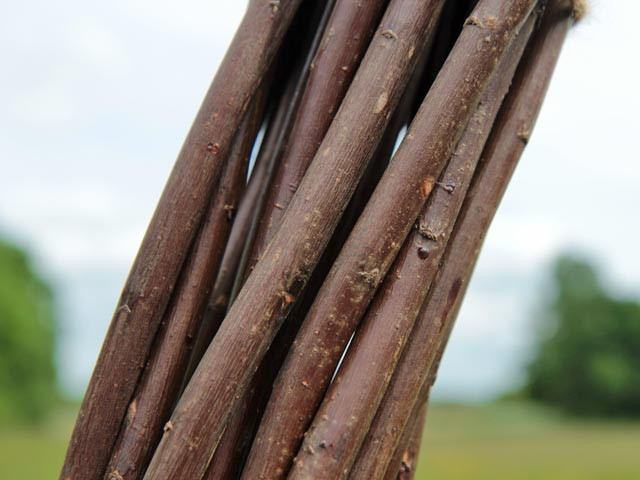
Twisted Willow Bean Sticks (10 Pack) - 180 cm
View ProductIf you have broad bean seedlings that have got a bit tall and gangly, you can bury the first set of leaves and stem to produce a stockier plant; otherwise the stems can break on a windy day.
Dwarf varieties will need less space and less staking, and are well worth considering - especially on windy or small sites.
Harvesting Broad Beans
You should be harvesting your beans from June till August. Pods can be harvested early at about 2-3 inches long; you can cook these whole without removing the beans. For shelling, pick the pods at about 6 inches long: you don't want the beans to reach their full size because they will become large and tough.
Pick from the bottom up when ripe, and continue to harvest frequently. Finger-thick beans can be eaten whole, or wait until the pod bursts open to harvest the fully ripe beans inside. You should be able to pick them once or twice a week, so keep an eye on maturing beans.
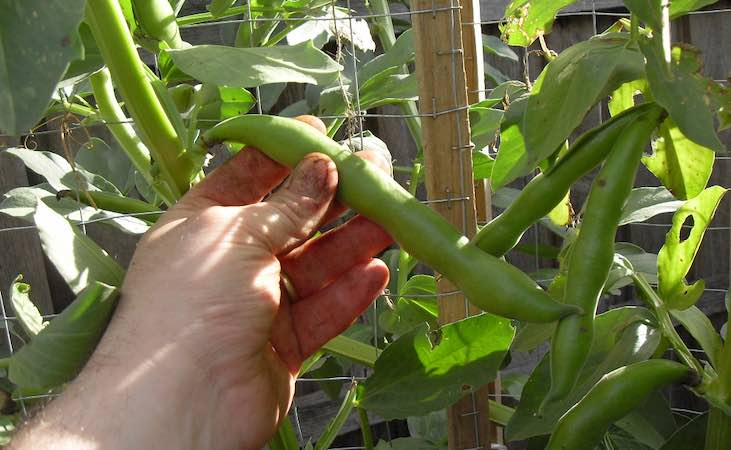
Remove the pods from the stem using a sharp downward twist. Pulling without twisting can damage the stem and encourage disease.
Broad beans are members of the legume family, which take nitrogen from the air and store it in their roots. Leafy plants like cabbages, broccoli and sprouts love nitrogen, so they are ideal crops to plant in the bean space the following year.

Karmazyn Broad Bean
View ProductWhen cropping has finished and you have no more beans, cut the tops down to ground level but leave the roots in the ground. The roots will rot down and release their stored nitrogen into the soil.
Broad beans are great for storing. You can dry or freeze the beans. To freeze, pick fresh, pod, place in a plastic bag and freeze. To dry, pick, pod and lay out the beans in a dry place. Leave beans to completely dry and store in an air tight container. These can be sown next year or re-hydrated for use in cooking.

Bean, Broad 'Aquadulce Claudia'
View Product