How to Grow Claytonia
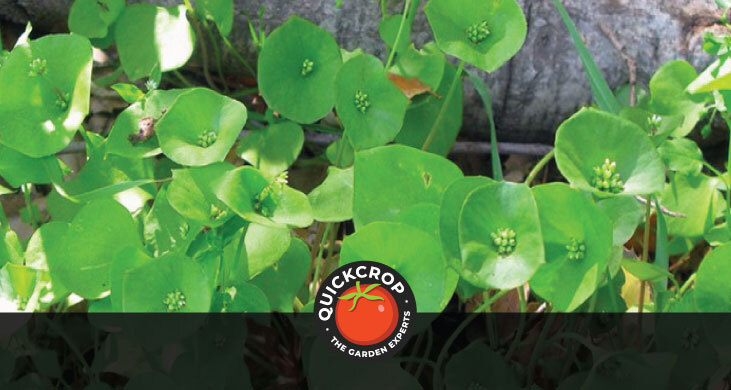
A hardy cool season salad crop, Claytonia also goes by the names 'winter purslane' or 'miner's lettuce' - the latter because it was believed to be used by miners to stave off scurvy during the California Gold Rush. The wildflower database also lists it as 'Springbeauty'.
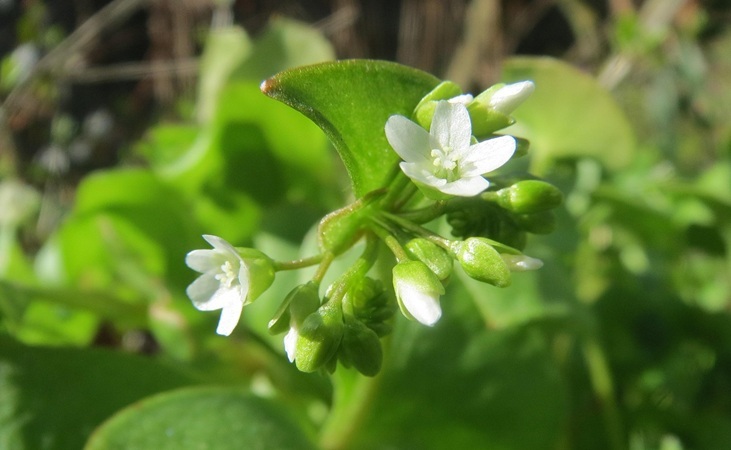
This is a distinctive plant, as much a flowering annual as it is a vegetable crop. It's also not something you're likely to find in your local vegetable section due to its very short shelf life. The fleshy, almost succulent leaves have a saucer-like appearance and the stem extends outwards, eventually producing small delicate white flowers.
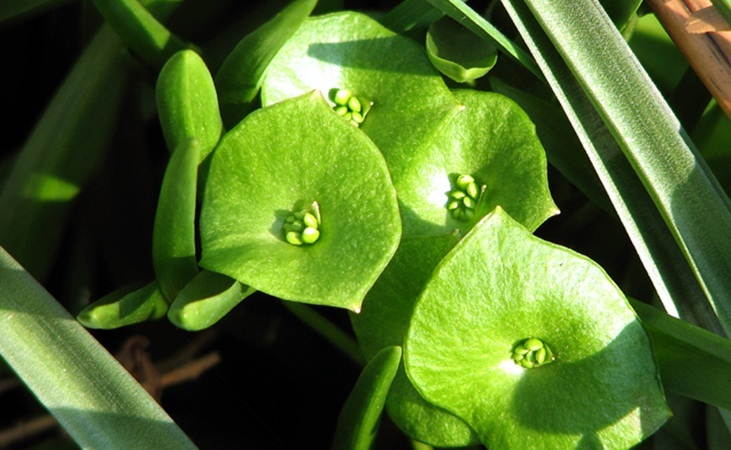
The leaves have a mild, spinach-like flavour and are a good source of vitamin C, while the stems and flowers are also edible.
Claytonia is a great option for the autumn and winter polytunnel (or outdoors if you don't have one), as it can be planted up to October and will produce leaves through to early spring.

Claytonia 'Winter Purslane'
View ProductWhen to Sow Claytonia
Claytonia can be sown earlier in the year but it's at its best when planted in autumn, providing a welcome source of winter greens when garden activity has slowed to a crawl. Sow from August to September (or early October under cover).
Site and Soil
Claytonia is not fussy; it can do well in partially shaded areas. It does require a consistently moist soil; this may not be much of an issue growing outdoors in an average winter but keep an eye on soil moisture, especially when growing undercover. The soil (or container) shouldn't be waterlogged either, so ensure good drainage.

Sowing Claytonia
- The seeds can be sown direct (in shallow depth drills) or in modular trays to be transplanted 3-5 weeks later.
- For the former sow seed in shallow drills, watering the drill thoroughly beforehand.
- Sow densely for baby leaf production or space the seeds apart by about 1 cm if you plan to grow full mature plants.
- If growing in a modular tray, sow 2 or 3 seeds per individual module; these can then be planted out as a 'clump'.
- Keep the surrounding soil moist to aid germination. Claytonia germinates best with soil temperatures below 12 °C.

Charles Dowding 15 Cell Plant Tray
View ProductThinning Seedlings
Once established the seedlings can be thinned to around 10 cm apart (this spacing also applies to transplanted tray-grown seedlings). Thinning can result in a larger plant, but this may not be so necessary if you are planning to harvest baby leaves or 'cut and come again' style.
Plant Care
The plant is cold tolerant but fleece should be used if there is a heavy frost forecast - particuarly when grown outdoors.
The seedlings are attractive to slugs; growing under a cloche or removing any nearby slug habitats can help.
Harvesting
The leaves can be cut individually for salads as soon as they are large enough. You can also harvest the whole head using a scissors - cut a few centimetres above the base of the plant and it will continue to produce.

Kent & Stowe Universal Garden Scissors
View ProductContinue harvesting the leaves until the plant starts to flower in early spring. Remember that the flowers are edible also. Stems will reach up to 8 inches high when flowering.
The leaves are at their best when eaten fresh, and should be used within 2 to 3 days as they don't store well. If you do want to keep them longer, wrap in a paper towel and refrigerate.
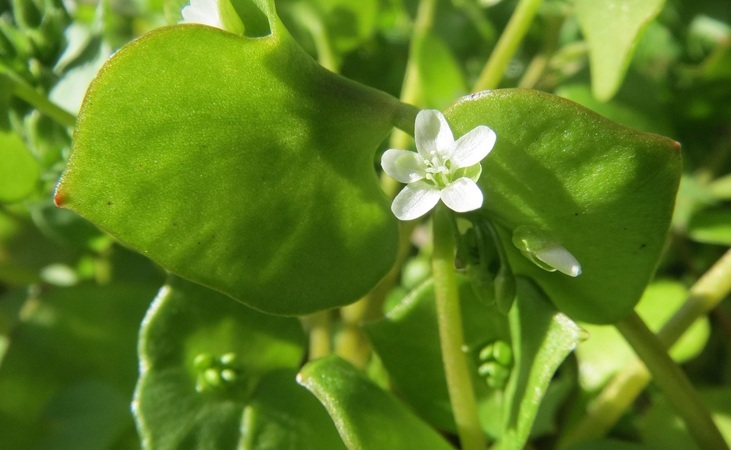
Once established Claytonia is a prolific self-seeder, and can eventually form 'carpets' of foliage - indeed it can act as a low-growing cover crop for smaller areas, and the foliage can be dug in as a green manure in spring.
Growing Claytonia in Containers
Like many salad crops, Claytonia will do very well in containers, window boxes, raised planters etc.
- Use peat free multipurpose compost.
- Container should have drainage holes.
- Choose a wide container (30 cm or so) with a depth of around 15-20 cm.
- Scatter seeds thinly and then cover with a light layer of compost.

Vegepod Medium Raised Bed Complete With Cover
View Product- Keep compost or growing medium moist.
- Thin seedlings to around 10 cm apart.
- Watch out for waterlogging or for the container drying out.
- Move the container under cover if a hard frost is forecast.