8 Beneficial Green Manure Crops
As peak homegrown harvesting season winds down and your vegetable garden enters a period of relative dormancy, it's a good idea to turn your attention to winter preparation - and particularly how you can protect any areas of bare soil over winter.
If a follow-on crop isn't planned after harvesting, it is important to cover the ground to prevent nutrients from being lost and the area becoming colonised with weeds.
Green manure crops like clover, phacelia or vetch are ideal for winter ground protection; they protect the soil structure while also suppressing weeds, as well has having other potential benefits.
(I don't have any specific cover crops sown this year but I do have clumps of nasturtiums, nigella, and cornflower which I will leave in the beds for the soil protection they provide.)
Related Article: What are Green Manures?
1. Crimson Clover
Sow: April to September
There are a few different types of clover, including white and red varieties. While it'd be handy to group them all together, their characteristics can differ when it comes to using them as a cover crop or green manure.
Red Clover (Trifolium pratense): short-lived perennial with deep roots
White Clover (Trifolium repens): low-growing perennial with a spreading habit
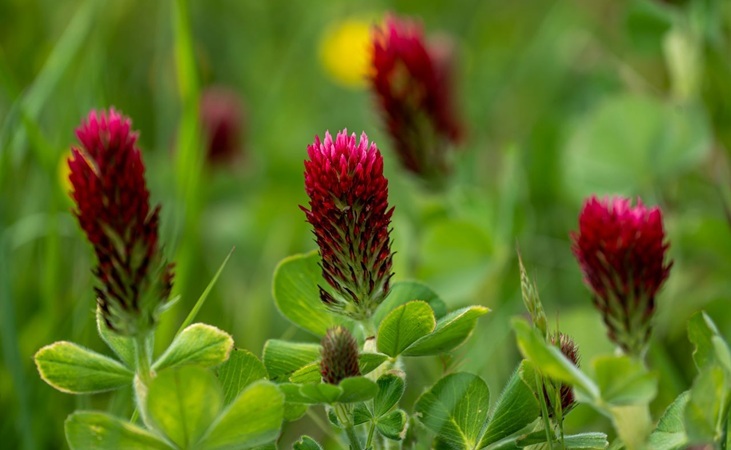
Crimson Clover (Trifolium incarnatum): fast-growing annual
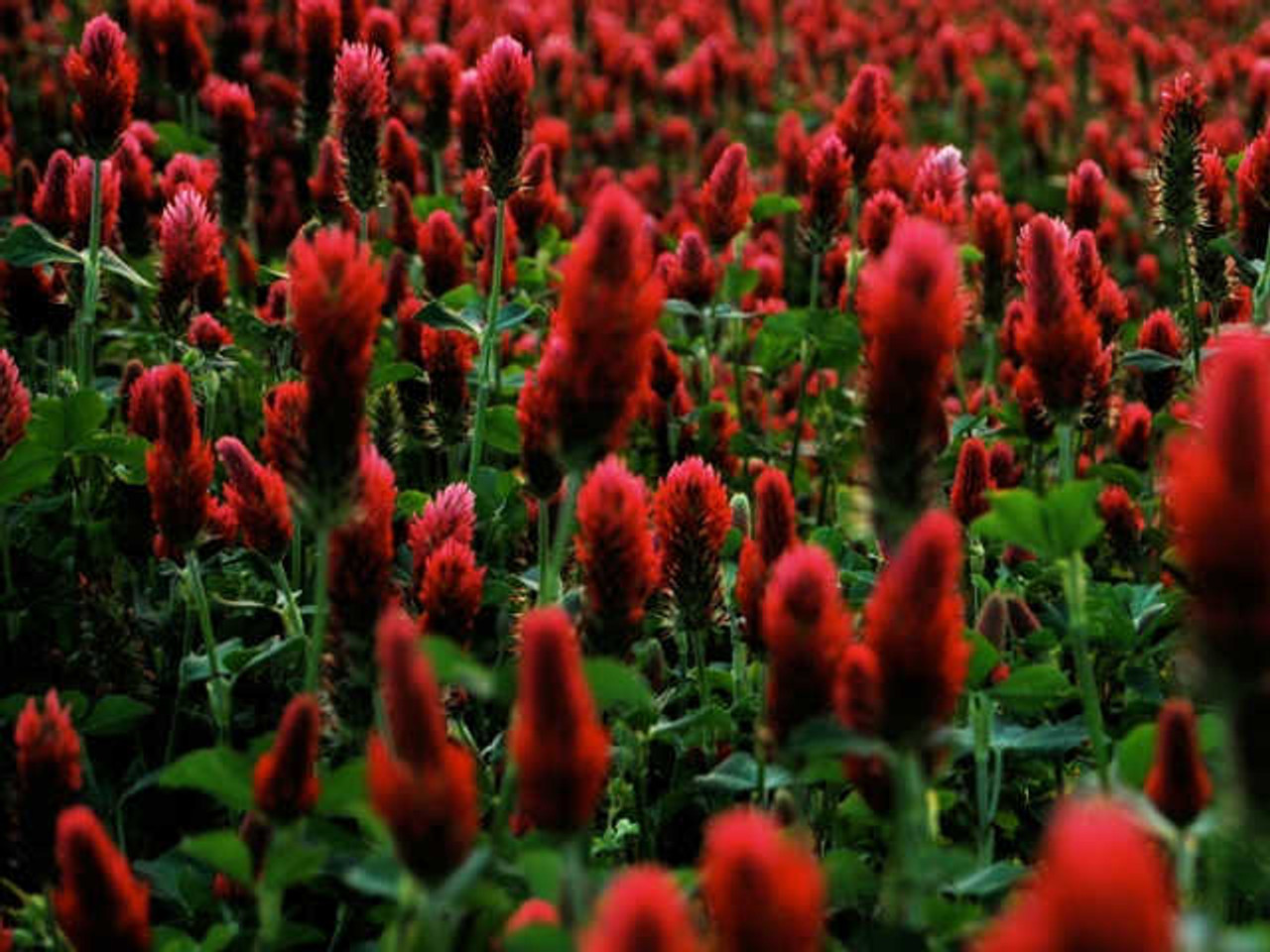
Crimson Clover is a fast-growing crop which is an effective nitrogen fixer, so it's perfect for adding some 'va va voom' to your garden soil. It provides very good ground cover which helps smother weeds, and its root system helps to prevent erosion and nutrient runoff.
Green Manure Clover 'Kardinal'
View ProductCrimson clover can be sown between April and September, with late summer or early autumn sowings recommended for good winter ground cover. Earlier sowings will flower in the same year. Note that crimson clover is not fully winter hardy, and can be killed by a hard frost - but in many cases it will survive into spring. The more established it is before winter the better.
The flowers are very attractive to bees, ladybirds and other beneficial insects. When you have cut back and given the foliage time to break down (3-4 weeks), follow with greedy, nitrogen-loving plants like cabbage, kale and broccoli.
Clear ground of weeds before sowing, as clover is a poor competitor with weeds in the early stages.
2. Phacelia Tanacetifolia
Sow: April to August
Pretty Phacelia is a very quick-growing annual green manure that can be sown successfully from March until September. The plant grows up to 1 m in height and is tolerant of cold temperatures, so should survive the winter if it's not too severe.
Phacelia is particularly good at smothering weeds, and it has an extensive root system which improves soil structure. It will self seed easily, so if using it as a green manure it's a good idea to dig it in before it flowers.
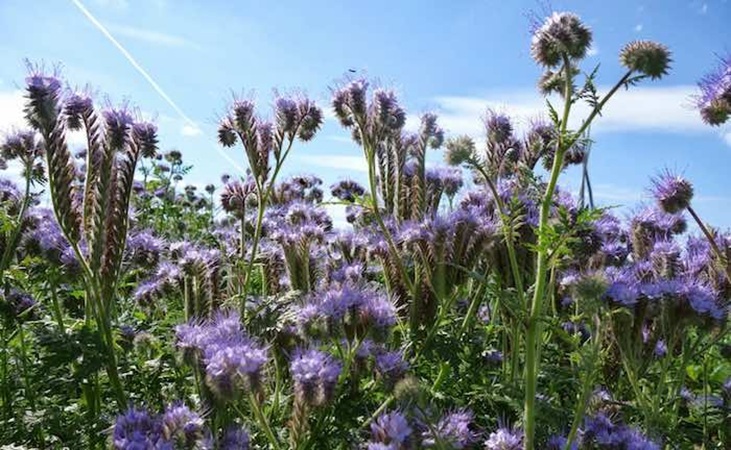
If you are covering a spare patch of ground for a longer length of time let it flower: they really are beautiful. Flowers will appear 6-8 weeks after sowing, and will remain in bloom for 6-8 weeks more.
Phacelia is an excellent flower for attracting honeybees and hoverflies. it can be sown near the vegetable garden to attract these beneficial insects and help keep your aphid population under control.
3. Field Beans
Sow: September to November
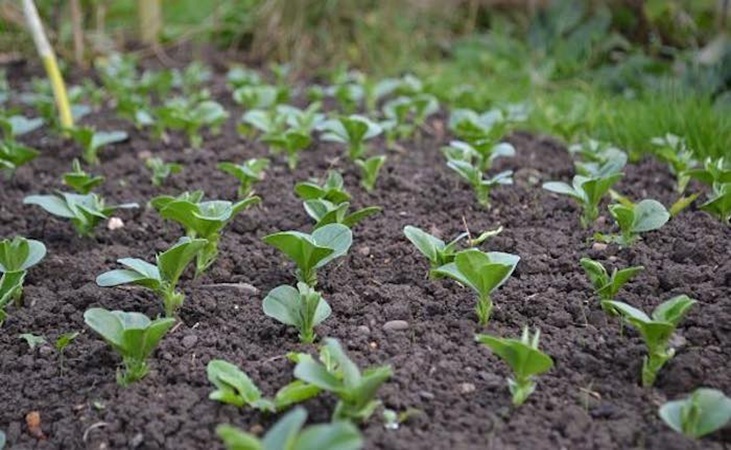
Field beans are an excellent overwintering green manure which are usually winter hardy in temperate climates (unless it's a very cold winter). It germinates easily in the cooler weather from September to early November, but can be sown earlier if you wish.
Overall a very popular choice, and a perfect green manure if you're growing cabbage, kale, brussels sprouts and any other green leafy crops. You can either cut the plants down in the spring and dig in, or cut down and re-grow if you're not ready to cultivate your plot.

Greenman Forged Wavy Edge Shears
View ProductIt is best to dig in before flowering: about 3-4 weeks before the new season's planting. It will not tolerate drought conditions - so not a big issue in Ireland these days!
4. Winter Tares (Vetch)
Sow: July to September for overwintering; or March to August for digging in
Vetch is a group of flowering plants that belong to the pea family; they can be grown for a variety of purposes including grazing and biodiversity (the flowers are very attractive to pollinators). Depending on the specific vetch type the flowers can range in colour from purple to pink.
Winter vetch is planted in late summer and autumn, but it can be planted earlier in the year if you wish to cut it back and dig into your soil before winter. The plant establishes quickly, suppressing weeds as it forms a dense ground-cover foliage.
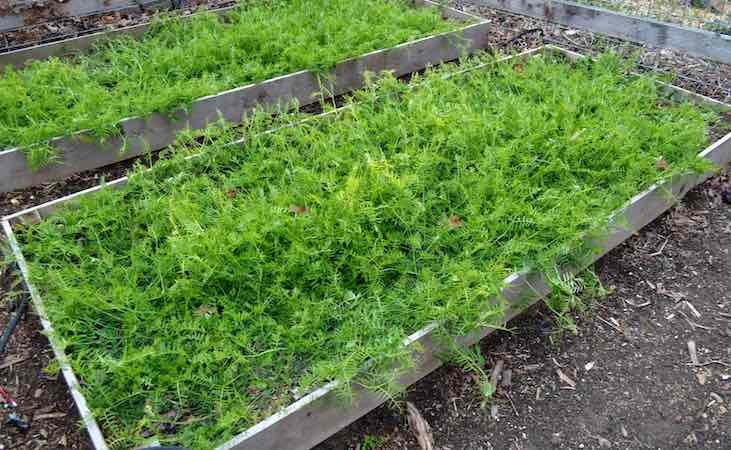
Nitrogen is stored in the roots, which should be dug in with the rest of the plant in the spring. Follow with nitrogen-loving crops like leafy greens and members of the Brassica family. Cut or hoe the crop down (this is best done before flowering, when stems are softer and break down quicker) before digging in the whole plant 4-6 weeks before the ground is to be used.
Vetch can inhibit seed germination so make sure you stick to the 4-6 weeks (this is only an issue for seeds, so planting seedling plants straight after digging is fine).

Green Manure Winter Vetch (Tares)
View Product- Sow seed at approximately 16 g per square meter.
- Scatter on the surface of the soil, then rake in and tramp down.
- Vetch is a member of the legume family, so should be rotated with other members of that family.
- Vetch doesn't like acidic soils, so choose another crop if this is an issue in your garden.
5. Buckwheat
Sow: April to August
Buckwheat is a quick-growing green manure ideal for covering the soil in summer/autumn. It's attractive to beneficial insects in addition to its value as a cover crop.
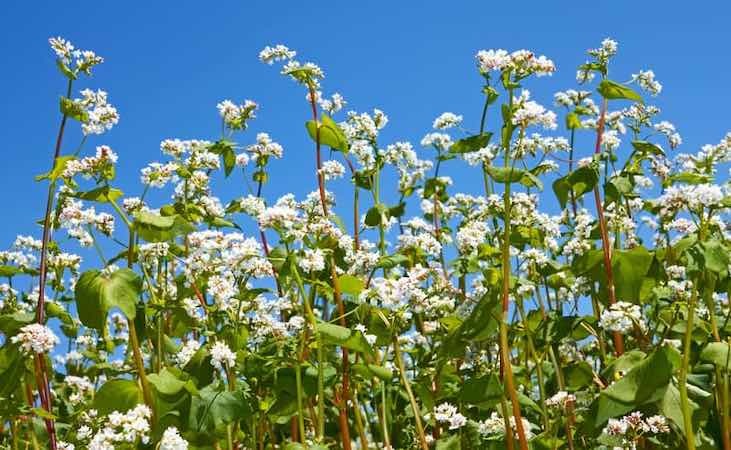
Buckwheat germinates in 3 to 5 days, and by 4-6 weeks it will have established a dense canopy of foliage that smothers and out-competes weeds. When cut back it rapidly decomposes to improve soil structure and add valuable organic matter.
As a soil improver buckwheat works best if you dig it in while young, before tough woody stems are formed: the latter will take longer to break down.

Green Manure Buckwheat
View Product- Make sure to dig in before it goes to seed, as it re-seeds very easily and can become a bit of a pest.
- Clear the area of weeds (especially perennials), and rake soil to a fine tilth.
- Broadcast sow the seed and rake in to a depth of 1 cm. It can also be sown in rows 20 cm apart.
- Firm the soil and gently water. Keep moist until seed has germinated.
Buckwheat grows well on poor soils, and is tolerant of acidic conditions.
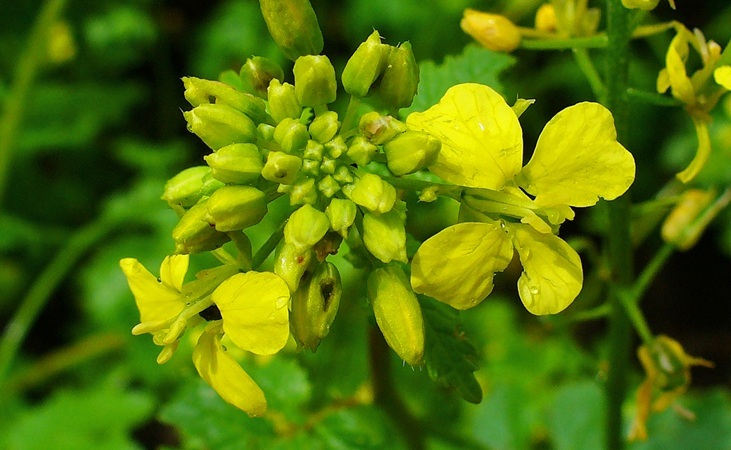
6. White Mustard
Sow: March to September
White Mustard is one of the quicker growing manures and can be sown between March and September. This annual is half hardy and is happy in most soil types. Its main benefit is the production of large amounts of stems and foliage: very good if your garden soil is lacking in organic matter.
The plants reach maturity after 4-8 weeks growth, when they should be chopped and dug into the first few inches of your soil. Let the mustard plants reach about 40 cm - when the first flowers appear - before digging in. Note that the plant will usually be killed by a hard frost, which should make the task easier.
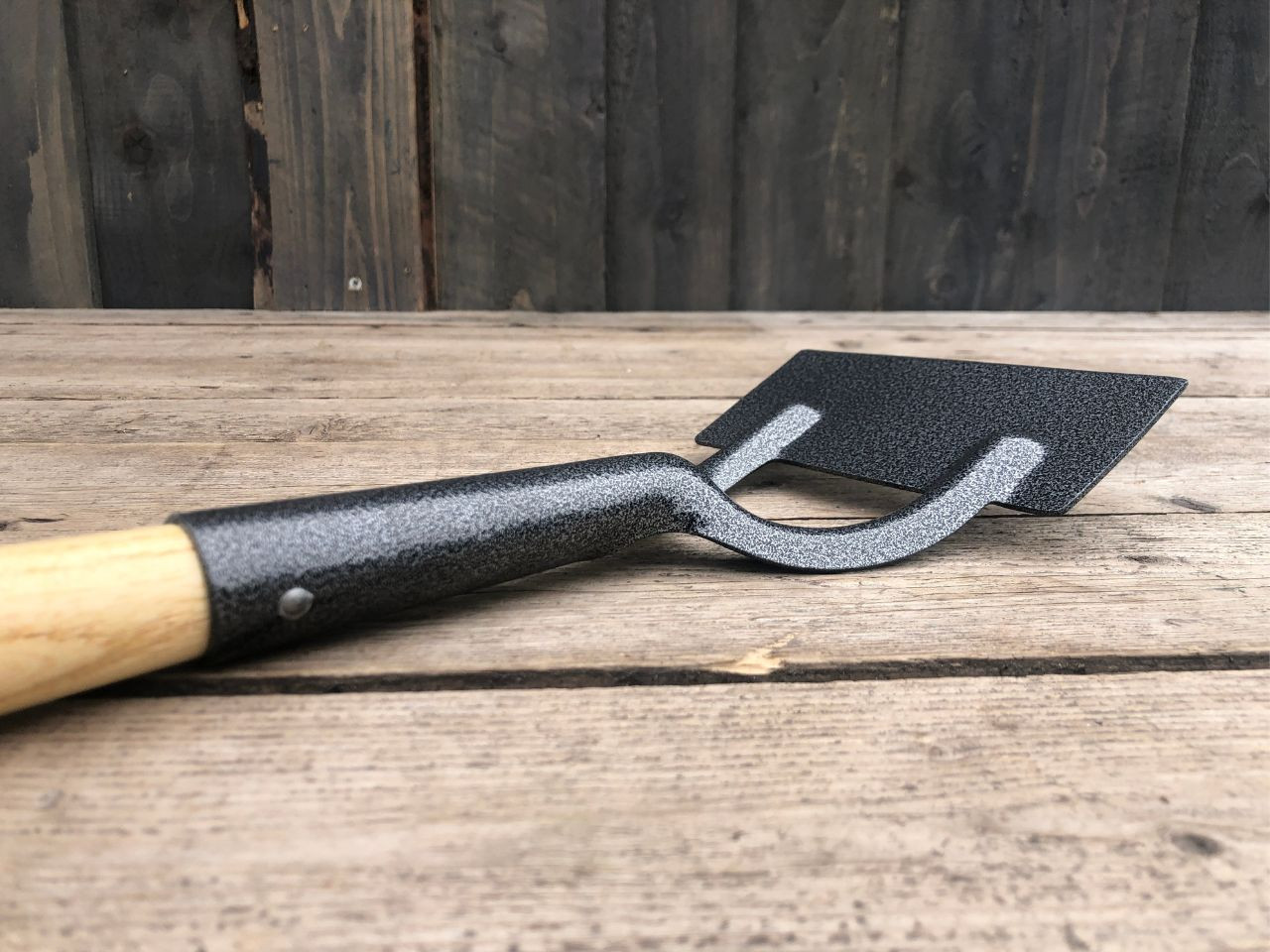
Workman Dutch Hoe (Long Handled)
View ProductRemember that mustard is part of the brassica family and should be included in the brassica rotation to avoid diseases like clubroot and other related diseases.
7. Grazing Rye/Cereal Rye
Sow: August to November
Grazing rye is a hardy, fast-growing green manure that is particularly useful for protecting bare vegetable beds over winter. It can germinate at temperatures as low as 4°C, making it a good option for later sowings when many other green manures are no longer suitable.
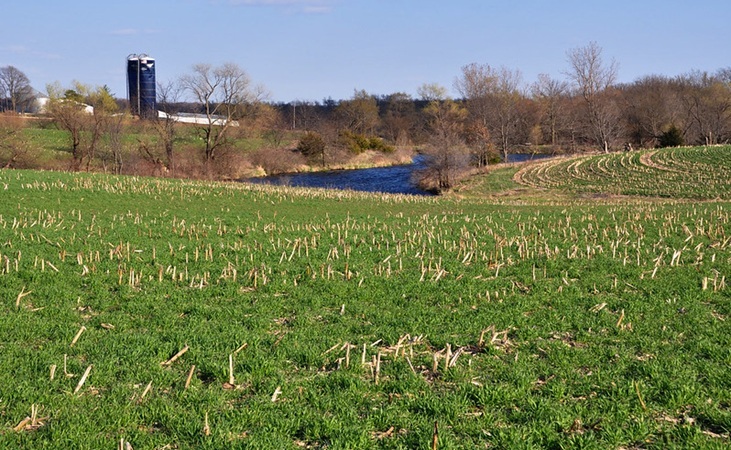
Its dense growth helps suppress weeds, while its extensive root system improves soil structure and helps prevent nutrients from leaching out of the soil during wet weather. Grazing rye is especially useful on ground that won't be needed for planting until the following spring.
One thing to bear in mind is that rye can take longer to break down than softer green manures, so allow sufficient time between cutting it down and planting your next crop. It can also inhibit the germination of small seeds (this process is known as allelopathy), so make sure to leave a few weeks between incorporating it and any direct sowing.

Workman 16 Tooth Steel Rake
View Product- For best results, broadcast the seed onto a prepared seedbed, rake it in lightly and firm the soil.
- In spring, cut the crop down before it produces seed and incorporate it into the top layer of soil, or leave the cut material on the surface as a mulch.
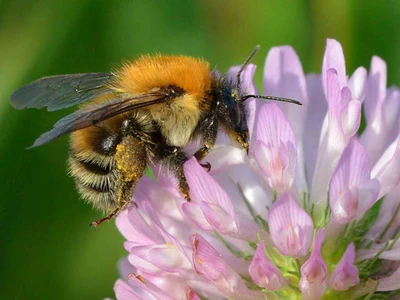
8. Red Clover
Sow: April to September
Often used for silage production in Ireland due to its high protein content, red clover is very effective at fixing atmospheric nitrogen as well as suppressing weeds.
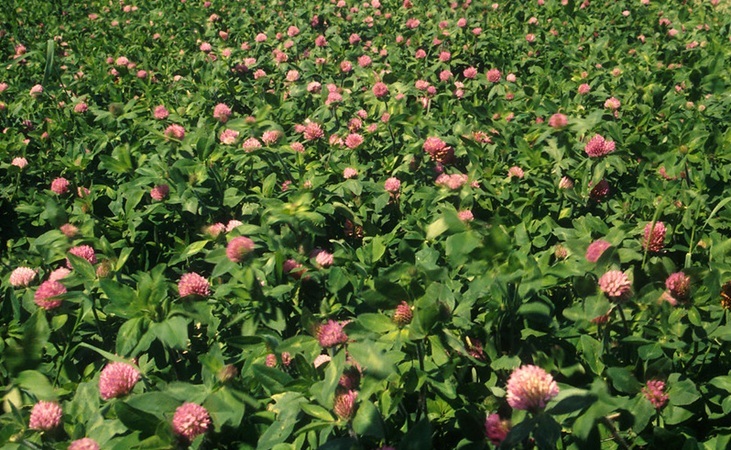
Red clover grows fairly tall (30-50 cm) and produces lots of leafy growth, which means plenty of organic material when it comes time to cut it back. Leave for a month or so before planting in the bed or soil.
For ease of digging in cut before it flowers, although the flowers are pollinator friendly - definitely cut it before it seeds. Also be aware that as a perennial it can grow back after cutting; uproot the crown as this is where fresh growth will 'stem' from.

Green Manure Clover 'Rozeta'
View Product