
Bat Friendly Gardening
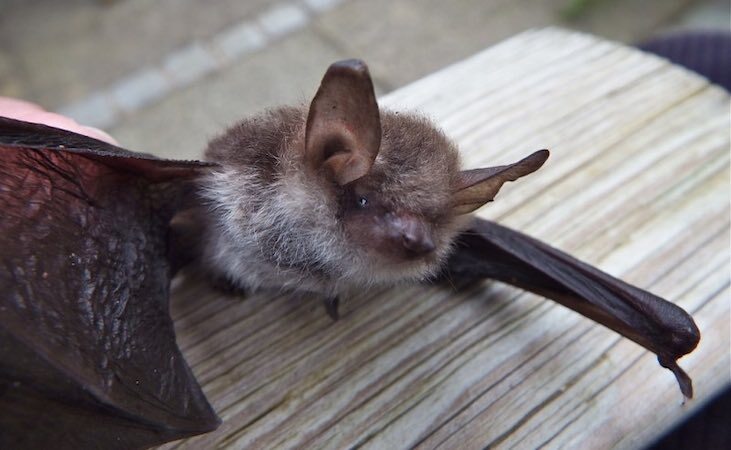
The fact that it took me 15 mins to find a 'nice' looking photo of a bat gives a good indication as to why most people don't like them. Add in their association with vampires, death and all things supernatural - and the myth that they want to get stuck in your hair - and you can see why this furry creature of the night isn't as popular as it should be.
The truth of the matter is that bats have no interest in any part of us, including our hair. They are, however, a very important part of our ecosystem.
Bats and Natural Pest Control
It may not be such a big deal for you, but for me the bat's role as an insect predator is very interesting: especially the fact that a single Pipistrelle (the most common Irish bat) may eat up to 3,000 midges in one night.
Bats may not be interested in flying around our heads but midges certainly are, and (in my experience) love nothing more than a trip into your eyes, ears or up your nose. My garden is particularly bad on summer evenings, where clouds of these tiny biting insects make gardening pretty much impossible.

Woodstone Harlech Bat Box
View ProductI also note that bats eat caterpillars, so I wonder do they fancy the cabbage white species that devour the leaves of any member of the cabbage family? (The cabbage white butterfly itself is safe from bat attack, as nearly all butterflies are only active in daylight.)
This is not the case for some other winged garden 'pests' including codling moth (apples), onion leaf miner or leek miner moth and pea moth, all of which fly at night.
A study in 2015 which included placing bat boxes in rice fields showed an immediate and significant decline in moth numbers. In fact, farmers that built bat colonies in their rice fields found that after 5 years, they no longer needed to use any pesticides at all!
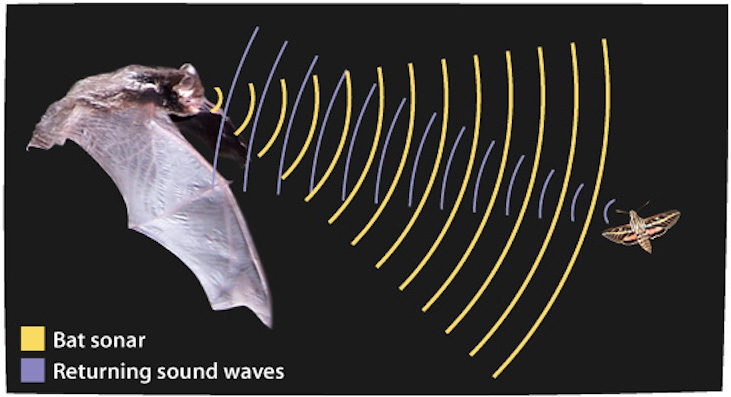
The bats eat an impressive number of rice moths (80 to 100% of their body weight every night) but, because the moths are tuned into the bat's echo location bursts, the mere presence of bats causes the moths to modify their behaviour.
A bat determines distance from an object by emitting sonic bursts and then measuring the time it takes for the sound to bounce back. When prey (e.g a moth) is identified the sonic bursts increase in frequency (from 10 to 200 beats per second) to make the location of the moving object more accurate.
The moth has sensibly evolved to recognise the sound of 'missile lock' (see Top Gun) so it can take evasive action, but it has also been shown that exposure to bat sonar causes the female moth to lay up to 50% fewer eggs. Therefore the bats’ impressive pest control tally includes both what they eat and what they don't eat, as their hunting sounds have both a direct and indirect effect on moth numbers.

Edible Hedge Pack Mix - 25 Pack
View ProductGardening for Bats
Bats aren’t going to be drawn to bright plants in the same way that bees or butterflies are. If you want to encourage bats into your garden, the best approach is to think less about the bats themselves and more about what they eat. The margins or edges of your garden or outdoor space are important as well.
Attracting Insects: the Main Food Supply for Bats
Wildflower meadows are a rich habitat for insects - and in turn a valuable foraging area for bats. However much wildflower habitat has been lost to agricultural or other land uses.
Depending on how much space we have available to us, we can go some way to mitigating this habitat loss by creating a tall or medium growing meadow, a garden wildflower patch, hanging baskets, or even just a small area of the garden left to grow messy. This in turn will attract an array of insects such as moths, midges or beetles - and a reliable food supply for bats.
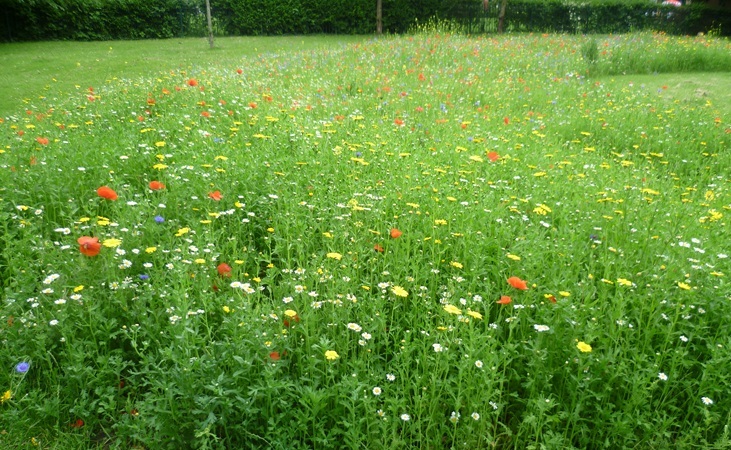
The idea that bats are good for ‘pest control’, so you attract them to your garden by attracting insects themselves, may seem somewhat counterintuitive. But the presence of bats will provide a natural balance and should keep potentially troublesome insect populations in check; whereas an overly manicured garden on the other hand can be more susceptible to sudden outbreaks - and more reliant on chemical solutions or control methods.
Other garden ‘additions’ that will attract plenty of insects include log piles or leaf piles. Leaving hollow tree or shrub stems after pruning (as opposed to cutting everything back) will also provide overwintering sites.
Avoid Pesticides
Bat Conservation Ireland have pointed to pesticides as one of a number of threats to bat populations; it is obvious that trying to eliminate or reduce insects from our gardens or living spaces has a knock-on effect of reducing possible food sources for bats.
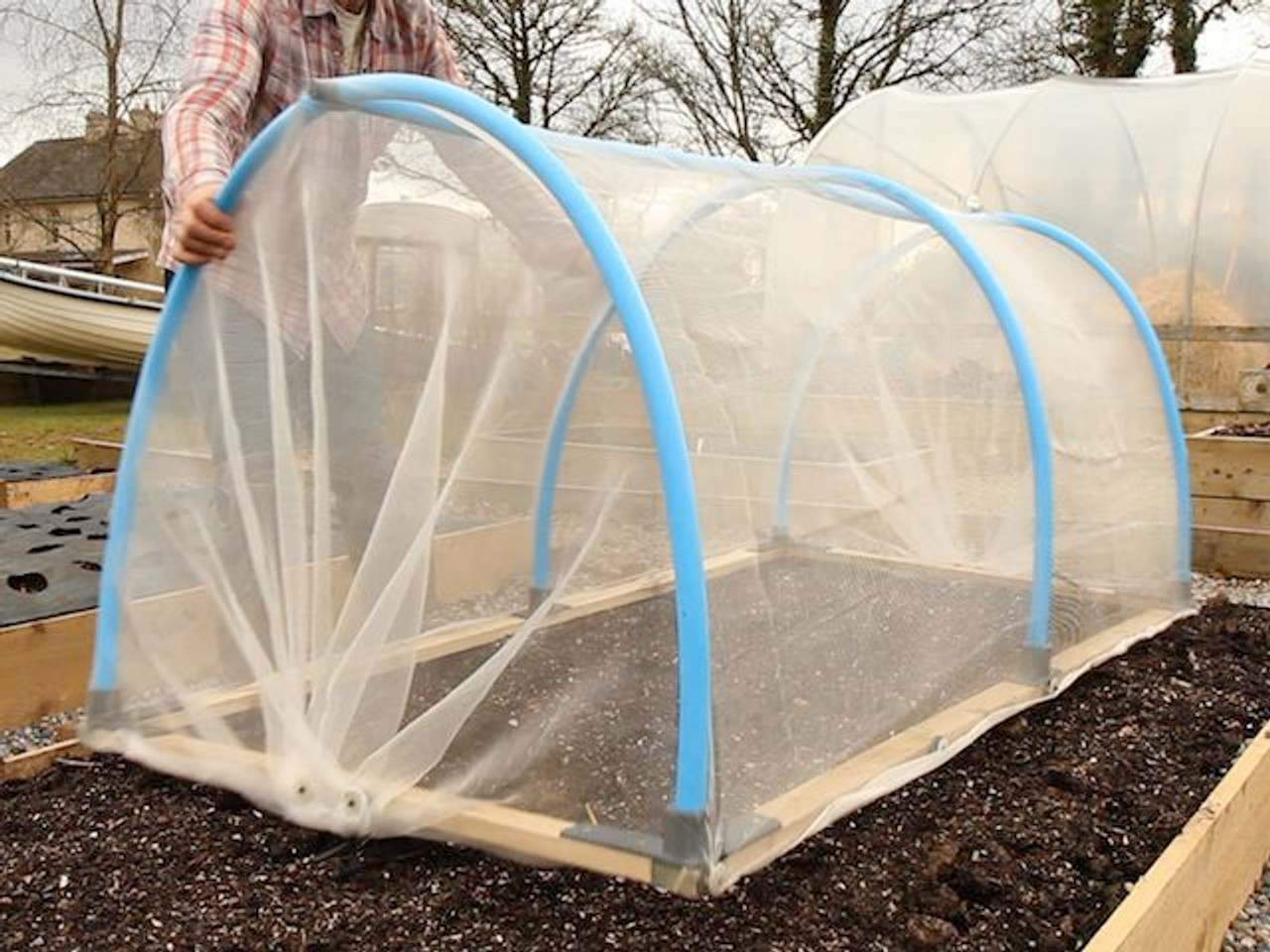
Complete Mini Polytunnel Kit With Mesh Net Cover
View ProductInstead we should aim for a natural balance in our gardens, and (if needed) opt for alternative insect control measures such as physical barriers, hand removal or ‘trap crops’.
Are There Bat Friendly Plants?
If you want to plant specific bat-friendly plants, go for night scented flowers such as the following:
- evening primrose
- honeysuckle
- night scented catchfly
- night scented stock
- sweet rocket
- white jasmine
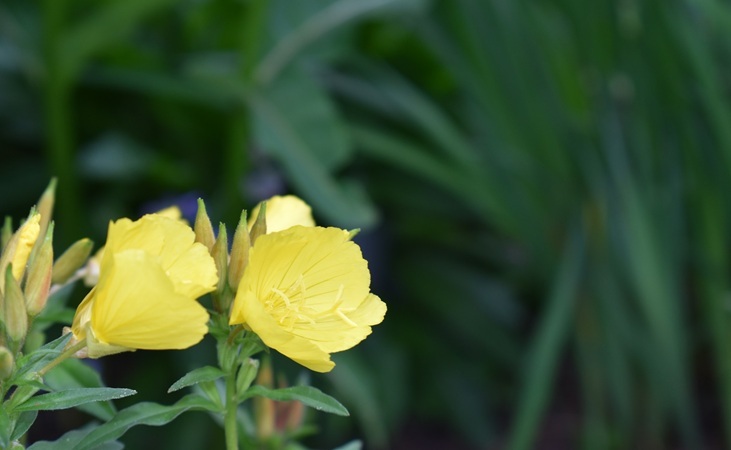
All of these plants either open or release scent at nighttime to attract moths for pollination (or from the bat's point of view, for dinner). Pale coloured flowers are also easier to spot in low light.
In general a biodiverse, pollinator-friendly garden with multiple plant species (as well as some wild or unkempt areas) will benefit bats. Indeed, bats are an ‘indicator species’ in that a healthy presence of bats in an area is a sign of healthy biodiversity.
Native Hedgerow
Many varieties of hedgerow will, of course, attract their fair share of insects - but the benefits to bats don’t end there. They can also provide potential roosting sites or shelter from predators, as well as aid navigation.

Common Hawthorn
View ProductBats use hedgerows - as well as woodland edges, bodies of water etc - to navigate their way around the landscape in search of food or roosting areas. These are often referred to as ‘green corridors’ and can play a crucial role in connecting otherwise fragmented habitats.
Hedges that contain mature trees - particularly trees with holes, cracks or split limbs - can also be used by some bat species for roosting. "How Bats Use Hedgerows." Teagasc, https://teagasc.ie/news--events/daily/how-bats-use-hedgerows/
Trees
Trees can play an essential role in supporting bats: not only as a food source (through the insects they attract) but also as potential roosting spaces or navigation aids. It will of course depend on how much space you have available to you whether or not a tree is practical - but there are a variety of options for small to medium sized gardens.
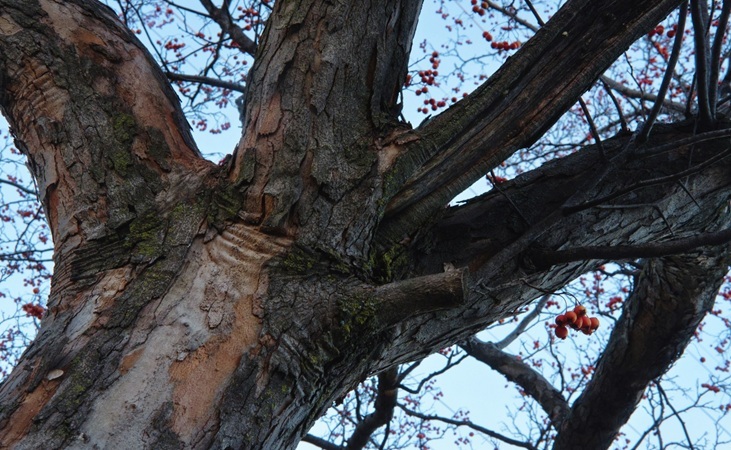
During the day bats often shelter in hollow trees or in splits in tree trunks or branches - so mature, weathered trees are ideal.
Native tree species such as Hawthorn, Rowan/Mountain Ash or Crab Apple are great choices for small to medium sized gardens, and indirectly support bat populations by attracting a diverse range of insects. Crab Apple is known to be popular with night-flying moths when in flower, for example.
Ponds
Not only will a garden pond provide drinking water for bats, it will also draw in its share of insects: e.g. the aquatic larvae of caddisflies and mayflies are both popular food sources for Soprano and Common Pipistrelle bats.

EasyPond 4500 Sunken Garden Pond Kit - 5 m x 4 m
View ProductDaubenton’s bats in particular tend to gravitate towards ponds and waterways, circling like ‘hovercrafts’ as they forage for insects just above the water surface. ("Daubenton's Bat" Biodiversity Ireland, https://species.biodiversityireland.ie/profile.php?taxonId=119730#)
If setting up a pond, it should ideally have a mix of shallow and deeper areas. It’s also important to have at least one sloping entry point (or alternatively some stones to provide footholds) so that small creatures can find their way back out and don’t get trapped.
Further Reading: https://www.quickcrop.ie/blog/how-to-create-a-wildlife-friendly-pond/
Roosting Spaces
Bats don't create nests for themselves; instead they will seek out suitable spaces to roost. Not all bat species roost or seek shelter in the same way, while roosting behaviour can also be influenced by season or climate.
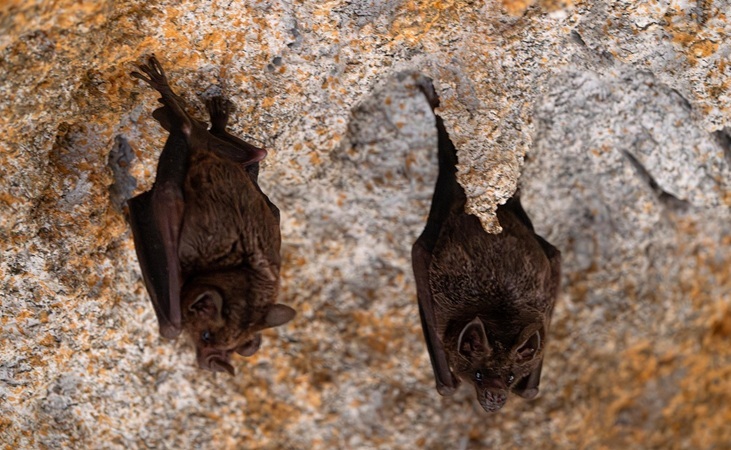
Some species will favour hollows or crevices in mature trees, others will seek out roof spaces in sheds or abandoned buildings, while others still (like the Lesser Horseshoe bat) have been known to choose caves or rock overhangs.
Urbanisation, hedge-clearing and remedial/renovation work (among other factors) have led to the loss of much suitable habitat, both natural and man-made.
If you note the presence of bats in a roof space, it’s important to know that they will keep quietly to themselves and won’t do you any harm. If a bat enters your living space, it’s accidental, and they may be injured - in which case you should contact the experts for advice.

Rowan/Mountain Ash 'Sorbus Aucuparia' 1-3 Pack
View ProductA ‘maternity roost’ is when female bats choose somewhere warm for breeding and raising their young. This happens in summer and can require temperatures of up to 30 degrees: this level of warmth can be found in attics or tree hollows; bat boxes (see below) are less likely to be used for maternity roosting, as they won't get warm enough to mimic maternity conditions.
Further Reading: https://www.quickcrop.ie/blog/attracting-wildlife-to-your-garden-an-interview-with-donna-mullen/
Bat Boxes
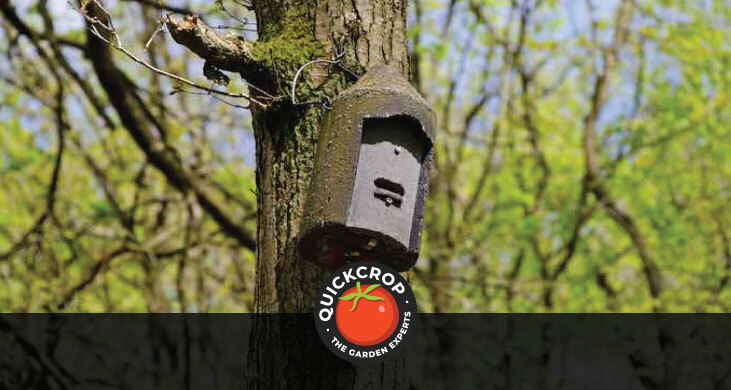
Carefully designed bat boxes can provide additional or alternative roosting spaces for bats, as well as shelter from stormy weather conditions. These boxes can be placed in gardens or in woodland areas by attaching to tree trunks, external walls etc.
According to Bat Conservation Ireland, the species that you are most likely to see using bat boxes are Soprano pipistrelles (so called because they echolocate at a higher frequency than the Common Pipistrelle!), Leisler’s bats and brown long-eared bats.
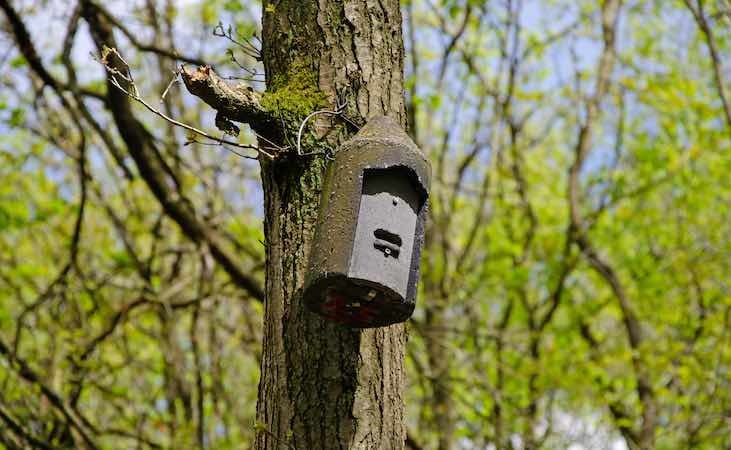
Schwegler's range of conservation grade bat boxes have seen wide use by ecologists, forestry bodies and bat conservation organisations (such as the Vincent Wildlife Trust) as well as in private gardens. They are made with a unique material known as Woodcrete: a composite material made from wood fibres, clay and cement.
The material is moulded and cured to ensure long-term durability and prevent any deterioration (with an expected lifespan of 20-25 years). The great benefit of woodcrete - aside from durability - is that it creates a temperature-regulated and breathable environment for bats.
Schwegler’s 1FF box, for example, provides crevice-like roosting conditions (much like a tree hollow) and is very popular with Pipistrelle bats.

Schwegler Flat Woodcrete Bat Box - 1FF
View ProductVivara have also designed a range of bat boxes (made from a similar material called Woodstone) which are generally cheaper (although Schwegler is the gold standard).
Note: There is no guarantee that a bat box will be occupied. Schwegler’s boxes have shown higher occupancy rates than wooden alternatives. Occupancy rates are likely to increase the longer the box has been established. "Creating Roosts - Bat Boxes" Bat Conservation Ireland, https://www.batconservationireland.org/irish-bats/bat-roosts/775-2
Bats and Garden Lighting
Unfortunately light pollution is often underestimated in terms of the harm it does to wildlife. Bats are very sensitive to bright lighting, whether it’s street lights, floodlights or outdoor security lighting. These fixtures - which have only become more common and widespread - can impact on bats’ roosting, navigation or foraging habits.
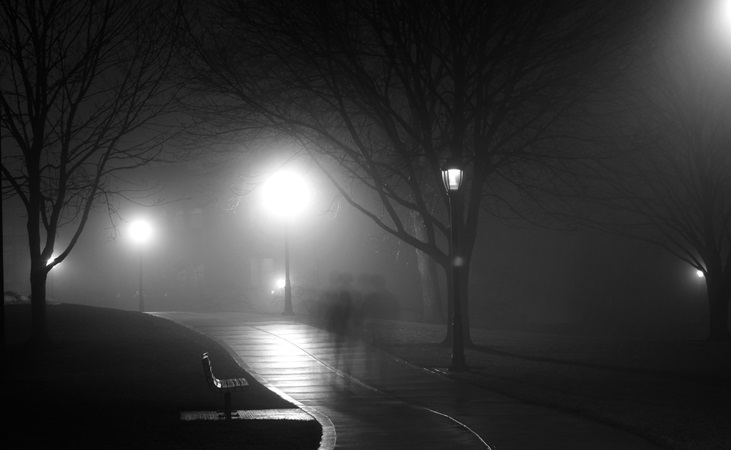
For example, bats will often use tree-lined footpaths to move around the landscape, but bright lights can discourage them from using these routes - in turn cutting off foraging areas and further fragmenting habitat.
How to Make Outdoor Lighting Bat Friendly
- For garden or security lighting, use warm or low-intensity lighting. Think of it like .flux for bats!
- Lights that are targeted more precisely - for example focused downwards rather than illuminating all around them - can also be helpful.
- Fitting lights with a hood can reduce glare and light pollution.
- Sensor activated lighting ensures that it only comes on when necessary and is not shining continously.
- Close your blinds or curtains at night/dusk to prevent light spill from indoors.
Beware of the Cat
Cats can be a formidable foe for bats. They tend to observe bats' behaviour patterns, which can be particularly treacherous as many bats will swoop downwards towards the ground when they exit their bat box or roost.
If you have a cat(s), try to keep them indoors from about an hour before dusk.
Conclusion
Finally a little point of interest I came across while writing this, and one related to a bat species that probably gives all bats a bad name: the vampire bat. A protein found in vampire bat saliva has been studied for its anticoagulant properties. The name of this protein? Draculin. Ha ha.