How Do I Deal With Potato Blight?
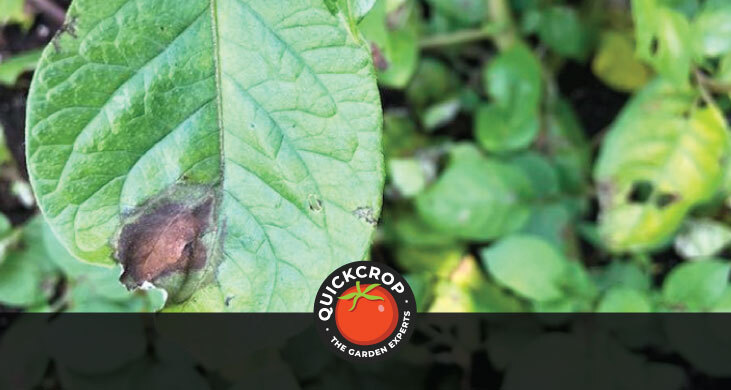
I think I mentioned last week that haven't been spending as much time as I should have in the vegetable garden due to the uninspiring weather we have been having lately. I had noticed on one of my brief inspection trips (when I say 'trip' it's only down the end of the garden) that there were some signs of potato blight on the leaves of my spuds, and had meant to get back for a proper look and some preventative action.
Anyway, it turns out that the lush green foliage around the edge of the potato beds had been hiding a couple of pretty nasty clusters of the disease - which had taken hold on about a quarter of my crop.
I had a bit of a rummage around in the soil when I'd cleared the stalks (which actually weren't too bad in most cases) and was horrified to find some badly rotted examples accompanied by their characteristic foul smell.
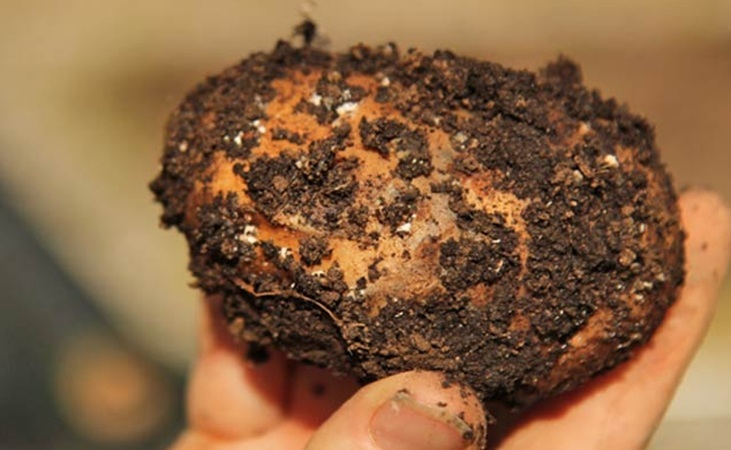
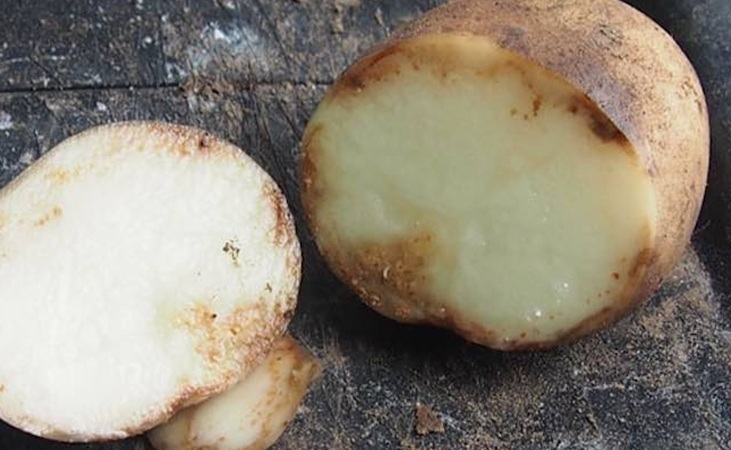
The one in the picture (below) might not look too bad but I can almost smell it just looking at it. Those little white dots are signs of the rot underneath; what looks a firm potato in the photo is actually a fragile skin containing a horrible mush. I was kicking myself for my sloppy gardening at this stage.
So now what? Well, we're on the horns of a dilemma now. The potatoes still have a thin, papery skin like a new potato, which means if I harvest them now they won't store well - but storage is kind of the whole point of maincrop potatoes. Also digging them now may spread any blight spores on the soil over the tubers that I'm harvesting - causing them to rot in storage.
On the other hand I know I have some blighted potatoes in the ground which can go on to infect the rest.

SpudBoost Organic Liquid Feed - 1 Litre
View ProductWe'll start out covering what I should have done to manage the situation and then move on to what steps I've had to take to salvage the crop.
What is Potato Blight?
Everyone who has grown potatoes will have heard of - if not encountered - potato blight. It's the most serious disease affecting potatoes in this part of the world, and it spreads fast once it takes hold within your crop.
The blight that most of us are familiar with is known as 'late blight' to distinguish it from 'early' potato blight - a separate disease which is both less common in Ireland/the UK and less severe (nb: all references to blight in this article refer to late blight unless otherwise stated).
Late blight is caused by a fungus-like organism Phytophthora Infestans, whose spores can travel considerable distances when carried by wind. Blight spreads rapidly in warm humid weather, leading to decay and eventual collapse of potato plant foliage. The disease also infects potato tubers, causing them to rot and rendering them unfit for storage or consumption.
Blight is a persistent obstacle for growers, not least because the pathogen has adapted over time, with new genetic strains often emerging that can lessen or overcome the blight resistance of individual potato varieties.
How Does It Spread?
Blight spores are produced on infected leaves and are dispersed by the wind to neighbouring plants and gardens. The spores can travel long distances, and while isolated gardens may be less at risk than city or suburban gardens, it is almost inevitable you will encounter blight at some stage.
Potato Patio Planter Grow Bags
View ProductConditions which favour the spread of potato blight include the following:
- temperatures above 10 °C
- high relative humidity for an extended period
- damp rainy weather
- prolonged leaf wetness
- overcrowded crops with dense foliage
When a blight spore lands on a wet leaf it sends out 'zoospores' which swim over the surface of the leaf, before penetrating the leaf tissue.
If conditions are warm and humid, a dark lesion will form within 3-5 days with a white fuzzy mould under the leaf. The white fuzz consists of tiny stalks, containing new spores which detach and spread to other plants to start a new infection.
During wet weather light 'sporangia' are washed off leaves and into the soil, leading to infection of the developing tubers.
'Vitabella' Second Early Seed Potatoes
View ProductHow To Identify Potato Blight
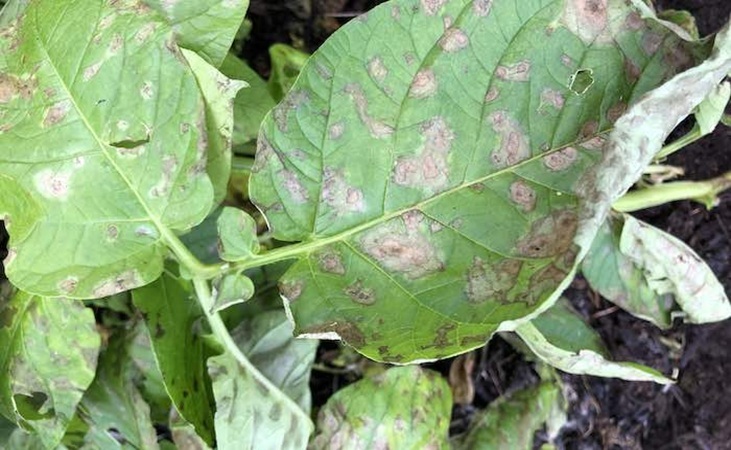
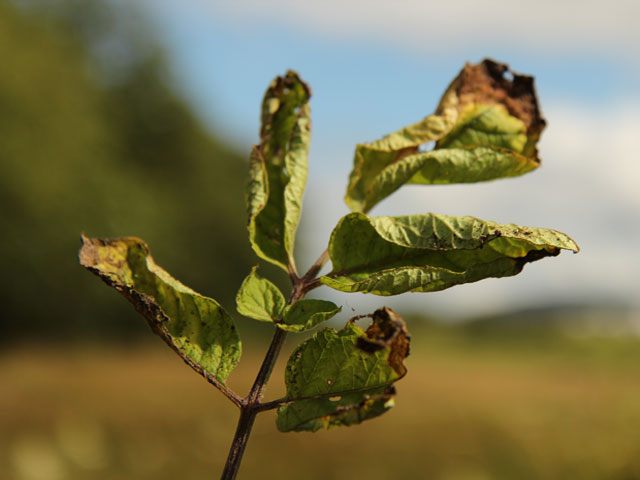
The first sign of infection is likely to be brown freckles on the surface of the leaf, which will soon go on to form larger dark brown patches. The dark brown spots are usually on the margins of the leaves and can be surrounded by a light green halo.
These dark spots or 'lesions' will quickly spread in humid conditions to cover the whole leaf, causing it to die off.
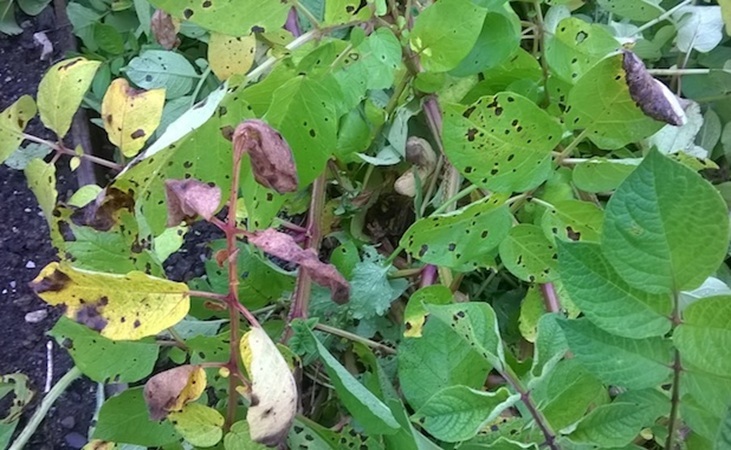
You will also often notice a grey powdery mould on the underside of the leaf. The leaves will eventually turn completely brown and die off.
Infected potatoes will have brown patches on the skin and brown staining which is visible in the flesh when cut open. In advanced stages a secondary rot will set in, reducing the once delicious spud into a foul smelling mess. Once you experience the smell of a blighted potato you will not forget it.

'Red Duke of York' First Early Seed Potatoes
View ProductPotato Blight Preventive Measures
Growing Early Potatoes
Blight is most common in July and August, so growing early season varieties allows you to signifantly reduce the risk. However early potatoes are generally grown for immediate use, and (unlike maincrop varieties) they do not lend themselves to long-term storage.
Blight Resistant Varieties
Another option is to grow a blight resistant variety, such as the excellent red-skinned Hungarian variety 'Sarpo Mira' or the similary red-skinned but Irish bred Setanta.
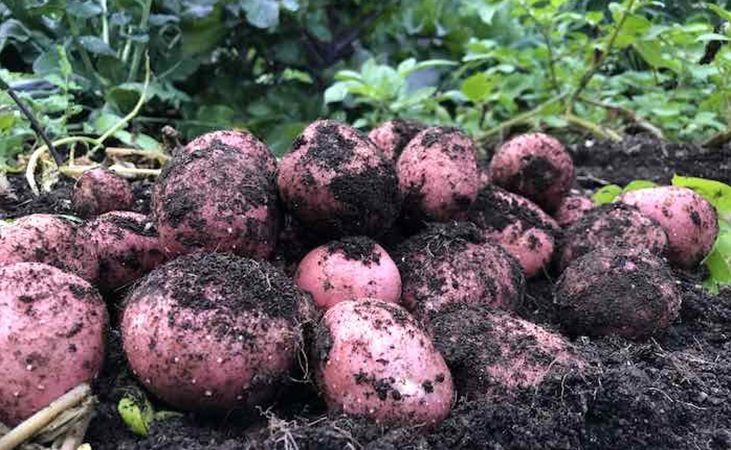
Mind you, no potato variety is completely immune to the ravages of blight. Even the best performers can succumb if conditions are 'favourable' enough, but the more resistant varieties will remain healthy for longer and won't succumb as quickly if they do become infected - buying you some time on both counts.
Complicating the issue is that late blight is constantly evolving over time: potato varieties that were previously well regarded for their blight resistance (e.g. Cara, Orla) have been shown to be somewhat less reliable when it comes to newer strains of blight.

Burgon & Ball Stainless Steel Digging Fork
View ProductBlight Warnings
Many of the weather apps, including Met Eireann, will have notifications for when the blight risk is high. At these times you should be extra vigilant about checking foliage for telltale brown spots or looking out for white fungal growth on the undersides of leaves.
Sprays
Fungicidal sprays (such as the copper sulfate containing 'Bordeaux Mixture') are another preventive option, but some of these have been phased out as an option for home growers - and in any case are not ideal in terms of their effect on biodiversity or microbial soil life.
On the other hand you have organic alternatives like the biostimulant spray 'Spud Boost' from Better Plants. This seaweed-derived foliar feed enhances the plant's natural defenses. It won't however be as effective as traditional blight prevention spraying methods, and should be used in conjunction with other prevention methods.
Spacing Out Your Crops
One thing that did occur to me in this unfortunate saga is that the way I grow my potatoes is a bit daft. I move my maincrop potatoes in a 3 year rotation around the garden, with a full quarter of the growing space being taken up by spuds every year. I include a little sketch below:
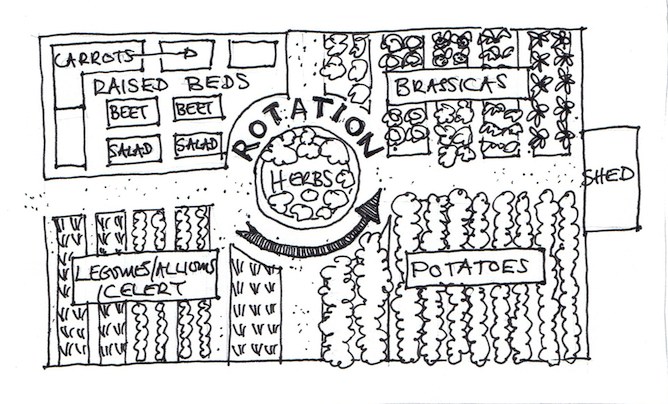
You can see I have divided my garden (apart from the raised bed part) roughly into thirds: with each third divided into beds with paths running inbetween them. When I look at how blight spreads through my potatoes it makes me wonder why I plant them all together in one part of the garden?
The only reason for doing so is that it's easier to understand the rotation, but with a little planning I could just as easily spread the crop around the garden. I can still have five beds of potatoes; they just don't need to be beside each other!

Premier Timber Raised Beds 53 cm H
View ProductApart from the spread of disease from plant to plant, there is another advantage of spreading my spuds: good ventilation also reduces the instance of blight. If you were lucky enough to have a very large garden and planted your potatoes in single rows spaced very far apart, blight will be greatly reduced because the leaves dry quicker after rainfall. Remember we said blight spores need a film of water on the leaf to spread?
For next years garden I'm going to mix 'em up. I bet you it makes a difference.
P.S. I have just read in Joy Larkcom's book 'Grow Your Own Vegetables' (which I need to learn by heart, it is so good) that I should be using a 5 year rotation if possible to help guard against eelworm - so I'm going to need Stephen Hawking to help draw up next year's plan.
Earthing Up
One short tip is to make sure your tubers are well buried, preferably by earthing up. This means that if spores are washed off the leaves by rain it is more difficult for them to infect the tubers below.
Garden Hygiene
Make sure all potatoes are removed from the soil at the end of the season - this can be difficult as some very small tubers can be difficult to find. Potatoes from the previous season growing on a compost heap are a common source of infection in many gardens, so try to keep a potato free heap.
Hotbin Mini Compost Bin (100 L)
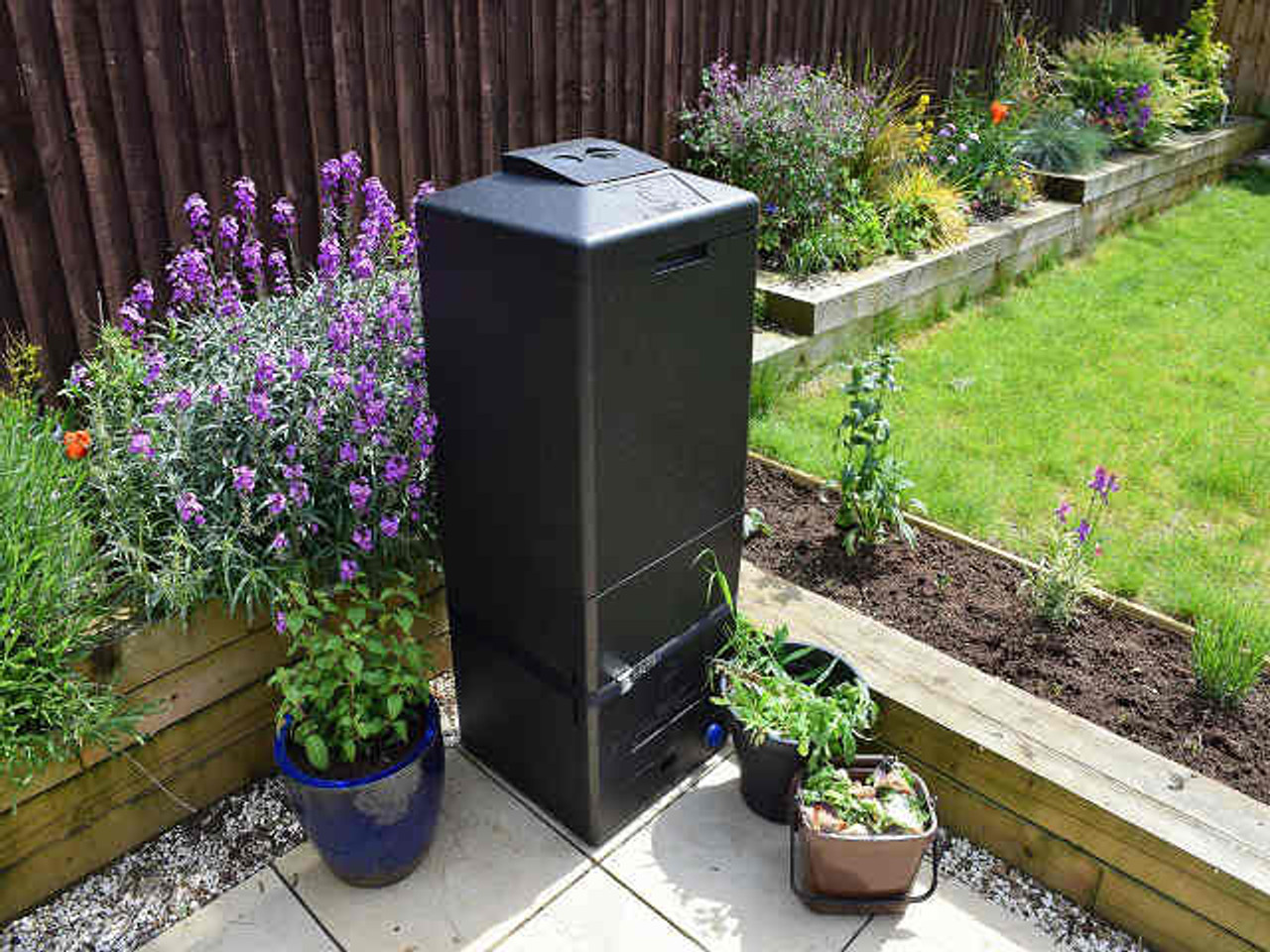
View ProductBlighted foliage should not be left around the garden; they can however be composted in a good active heap. Foliage on an open compost heap should be buried inside the heap, as the spores will remain active until the green material dies. Obviously a well-sealed compost bin is fine as the material is kept enclosed.
Blighted potato tubers can be buried in a hole at least 12 inches deep: crush the potatoes completely before burying. This also works for blighted foliage in the absence of a compost heap.
Can You Save Potato Crops with Signs of Blight?
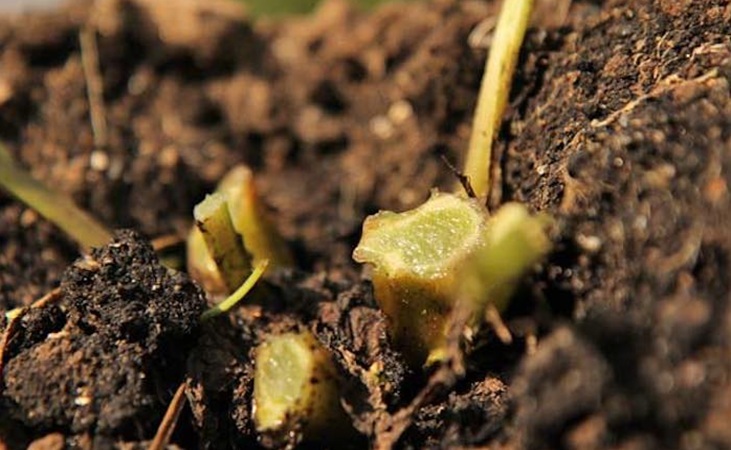
You can control potato blight to an extent in the early stages by removing infected leaves as soon as you see them and disposing of them well away from your potato crop. Obviously the more diligent you are in this respect the longer you can prevent the spread of the disease.
Removing infected leaves is particularly successful if the weather turns dry after doing so.
If you need to remove potato foliage because of blight but still have a significant proportion of the crop in the ground, it is better to leave them buried to prevent spores on the soil surface spreading through the crop.

Kent & Stowe Eversharp All Purpose Secateurs
View ProductIn the case of maincrop potatoes I would leave them in the ground for 3-4 weeks; earlies can be lifted as you need them as they are generally washed and used straight away.
If over 25% of your plants are badly affected, you should remove all the foliage right down to soil level and get rid of it by either burying it (well away from your vegetable garden) or burning it.
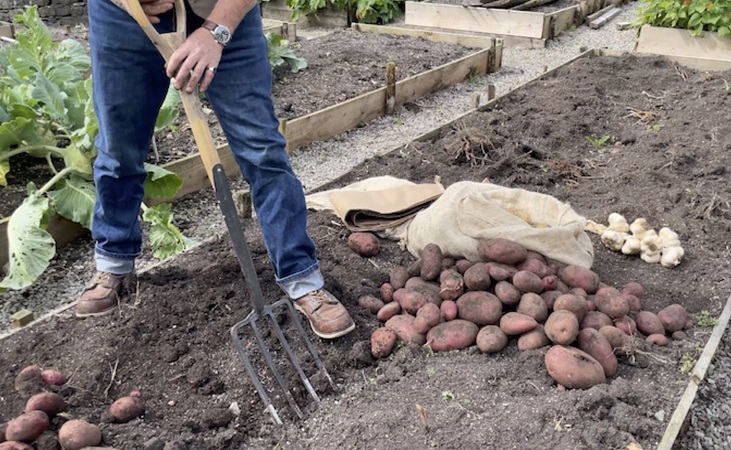
At this point the potatoes below the ground will cease to grow, but depending on when you have to take this action you can still pick a crop of reasonable sized potatoes. At the end of the day, if you don't do this when you have a severe attack of blight you might not be harvesting any potatoes.
Wait for 2 or 3 weeks before digging the crop, which allows a thicker skin to build up - plus any spores left in the soil will have died, preventing infection when your crop is lifted. Harvesting in dry weather is also recommended as it lowers the risk of infection.

Darby 6 Prong Ball Pointed Beet Fork - 4 ft
View ProductStoring Potatoes
Don't wash potatoes destined for storage. Instead dry off tubers before storing in dry, dark conditions.
Discard any tubers showing signs of blight. Inspect your stored potatoes regularly and discard any diseased specimens.