No Dig Garden Beds
Put that shovel away! No dig gardening continues to grow in popularity with home growers and gardeners, but what does it actually involve? Will you need to sell all your garden tools? (Short answer: No not all of them!)
The origins of no dig gardening go back a long way, but in more recent times the technique has been popularised and refined by people such as author Ruth Stout (whose ‘No-Work Gardening Book’ sounds like my kind of book) and modern-day gardening guru Charles Dowding.

Veg Journal by Charles Dowding
View ProductHomeacres and No Dig Gardening
Dowding has done much to bring the principles of ‘no dig’ gardening into the mainstream conversation. One only has to look at the bountiful harvests that he produces from his garden at Homeacres, where he has been practising no dig methods for over 10 years.
In his own words Dowding explains that the no dig beds at Homeacres have a 10 percent increase in yield every year. Trials of no dig vs traditional dig garden beds showed him that the former lead to happier plants and soil as well as an easier time with weeds and watering.
Related Article: Charles Dowding's Garden
What Does 'No Dig Gardening' Mean?
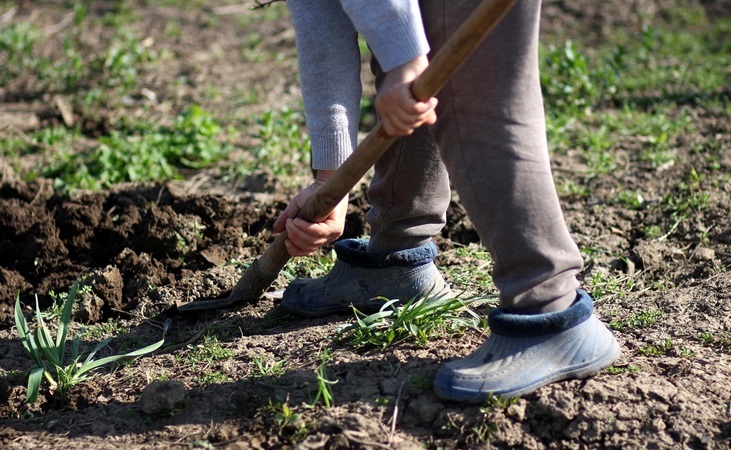
In a nutshell, no dig gardening is the method of growing plants without tilling or turning over the soil. This has almost become a second nature to many gardeners and food growers, but it can actually harm your soil and make it less fertile. In this article we’ll go through some of the main areas where a no dig approach can make life in the garden easier.
Weeds
Weeding has traditionally been done with tools such as hoes, rakes and cultivators. It’s a way of slicing through weed roots where they are at their most vulnerable, beneath the soil.

Gro Grid Planting Mat 'C' For Large Brassicas, Tomatoes & Courgettes
View ProductHowever, this method of weeding can be counterproductive. Turning and disrupting the soil brings dormant weed seeds to the surface, where light and water encourages them to start growing. Garden soil is generally full of these seeds, but when they’re lying undisturbed beneath the soil they have no impetus to grow.
As an alternative, proponents of no dig gardening recommend dealing with weeds by covering the area of your bed with cardboard, newspaper, old carpet or plastic sheeting. This deprives weeds of the sunlight that they need to keep growing.
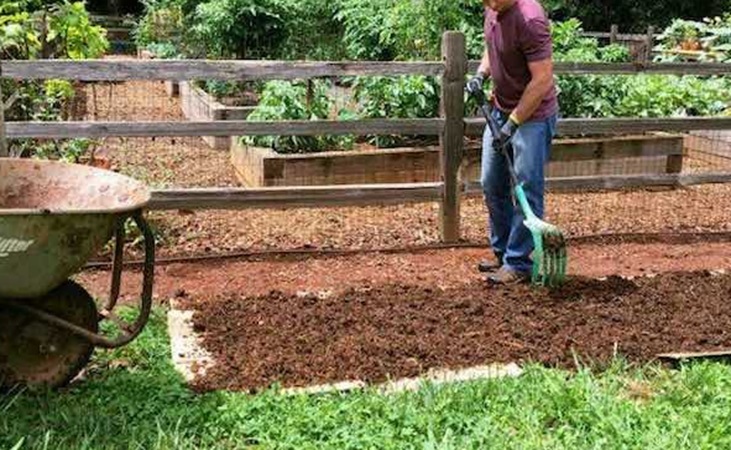
When laying down this barrier you should have it cover the full area of the vegetable bed, as well as around a foot extra beyond the perimeter. Cardboard is ideal when it comes to this task because it will naturally break down and decompose into the soil, meaning it won’t have to be then removed come planting time. It should be a few layers deep to be at its most effective.
Adding compost, mulch or broken down manure on top of this barrier will provide you with the beginnings of your no dig vegetable bed.

Farm Yard Manure 750 L
View ProductSoil
Soil is a pretty magical thing that’s full of microorganisms and fungal networks that can transfer water, nutrients, nitrogen and other things that are vital for plant growth. A fertile soil will have a healthy underlying structure, as worms and soil life create tunnels that aerate the soil and help it to drain effectively.
When you repeatedly dig into the soil or turn it over, you’re interfering with this natural balance. Soil life is disturbed and disrupted, soil structure degrades and problems such as compaction can develop. A well-structured and mostly undisturbed soil will naturally have less weeds, as weeds tend to grow and propagate when soil is turned over and when its inner ecosystem is disrupted.
Soil biology researcher Elaine Ingham has also pointed out that an uncultivated no dig soil can reduce slug problems in the garden. When soil is compacted (by digging etc), anaerobic organisms start making alcohol, which in turn attracts slugs.
Compost and Mulching
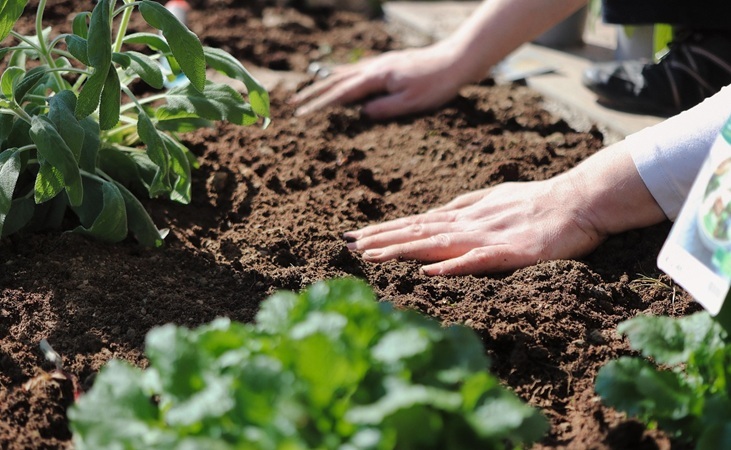
Soil is amended by adding compost, mulch or broken down manure to the surface of the soil without digging it in. Instead, it is broken down naturally by friendly bacteria, and worms carry the nutrients down into the soil.

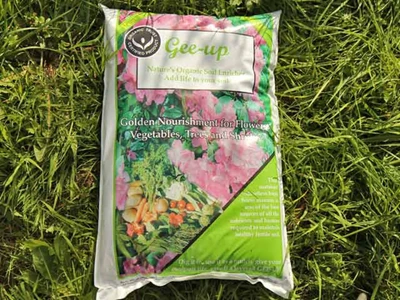
Garden Compost Bulk Bag 750 L
View ProductDigging in compost etc can result in nutrients being spread too deep into the soil, to the point where plant roots can’t easily access them.
You can add mulches of organic matter such as leaf mould, grass clippings or straw, but with no dig gardening the term ‘mulch’ is often used interchangeably with compost: this is because you’re spreading the compost in the same way that mulch is applied.
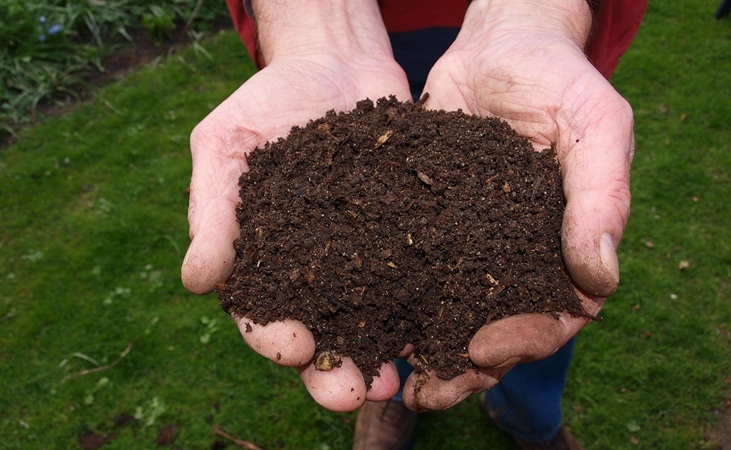
In cooler, wet climates, the moisture-retaining properties of dry organic mulch such as leaf or wood chip is less necessary, and it can even attract slugs when the material gets damp.
Feeding the soil on the surface mimics natural processes in non-garden environments, where organic matter falls to the ground and is broken down and fed to the soil. What you end up with when you do things this way is a soil with nutrient-rich upper layers. Plant roots will find it easier to access what they need to grow strong and healthy.

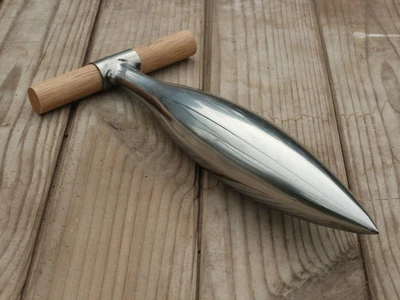
Kent & Stowe T Dibber
View ProductThe healthy, thriving soil brought about by no dig methods means you can get more productive growth out of smaller areas. Bulky material added in autumn will have plenty of time to break down and enrich the soil ahead of spring planting, with less reliance on short term fertiliser.
Adding mulch layers on the soil surface also has the added benefit of deterring weeds. Despite their negative reputation, weeds play an important role in nature protecting bare, exposed soil. Layers of organic mulch can perform a lot of the same soil-protective functions, while also blocking off weed seeds' access to light, discouraging weed growth.
Saves Time and Labour
While some gardeners may appreciate the vigorous exercise involved in digging and working the soil, it can be tough on the back and joints. No dig gardening is the perfect excuse to save yourself the labour.
How To Start a No Dig Garden Bed
You can start a no dig garden with any type of soil, including heavy clay soils.
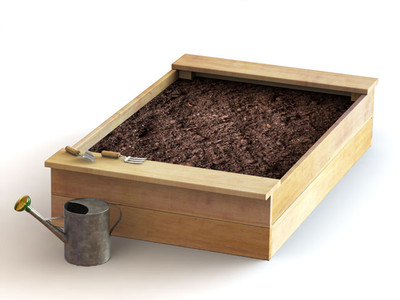
- Mark out your the area(s) you will be using for your no dig vegetable beds using string or stakes
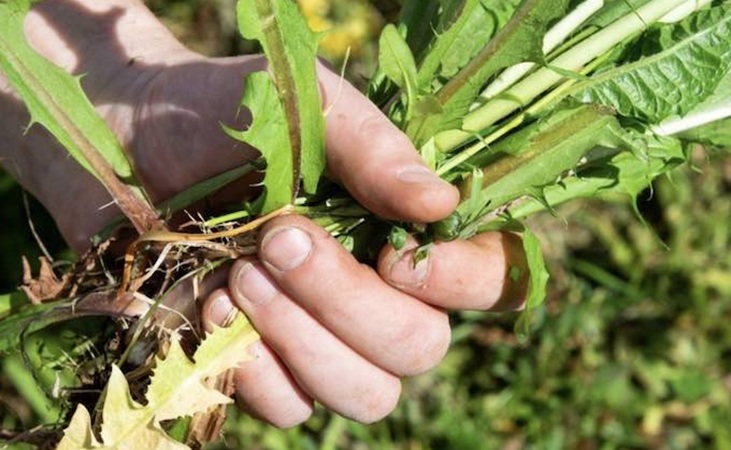
- Clear any weeds that have built up in the soil
- Smooth down uneven soil with a shovel or rake
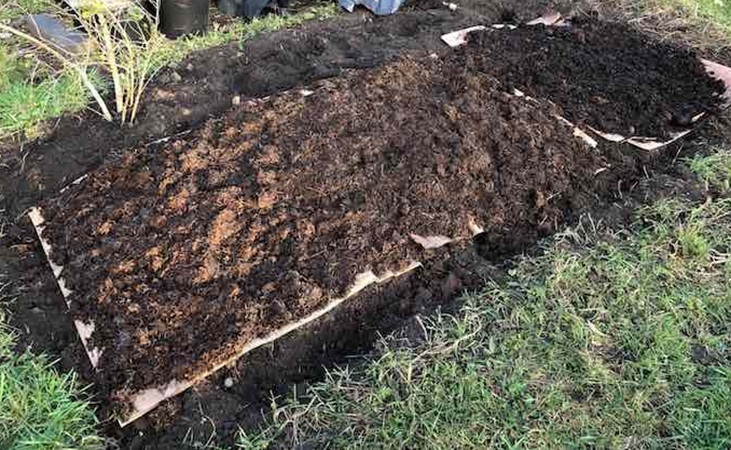
- Lay down a weed suppressing barrier on the soil. Cardboard is an ideal material as it will biodegrade, breaking down in about 2 to 3 months.

Workman 16 Tooth Steel Rake
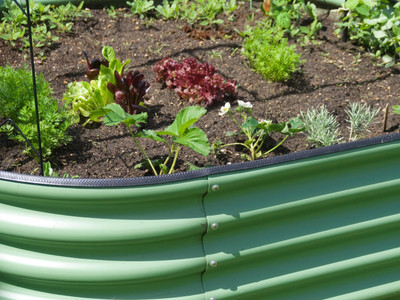
View Product- Add good-quality compost, broken-down manure or organic material on top of the barrier. At this initial stage you will need a fair amount of compost (4 to 6 inches on top of the cardboard ideally), as it’s important to make sure that weeds are well suppressed when starting a no dig garden. Once you have taken care of this step, you will have a solid base to work from and it will save you loads of future time and labour when it comes to weeding.
- Your finest compost should be added at the top layer, this is the layer that you will be sowing into. So long as your compost or manure is well broken down, you are ready for planting in your no dig bed. Yes, straight away: the cardboard barrier will keep weeds down and there will be a sufficient layer of compost and organic material for the roots to grow into.
Does No Dig Gardening Mean Absolutely No Digging?
The principle of no dig gardening is to leave the soil undisturbed as much as possible, but it would be impractical to leave it completely untouched. The important thing is to minimise tilling, rotavating or overturning the soil as much as you can.
- With stubborn weeds, very lightly hoe the top 1 inch of soil, pull them by hand or use a hand tool.
- When planting seedlings, use a dibber tool which should leave the surrounding soil undisturbed.
- Alternatively, use a pointed hand trowel or bulb planter to make a planting hole.
- When earthing up potatoes, use an organic mulch material instead of pulling the soil up around the stems.
- Leave plant roots in the ground after harvesting where practical, allowing the roots to decompose and feed soil life.

Kent & Stowe Small Bulb Planter
View ProductConclusion
We’re always interested in hearing from our readers when it comes to the techniques that work for them. Do you practice no dig gardening? Has it solved problems for you in the garden or made things any easier? How have you found your plant yields when using no dig methods? Let us know!