Organic vs Synthetic Plant Feeds - Which is Better for My Garden?
If you walk into your typical garden centre - or the garden section of a big retail store - you will no doubt have seen a shelf full of colourful plant food containers promising miracle growth (sometimes literally) for your plants.
Plant feed is big business, but one of the key skills you can learn as a gardener is reducing your reliance on these products.
Targeted plant feeds are most valuable when it comes to fruiting (tomatoes, cucumbers, squash) or flowering crops, leafy green crops and plants grown in containers. They also offer a good short term boost when you have identified a nutrient deficiency.
What Exactly is a Plant Feed?
There are many different types of plant feeds and some will work in different ways. Overall though, a plant feed is distinct from the organic materials that we add (often in bulk) to improve our soil - such as compost, broken-down manure, leaf mould etc.

Organic Tomato Fertiliser - Better Plants
View ProductAlthough there is an element of overlap, plant feeds offer a concentrated dose of nutrients that are readily available to plants (whereas bulky soil improvers release their nutrients more slowly over time).
Plant feeds are especially seen as a reliable source of the three major nutrients needed for plant growth; namely nitrogen, potassium and phosphorus (known as NPK - with the K standing for potassium). Most commercial plant feeds will tell you the ratio of NPK on the packaging, although there are some plant feeds that work more as 'biostimulants' - and whose NPK content is less defined or less relevant.
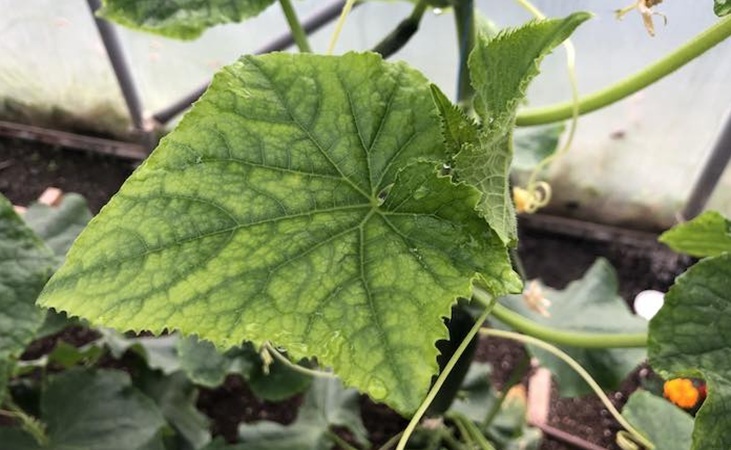
A plant feed can be your best option if you have identified a nutrient deficiency, or sluggish growth, in one of your crops. It effectively delivers a short sharp burst of nutrients that can be taken up or absorbed very fast, whether it is applied around the root zone or directly to the leaves (this is known as a foliar feed).
Plant feeds can come in the form of liquids (typically diluted before being applied), pellets or powdered/granular feeds. The latter two tend to be less fast-acting than liquid feeds.
Organic and Synthetic Plant Feeds: Pros and Cons
Due to the wide variety of plant feeds that are available to the vegetable grower - including homemade brews - it's almost impossible to talk about the relative merits of organic and synthetic plant feeds without slipping into generalities. So a lot of what follows can be prefaced with 'in general'.
Organic plant feeds are commonly derived from plant (seaweed, comfrey) or animal (manure, fish emulsion, bone meal) sources.
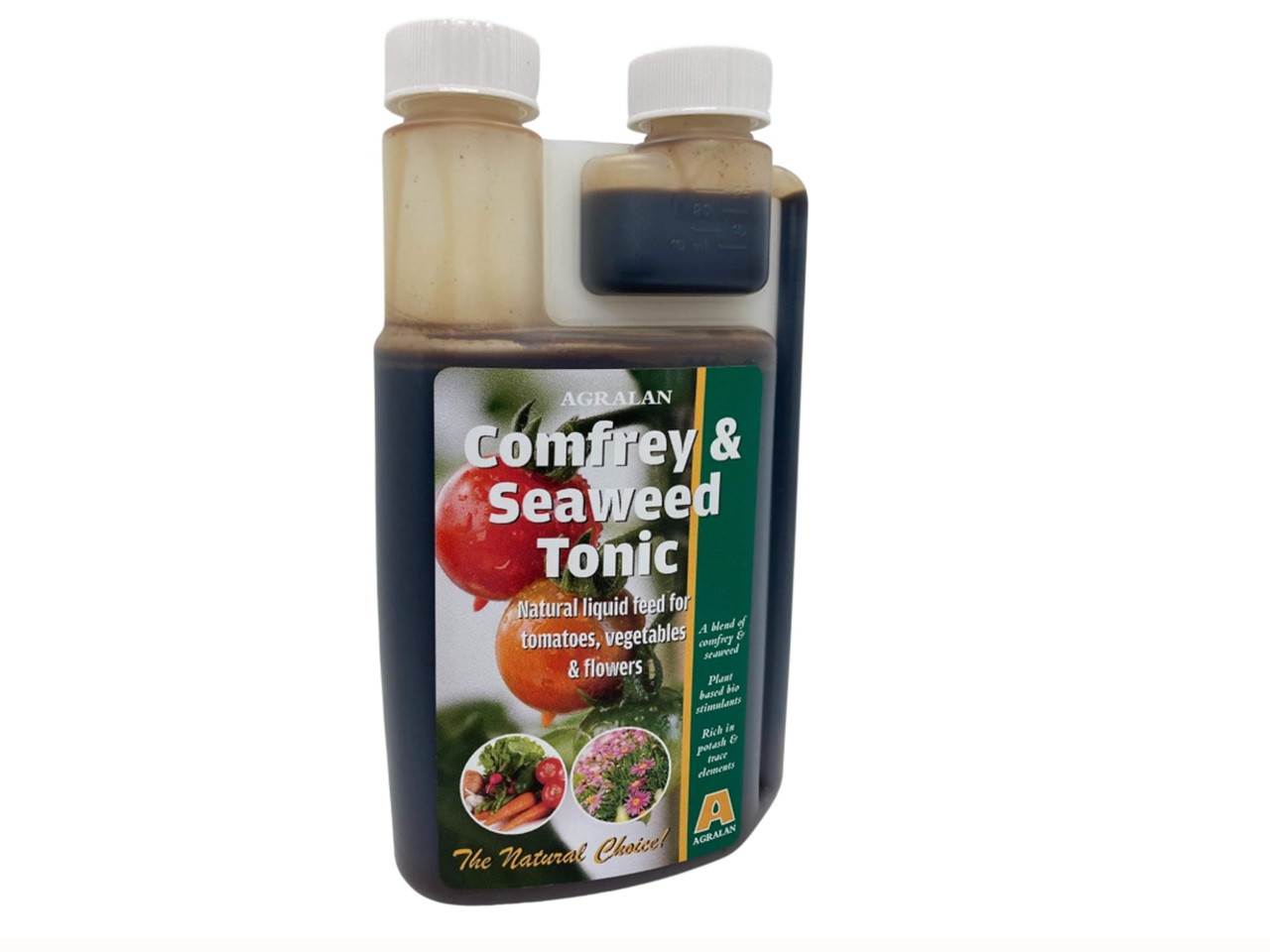
Comfrey & Seaweed Tonic - Liquid Plant Feed
View ProductSynthetic plant feeds - sometimes referred to as chemical feeds - can be made using a chemical process or from mined minerals. They are typically water soluble and fast acting, with visible effects in the short term.
With synthetic plant feeds the NPK ratio tends to be higher or more exact. However there are attendant drawbacks.
- An over reliance on fast-acting plant feeds - which can often go hand in hand with a neglect of long-term soil amendments - can lead to nutrient imbalances or salt accumulation in the soil.
- An excess of phosphorus in the soil - which is more of a risk with the highly concentrated synthetic feeds - can actually interfere with mycorrhizal fungi networks.
- Many nitrogen-rich plant fertilisers are made using the 'Haber Bosch' process, which is a very energy-intensive process with a high carbon footprint.

- As you may already have concluded from the above, you need to be more careful about applying synthetic plant feeds because it's easy to overdo it if you're not sticking to the instructions.
- Over application can lead to leaf burn, nutrient imbalances (e.g. too much potassium can reduce magnesium uptake), or fast, sappy growth which is more vulnerable to pest or weather damage.
- Synthetic liquid plant feeds have very little, if any, beneficial effect on the soil itself. They are taken up by the plant through the roots or leaves, whereas organic feeds are more likely to be broken down in the soil first through microbe action.
- With synthetic feeds runoff or leaching into groundwater can be more of an issue, although again this can be minimised by being careful and using measured applications.
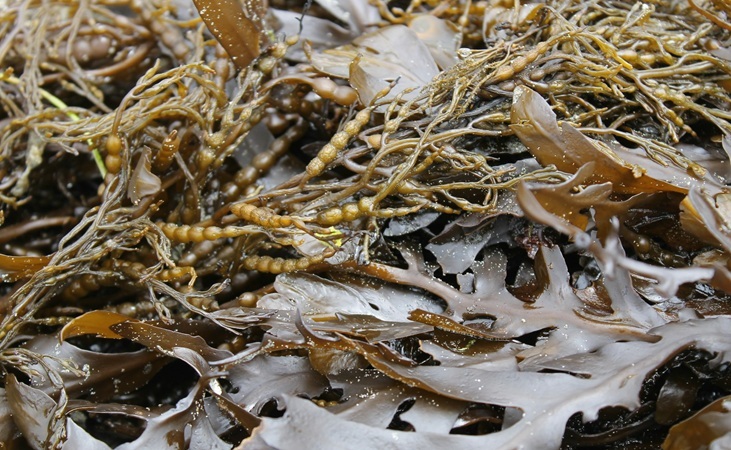
Examples of Organic Plant Feeds
Seaweed
Seaweed is very popular both as a soil improver and a more concentrated liquid feed or 'biostimulant'. Much like salted caramel and chocolate, we've noticed more and more plant feed products using seaweed extract as a main ingredient or as an addition to improve a product's overall performance.
It's interesting because seaweed feeds work in a notably different way to NPK feeds. Instead they provide a wide range of trace minerals as well as plant hormones such as cytokinins.

Irish Seaweed Tomato And Fruit Feed. 2.5 L
View ProductWhile you can sometimes read the small print ingredients of a plant feed and wonder 'ok but what is that really doing for my plants?', seaweed feeds are the real deal even if the exact science of how they work is not yet fully understood. A good quality seaweed feed can encourage healthy root development, improve stress tolerance and enhance nutrient uptake.
Pure seaweed extract is best thought of as a growth stimulator rather than a complete plant feed, due to the low level of primary nutrients (NPK). However a number of seaweed products are formulated with added NPK or enriched with potassium, to the point where they are suitable for fruiting plants such as tomatoes. This added NPK can come from plant sources or other organic ingredients.
Of course, when harvested responsibly seaweed is a renewable and sustainable resource.

Comfrey
Comfrey plant feed pellets are made from the dried and compressed leaves of the comfrey plant. Comfrey's leaves are a great source of potassium and other minerals that the plant absorbs through its extensive root system. This means that comfrey-based feeds are particularly valued for fruiting plants such as tomatoes or aubergines.
Comfrey feeds can take the form of pellets or a liquid tonic; pellets are slower releasing but the effects are longer lasting. The pellets can also be used to make a liquid feed by steeping them for a week or so (and then diluting).
You can also make your own comfrey feed.

Comfrey Plus Pellets 1 - 3 L
View ProductBlood, Fish & Bone
Blood, Fish & Bone - made from animal byproducts - is one of the more complete and balanced organic feeds, although due to its granular or powdered texture it tends to release nutrients steadily over a 4-6 week period rather than in a quick burst. It also encourages soil microbe activity as the material is broken down further.
Blood, Fish & Bone is perhaps best spread prior to planting or sowing, but it can also be added as a top dressing. Bear in mind that the material has a distinct scent that can attract pets or animals; therefore fork in well when applying.
Poultry Manure Pellets
Another slow-and-steady release plant feed, poultry manure pellets are a great source of nitrogen for brassicas or leafy greens.
Our Seafeed pellets combine composted poultry manure with seaweed extract. The composting process stabilises the nutrient content and maximises its availability. Spread the pellets before planting (approx. 150g per square metre) and they can release nutrients for up to 3 months.

Seafeed Seaweed & Poultry Manure Plant Feed
View ProductOne final point is that, traditionally, organic plant feeds were seen as more likely to have a wider range of nutrients and trace minerals. However a number of synthetic plant feeds will now have nutrients added to make for a more complete feed.
Of course, for a lot of people the avoidance of synthetic or chemical plant feeds ties into an overall approach to gardening that focuses on the organic and sustainable. Organic approaches tend to focus less on short-term feeding and more on building a living, self sufficient soil ecosystem.