What are the Benefits of Polytunnel Growing?
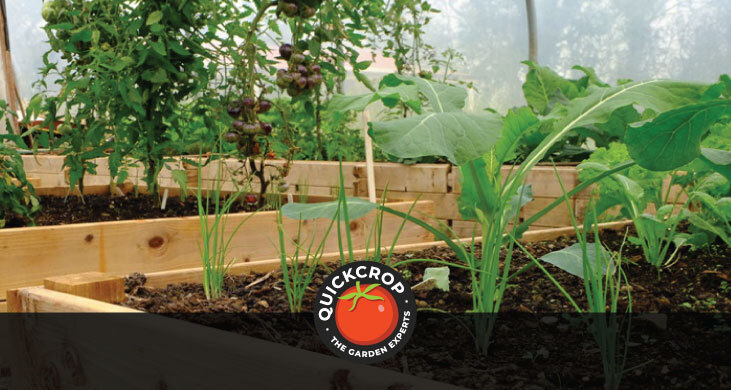
We had a number of questions recently on polytunnel growing: particularly whether polytunnels are worth the investment and whether it is true that they enable year-round growing, so I figured I might as well give a quick overview this week.
I am very enthusiastic about covered growing spaces because my tunnel is such a key part of my garden. I use a polytunnel rather than a greenhouse because (in the cool North West) I need as much indoor growing space as I can get, and a large greenhouse would be prohibitively expensive.
For that reason, I can't give first hand advice on greenhouses - but most of the following applies to both.
Key Advantages of Polytunnels
1 - Growing Warmth-loving Crops
2 - Extending the Growing Season
3 - Seedling Propagation
4 - Improved Crop Yields
5 - Versatility
I might be wrong, but I think most people see growing warm climate crops like tomatoes or peppers as the key advantage of a greenhouse or polytunnel - followed, perhaps, by the ability to grow crops all year round.
In my experience the ability to grow crops for 12 months of the year tends to be overestimated, while the overall usefulness of a polytunnel - particularly for seedling production - can often be overlooked. For what it's worth here's my opinion on what I see as the key advantages to indoor growing:
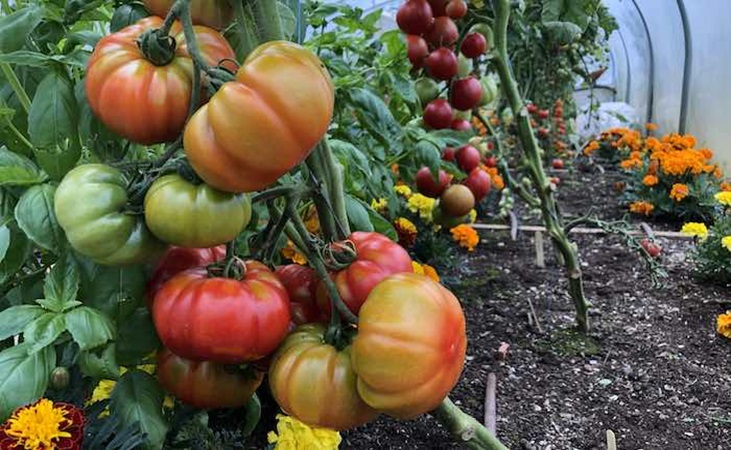
Growing Warm Climate Crops
For many growers in a cool, temperate climate like ours, it is not possible to grow heat-loving plants like tomatoes, peppers or climbing cucumbers outside. The summer season simply isn't sufficiently warm for a long enough period of time.
For tender plants the growing season is the time between the last and first frost date, and this diminishes the further north you travel. This year my last frost was mid to late May, with cold expected to return from early October. This gives just over 4 months where tomatoes can survive outside, and (maybe) 6-8 weeks of good tomato growing conditions - which is nowhere near enough.

Small Hobby Polytunnel (3.7m Wide)
View ProductA greenhouse or tunnel allows you start earlier and finish later, thus extending the growing season - but it also means tender crops grow in higher temperatures and are protected from wind and rain for their full lifecycle. As far as the tomatoes and their mates are concerned, you have moved to the south of France and taken them with you.
Improved Crop Yields
Apart from the well known greenhouse or polytunnel crops, there are also a number of borderline vegetables that may or may not do well in your garden depending on how good the summer turns out to be.
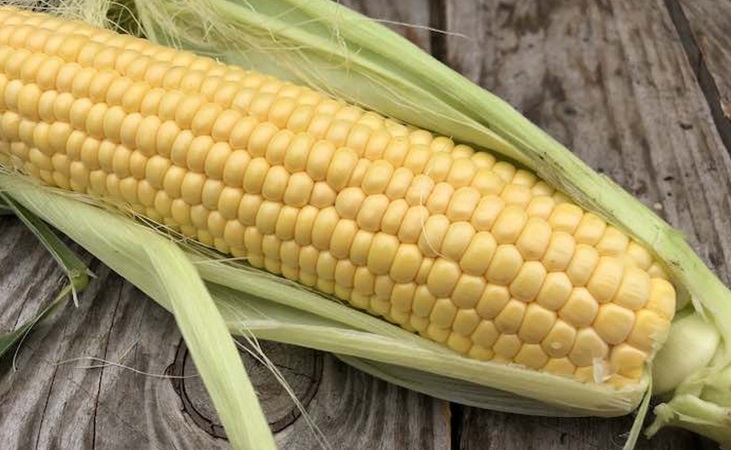
I would be very lucky to grow sweetcorn or French beans outside, yet the crops I grow in the tunnel are absolutely superb: far better than they would be in even the most optimistic outdoor summer. For example I have been harvesting French beans since June, and - with a second sowing just starting to crop - will be picking them all the way up to October.
If you are thinking of investing in a tunnel, don't underestimate this point. You may suddenly become an ace grower of crops that have given you disappointing yields outdoors for years.
Extending the Season
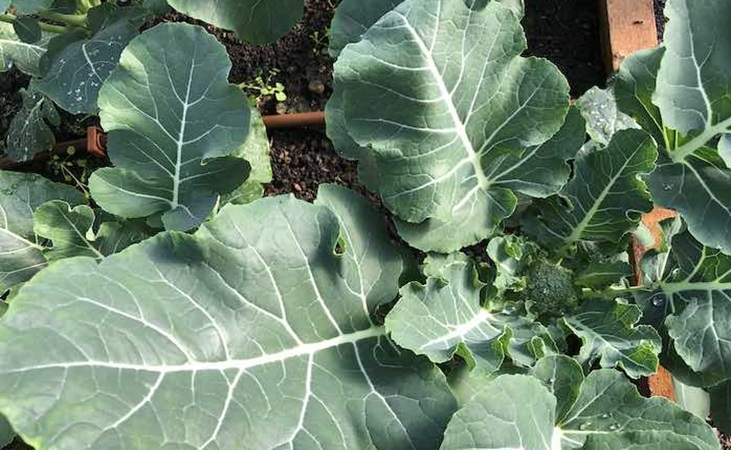
Extending the season is where is all gets very exciting in terms of how late you can produce a crop and how early you can get started. The photo above is of autumn-sown Broccoli Calabrese, taken on February the 11th this year. It's already starting to produce a head, and it continued producing side shoots up to the end of March.
This method of straddling the winter by planting seedlings in October for early harvests is very effective. It gives you proper size vegetables like broccoli, beetroot, kohlrabi or spring cabbage when there isn't a chance of anything outside.
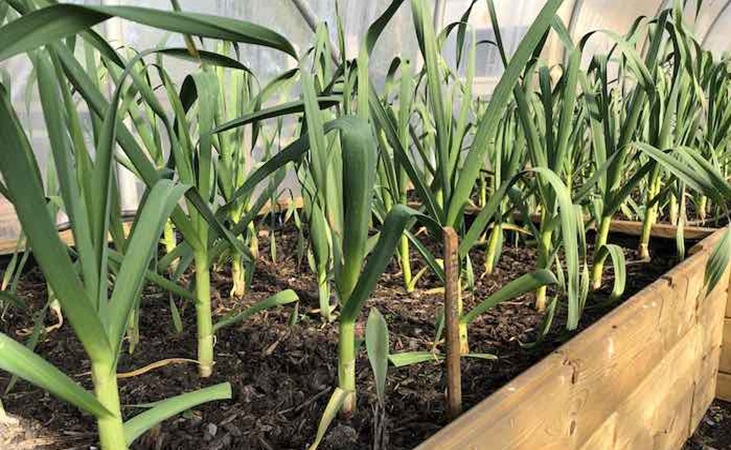
Garlic is another outdoor crop that does extremely well in the polytunnel. It not only gives an earlier harvest (by up to 4 weeks) but will also produce much larger bulbs.
Garlic planted indoors in October sprouts quickly and is able to grow over winter (when planted outside, cloves may not be seen above ground until the spring). The image above is of garlic taken on April 26th, showing plants that are nearly a third larger than the outdoor crop on the same date.

Allotment Polytunnel (2.4m Wide)
View ProductA polytunnel will also add another 4-6 weeks to the tail end of the season, so it enables later sowing and harvests before the cold midwinter period. Another 2-3 months (4-6 weeks each for autumn and spring) of productive growing time makes a huge difference, especially for Northern gardens like mine with a relatively short season.
Being able to grow until the end of October and make an early start in February gives 9 months of productive time. It's not quite a full year as is often claimed but - if you have plenty of cold-tolerant leafy greens in place - you will be harvesting something (if not actually growing) every day of the year.
Nursery/Production Area
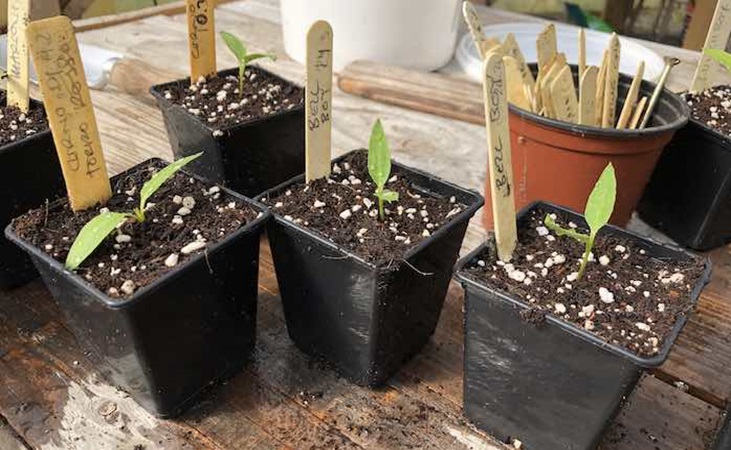
I think the most overlooked advantage of a greenhouse or polytunnel is its role as a propagation area. Yes, you can start seeds off on a bright windowsill but - as light is so important to developing seedlings - an unshaded glass or poly-covered space is much better.
The main difficulties in starting seeds off early in the season is lack of heat and light. Heat is easily solved with a heat mat or propagator, but getting sufficient natural light is more tricky due to the low light intensity and shorter day length already mentioned.

Gro Sure Heated Propagation Mat
View ProductA well-situated polytunnel or greenhouse will receive on average 60% more light than the brightest windowsill, simply because it receives sunlight for the full day whereas (unless you can turn your house around) a windowsill has to be in shade 50% of the time.
A covered seedling propagation area becomes the engine room for both the polytunnel and the outdoor garden. It allows you to keep a steady flow of well developed seedlings to keep your garden productive throughout the year.
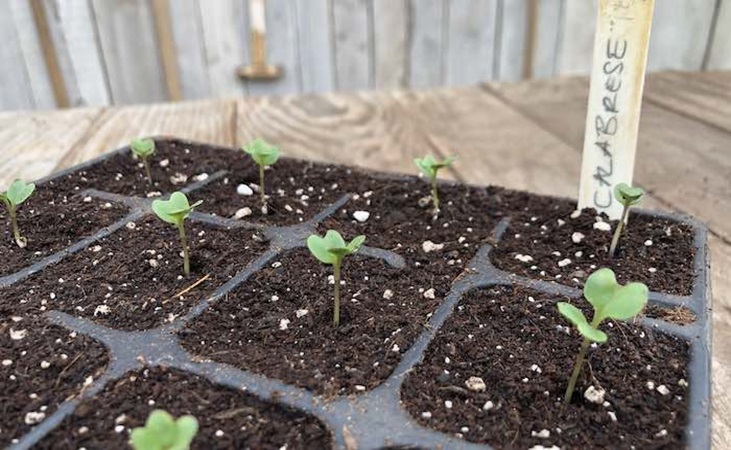
If you are considering investing in a covered structure, make sure you factor in space for a propagation bench and an area for seedlings to grow on before being planted out. For that reason (and bearing in mind that you will likely want to expand once you get the hang of indoor growing) I would always go for the largest structure your garden or budget will allow.
Versatility
Again, because I live in a damp climate I also use the polytunnel for a lot of other jobs - like drying garlic, shallots or onions before stringing them into bunches, or drying potatoes before they go into bags.

VegTrug Potting Table
View ProductIt's also a very pleasant work space in the winter for maintaining tools, potting on or (if the sun comes out) just sitting in a deckchair and listening to the radio.