Garden Weeding Tips - Annual and Perennial Weeds
If you saw the state of my garden right now you would laugh your head off that I have the cheek to talk about weeding. It has never looked so bad (too much wandering around, not enough work going on).
I will pay heavily for this lapse in years to come as the familiar old saying 'one year's seeds, seven years weeds' comes into play. Annual weed seeds, once spread, will result in weed seedlings for years to come - so it does pay to keep on top of them.
If you follow Charles Dowding (and if you don't you should), you will know that he is a meticulous weeder of his large vegetable garden - and that, over time, the soil weed seed bank becomes exhausted and very few new weeds re-appear.
I remember seeing some photos he took of a patch of ground he had kept weed-free for a number of years and had then left to it's own devices: it took a surprisingly long time to be colonised again, which shows how much weed growth comes from weed seeds that are already in the soil.
What is the Difference Between Annual, Biennial and Perennial Weeds?
There are three main types of garden weed that you will encounter: annual, biennial and perennial weeds.
- Annual means that the weed completes its full lifecycle in one year.
- a biennial (e.g. the thistle) grows leaves and stems only in the first year, and flowers and seeds in the second.
- A perennial (as the name suggests) is a perennial nuisance, as it comes up every year from the same root which has survived the winter below ground.
As regards dealing with the different groups, you only need to concern yourself with annuals and perennials (biennials are dealt with in the same way as perennials) - but you will need to employ a different method for each.
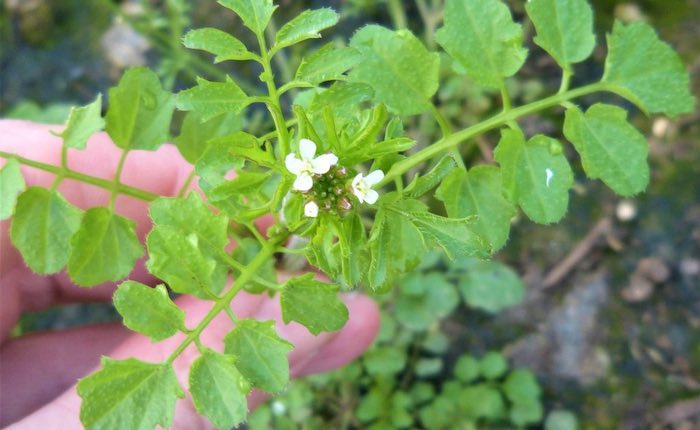
Controlling Annual Weeds
The key thing with annual weeds is to get them out before they have a chance to seed. This is because their method of propagation is to produce a large numbers of seeds and then die off: the next generation grows the following year from the current year's seed.
The fact that the plant can't survive the winter means that they need to produce 1000's of seeds to ensure there is a high enough chance of some of them germinating and producing seed-bearing plants the following year.

The Stirrup Or Oscillating Hoe
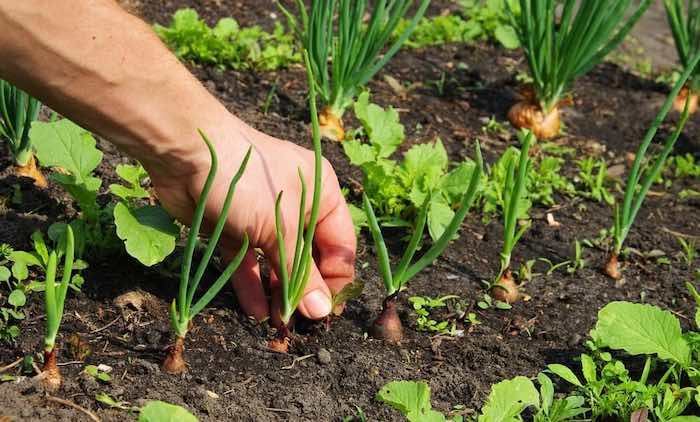
View ProductThe good news with annual weeds is that they don't have deep root systems, so they can be very easily plucked from loose soil or hoed off. If you are using a hoe on a dry day, you don't need to pick up annual weeds as they will die off once their roots are out of the ground.
Also - because they contain very little cellulose - they will shrivel up to almost nothing very quickly, so it will look like you have tidied them up anyway.
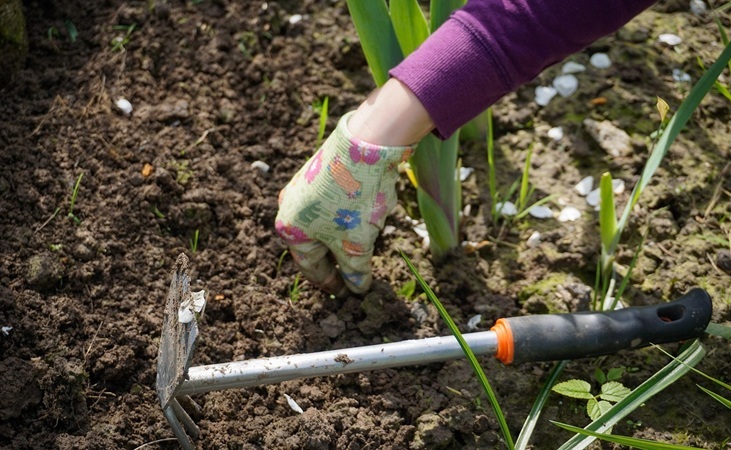
If you are clearing - or have cleared - an area of annual weeds which have gone to seed, it is a good idea to try to kill off the weed seeds which will have inevitably been scattered all over the soil.
This is going to sound very extreme, but if (like me) you use a flame weeder instead of weedkiller, give the soil a quick once over with the flame. Provided you don't linger too long, the heat will be enough to kill the seeds but won't penetrate past the soil crust so wont do any lasting damage. This will do a lot to reduce the seven year curse.
Further Reading: Identifying Annual Weeds

Sheen X300 Flamegun
View ProductControlling Perennial Weeds
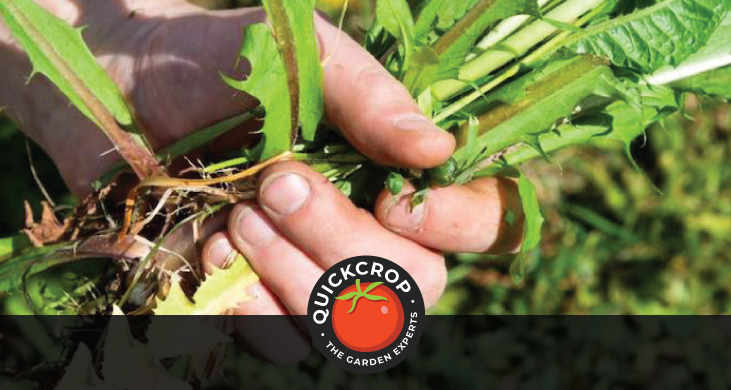
As you can see in the dandelion image below, perennial weeds have deep, energy-storing tap roots: these roots enable them to survive the winter with very little foliage above ground. Unfortunately for us, it also enables them to quickly sprout up again after we hoe the top off. This makes perennial weeds more challenging to control.
If you are intending to cultivate an area of ground with a lot of deep-rooted weeds (and you don't want to spray with weedkiller), the easiest and most successful method is to cover the area with a thick layer of cardboard or landscaping weed membrane to block out all the light.
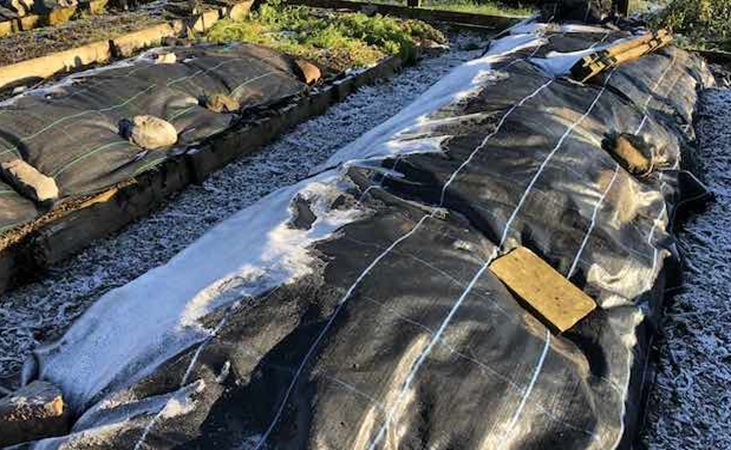
It is often said that the upside of using cardboard is that you can plant a crop straight away, but this is only if you have enough compost, rotted manure or (weed-free) soil to cover the cardboard and give sufficient depth for the crop to grow. In other words you will need a lot - so I am not sure this is viable for most people.
Plastic weed membrane might not look that attractive for the year it needs to be on (enough time for deep root weeds to use all the energy in their roots and die), but there's no denying that it's effective, and will leave you with a nice clean patch to work with.

Mypex Weed Control Landscape Fabric 2m wide
View ProductFurther Reading: Identifying Common Perennial Weeds
Recommended Weeding Tools
1. The Oscillating Hoe
You have seen me mention this tool about 40,000 times now, but let's just say there are hoes and there are hoes. The oscillating hoe is the easiest hoe to use in vegetable beds, as it takes very little effort, cuts on the push and pull stroke and stays razor-sharp.
It is a 'buy it for life' tool made in Austria from galvanized steel, with replacement blades available should you break it or wear it out.
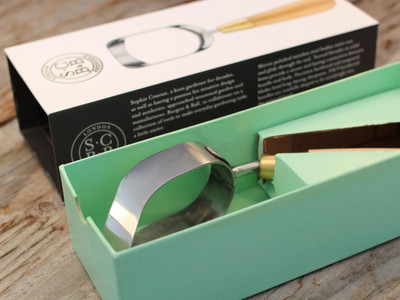
2. 'Deva' Copper Trowel
The Deva trowel is a very sleek-looking hand tool from Slovenian manufacturer OJ Bron. The sharp, smooth blade is made from a durable copper alloy, which results in quick and easy weeding with very little soil resistance. The angled handle meanwhile is made from ash wood.
With its narrow and pointed blade, the Deva trowel is also suitable for planting seedlings or carefully digging up plants witout disrupting the surrounding soil.
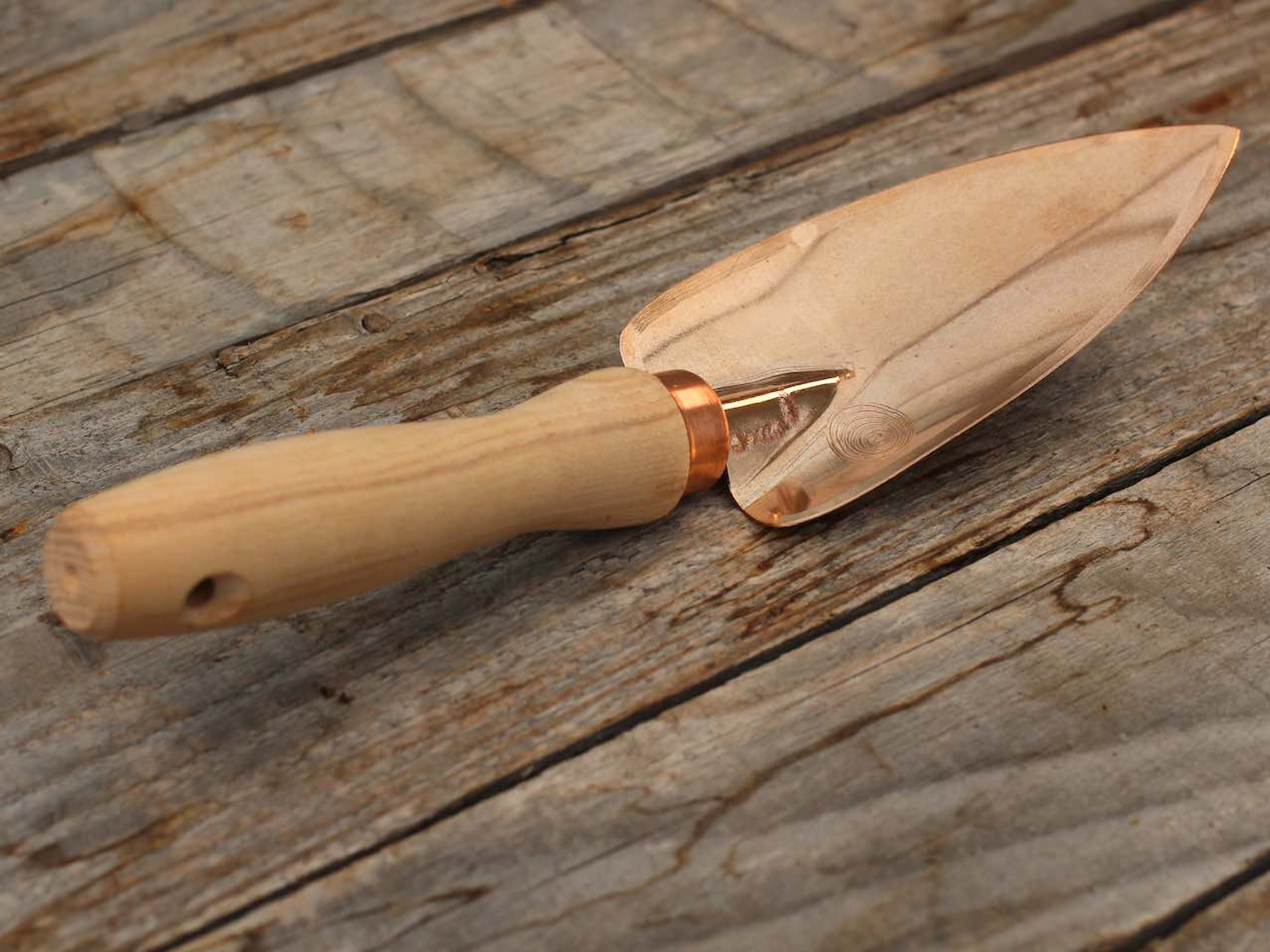
Handmade 'Deva' Copper Transplanting Trowel
View Product3. Haxnicks Speed Hoe
The Speed Hoe's angled blade - with sharp points at each end - enables both forward and backward strokes with the minimum of effort. Thus you can slice through weed roots just below the soil surface. The single-pointed front end of the blade produces less resistance for forward strokes: letting you guide the blade precisely between plants.
The Speed Hoe is available in both short and long handled versions: the former is ideal for weeding raised beds and tight space, while the longer handle is particularly good for weeding between rows of vegetables.
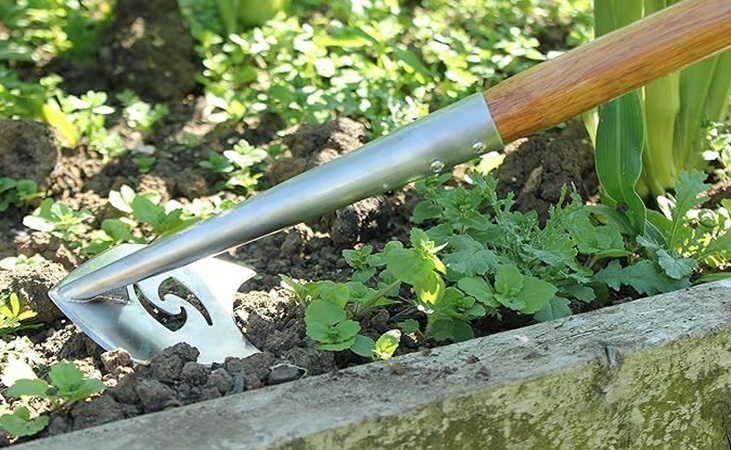
4. Canterbury Fork Hoe
The vintage, right angled design of the Canterbury Fork Hoe is suited to heavier weeding tasks. This is less delicate in operation than the above options. Instead it's used a little like a striking tool at first: swing the blade into the soil before using the resulting leverage to break up soil and dislodge tough, deep-rooted perennial weeds.
This is a very durable tool that has done nearly 20 years duty in the Quickcrop garden.

Chillington Canterbury Fork Hoe
View Product5. Sheen Flame Weeder
The Sheen Flamegun works by burning the top foliage of the weeds with a couple of quick passes, which soon results in the plant dying below ground as well. This method may not be for everyone, but it is a herbicide-free option for tackling big weeding jobs - as well as one that minimises tilling and soil disruption.
The Sheen Flamegun is very handy for tackling weeds along pathways, as well as removing moss and fungal growth.
Are There Organic Weedkillers?
As glyphosate and other weedkillers decline in popularity (due to their being harmful for the environment, insects or wildlife), some new less damaging solutions have come on the market. Some are better than others.
Most of the bunch contain acetic acid (vinegar), which is fine as it kills off foliage pretty effectively - but it isn't as good at killing the roots. One of the reasons why Roundup or other glyphosate weedkillers are so effective is that they are systemic: meaning they are taken in by the leaves and transported to the roots, thus killing the whole plant.

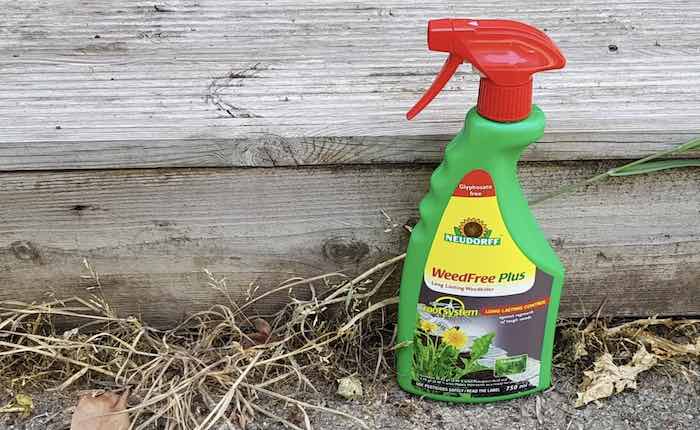
Neudorff WeedFree Plus
View ProductSo far, I think that the best all-round option for an environmentally friendly weedkiller are the products made by the German company Neudorff. They use a systemic mix of pelargonic acid and maleic hydrazide: which does seem to offer longer term results, especially when given two applications.
To be honest I'm not sure any weedkiller has a place in the vegetable garden, but if you have paths that are getting on top of you, the Neudorff product range does provide a decent and less harmful alternative.