The 9 Best Garden Soil Improvers
For the home gardener there is absolutely nothing more important than their soil. Soil is the life blood of the garden and its makeup will have a big influence on your successes or failures.
Good, healthy soil should:
- Hold adequate water but drain excess quickly
- Contain enough nutrients for plant needs
- Have a good, porous structure which enables aeration and deep root growth
- Be populated by beneficial microorganisms
- Resist erosion and compaction
What is a Soil Improver?
Soil improvement refers to any method or practice used to enhance the physical or biological properties of soil so that it can support healthier plant growth, better crop yields, and long-term soil health.
The best route to a healthy garden soil is to add generous amounts of compost. We would always encourage you to make your own (it's easy once you get the hang of it), but a productive vegetable garden can often outpace your supply of homemade compost - so you may need some additional soil amendments.
Related Article: The Importance of Soil Biodiversity

Envirogrind Enriched Compost 850 L
View ProductSome Key Functions of Soil Improvers
Improve structure: They can loosen up compacted soils, making it easier for roots to grow and seek out nutrients or moisture.
Enhance water retention: They can help e.g. sandy soils to hold water more effectively.
Improve drainage: Help clay soils to drain better, in turn preventing waterlogging.
Increase microbial activity: This refers to benefical soil organisms, which break down organic matter and make nutrients more available to plants.
Reduce soil erosion: They can do this by helping to bind soil particles together.
Soil Improvers vs Fertilisers - What's the Difference?
When distinguishing between soil improvers (also referred to as conditioners) and fertilisers (or plant feeds) it’s easiest to simplify it as a long term holistic process as opposed to a quick fix.
Many soil improvers can be said to ‘feed plants’ - it’s just that they do this in an indirect way, by adding slow release nutrients to the soil or by enhancing microbial activity.
Plant feeds or fertilisers contain a higher concentration of nutrients and are typically aimed at feeding plants in the short term, correcting nutrient shortfalls and giving hungry plants what they need. These products are often soluble (although there are exceptions), meaning that any nutrients that are not quickly taken up by plant roots can wash right out of the soil.
Plant feeds and fertilisers often come in liquid (or sometimes pellet) form, while with soil improvers you are more likely to be adding bulky organic matter which will take time to break down and have the desired effect.
How Does Soil Become Depleted?
Soil depletion happens when nutrients, organic matter or beneficial microorganisms are gradually lost, reduced in numbers or become less available to plants over time. This can happen due to soil compaction, excess rainfall and leaching, or exposure to wind and erosion.

Supersoil Mix 750 L
View ProductSome soil types are more prone to these issues than others. Sandy soils, for example, drain quicker than others and can struggle to hold on to water or nutrients.
Organic matter should ideally be added come every growing season, as growing fruit and vegetables can take a lot out of the soil.
‘A fall in soil organic matter of 0.5% can reduce, for example, nutrient holding capacity by 4% of even fertile soils.’ - RHS
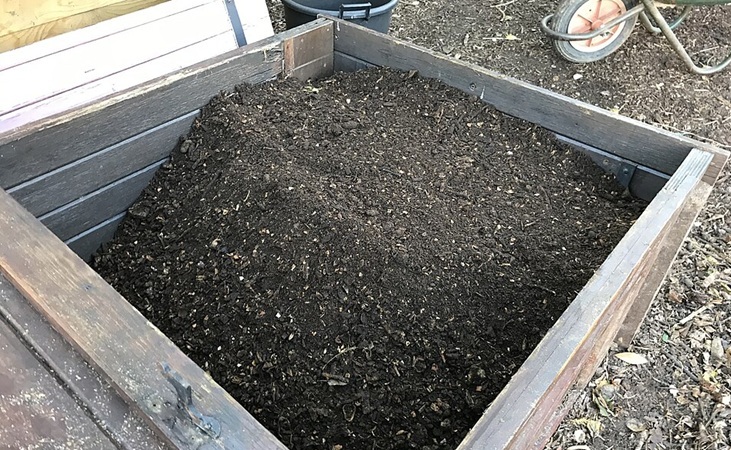
1 - Compost
Compost is an ideal soil improver:
- It improves the structural make-up of the soil (porosity and aeration)
- It can help clay soils to drain more effectively or improve a sandy soil’s ability to retain moisture
- It improves nutrient availability and uptake by plant roots
- It boosts soil microorganisms and underground biological activity
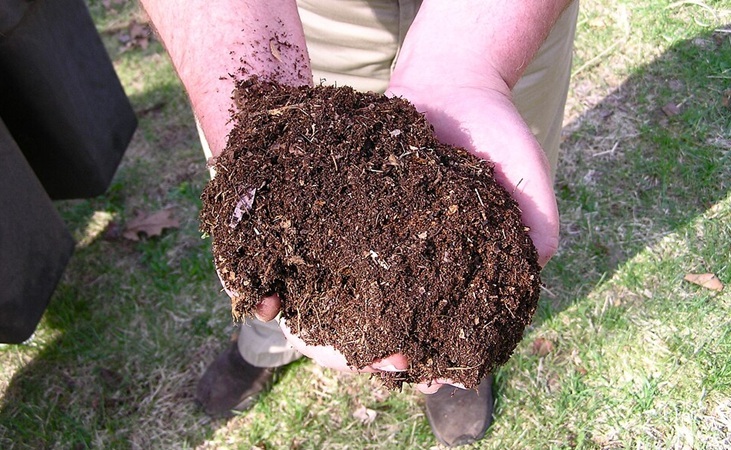
Good quality compost consists of well broken down organic matter that takes on a crumbly, almost uniform texture. Essentially you are returning organic matter to the soil, and this cycling process is a key aspect of how soils self-replenish in nature.
Related Article: When Do I Add Compost to My Garden?

Hotbin Composter - 200 L
View ProductHomemade compost is a great way of recycling your food or garden waste and putting it to work in your vegetable garden. Pay attention to your ratios of browns and greens and you will eventually have your own friable soil nourisher.
It is often the case that homemade compost alone will not be enough to fulfill the needs of the vegetable garden. There are a range of commercial composts that you can buy in, with some being optimised for seed germination or for container growing, while the range of peat free compost options is steadily improving.
For general food growing purposes, the top of the class for us is Envirogrind. This compost is produced at a facility in Donegal, using a wide range of organic waste including food waste, fish and shellfish waste and green waste. Fish waste in particular adds amino acids, extra macro and micronutrients, and vitamins, making the final product richer and more balanced.
Compost can be added to the soil surface as a mulch or dug in closer to planting time. Adding a layer of mulch in late autumn or winter is a sensible way of preparing the soil for next spring, as it gives the organic material plenty of time to break down naturally.
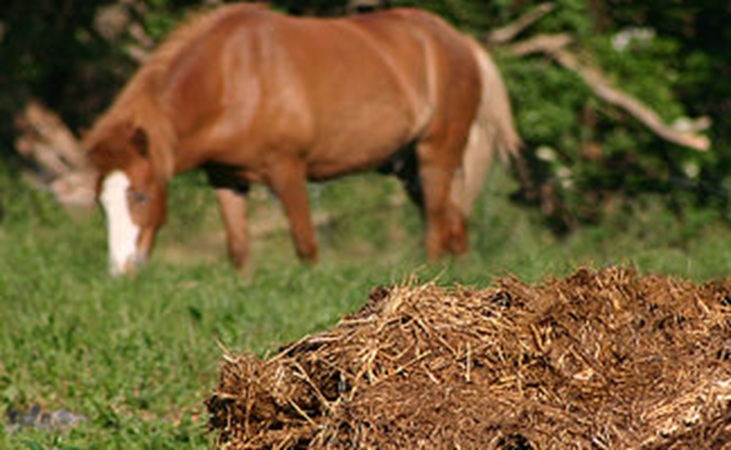
2 - Manure
Manure (from cattle, chickens, sheep or horses) is another very effective soil improver. It can improve the structure of all types of soil, and contains a wide range of nutrients - including NPK - as well as trace elements.
Manure should be well-rotted or broken down before using directly on the soil. Fresh manure can potentially ‘burn’ plant roots with its high nitrogen levels, introduce pathogens to the soil or result in excess leafy growth (e.g. masses of dark green potato foliage with only a few small tubers).

Gee Up Horse Manure Organically Certified Bags
View ProductThe time needed for manure to break down sufficiently can vary. Horse manure for example can take up to a year to qualify as ‘well-rotted’, but this can depend on additional factors such as storage, aeration or bedding material (wood shavings will take longer to decompose than straw).
To cut a long story short, the best way to know if manure is well-rotted is by observing it: mature manure should be a dark brown, crumbly material (much like compost), with an ‘earthy’ smell rather than a strong ammonia-like smell.
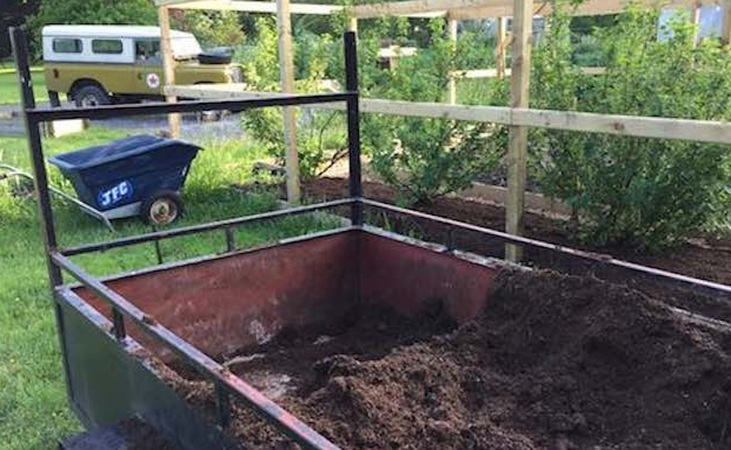
Manure can be applied as a mulch or dug in; if it’s the latter do so deeply and evenly. 'Fresh' manure should be added in the autumn to allow it time to break down before you plant in spring.
3 - Seaweed
Seaweed has traditionally been used as a soil improver in coastal regions because of its nutrient content and easy availability. It supplies a broad range of macro and micronutrients, including nitrogen, potassium, phosphorus and magnesium.
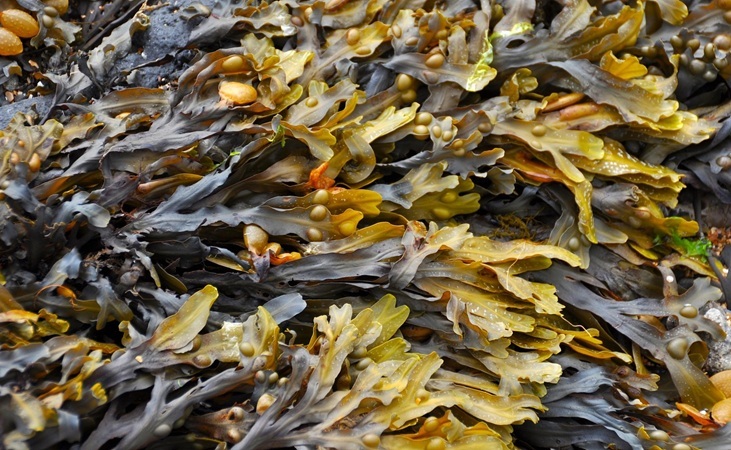
Fresh seaweed (harvest it responsibly!) can be dug into the soil to break down naturally or simply laid on top of beds as a mulch. When used as a mulch, seaweed helps suppress weeds and regulate soil temperature, as well as gradually releasing nutrients as it decomposes.
If you don’t have a supply of fresh seaweed to hand, there are an increasing number of seaweed-based products out there. Many of these are intended to feed plants directly, but others - such as our Seafeed Seaweed Meal - are formulated to act as soil improvers: enhancing structure and aeration and boosting microbial activity.

Seafeed Organic Seaweed Meal Soil And Plant Feed
View Product4 - Leaf Mould
Leaf mould is an excellent soil improver, and completely free - all you have to do is collect fallen autumn leaves and create a space or pile for them to break down naturally. In the meantime your leaf pile can provide a winter habitat for hedgehogs and other wildlife.
The full transformation into crumbly leaf mould can take from 6 months up to 2 years; you can speed the process along by shredding the leaves in advance or keeping the pile moist or well-contained (e.g. by using bags made from jute material).
When added to soil, leaf mould can make it easier for plant roots to penetrate and take up nutrients, as well as stimulating beneficial microbial activity.
5 - Vermicompost
Vermicomposting is distinct from the typical composting process as it involves using a ‘wormery’ where special composting worms (e.g. ‘red wrigglers’) are added in large numbers, processing the organic material into a nutrient-rich mix of worm castings (or worm poo, to be blunt about it) and decomposed organic material.
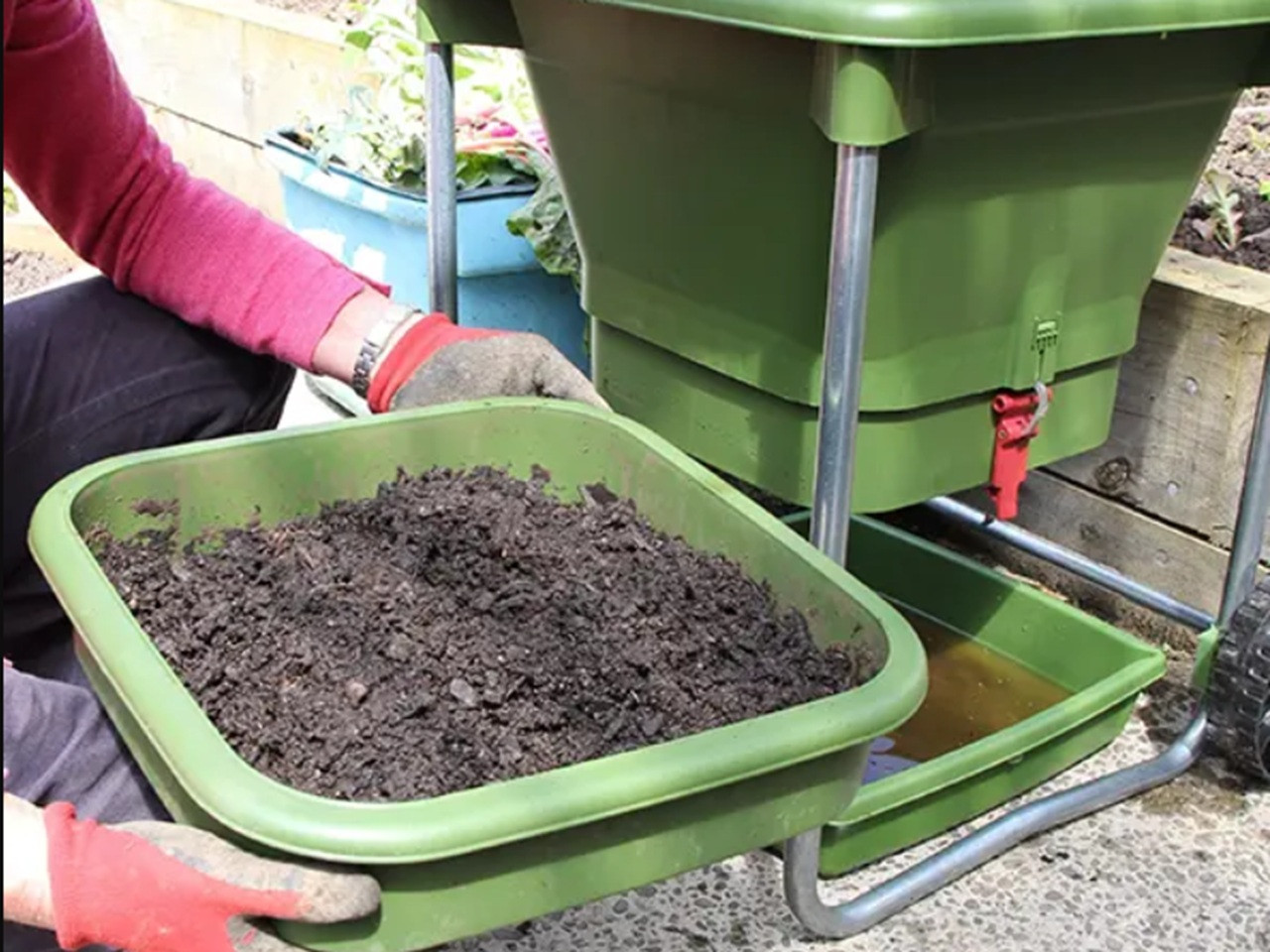
Hungry Bin Worm Composter
View ProductBecause wormery composters are often compact and odour-free (when managed properly), they are popular in schools as an educational tool - as well as urban settings where outdoor composting may not be practical.
Vermicompost can improve soil fertility by providing nutrients such as nitrogen, phosphorus, and potassium, as well as inoculating the soil with beneficial microbes.
However the RHS emphasise that vermicomposting should not be seen as a substitute for conventional compost - it’s better suited for more small-scale, targeted garden usage (e.g. as a soil amendment or added to a seed starting mix); similarly, vermicomposting systems won’t handle the same volumes of organic waste as a medium-to-large composter.
6 - Mushroom Compost
By now you can tell that a lot of these soil improvers will overlap in terms of their organic contents, and so it is with spent mushroom compost (a byproduct of edible mushroom production).
Mushroom compost is typically a mix of organic matter, chicken or horse manure, gypsum and (often making up the bulk of the mix) composted straw bedding. Overall this makes for a very good soil conditioner and source of nutrients.
Spent mushroom compost can contain high levels of chalk due to the nature of mushroom cultivation. The alkaline pH (6.5 to 7.5) makes it unsuitable for acid-loving plants (e.g. blueberries, rhododendrons), but very suitable for brassicas (cabbage, broccoli, kohlrabi); an alkaline-leaning soil can even reduce the incidence of brassica diseases such as Clubroot.
The best way to apply mushroom compost to your vegetable beds is as an evenly spread mulch (5cm deep) and allow soil organisms, earthworms etc to do the rest of the work. Alternatively you can lightly mix it into the top layer of soil.
7 - Green Manures
Green manures refer to a range of crops - also known as ‘cover crops’ - which can be sown during dormant periods in the vegetable garden. The main aim is to cover bare soil, protecting it from erosion or weather extremes as well as being a natural way to suppress weeds (without the use of chemicals or plastic-derived ground covers).
The roots of these crops (examples: clover, buckwheat, field beans) help to maintain or enhance soil structure, while in some cases (e.g. field beans, vetch) fixing atmospheric nitrogen.
Green manures are best cut down before flowering to prevent them from setting seed. Once this is done they can be dug into the soil or left on the surface to break down (if you prefer a ‘no dig’ approach to gardening), as they will add valuable organic matter to the soil.
As an added bonus, green manure crops such as buckwheat and red clover provide late sources of nectar for pollinators.
8 - Bark/ Woodchip
Bark or woodchip are often used for decorative mulching of borders, flower beds or pathways, but these materials can also have a soil-improving effect when left to break down.
Similar (in appearance and effect) but different enough to be worth distinguishing between, bark mulch is the byproduct of timber processing and can vary in texture, while woodchips are smaller and more uniform, and are produced by chipping branches, tree stumps etc.
Typically bought in or supplied in bulk bags, these woody organic materials have been shown to have a soil improving effect when they break down, notably by improving structure, moisture retention and drainage.
You may sometimes hear people warn that bark or woodchip will rob the soil of nitrogen; this concern arises because microorganisms that break down woody material use up nitrogen during the decomposition process. However, research suggests that this process occurs mainly near the soil surface, rather than deeper in the soil where plant roots are located. In fact, some studies show that soil can end up with higher nitrogen levels once the decomposition process has taken place.
Problems are more likely to occur if large quantities of woodchip are mixed directly into the soil, so it’s generally best to allow woody materials to break down on the soil surface - which should go hand in hand with their common use as a surface mulch anyway.
9 - Soil Renew
A bit more of a targeted product placement here, but Soil Renew is a highly rated organic soil improver that is designed to revitalise tired, compacted, overworked or depleted soils.
It consists of a complex of micro organisms as well as organic plant matter; this serves to boost microbial activity and revitalise soil in the natural way as opposed to relying on chemical or synthetic inputs. The result is improved soil structure and fertility, with better moisture retention and an increase in earthworm activity.
Soil Renew comes in the form of pellets that should be applied to the soil surface rather than dug in. To ensure the pellets have the desired effect, ground temperature should be above 8 °C and conditions should not be too dry.