Vermicomposting for Beginners: How to Use a Wormery
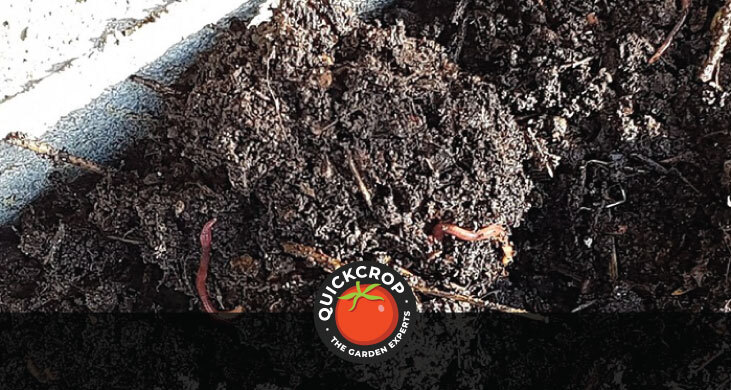
Vermicomposting is an alternative to traditional composting, using special composting worms which process and break down food waste.
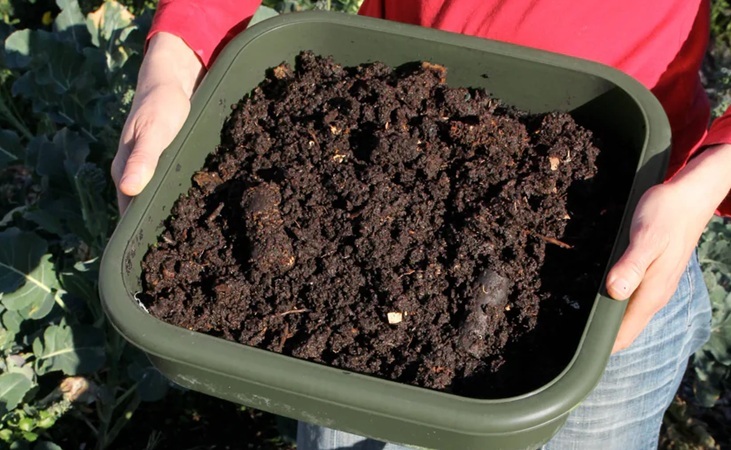
You may have heard of worm castings: these consist of digested organic matter that has been excreted ('worm poo' to be blunt). The result is a dark, crumbly material that can be used as a soil amendment or periodic top dressing for plants.
As well as providing slow-release nutrients, worm castings also improve soil structure and boost populations of beneficial soil microbes.
Note that the end product of worm composting is unlikely to be 100% worm castings; the harvested material is a mixture of worm castings, partially decomposed organic matter, microorganisms and other bedding residues.

Living Green Organic Wormcast Compost 40 L
View ProductWorm composting can be a great option if:
- you lack enough bulk waste for conventional composting
- you want to compost indoors, in an apartment or a small space
- you want a sustainable way of recycling kitchen waste, while reducing the food waste you send to landfill
- you are looking for a low-maintenance composting system
Worm farming can be done at scale (it's where Living Green compost comes from), but it is also very suitable - maybe even ideal - for small living situations with modest amounts of organic waste.
Advantages of Vermicomposting
'Cold' Composting
Unlike traditional compost heaps, worm composting does not rely on high temperatures to break down organic matter. The worms and microorganisms can do the work at moderate temperatures, making the process easier to manage and suitable year-round in many environments.
Minimal Odours
A well-managed* worm bin will produce very little smell. Unlike food waste left in a kitchen caddy - or a poorly maintained compost heap - the contents of a worm bin should have an earthy, soil-like scent. Because food scraps are covered or mixed with bedding material and being continuously digested by worms, unpleasant odours are minimised.
*See info below on what materials to add. Meat and dairy are not recommended for wormeries, or the minimal odour theory will be severely tested.
Hungry Bin Worm Composter
View ProductCompact
Vermicomposters can be a real space-saver in comparison to traditional composting bins or units. A worm bin can fit in a utility room, shed, balcony, apartment, or within the space restrictions of a small urban garden.
Educational and Enjoyable
A worm bin is a great option for schools or community gardens: it allows you to see the process of natural decompostion in action, and shows how even small 'creepy crawlies' play a vital, often hidden role in our ecosystem.
Low Maintenance
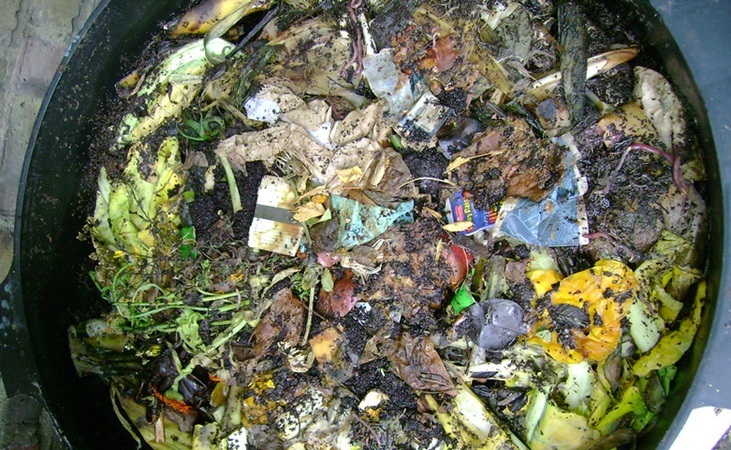
With vermicomposting, you don't have to worry so much about traditional composting concerns, like ratios of browns to greens or turning the compost pile. As long as you have a good base of bedding, some ventilation and a population of worms, you can let nature take its course.
However it's still important to monitor conditions and watch out for excesses of moisture or acidity.
How Long Does Worm Composting Take?
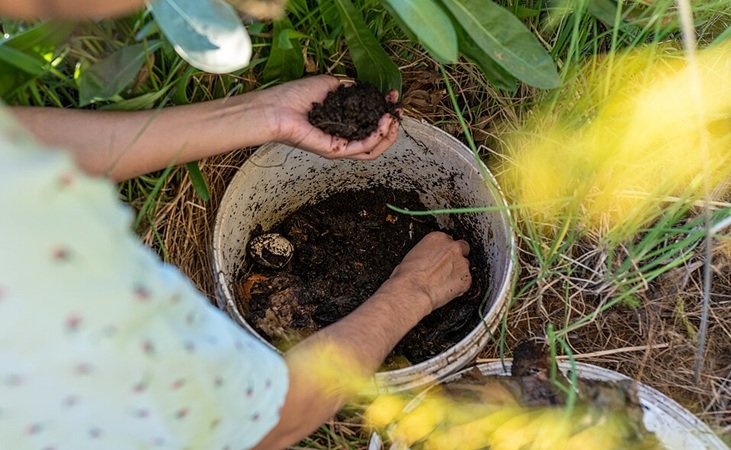
This can depend on a number of factors, like the size of your wormery or the amount of worms inside it. Generally speaking vermicompost can be harvested within 2-4 months.
Finished vermicompost should be dark brown to black, crumbly in texture with a pleasant earthy smell.
What Kind of Worms Do I Need for Vermicomposting?
Specialised worms are required for vermicomposting. This is because they need to reproduce in large enough numbers - as well as have a sufficient appetite for kitchen scraps - to make worm composting viable.
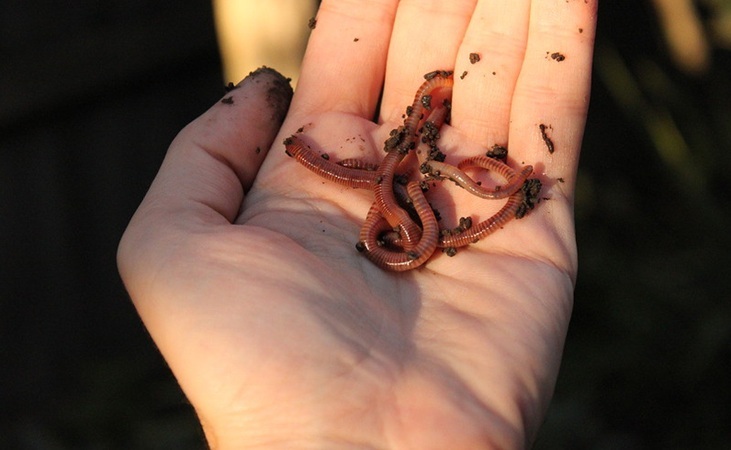
The most commonly used type in Ireland or the UK is known as the 'red wriggler' worm or tiger worm. This species is adept at breaking down organic waste such as food scraps.

Composting Worms 0.5 kg - 2 kg
View ProductThe red wriggler is perfect for vermicomposting; both for the above reasons and because it is a 'surface feeder', meaning that the worms hang around the upper region of a worm bin or container. This is what you want, as fresh organic material will be added to the upper parts of your composter, while the wormcast or broken down material can be collected towards the base.
Red wriggler worms are smaller than garden earthworms, and will adapt better to the moist enclosed environment. However, it is still important to ensure that the material doesn't become waterlogged, and to keep interior temperatures roughly in the range of 15-25 °C.
How Many Worms Do I Need for a Successful Worm Bin?
Red wriggler populations inside a worm bin can naturally double in the space of 2 months. How many you need to start off with can depend on the size of your container, but for the typical food waste of (say) an apartment dweller, you will not need a massive amount of worms to kick things off.
Technically all you need is 2 (a boy and a girl), but of course you'll want your population to grow a bit faster than that.
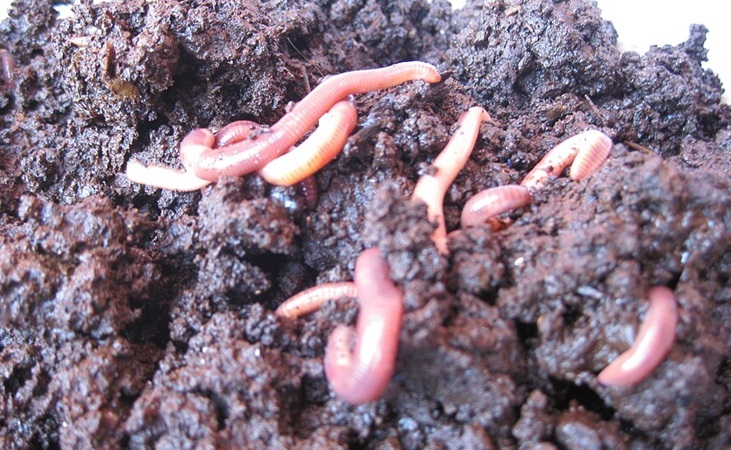
We supply red wriggler (Dendrobaena) worms in packs of 500g, 1kg or 2kg. The 500g pack is recommended for starting a small wormery. The Hungry Bin worm composter recommends starting with 2000 worms (1kg).
Key Parts of a Worm Bin
Bedding material: This commonly consists of shredded newspaper (preferably a little bit damp), but you can also use coconut coir or untreated wood shavings. The bedding should be moist like a wrung-out sponge.
Ventilation holes: A worm bin requires air circulation. If making your own worm bin, you can create these holes along the sides near the top of the bin. Avoid making holes on the lid, as this could lead to fruit fly issues.
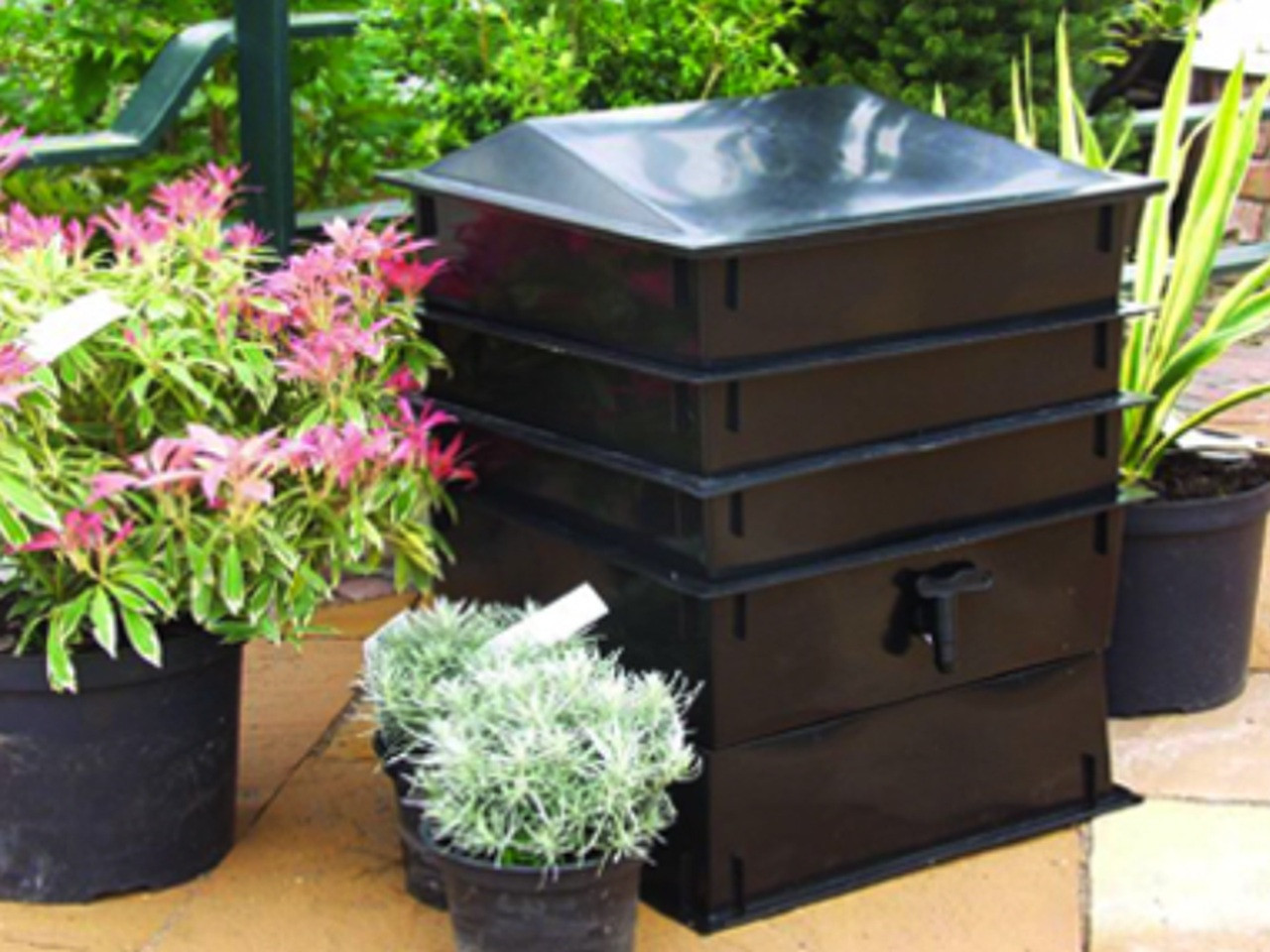
Worm Works Wormery For Home Composting
View ProductRaised bottom: The base should be raised off the ground; this allows for drainage. Many worm bins encompass a drainage tray or sump where leacheate naturally collects and can be removed. This can then be used (diluted) as a liquid 'fertiliser' in the garden: opinion is generally mixed as to how effective or beneficial this byproduct is.
Lid: A lid or covering is important because worms prefer darkness, and it allows decomposition to take place without attracting fruit flies etc.
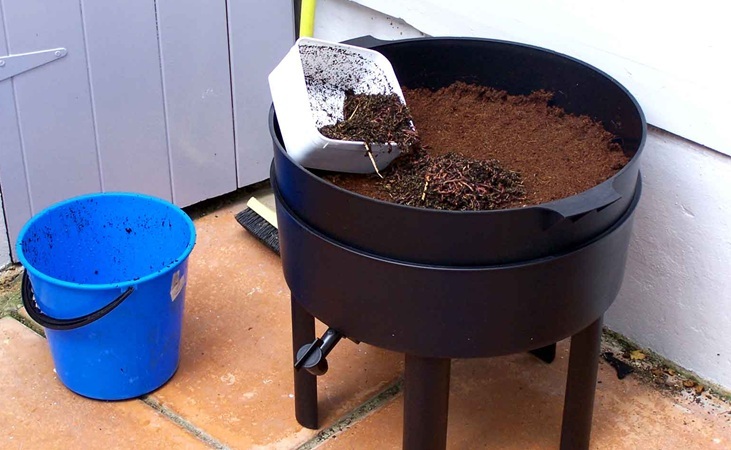
Composting in a Wormery
- Dig a shallow hole in bedding layer, and drop scraps into it before loosely covering.
- Add small amounts of food regularly, and chop bigger food items up if need be: the worms will work more efficiently than if large amounts are added. It is better to underfeed than overfeed!
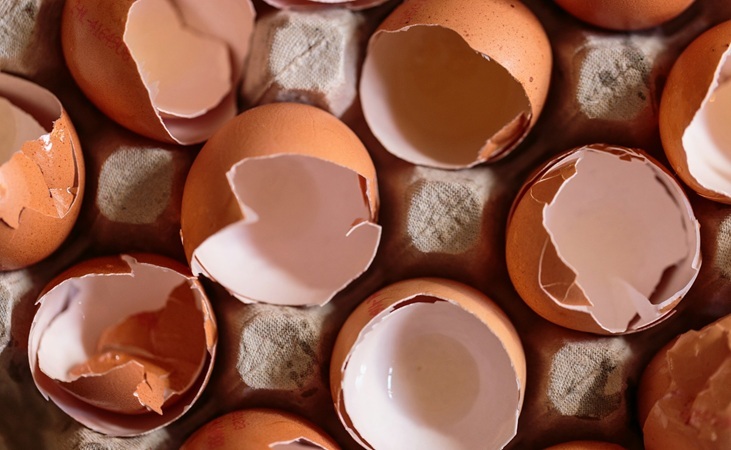
- What you can add: raw or cooked vegetables, eggshells, teabags, coffee grounds, small amounts of bread, small amounts of green garden waste (such as leaves or weeds)
- What to avoid adding (except in very small amounts): dairy, greasy foods, cooked meat or fish, bones, raw garlic, leek or onions, citrus peel, large quantities of leaves or woody material
- You can gently fork over the material occasionally to check on worm activity.
- Moisture tends to be added with organic material anyway, but if the mix seems to be a bit dry you can spray some water to increase moisture.
- Worms can be sensitive to acidic conditions; limit high-acid material such as orange peel, grapefruit, garlic etc)
Should You Bury the Food in Your Worm Bin?
It's not strictly necessary to bury your food waste (i.e. in a shallow hole made within the bedding) when adding it to the worm bin, but it is a good idea and will make everything run much more smoothly.
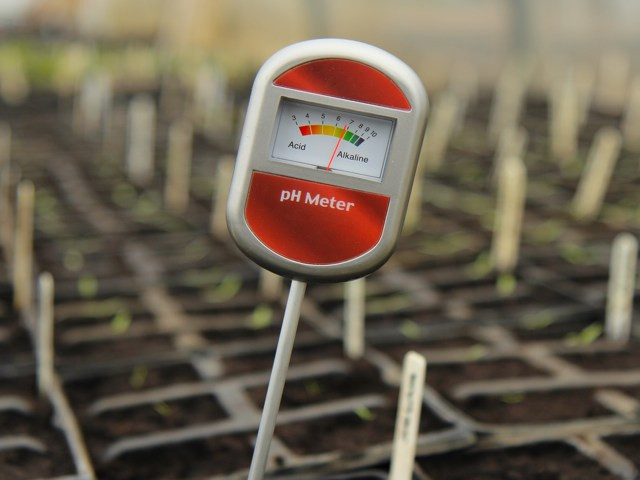
Mini Soil pH Tester
View ProductFirstly, the bedding will act as a natural filter that stops any unpleasant odours from developing. It also encourages worm activity - although red wrigglers prefer the upper regions of a worm bin, they are still habitual 'burrowers'.
Continuous Flow vs Stackable Worm Bin
These are two different worm bin designs, each with their own advantages.
Many worm bins have a stackable modular design, with pull-out trays. You start with the bottom tray, adding your bedding, your food scraps and your worms. As the organic material is steadily digested and processed, worms will migrate upwards to the next tray where there will be fresh food scraps. Each tray will require its own layer of bedding.
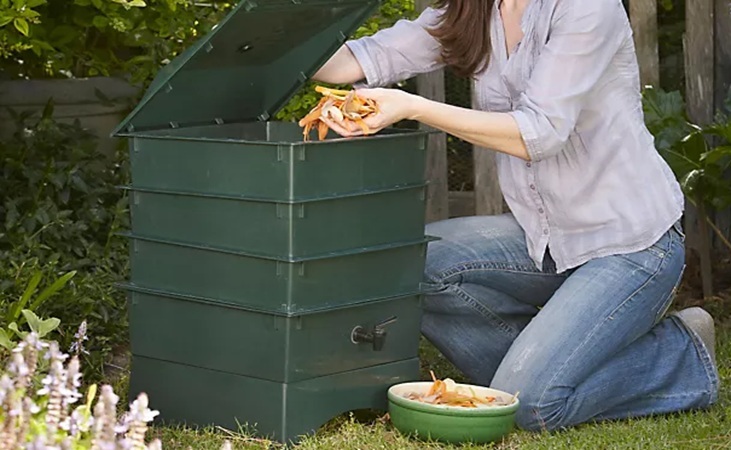
The advantage of this is that it is very easy to segregate organic material which is at different stages of decomposition. You can remove a lower tray and harvest worm castings, or add fresh organic waste at the top of the unit.
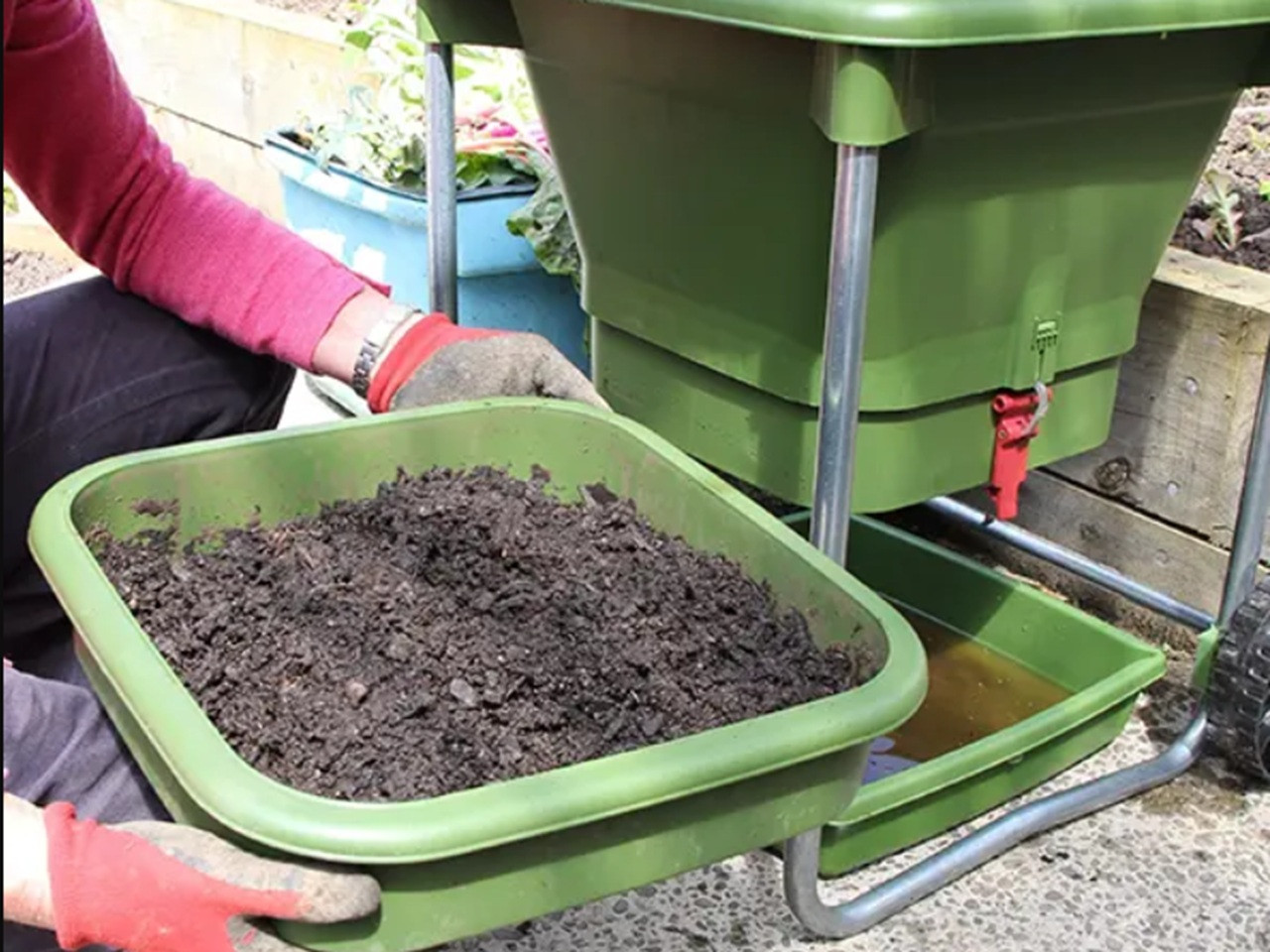
By contrast, a continuous flow unit such as the Hungry Bin is basically one container (hence 'bin'). That doesn't mean that it has no structure, though. 'Red wriggler' worms, as we know from above, are surface feeders - and the design of the Hungry Bin, which tapers towards the base, allows digested material or worm castings to travel downwards where they can be harvested from a base tray.
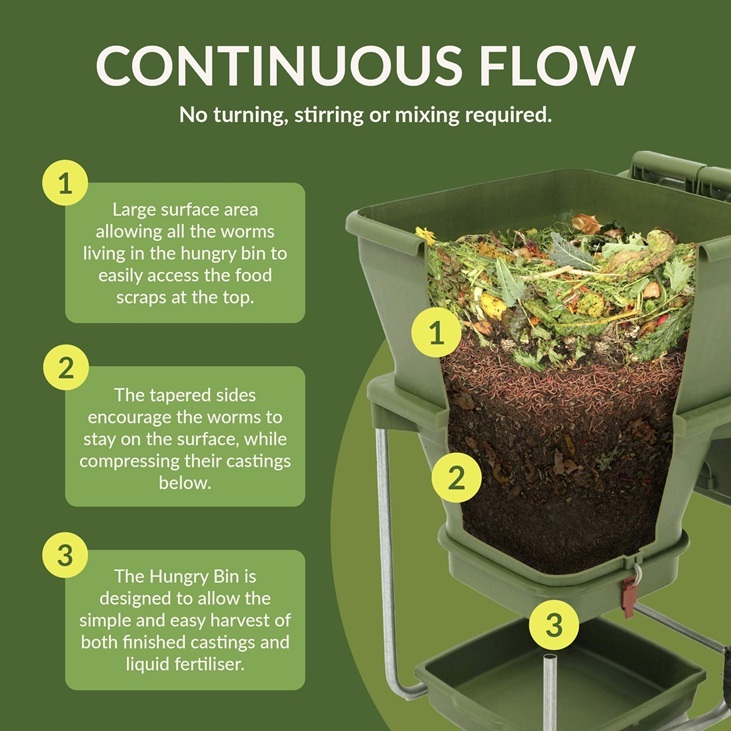
The conical design also funnels any excess moisture downwards towards a drip tray or reservoir where it can be extracted.
Where To Place a Wormery Composter
A worm composter can be placed anywhere where it will not be subject to temperature extremes. Some shelter is best. Commonly used areas include sheds or under kitchen sinks.
Using Vermicompost in the Garden
- Worm castings or vermicompost can be added to a soil or potting mix (recommended as 10% of volume) for a boost of slow-release nutrients
- Use as a general soil conditioner; add to the soil surface or lightly dig it in to the top few cm of soil.
- Add a small amount of worm compost directly into the planting hole when transplanting young seedlings.
- Lightly sprinkle as a top dressing around established plants, or for houseplants.
- Use as a mulch component around vegetables, flowers, shrubs and trees to improve soil structure, moisture retention and biological activity.
- It's worth remembering that worm castings can be quite high in nitrogen compared to traditional compost; for this reason less is more if you are using the material around young plants or seedlings.