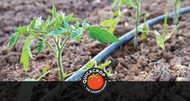
What is Drip Irrigation?
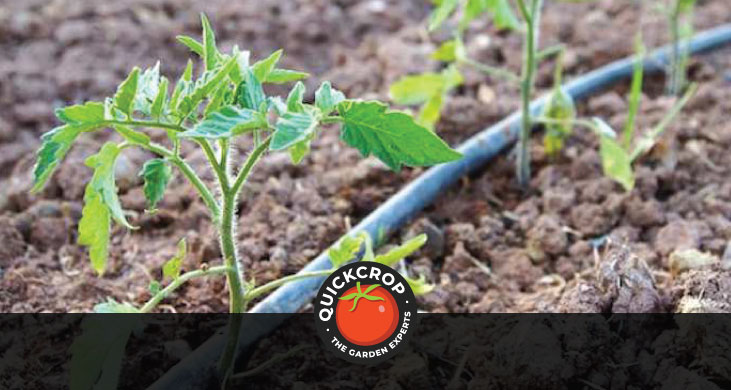
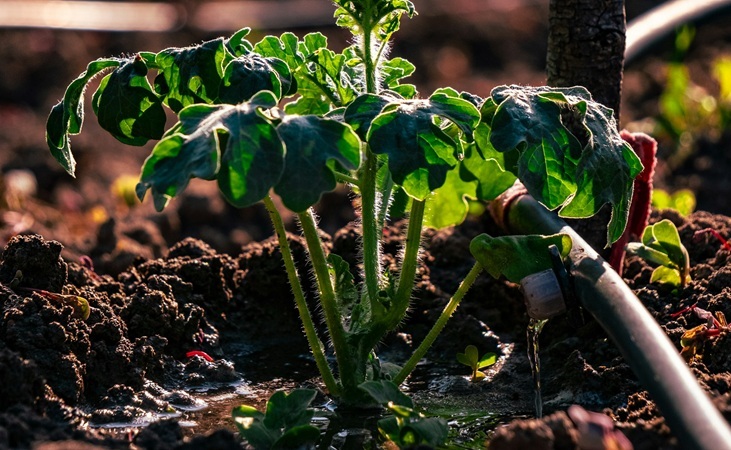
Drip irrigation is a very efficient method of automated watering. It uses a combination of narrow pipes, tubing, valves and small emitters to deliver a steady, measured supply of water directly to the root zone of plants.
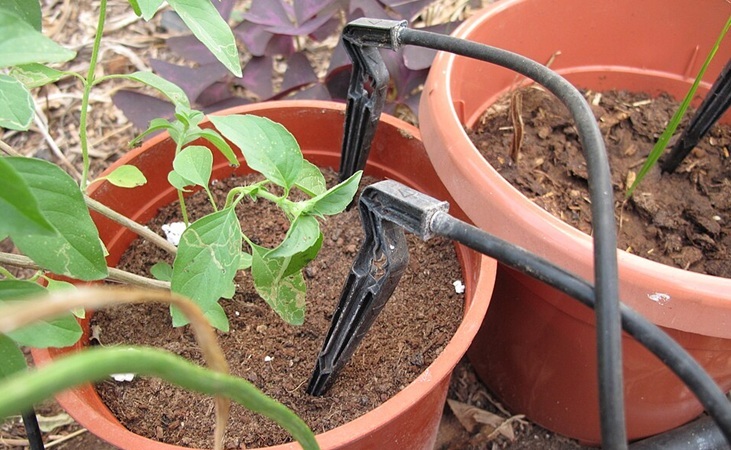
The irrigation piping is commonly laid along the surface of the soil, but it can also be slightly buried. A drip irrigation system can be set up for an outdoor garden or (with minor adjustments) for polytunnels and greenhouses, raised beds, pots or containers.
As mentioned, the key benefit of drip irrigation (also known as ‘trickle irrigation’) is its efficiency - particularly in comparison to watering plants from above or via a sprinkler. Water is much more likely to be lost to evaporation or blown away by wind when watering from above the plant or seedling.
By comparison, because drip irrigation delivers water with more precision to the root zone of plants, it is absorbed by the soil where the roots can access it.

Build Your Own Drip Irrigation System (Parts Picker)
View ProductIn agricultural or commercial settings drip irrigation can also be used to deliver fertilizer and nutrients. Overall it’s regarded as one of the most important innovations in modern agriculture, particularly in areas where water supplies are limited.
Did You Know? Drip irrigation has been used as far back as the 1st century BCE, where buried clay pots filled with water were used as an irrigation method in China (this technique, known as Olla, can still be used today).
What are the Advantages of Drip Irrigation?
- less water lost to evaporation (because it is being delivered directly to the root zone). A well designed and installed drip irrigation system can use up to 70% less water
- there is less chance of fungal disease or problems such as tomato blight. When leaves or foliage are watered from above, standing water can be an issue - especially in humid conditions. This is naturally avoided with drip irrigation, since moisture is being taken up from below.
- drip irrigation systems can be easily automated - for example by including a water timer component.
- less soil disturbance compared to other watering methods
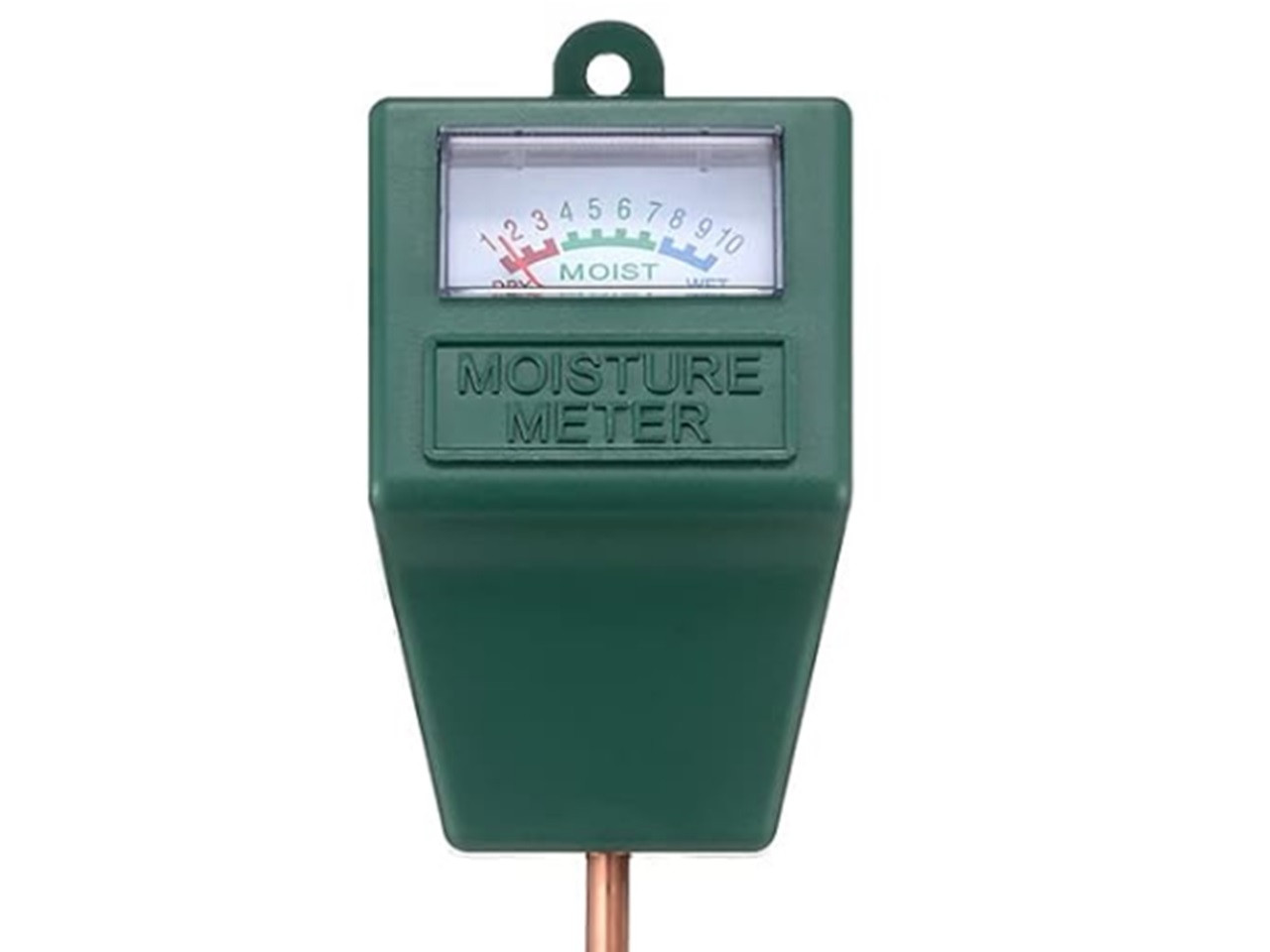
Soil Moisture Meter
View Product- a considerable time saver, particularly when the system is automated/timed.
- drip irrigation systems are sometimes exempt from hosepipe bans (check with your local authority to be sure)
- when water is being delivered in this targeted and precise manner, less water is available to nearby weeds
- all vegetables have different individual watering requirements, which can vary throughout the season according to temperature and weather fluctuations. A drip irrigation system can be built to accommodate these needs, providing the ability to incorporate separate watering zones and practice a targeted watering regime.
Types of Drip Irrigation
Surface Drip Irrigation
- piping or tubing is laid along the surface of the soil.
- easy to install, adjust and maintain.
- common for home gardens, polytunnels and vegetable beds.
- this is a popular option for domestic gardeners, because it is easily modified as crops are rotated or beds are replanted.
Subsurface Drip Irrigation
- drip piping is buried below the soil surface (the exact depth can vary).
- this can reduce evaporation even further.
- commonly used in commercial agriculture or for watering lawns.
- however, with this type it can be harder to observe how much water is being emitted or identify any issue (such as a blockage). It can also be a more complex installation.
Soaker Hoses
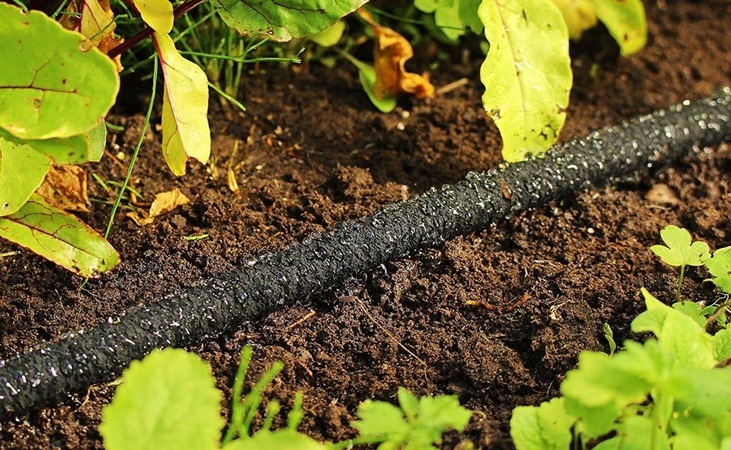
A soaker hose can be regarded as a form of drip irrigation. With this method, a length of hose is place along the soil surface. The hose is porous, meaning that water 'weeps' out into the surrounding soil in measured amounts.
- Soaker hoses are somewhat less precise than drip irrigation: while drip irrigation emitters are spaced out and can target the root zone of individual plants, soaker hoses typically emit water along their whole length.
- It is more simple to set up; you just place the hose along vegetable beds, borders or hedging. The hose can be laid out straight or you can form 'snaking' patterns with it.
- Like drip irrigation, this is a very efficient watering method and can be combined with a timer.

Flopro Soaker Hose 15 m
View ProductDrip Irrigation Kits
Drip irrigation kits for home growers are relatively easy to set up once you understand the overall system. Here at Quickcrop we supply a 'build your own' drip irrigation system that we use ourselves in our own gardens, meaning that we can testify to its effectiveness as well as the quality of its component parts.
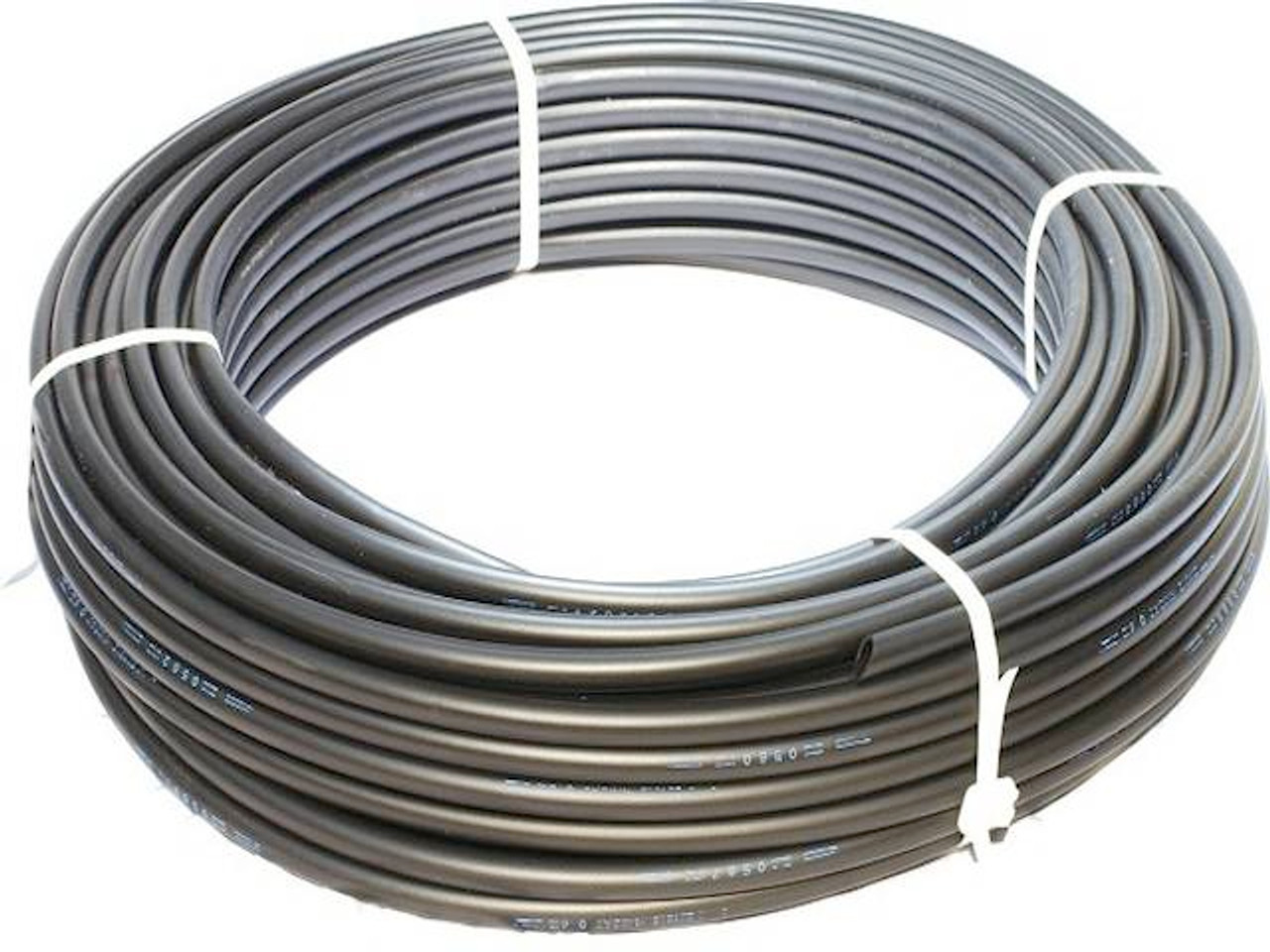
This system is very adaptable and can be customised to fit your garden layout. Supply piping attaches to your water source and carries water to your vegetable bed area/polytunnel etc, where you can then connect to the dripper piping. Both dripper pipes and supply pipes measure 16 mm and are coloured differently for easy identifying.

16 mm Dripper Irrigation pipe - 100 m
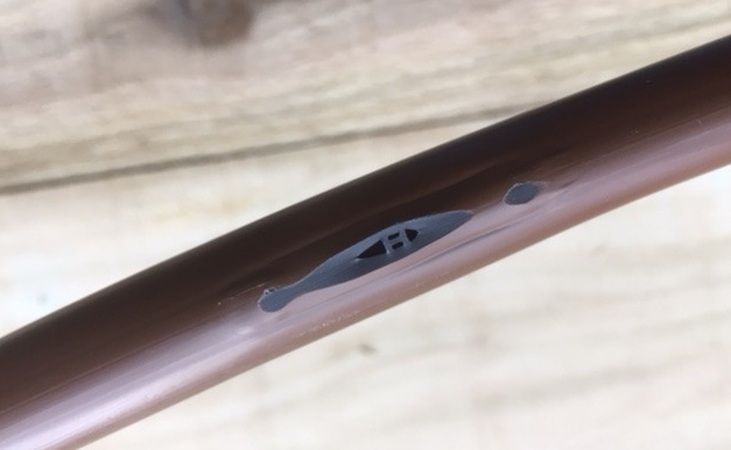
View ProductThe dripper piping features inline emitters (i.e. built in to the piping), which means there is less chance of clogs developing. The emitters are spaced out at 30 cm; this is regarded (by us anyway) as optimum distance for adequate water flow in a medium-grade soil with moderate drainage.
The system is all joined together using simple push-fit connectors. Valves are used to control and adjust water flow in each area or bed. The dripper pipes are pressure compensating, which encourages uniform watering even with sloping terrain or long lines.
You can also opt for a set of 4 x micro valve drippers, ideal for drip watering plants in containers.
How Many Drippers Can I Have on My Dripper Line?
Well there is no straight answer to this. While certain spacings (between drippers or emitters) are recommended, you can by all means have drippers placed closer together or add extra emitters (e.g. with a punch tool).
However, depending on the way the system has been designed, having too many emitters on a line can lead to issues with pressure or uneven watering.
A pressure compensating dripper line helps to keep water output consistent, but it doesn't mean you can theoretically keep adding emitters until the entire pipe is covered. For the above Quickcrop system, the flow rate is 2.3 litres per hour. Therefore:
Number of drippers × 2.3 lph = total flow required
If a large number of drippers are required, it may be better to divide the system into separate zones. We recommend doing this with a drip irrigation system anyway: it allows you to optimise water delivery and avoid overwatering certain plants. Valves are the key to modifying water supply to the different plant zones.
16 mm Supply Irrigation Pipe - 100 m
View Product