What is Plant Feed and Do My Plants Need It?
If you've been following these mailers for a while you will no doubt have heard us using one of our favourite phrases, 'feed the soil not your plants!'. The idea is that by regularly adding 'bulky' organic material to your garden (think compost, rotted manure or leaf mould) you are fostering a healthy soil with great structure, nutrient retention and a vibrant population of soil microbes. This in turn should reduce your reliance on supplementary plant feeds.
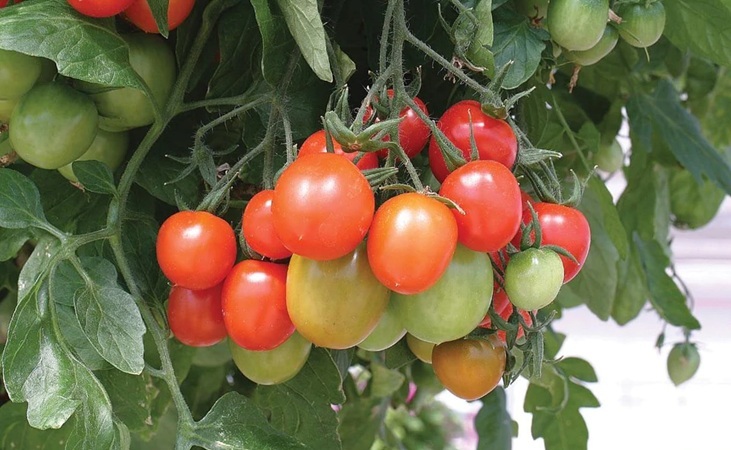
However plant feed will still have an important role to play, especially when it comes to hungry fruiting plants e.g. (tomatoes, peppers, cucumbers or strawberries), plants confined to containers, or for any plants showing signs of a nutrient deficiency.
Soil Improvers and Plant Feeds - What's the Difference?
Well the obvious difference is right there in the name, but things are rarely that black and white. Compost - whether it's homemade or purchased in bulk - primarily functions as a long-term soil improver, but good quality compost will also contain a range of macro and micro nutrients that are gradually made available to plants as soil microbes break down the material further.
The exact nutrient content of compost can vary depending on where it has been sourced and what has been added. Envirogrind for example contains a high percentage of composted fish waste, making for a notably nutrient-rich compost.
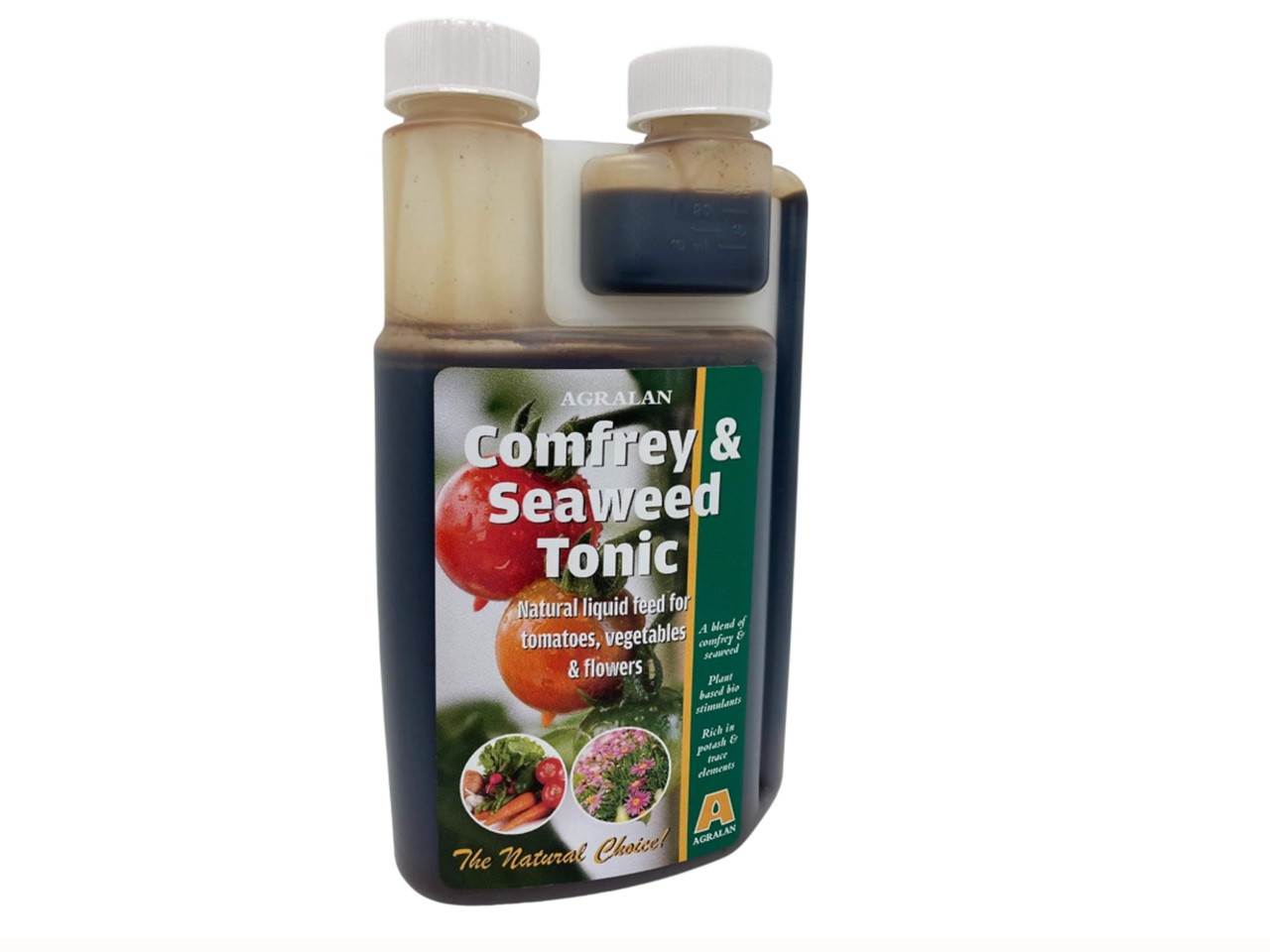
Comfrey & Seaweed Tonic - Liquid Plant Feed
View ProductThe key difference when we refer to 'Plant Feeds' is that they are mostly designed to deliver nutrients relatively quickly (almost immediately in some cases), correcting nutrient shortfalls and giving plants a quick boost.
Plant feeds can take the form of:
- liquid feeds
- granular material such as seaweed or blood, fish & bone
- pellets
- foliar feeds (applied to leaves)
Plant Feeds and NPK
One of the key things that differentiates plant feeds from more general soil improvers is that the former will usually (but not always) contain higher levels of plant-available NPK. NPK is the 'big three' of plant nutrition:
Nitrogen (N) - for leafy growth
Phosphorous (P) - for root development and energy transfer
Potassium (K) - for flowering and fruiting (also referred to as Potash)
Leafy crops particularly need nitrogen, and fruit crops won't develop well without enough potassium. Feeds high in nitrogen should be avoided on the latter plants when at the fruiting stage, as this can encourage leaf growth at the expense of the fruit.
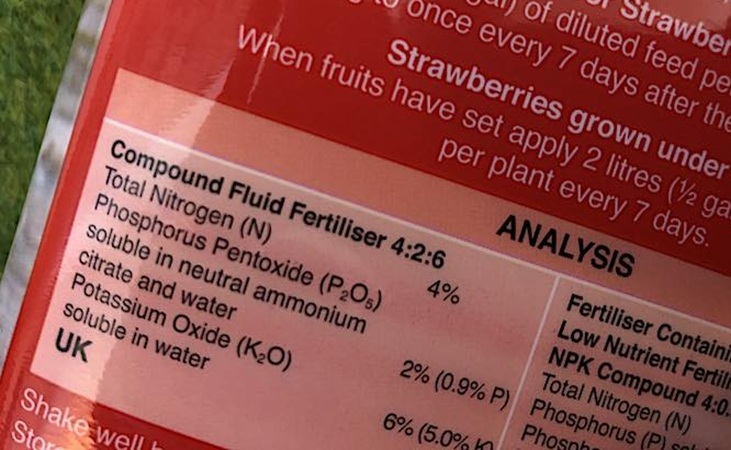
If you check the packaging of most plant feed products they will give you a formula of the contents of NPK (as a percentage of overall weight); this will be written in the form 5 - 2 - 5 or something to that effect. We've also included this info (where it's available) on the product descriptions on our website. This can get a little confusing mind you - the UK and Ireland can have different methods for calculating NPK - so it's not something to get bogged down in.
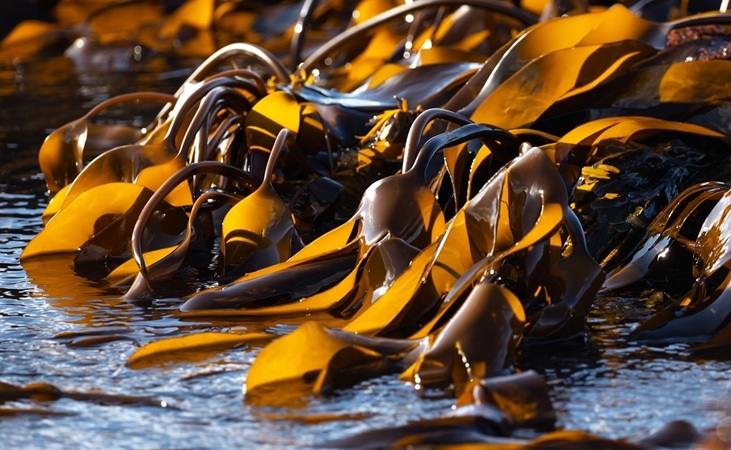
If the packaging doesn't feature this formula, then the plant feed is likely to work through a somewhat different method of action. Liquid seaweed feeds for example contain relatively low amounts of NPK and are often referred to as 'biostimulant' feeds or tonics: containing natural growth hormones and trace minerals, they encourage plant growth by strengthening root systems, improving stress tolerance and enhancing nutrient uptake.
Organic and Synthetic Plant Feeds
Organic plant feeds are derived from natural sources, such as seaweed, comfrey or poultry manure. Synthetic or inorganic plant feeds derive from mineral sources or chemical processes, and are manufactured to deliver more precise ratios.
Synthetic feeds are typically water soluble, meaning they can be taken up faster by plants but also that they are more susceptible to runoff.
Synthetic plant feeds may be faster acting, but have very little if any long term soil improving effect. Organic feeds tend to have a wider range of trace elements and additional nutrients, even if they contain less NPK.

Westland Fish, Blood & Bone
View ProductBecause synthetic feeds are highly concentrated, overfeeding can potentially lead to scorched foliage or a buildup of salt in the root zone.
Indeed, with a direct plant feed - whether synthetic or organic - you should use sparingly and in small amounts. It does not follow that if some is good then more will be better: as plants can only absorb nutrients at a limited rate in the short term. Any excess can potentially leach into groundwater, which is something to bear in mind.
Organic Plant Feed Options:
Seafeed Poultry Manure Pellets: These are slow-release plant feed pellets, releasing nutrients for up to 3 months: so think of Seafeed as distinct from the fast-acting liquid feeds mentioned below. They are made by composting sustainably harvested seaweed and poultry manure, with the composting process maximising nutrient availability.
Due to the poultry manure, these are a great source of nitrogen in particular - and thus beneficial for leafy crops (e.g. broccoli, spinach, kale). Andrew swears by these plant feed pellets: you may have often seen him using them in the Quickcrop Youtube videos. They are ideal for applying to vegetable beds before planting, or for adding to a soil or potting mix for steady long term nutrient release.

Seafeed Seaweed & Poultry Manure Plant Feed
View ProductBlood, Fish & Bone: A popular and traditional granular fertiliser made from animal byproducts. Blood Fish & Bone contains all 3 of the major nutrients, but again this product releases nutrients slowly over a period of 6 weeks or so - meaning it's often mixed into soil when planting. However it can also be sprinkled lightly around established plants.
Note: that Blood Fish & Bone can be attractive to dogs, and potentially harmful if eaten in large quantities. The Westland brand linked above recommends to mix in well with soil when applying.
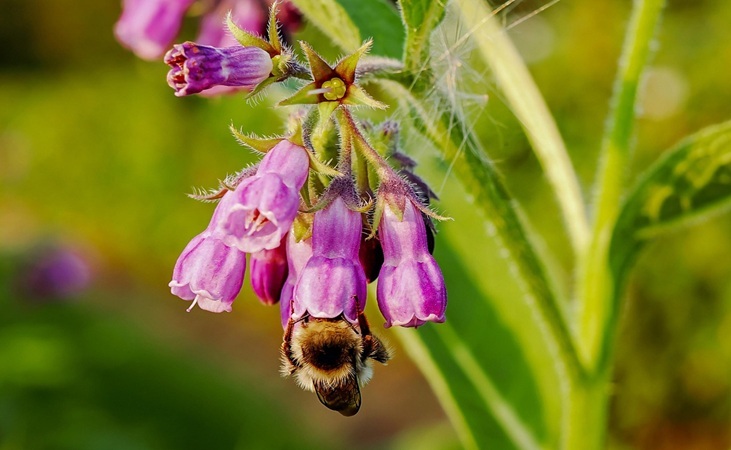
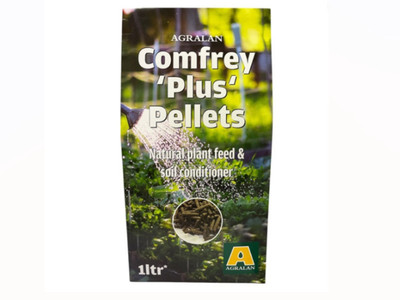
Comfrey Plant Feed: They don't come much more natural than Comfrey plant feed, which is made from the leaves of the titular plant (often considered a pesky weed). Comfrey's extensive root system draws nutrients and minerals from deep within the soil, concentrating them in its leaves.
This plant feed is particularly rich in potassium content, which is good news for fruiting or flowering plants - such as tomatoes, cucumber or courgettes. You can opt for comfrey pellets or a liquid tonic (the pellets can be used to make a liquid feed as well). You can even make your own homemade feed from comfrey leaves!

Comfrey Plus Pellets 1 - 3 L
View ProductMaxicrop Tomato Fertiliser: Made from plant extracts and seaweed, Maxicrop's tomato fertiliser is a balanced natural fertiliser that also stimulates soil microbe activity. Used diluted it promotes flowering, cropping and general healthy growth. It can be used regularly throughout the growing season once plants are established.
Sea Nymph Pure Irish Seaweed Tomato & Fruit Feed: Made using hand harvested seaweed from the Irish coast, this concentrated feed contains over 58 trace elements. The base extract is mixed with added NPK to make for a very potent plant feed - ideal for tomatoes, peppers, aubergines and other fruiting crops.
Better Plants Plant Feeds: Recently added to our range, Better Plants feeds are produced using a 'cold pressing technique' that retains more of the natural growth hormones (e.g. cytokinins and auxins) and nutrients.These organic feeds are less focused on NPK; instead they stimulate overall plant resilience, root development, and steady, balanced growth. They are best used as foliar feeds (aside from their granular Seaweed feed, which isn't!).
Better Plants Range includes: Root Booster, Tomato Feed, Liquid Seaweed Fertiliser, Spud Boost Liquid Feed, Granular Seaweed feed, Liquid Bio Stimulant, Rose Tonic.
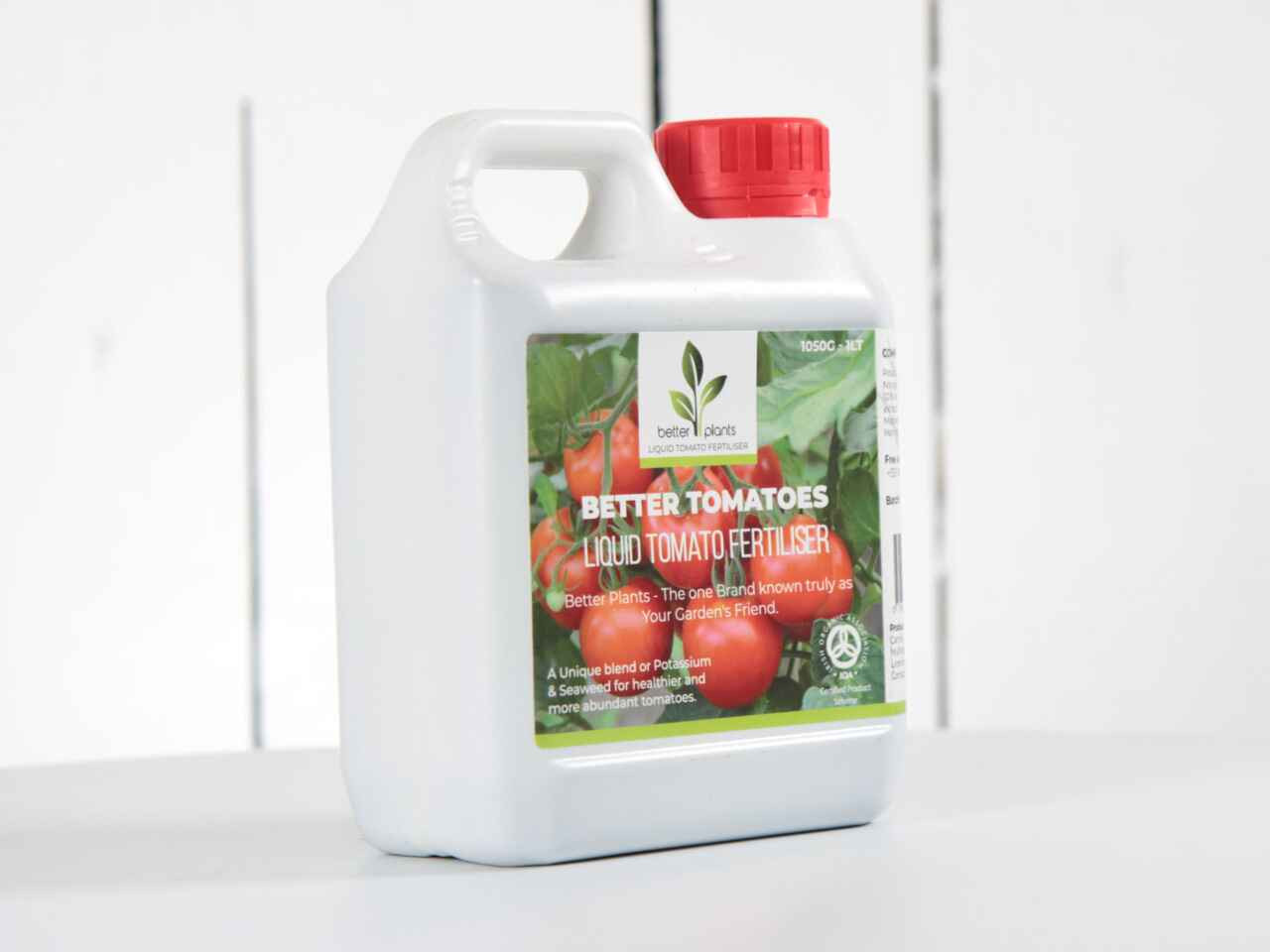
Organic Tomato Fertiliser - Better Plants
View ProductVitax Organic Liquid Strawberry Feed: Formulated specifically to support flowering and fruit development in strawberries and other soft fruit crops. It is typically higher in potassium than nitrogen, which helps plants prioritise fruit quality, sweetness, and yield over excessive leafy growth. Applied as a diluted liquid feed during the growing and fruiting season, it supports consistent cropping and can improve berry size and flavour when used regularly.
Westland Ericaceous 3 Month Plant Food: A slow-release granule feed designed specifically for acid-loving plants such as rhododendrons, azaleas, camellias, and blueberries. The high potassium content encourages longer blooms; it also contains magnesium for greener foliage. Recommended for applying at the end of March and again at the end of June.