
What to Sow in February

While we are now heading in the right direction in terms of day length, February is still a very cold month - with little we can sow or plant outside. There are a few crops that we should sow indoors in February (either for planting out later or for planting in the polytunnel or greenhouse), but by and large we are in preparation mode for March.
If you have a large greenhouse or a polytunnel (big enough to grow more than your 'exotics' like aubergine, chilli or tomato) it is a different matter, with plenty to sow either direct or in seedling trays. We will be covering both in this article.
Be Careful with Early Sowing!
It can be tempting to start seeds off indoors too early, as we are all anxious to get started in a new season. Just remember that starting seeds off before their optimum time is usually a compromise of some sort: it is easy to germinate a seed, but growing a good seedling plant in cold conditions with lower light levels is more difficult.
In the case of aubergine, chilli or tomato, we have no choice but to sow early (because they need a long season to ripen) but for most other crops we are better off waiting until the ideal sowing time.
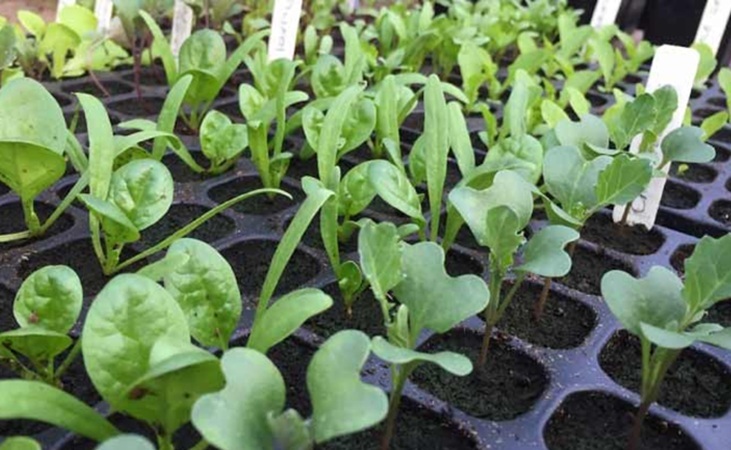
There is no point in sowing early plants indoors if they must sit in pots for longer than they should because it is too cold to plant them out.
A seed sown in a 3cm module (above, a good size for most crops) will need to be either potted on or planted out in 4 weeks, or else the roots will coil around the inside of the cell and become pot bound. A coiled root will continue in this habit when planted, which results in a constricted root and a poor quality plant.

Small Vitopod Electric Propagator Single Or Double Height
View ProductIn general, February sowings are best left until the middle of the month when light levels are increasing. At this point you can also sow Asian greens, early cabbage, turnip, spinach, lettuce and spring onions. Be aware that the success of these crops will be dependent on the weather outside in March - they may need cloches for protection.
You will also find that seedlings sown later (and therefore in more clement conditions) will catch up and often overtake earlier sowings that had to struggle with cold and low light early on.
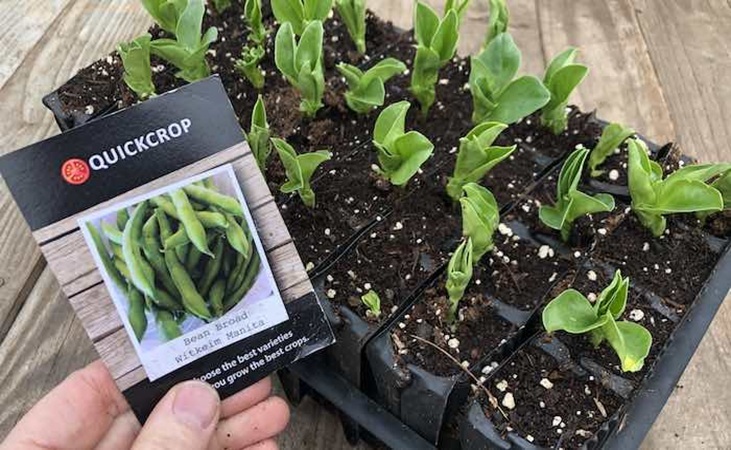
Broad Beans
Sow: Feb - April & Oct - Nov
Varieties: 'Witkeim Manita' & 'Hangdown Green'
Broad beans are one of the few crops that can be sown outside in February, but not until the end of the month. You need to choose a spring variety: Aquadulce Claudia or Witkeim Manita are both suitable and have good flavour.
Cold tolerant broad beans grow fast in spring before producing beans from June to August.

Broad Bean 'Witkeim Manita'
View ProductYou can also start broad beans off earlier in modular trays - so instead of sowing seeds at the end of the month, you can be planting 4 week-old plants (they will also be safer from mice indoors). If this is the case, it's important to get your plants used to outside temperatures by leaving them out during the day for the week coming up to planting time.
Onions
Sow: Feb - March
Varieties: 'Rose de Roscoff', 'Sturon', 'Rosa di Firenze', 'Romy'.
The easiest way to grow onions is from sets (planted in March), but if you grow from seed you will have a wider choice of varieties - and the resulting onions tend to store better. Seeds are sown in late February and will need to stay in their trays for 8 weeks before being planted out in late April/early May.
The handiest method is to sow 6 or 7 seeds per cell and plant them out together, with spacing of 25cm each way: this will produce clumps of medium sized onions. Try some of the more unusual varieties like the superbly sweet 'Long Red Florence' or 'Rossa di Firenze Simaine', which you won't find as sets.
Onions grown from seed need an early start to give enough time to form good sized bulbs.

Onion 'Rossa di Firenze Simaine'
View ProductLeeks
I was never much of a fan of leeks until I started growing them, but they are delicious freshly picked - all the more so when there is little else in the winter garden.
If you become a leek fan, you can have leeks from late July until the following April from 3 sowings (when you pick the right varieties).
- Early or autumn-harvested leeks are light green, taller with a long white shaft; they are not hardy and will be damaged by winter frosts, so are usually lifted by October.
- Overwintering leeks are untroubled by snow or frost and are a darker green, stockier and with a shorter white stem.
Leeks can be sown in February for an Autumn crop but I also sow in mid March and early May to have leeks through the Winter. 'Hannibal' is a very good early leek sown in February for September to November harvests.

Leek 'Hannibal'
View ProductAnnual Spinach
Sow: Feb - March & July - Sept
Varieties: 'Medania'
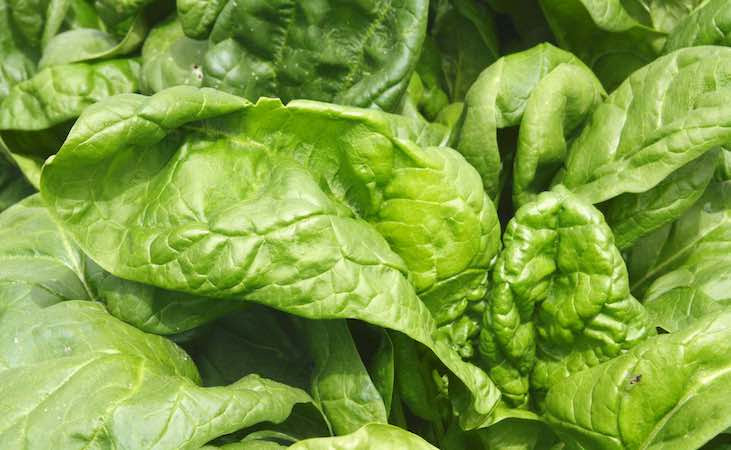
People often say to me that they are fed up growing spinach because it always runs to seed before they get any leaves out of it. Well, don't blame the spinach, it is programmed to flower in mid summer. If you are growing for leaves you need to either sow early or late to avoid the flowering period.
Spinach is very hardy and will do well when planted out in mid march with some protection. You will get plenty of leaf before plants run to seed in early summer.
Broccoli Calabrese
Sow: Feb - June
Varieties: 'Belstar F1', 'Spello'
Calabrese is one of the fastest growing brassica plants, and if all goes well will give you large heads as early as June from a mid-February sowing.
As with any cabbage family member planted out in spring, you need to protect from cabbage root fly with an insect protection mesh. I start them off under fleece and then switch to mesh.

Giant Haxnicks Tunnel Micromesh - Insect Mesh Netting
View ProductCauliflower
Varieties: 'Graffiti F1', 'Cheddar F1', 'All Year Round'
Cauliflowers also do well from an early sowing - with the same ding-dong about cabbage root fly as calabrese (above) and early cabbage (below).
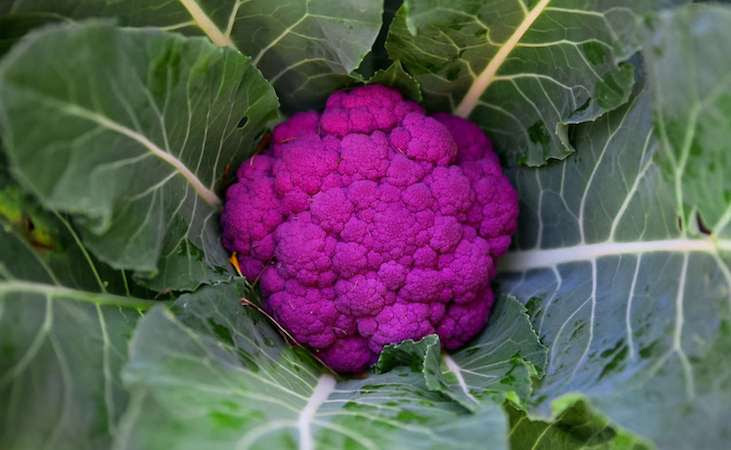
You can have some fun with colour by growing the striking purple 'Graffiti F1' or bright yellow 'Cheddar F1'. I can't say I notice a huge difference in flavour between white and coloured heads but they do look interesting on the plate and amazing in the garden.
Early Cabbage
Sow: Feb - March
Varieties: 'Caraflex F1', 'Kalibos', 'Greyhound'
Pointed spring cabbages are quick to mature: as early as April from an autumn sowing, but May/June if sown in February. I like them a lot as they are fresh and sweet tasting and easy to grow. New to our range this year is red 'Kalibos', which makes a very good red sauerkraut.
Coriander
Sow: Feb - March & July - Sept
Varieties: 'Cruiser'
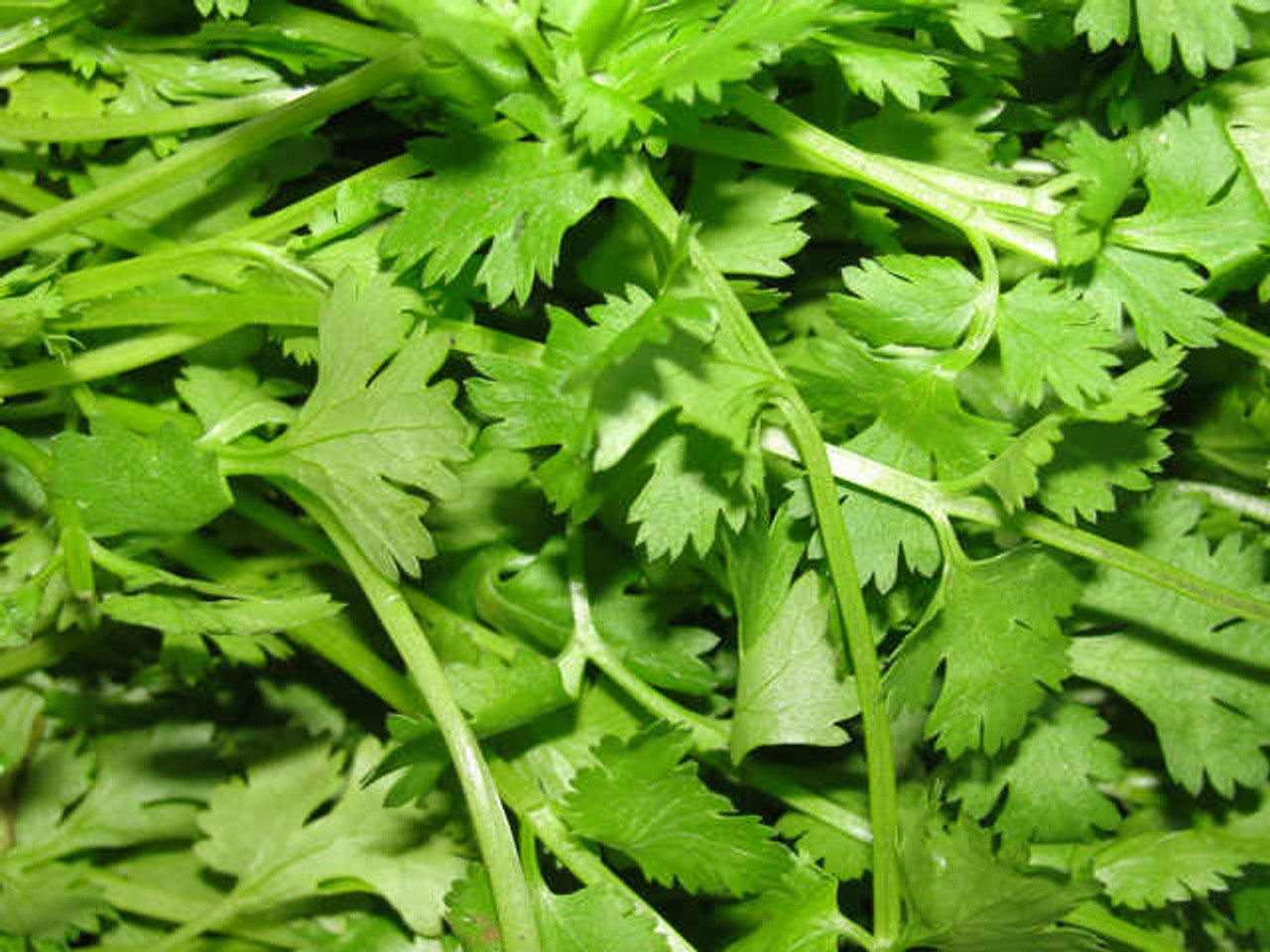
Coriander is another plant that is known for running to seed, but again there are steps we can take to manage it. Firstly, the variety is important: some varieties are bred for producing leaf, while others are intended for producing coriander seed. Obviously if we want leaf we need to go for a leaf variety - like our 'Cruiser' above.
Coriander 'Cruiser'
View ProductSecondly, time of year is important: with the best leaves being produced before or after the natural summer flowering period. There are two sowing seasons; February to March and July to September.
Dill
Sow: Feb - March
Varieties: 'Dukat'
Dill is related to coriander and - while the seeds look completely different - they are both from the umbellifer or carrot family. As they are the same family the same applies to summer seed production, making early sowings beneficial.
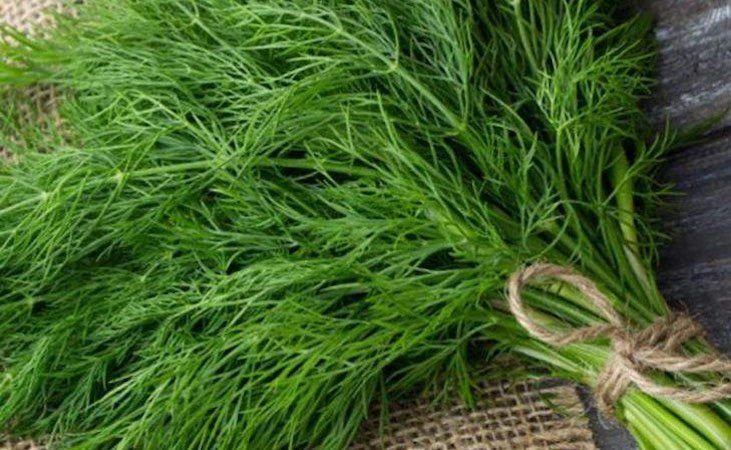
They are both very fast growing (even in cold weather), and will give very good harvests in May when grown outside under fleece.
What Not to Sow: Parsnips!
I don't think I have read a 'vegetable garden in February' column without the writer pointing out that - despite what it says on the packet - you should not sow parsnips in February/March. We're such a pack of bores.
Anyway, it's true unless you have an exceptionally warm Southern garden. Parsnips have a reputation for being difficult to germinate, but this is likely due to being sown in cold, wet soil and the fact that seed only lasts a season so needs to be ordered fresh every year.
In warmer gardens late March to late April is best for sowing; for Northern growers like me early May is far more successful.
Aubergine, Chilli, Sweet Pepper & Tomato
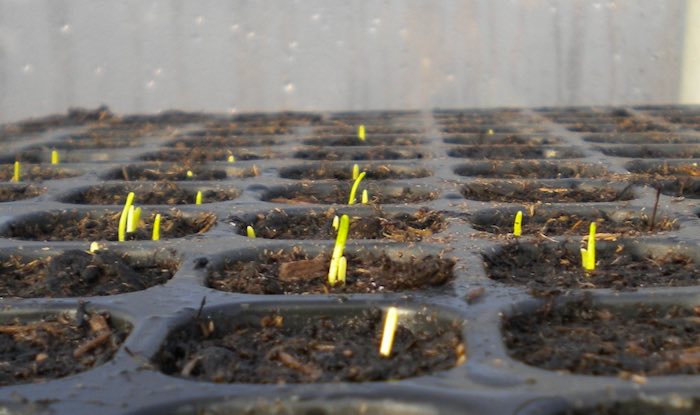
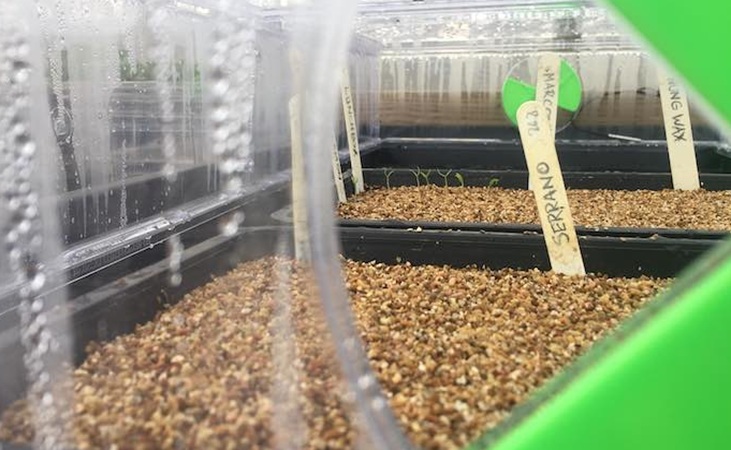
The photo above was taken on February the 21st and shows chilli seedlings germinating in a Vitopod propagator. Chilis need to be sown by mid March at the latest for them to get enough summer to ripen; the same goes for sweet peppers and aubergine. Tomatoes can be planted in the last week of February.
All of the above will be sown in seed trays (not modular trays) for pricking out and potting on. You may also recognise vermiculite in the above photo, which I use to cover chilli and pepper seeds after sowing rather than using a layer of compost. Why? The vermiculite holds onto moisture while creating air spaces, which gives a better germination rate for these slow-to-sprout seeds.

Vermiculite Soil Improver
View ProductSowing Direct in the Polytunnel
Provided it is not very cold, there are a number of crops you can sow direct into your polytunnel beds throughout the month of February. The soil can be warmed a little pre-sowing by either covering with black plastic or by using a cloche or mini tunnel which gives a 'double greenhouse' effect and traps more heat from the sun.
Direct sown crops include:
- Beetroot (Pablo F1)
- Early carrot (Amsterdam forcing)
- Mangetout peas (Sweet Horizon)
- Asian Greens (e.g rocket, mizuna, leaf mustard)
- Radish (French breakfast)
- Turnip (Milan purple top)
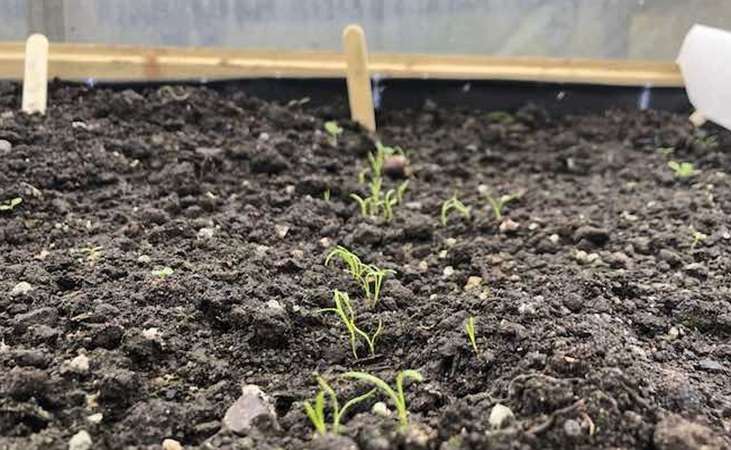
It is a good idea to cover direct sown beds with horticultural fleece to protect from frost and keep in the heat; if you have used a cloche to pre-warm the soil, keep it on.
Sowing in Modules in the Polytunnel
The broad beans, onions and leeks mentioned earlier in the article are sown inside for planting out later - but if you have room in your tunnel or greenhouse for indoor crops then there are a lot more options for February sowing.

Allotment Polytunnel (2.4m Wide)
View ProductThe problem with a smaller indoor growing space is you will probably want the room for tomatoes etc... so growing outdoor crops inside might not make sense. If you do have the room however, you can start harvesting 4-6 weeks before you normally would outside.
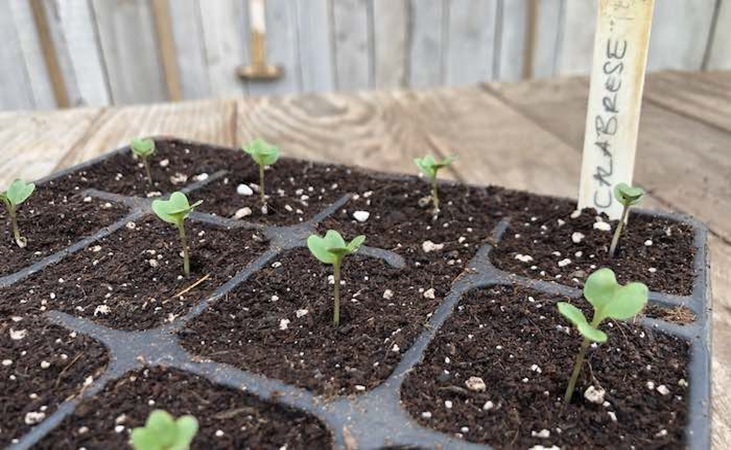
Plants to sow in modules now for planting indoors include:
- Pointed cabbage (Greyhound)
- Calabrese broccoli (Green magic or Green sprouting)
- Mini cauliflower (Igloo)
- Coriander (Calypso)
- Lettuce (many types)
- Perpetual spinach and Swiss chard
- Spring onions (Ishikura bunching).
All of the above will need heat of 18˚C to germinate, so they will need a propagator or warm windowsill.
Potatoes in the polytunnel
If you have the room you can plant potatoes in a polytunnel from late January for an early crop in May (your outdoor potatoes won't be ready until July). You are better to plant a first early variety e.g. 'Casablanca' or 'Homeguard' to harvest early and therefore free up the space as soon as you can.
Remember, frost can still be a problem in a polytunnel to which potatoes are very sensitive; cover young plants with fleece on frosty nights. Potatoes also need a lot of water, so make sure they get adequate irrigation when they are bulking up in April - or you may be disappointed.

'Homeguard' First Early Seed Potatoes
View Product