
How to Grow Beetroot

Fresh, homegrown beetroot is absolutely delicious roasted in a little olive oil with a sprinkle of sea salt to bring out the flavour. Forget boiled beetroot; cut into quarters and roast it - you'll never look back.
This crop has recently gained in popularity and has even been tagged a 'Super Food' by health experts due to its nutrient and antioxidant content.
Another reason for its popularity is that not much gets wasted when growing beetroot: along with the root (which can be harvested immaturely as tender 'baby beets'), the leaves can be eaten when young just like spinach.
Beetroot is a very easy to grow vegetable that suffers from very few pests and diseases, and is relatively quick to mature. The trick to growing the best beetroot is a nice loose, fertile soil with plenty of well-rotted organic matter added.

Recommended Beetroot Varieties:
Detroit Globe: A trusty old favourite, it produces high yields of globe-shaped roots, hence the name. Detroit Globe is a maincrop variety, which means that it will store better over winter. It's usually sown outside from April to June.
Pablo F1: Deliciously sweet flavour with none of the bitter aftertaste you might typically associate with uncooked beets.
Chioggia Barbabietola: Named after the Italian village from where it originated, Beetroot Chioggia has a robust earthy flavour with a sweet finish. The inner flesh boasts a series of visually striking white and magenta rings.

Beetroot Sweet Chioggia Seeds
View ProductWhere to Grow Beetroot
The ideal soil is a medium-to-light one which hasn't been recently manured (as this can cause misshapen roots). The soil should be neutral or slightly alkaline (pH 6.5 to 7.5), although beetroot is tolerant of most normal conditions.
When to Sow Beetroot
Sow beetroot seed from March to July. For early crops of small, delicious, tender vegetables, sow a bolt resistant variety like Pablo under cloches in early March.

Easy Fleece Tunnels - Garden Cloches
View ProductBeet can also be sown as late as early August, but will not yield a large root in this case (probably no larger than a ping pong ball, but still very sweet and tasty). You will also get a crop of tasty beet leaves for cooking or salad.
Sowing Beetroot
- Use the corner of a hoe to form a groove (drill) in the prepared bed about 2 cm (1") deep.
- Sow the beet root seeds 10 cm (4") apart in the drill - less thinning out required.
- Space rows 30 cm (12") apart.
- Beetroot seeds are actually clusters of seeds which will produce 3 or 4 separate seedlings. Thin the new seedlings to leave the strongest; otherwise the beets will be crowded and remain small.

Prevent a 'glut' when planting beetroot by sowing your seed in stages: a small batch at a time every couple of weeks. When sowing beetroot for winter storage, sow in late May or June - earlier sowings can become too woody at pulling time in October.
How to Sow Beetroot in Modular Trays
Beetroots can be sown in modular trays to give them a head start, as well as protection from weather and garden pests. Use a seed compost which has a finer texture and lower nutrients than your standard multipurpose compost.
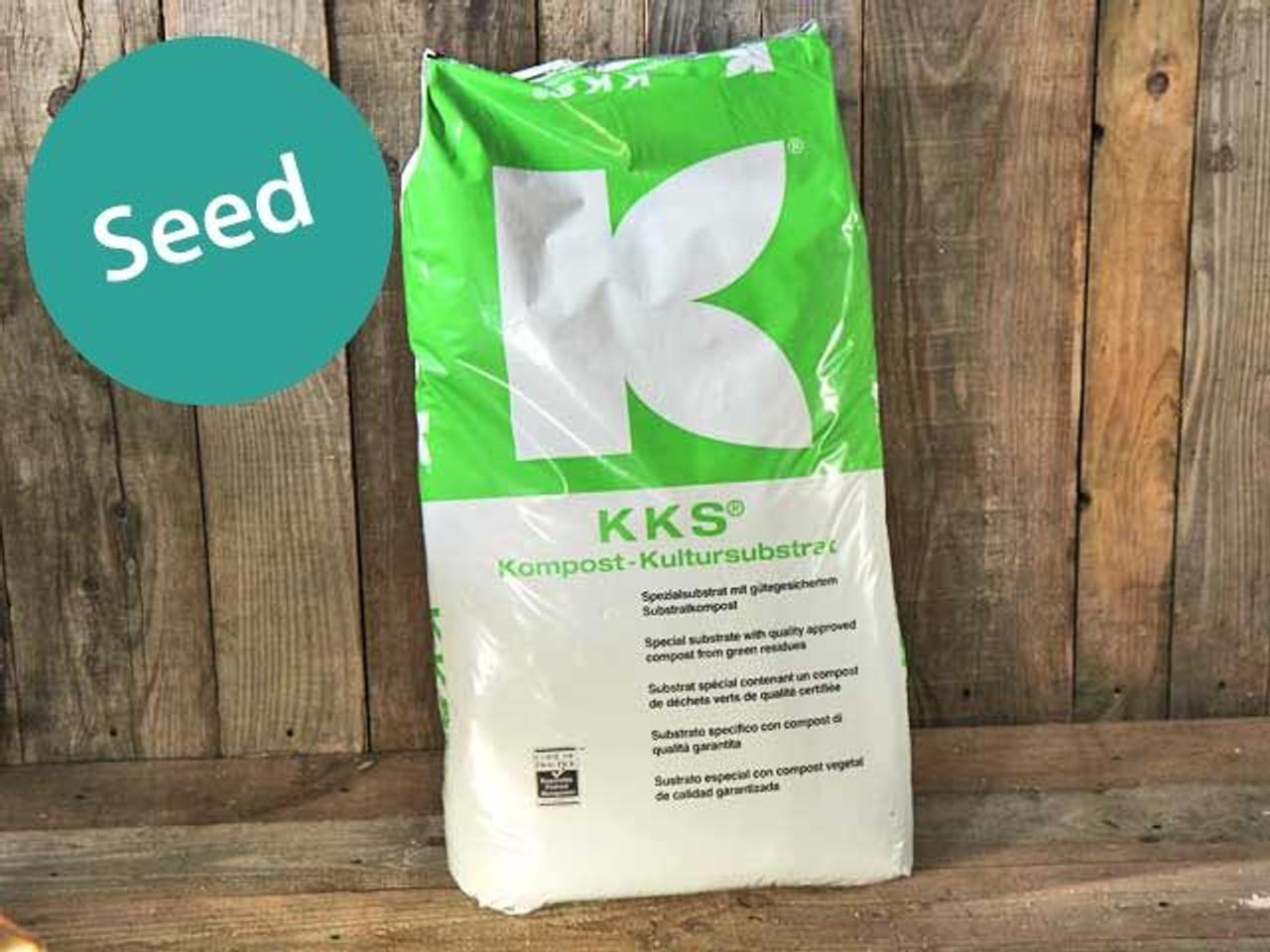
Klasmann Organic Seed Compost - 70 L
View Product- We use a seed module tray with each section being approx. 2 inches deep.
- Fill the seed tray with compost and brush off any excess.
- When filling the tray, rub the compost through your hands to break up any lumps. Give the tray a sharp bang on your table to settle.
- With your fingers make small depressions in each cell - about a fingernail or 2.5 cm deep.
- Sow 1 seed per module which will produce 3-5 little plants.

Bottle Top Waterer 4 Pack
View Product- Cover the seeds with another layer of compost, then scrape across the top of the tray with a stick to remove excess.
- Gently water your seeds: a good tip is to use a plastic bottle with small holes punched in the cap. This is less likely to wash the seed around than the heavy spray from a watering can.
- Place your trays in your greenhouse, polytunnel, cold frame or windowsill to germinate.
- They should be ready to plant out in about 4 weeks.

Transplanting Beets
Beetroot is one of the few root crops that can be grown from transplants, but the seedlings should be planted out before they become constricted. Modular trays are recommended, with plants remaining in the cells for a maximum of 3 weeks.
- Sow 1 seed cluster per module.
- To 'thin out' the seedlings you need to remove any extra seedlings soon after germination, leaving the strongest looking plant. Don't pull up the plants you are removing; this will cause root damage to the remaining one. Instead nip the stem with your finger nail or cut with a scissors.
- If you have directly sown into the ground, you should thin your line of seedlings to 25 cm between rows and 10 cm between plants.
- To plant out your seedling make a hole in the soil the approximate size of the seedling 'plug'.
- You need to push the soil in around the roots firmly with your fingers to get good contact with the soil. Don't firm down on the top of the soil, as this can compact it and prevent moisture getting down to the plant's roots.
- Water after planting but do not soak them.

Beetroot 'Pablo F1'
View ProductBeetroot Crop Care
It's a good idea to keep the area around your plants weed free. Weeds compete with your plants for water, nutrients and light. After all, you will probably have gone to some effort improving the fertility of your soil, why give all that goodness to the weeds?
Fungal disease can be a problem for some crops, and weeds can contribute to this by cutting down the air circulation around your plants. Plants with good, clear space between them will be much healthier than congested crops.
The best way to deal with weeds in an organic way is to use a hoe (preferably on a dry day). I find an oscillating hoe is a pleasure to use, and creates a nice loose soil surface which is perfect for letting water and air get down to the roots of your vegetables.
Young directly sown seedlings may well attract the unwanted attention of birds. A good DIY protection method is to place clear plastic bottles - with the top and bottom cut off - over the seedlings when they emerge. A layer of horticultural fleece is ideal if you have sown a larger area.

Heavy Duty Garden Fleece Rolls 2m x 100m
View ProductBeetroot will definitely appreciate a thorough watering if conditions become dry. This will encourage them to grow quickly, and the roots will be more tender and tasty. Beetroot grown in a polytunnel can suffer from woody roots if the soil is dry for extended periods.
Beetroot Pests and Diseases
This vegetable is usually remarkably free from pests and diseases, but there are a few that you should be on the look out for.
Birds
Protect from birds at the seedling stage or they will have the young tender leaves for breakfast.
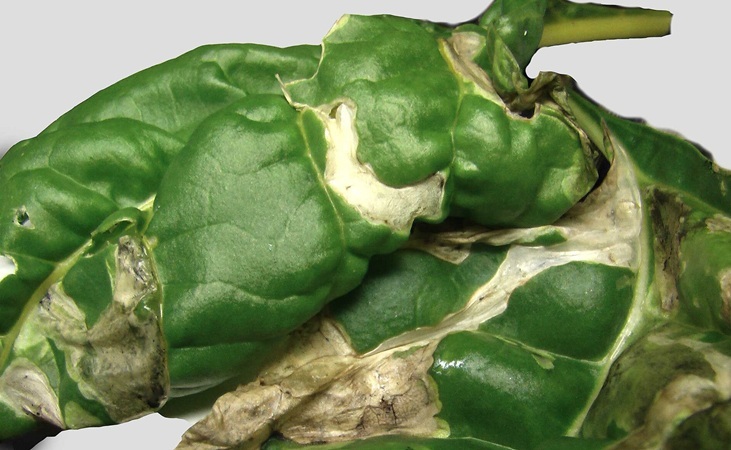
Leaf Miner
Leaf miner (larval stage of the mangold fly) is a small white grub which burrows inside the leaves, creating tunnels which turn into blisters. Most serious in young plants, the leaves turn brown and growth is stunted. Attacks usually occur from May onwards.
You can treat by removing affected leaves at the first sign of attack and destroying them.
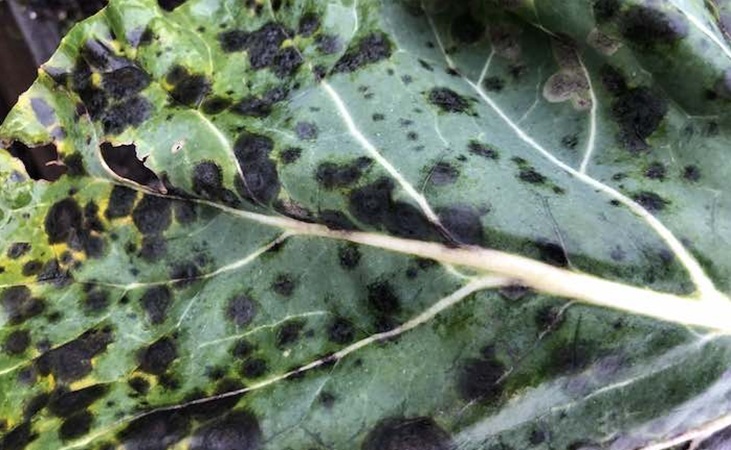
Leaf Spot
Leaf spot appears as brown spots on leaves after planting beetroot. The paler central area of the spot can drop out. The effect on the crop yield is not serious, even though the leaves look badly disfigured. Leaf spot tends to be more common in humid weather.
Remove seriously diseased leaves and destroy. Practicing crop rotation will help prevent this disease. Apply a balanced fertilizer a couple of weeks before sowing.
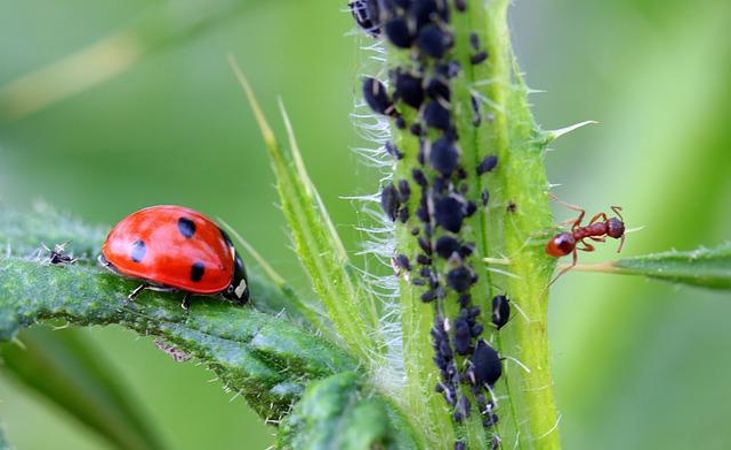
How To Attract Beneficial Insects To Your Garden
Related ArticleAphids
Aphids cause leaves to curl and the new shoots to become distorted - possibly resulting in less root yield. Try containing aphid attacks by encouraging other insects such as hoverflies and ladybirds which feed on them.
Beetroot and Bolting
Bolting occurs when plants run to seed before roots have developed. There are a number of reasons why this may occur:
- Dry soil
- Lack of organic matter
- Sowing seed too early
- Waiting to long to thin seedlings out

Harvesting Beetroot
The sweetest beets are no bigger than a tennis ball, and can be pulled easily when they have reached the required size. Larger beets can be grown if required, but ensure they are always kept well-watered or they can become tough and woody.
If you have grown some roots for storage, these should be lifted on a dry day at the end of September into October. Pull them by hand if possible; a fork can be used to loosen roots around the plant, being careful not to damage the root.
Remove the foliage to about 50 mm (2") above the crown. Twist the foliage off rather than cut with a knife (as this will cause the stalks to bleed).
Reject any damaged roots or any that have been attacked by pests. Damaged beetroot may rot in storage.
Storing Beetroot
Store the beetroot in boxes of moist sand in a cool dark place, such as a garage or frost-free shed.

Beetroot 'Bulls Blood'
View Product


