Bolting: Why Vegetables Bolt and What You Can Do to Avoid It.
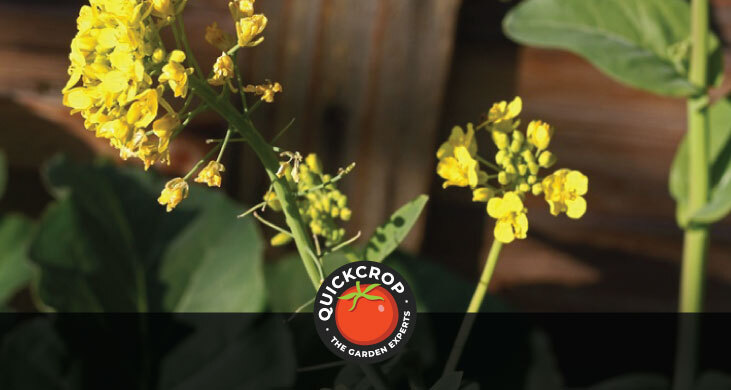
Bolting is when a plant flowers prematurely before going to seed. This can happen with annual or biennial crops, and it's usually bad news for the gardener.
Going to seed means that the plant is diverting its energy from growing leaves and roots, and that its life cycle is coming to an end (when we want the plant to keep growing). Crops that have bolted often take on a bitter taste and woody texture, and - with some exceptions - are best taken out of the ground.
Bolting can happen for a number of reasons, but it's often triggered by weather conditions that swing from one extreme to another, by increasing daylight hours or by environmental stress. What is basically happening is that the plant is receiving a signal that it's time to complete the cycle and go to seed (to ensure reproduction).
What Causes Plants to Bolt?
- a prolonged cold spell
- cold nights or late frosts
- long days
- hot summer weather
- dry soil
- transplant shock or root disturbance
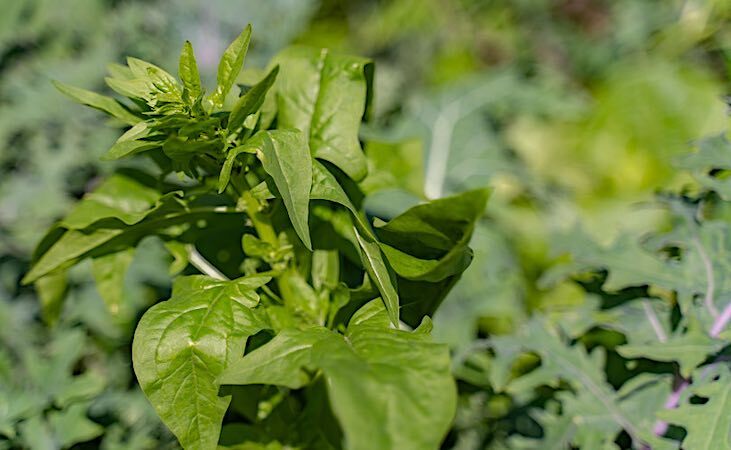
How Do You Know When a Plant is Bolting?
Look out for:
- A tall central flower stalk developing.
- Rapid upward growth.
- Smaller or more bitter leaves.
- Flower buds appearing at the top of the stem.
What to Do When a Plant Has Bolted
There is nothing much that can be done to reverse the bolting process once it has been triggered. Depending on the crop you can leave it to flower and provide food for pollinators. With some plants the flowers themselves or the stems are edible. You can also collect and save the seed.

Cabbage (Asian Brassica) 'Osiris F1'
View ProductSome Key Strategies to Avoid Bolting
The best advice can vary depending on the crop in question (see below). In general though there are some key strategies to avoid premature bolting:
- Make sure that susceptible crops are watered consistently and the soil doesn't dry out.
- For crops that are sensitive to heat and/or long daylight hours, aim for early or late sowings
- Look out for varieties that are bred to be bolt resistant or heat resistant.
- Provide shade for susceptible leafy crops in warm weather
- Harvest leafy crops regularly
- Harden off young seedlings before moving them outdoors permanently
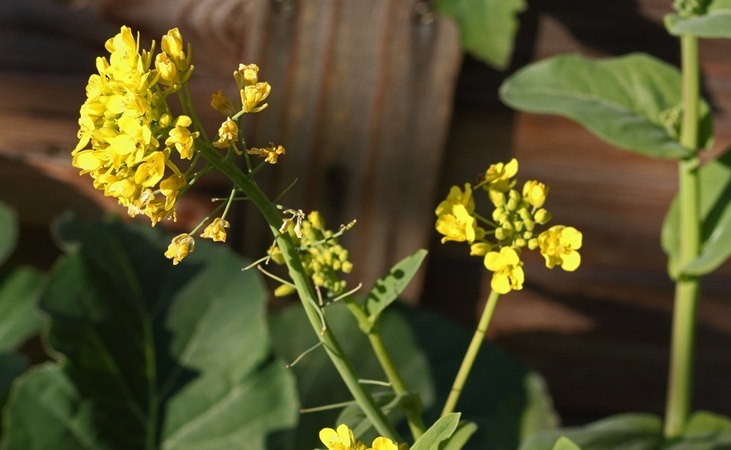
Vegetable crops that are prone to bolting include:
Lettuce
Tips:
- Sow in autumn to provide salad leaves late in the year
- If growing in summer water consistently, and provide some light shade if possible
- Heat resistant or bolt resistant varieties can be grown in summer (Susana, Cos Little Gem)
- Sow often and harvest cut and come again leaves
Spinach
Tips:
- Temperatures above 21 C can trigger bolting
- Grow mainly in spring or autumn; annual spinach is very susceptible to bolting before midsummer
- The Asian spinach 'Mikado' is a bolt resistant variety suited to summer growing
- Grow in light shade
- Water regularly

Spinach Oriental 'Mikado F1'
View ProductRocket
Tips:
- Overcrowded plants can bolt more readily
- Keep soil moist at all times
- Light shade can deter bolting
- Harvest leaves when young
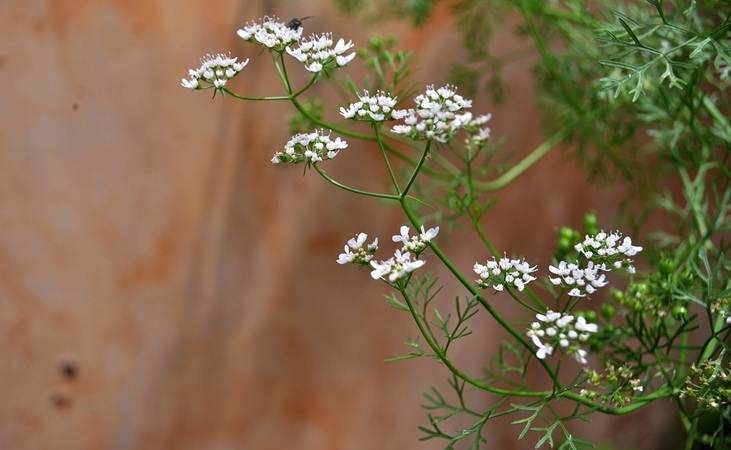
Coriander
Tips:
- Water more regularly in hot or dry spells
- Varieties such as 'Cruiser' and 'Calypso' are bolt resistant
- Leaves remain aromatic even after the plant bolts
Pak Choi
Tips:
- Like most Asian greens Pak Choi is a cool weather plant, best sown in autumn - but beware of cold snaps.
- Regular watering.
- Opt for bolt resistant varieties in summer (and harvest as salad leaves).
- If it bolts, the flowers can still be used as a delicacy; stems are also still edible.
Radish
Tips:
- Summer sowings are better in partial shade
- Keep well watered in summer
- A variety like French Breakfast is perfect for quick harvests in spring before days start getting longer
- Asian radishes (Mooli, Daikon) are prone to bolting so grow later in the year, e.g. in August

Radish 'French Breakfast 3'
View ProductBeetroot
Tips:
- Cold temperatures can affect young plants; keep an eye on the forecast and protect them with fleece
- Water during dry spells
- Avoid sowing in early spring; April to July is a better window
- Choose bolt resistant varieties for early sowings. Pablo F1 has good bolt resistance.
Chard
Tips:
- Again early sowings are vulnerable to cold temperatures.
- Sow in late spring at earliest.
- Harvest outer leaves regularly.
- Older red stemmed varieties such as Rhubard or Ruby chard can be more prone to bolting.
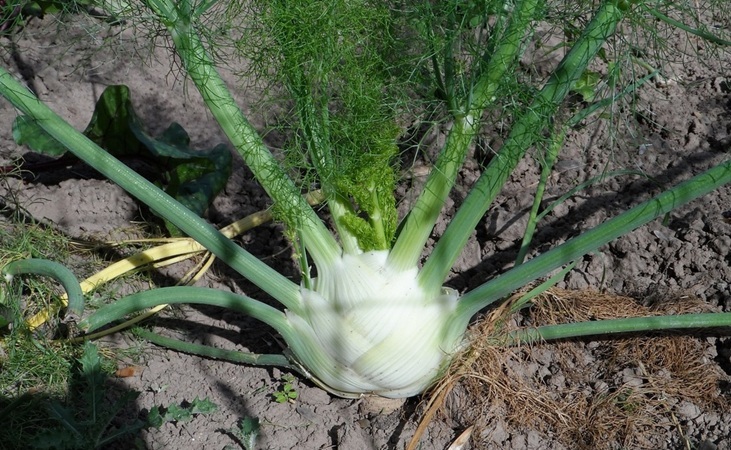
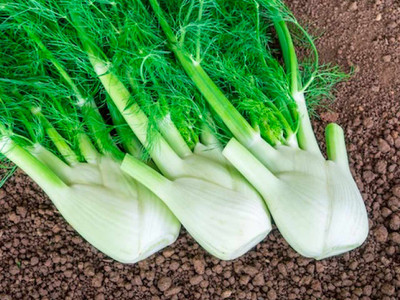
Florence Fennel
Tips:
- Water regularly and don't let the soil dry out.
- Varieties such as 'Selma' or 'Perfection' are highly resistant to bolting.
- Transplant shock can trigger bolting; sowing direct avoids root disturbance.
Onions
Tips:
- A cold spring followed by a spell of hot weather is a typical trigger.
- Red onion varieties are more susceptible to bolting.
- It is also more likely to happen with onion sets (vs seeds), as they are technically in their second year of growth and can get 'confused' by weather fluctuations.
- Water consistently or mulch to retain moisture.