
10 Vegetables to Grow in Autumn and Winter
August and September are still very productive months in the garden, with growth slowing somewhat in October. Unless you have a greenhouse or polytunnel (which I'd highly recommend), once the winter sets in growth will generally slow to a crawl, with short days and cold temperatures.
As little or no growth occurs in midwinter, it's all about either a) planting in autumn to harvest in winter, or b) planting to harvest the following spring.
Beginner vegetable gardeners may not realise that although Brussels sprouts, leeks and parsnips are traditionally 'winter vegetables', they are actually sown much earlier in the year. Fear not though: there are still plenty of vegetables you can grow come late summer/early autumn if garden activity is winding down.
I've listed my personal top 10 below.

Small Hobby Polytunnel (3.7m Wide)
View ProductAutumn and Winter Vegetables in Ireland
Really there are 3 main groups of autumn/winter vegetables, and it's handy to understand the plan here as well as the plants which fall into the three groups:
a) Autumn Vegetables
The idea with autumn vegetables is to plant quick-growing crops that are ready to harvest before growth stops (around mid-November).
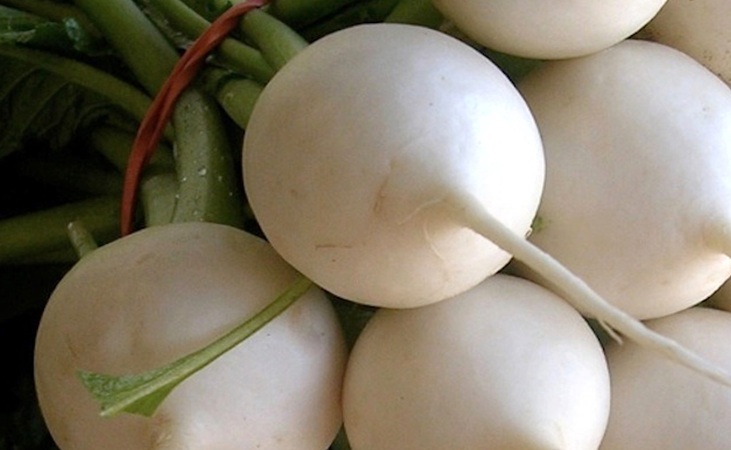
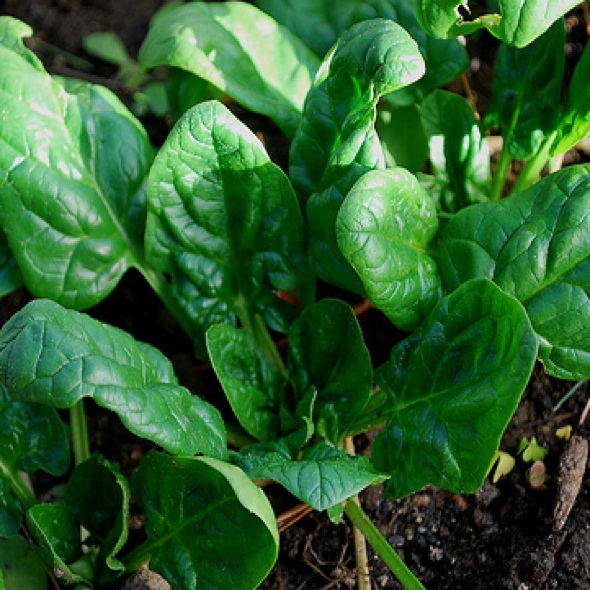
Autumn garden plants - like quick-growing turnips, salads, spinach and radish - can be planted in August/September and will provide a worthwhile crop. They are handy to make use of otherwise bare ground following a previous harvest.
b) Autumn-Planted Overwintering Vegetables
Overwintering can be a very useful garden planning method, making more efficient use of space and leading to earlier spring harvests. However, sometimes beginner gardeners can have unrealistic expectations of over-winter planting.
Overwintering vegetables are planted in the early autumn and will spend the winter dormant in the ground to (hopefully) spring back into life when temperatures increase again in March and April. Crops in this category include spring cabbage, autumn-planted garlic, autumn onion sets and Swiss chard.

'Senshyu Yellow' Onion (Sets)
View ProductYou can also overwinter broad beans and peas for a crop about a month before your neighbours if you are of an impatient disposition.
c) Spring-Planted Overwintering Vegetables
Spring planted overwintering vegetables tend to be the ones everyone thinks of - and the ones that novice growers usually get caught out on. These crops have a long growing season and are ready in the winter months, but require a bit of forward planning to have them ready in time.
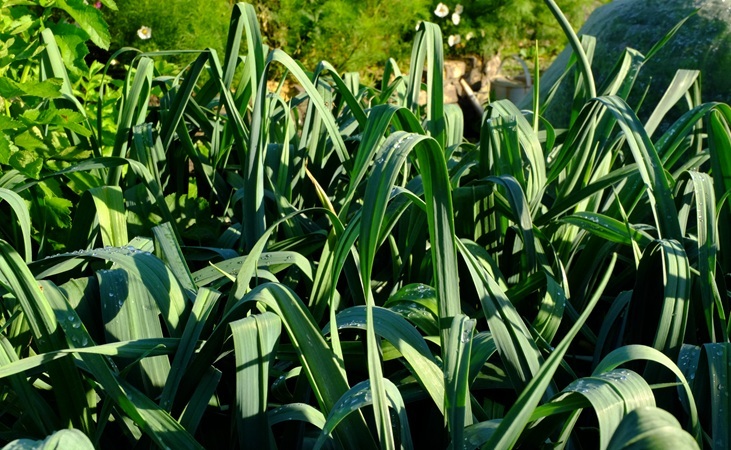
For example, sprouts will need to be sown before the end of April to ensure you can force feed them to your family and friends at Christmas time; meanwhile the latest you can sow leeks is mid June, though you probably don't think of them until the autumn.
My top 10 below covers autumn vegetables and autumn-planted overwintering vegetables (the first 2 categories above) - we'll deal with the spring-planted varieties in another blog post.
My Top 10 Vegetables to Grow Over Winter
1. Garlic - overwintering
Growing garlic is really very easy: just plant the clove in the ground and without much intervention you should end up with a full bulb the following autumn. A garlic plant needs a period of about 6 weeks of temperatures below 10 degrees celsius for the clove to multiply to form a bulb - which is why it's perfect for autumn planting.
Planting garlic is best done from autumn to early spring, with the autumn planted cloves producing a better yield. If you live in areas of high rainfall, raised beds are recommended - that or delay planting until spring.
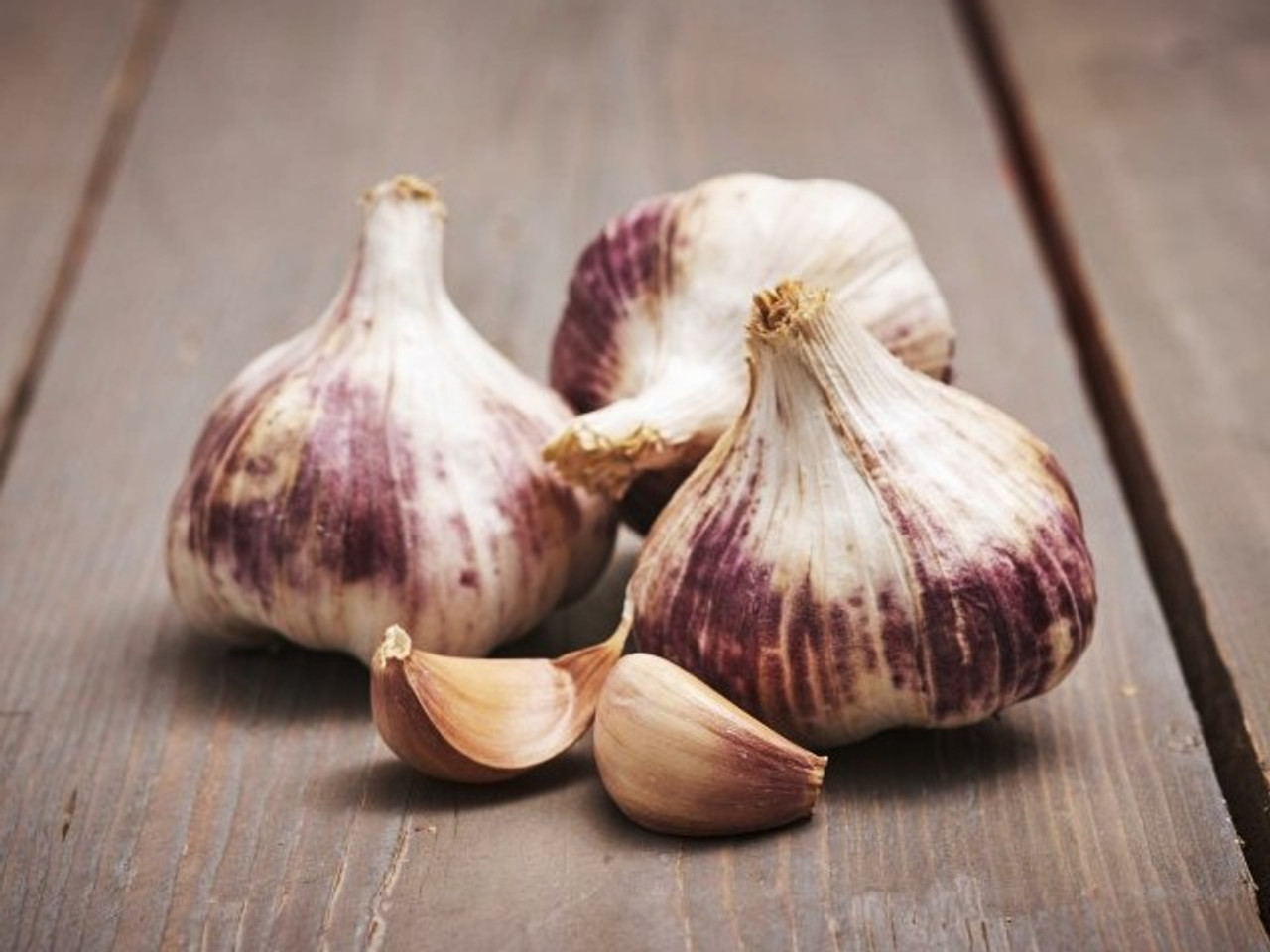
'Germidour' Purple Garlic
View ProductWe love our garlic here and stock a number of varieties suitable for autumn planting which you can view here
Related Article: Growing Garlic - Frequently Asked Questions
2. Spring Cabbage - overwintering
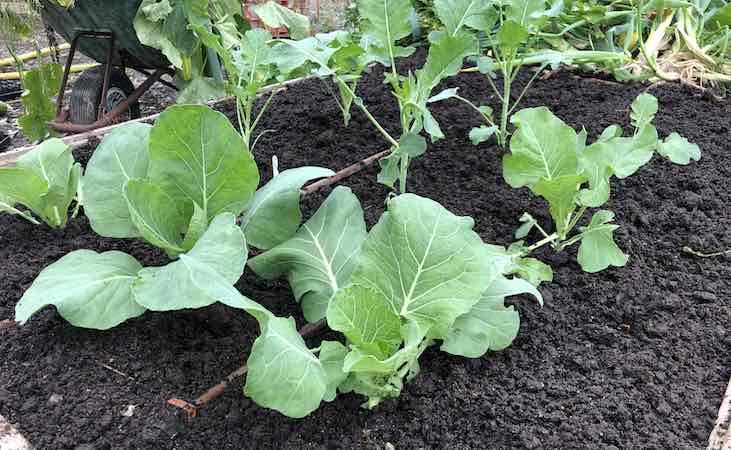
Spring cabbage is sown in late summer or autumn for a harvest of tasty conical shaped heads the following spring.
- Sowing indoors in modular trays and planting out 3-4 weeks later will give best results. Sow 1 seed per module at about 1.5 cm deep and water well.
- Keep an eye out for slugs in a mild winter, as although slugs are less active at this time of year they can still wipe out your new seedlings.
- If you've missed the sowing date you can always order in seedling plug plants.
3. Broad Beans - overwintering
Broad beans can be planted in autumn or spring depending on the variety. We find Aquadulce Claudia to be the best for autumn planting; it can be sown from late September until early November for harvesting a month earlier than a spring-sown crop.
Another advantage of sowing winter broad beans is that the plants protect the soil that would normally be exposed to wet winter weather (in the same manner as green manures).
- Sow directly in drills 5 cm deep, at a spacing of 15 cm between plants and 45 cm between rows.
- You can also sow indoors in modular trays, planting seedlings out 3 weeks later.
- It's also worth staking your plants as they can be buffeted about in winter winds. Place stakes about a metre apart and join with twine to create a bean support frame.

Sophie Conran Striped Twine Cherry
View Product4. Kale - overwintering/winter leaves
Kale is a bit of an underrated plant as it's very easy to grow, highly nutritious and if cooked properly (tip: stir fry with lemon and tahini) a delicious vegetable. Kale is a tough customer and can easily survive the harshest winter.
If your plants are large enough you will get some useful winter greens, but the main reward is when your kale plants get back into action in spring when there is little else in the garden.
It's typically recommended to sow kale before the end of June, but hardier varieties can be sown up until early August, particularly if you have a polytunnel.
- Growing kale is relatively trouble free.
- Sow in modular trays, as they seem to do much better than directly sown plants. Plant out 3 weeks later.
- Sow 1 seed per cell, 2 cm deep
- Make sure they are planted out before the roots become restricted and pot bound.
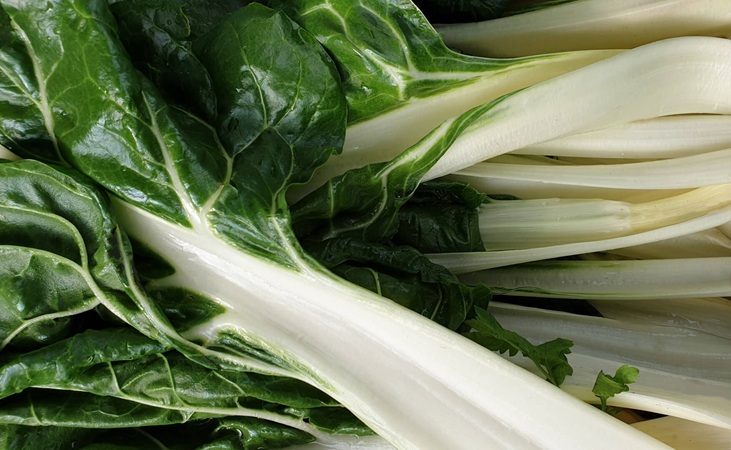
5. Chard / Perpetual Spinach - overwintering
Chard is one of my favourite overwintering vegetables, especially in the polytunnel where you can get a surprisingly long season. Growing chard is easy! It suffers from very few pests and diseases, while producing new leaves as you pick them.
Some people are put off by the slightly bitter aftertaste of chard or perpetual spinach, but this is where autumn and overwinter planting are an advantage - as chard is less bitter in the cooler months of the year.
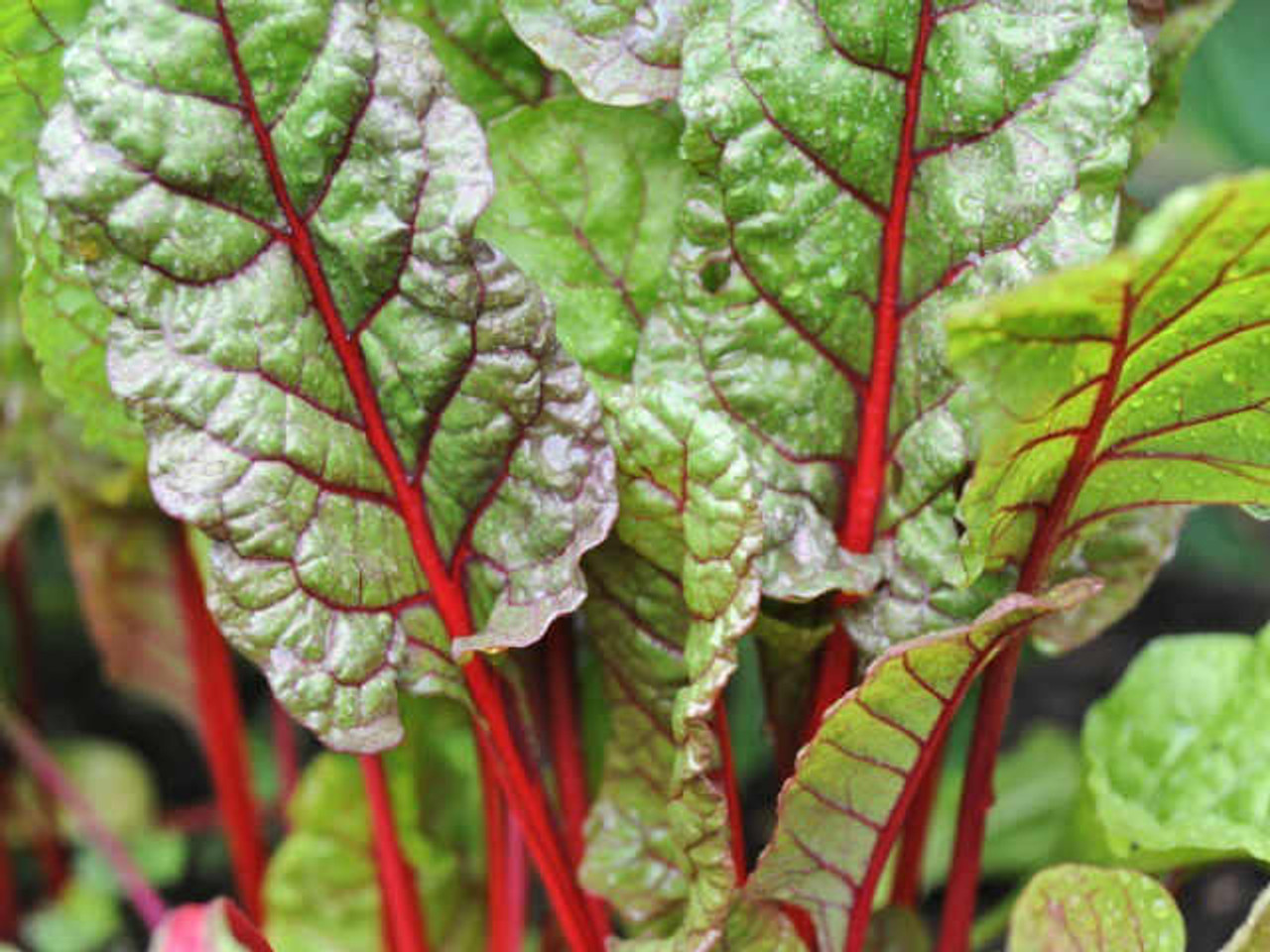
Chard 'Rhubarb Chard'
View ProductEven outside chard will survive a cold winter, and like kale it will be one of the earliest sources of spring greens in your garden.
- Sow chard seeds 1 seed per cell in modular trays, for planting out 3-4 weeks later.
- Chard seeds are actually clusters of 3 or 4 seeds, so any surplus seedlings that appear in each module will need to be weeded out to leave the strongest seedling.
6. Kohlrabi - autumn cropping
Kohlrabi is what Klaus Laitenberger calls the 'Queen of Vegetables'. although it's perhaps relatively unknown in Ireland. This unique vegetable produces a fresh, slightly nutty tasting bulbous stem.
Kohlrabi is relatively quick growing, which makes it a good choice for the autumn garden. Purple kohlrabi varieties can be sown up to the end of August, while other varieties should be sown by the end of July. If conditions go your way in autumn you can get a very worthwhile crop outside, but growing indoors (e.g. in a polytunnel) is ideal.
- Sow kohlrabi in modular trays, 1 seed per module at approx 1.5 cm deep.
- Plant out 3-4 weeks later, at a spacing of 30 cm between plants and 30 cm between rows.
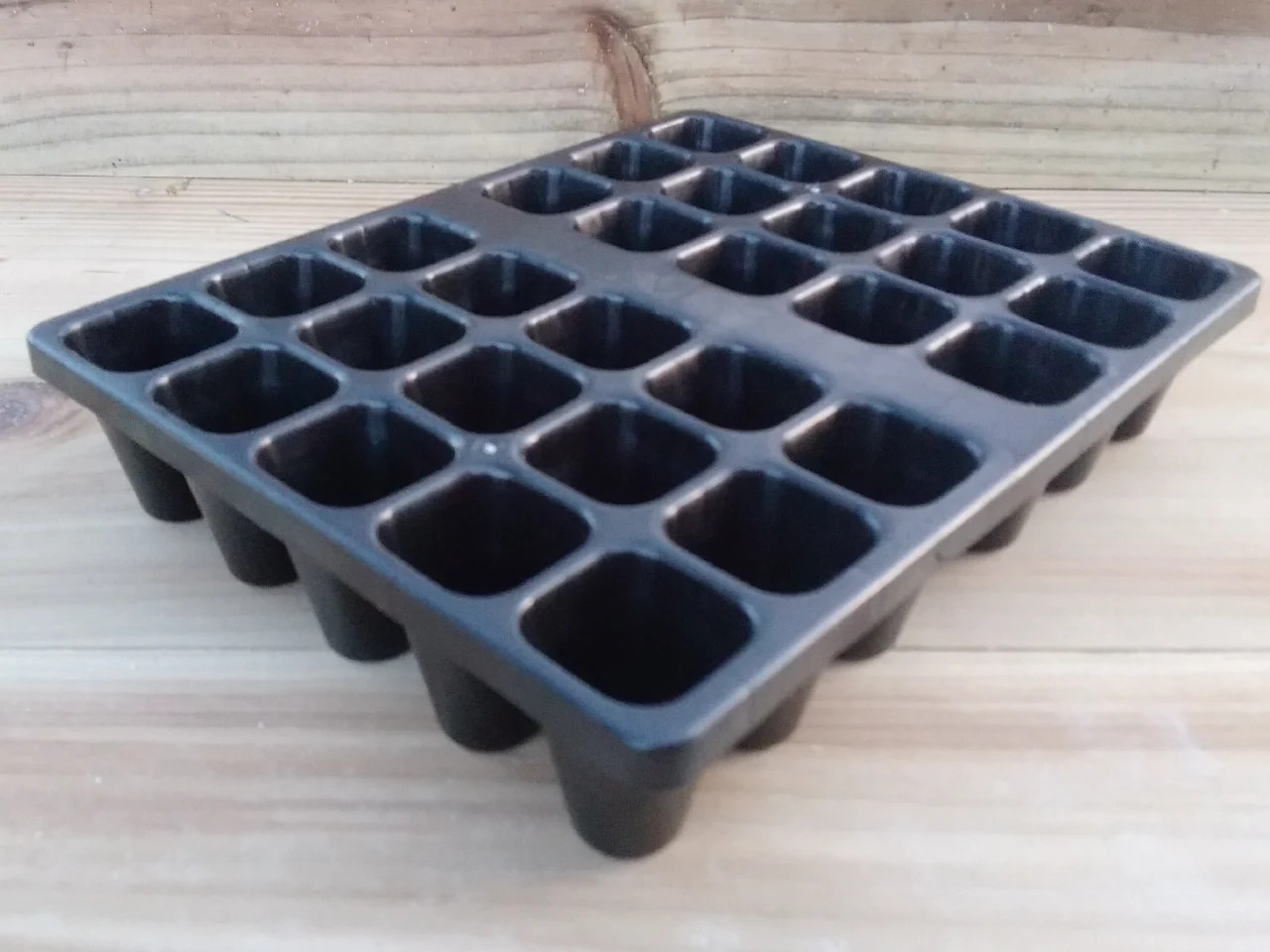
Charles Dowding 30 Cell Plant Tray
View Product7. Turnip - late autumn harvests
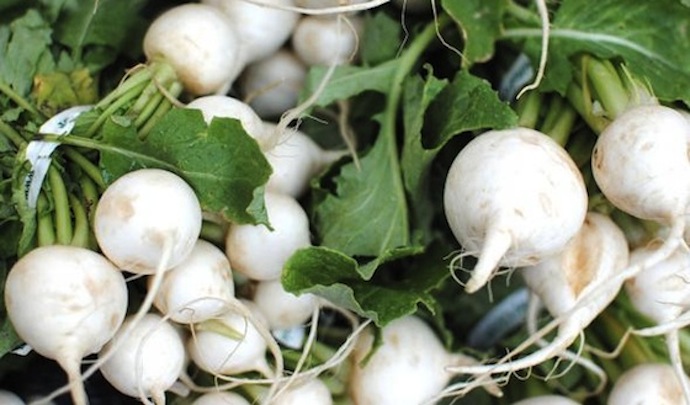
When I say turnip here I'm talking about white turnip rather than swede turnip. If you choose a quick growing variety like speedy Tokyo Cross or Milan Purple Top you can get an excellent harvest before the winter.
Turnips make a delicious gratin baked with milk, cream, salt and pepper and topped with a little gruyere cheese; fantastic as the nights are drawing in!
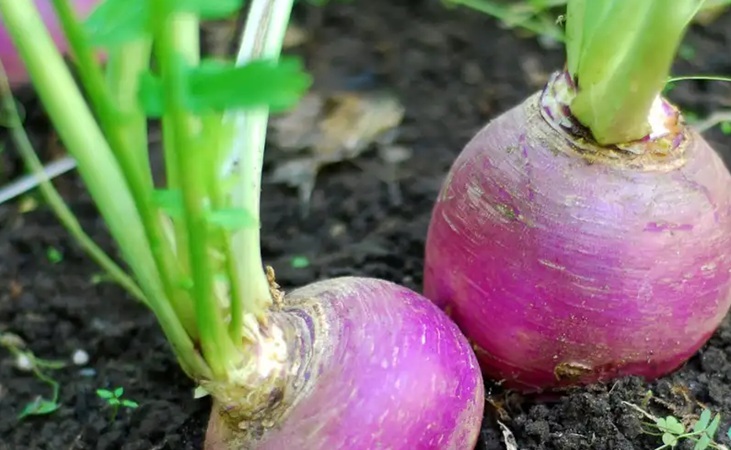
Growing turnips is quick, easy and relatively trouble free, and it's a perfect follow on crop when any beds are left bare.
- I like to sow them in modular trays as I've got into the habit of sowing nearly everything that way, but they are reliable and quick to germinate so are perfectly fine for sowing direct if you wish.
- In modular trays: sow 1 seed per cell, 1.5 cm deep. Outside: sow in drills 2 cm deep at 10 cm intervals.
- Thin drill-sown crops to 25 cm between turnip plants, with a spacing of 30 cm between rows.

Seed & Plant Spacing Ruler
View Product8. Radish - autumn harvests
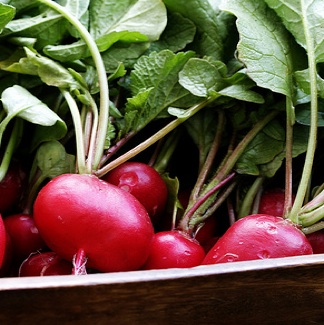
Radishes are so quick to mature that you can harvest roots from about 4 weeks after sowing - which makes growing radish perfect for the last dash before the winter.
I'll have to admit I was never a huge fan, but have developed a bit of a taste for them by munching the little rosy 'Short top forcing' we previously grew for our Quickcrop seedling trays. The trick is to harvest them quick while still small for a lovely fresh peppery bite.
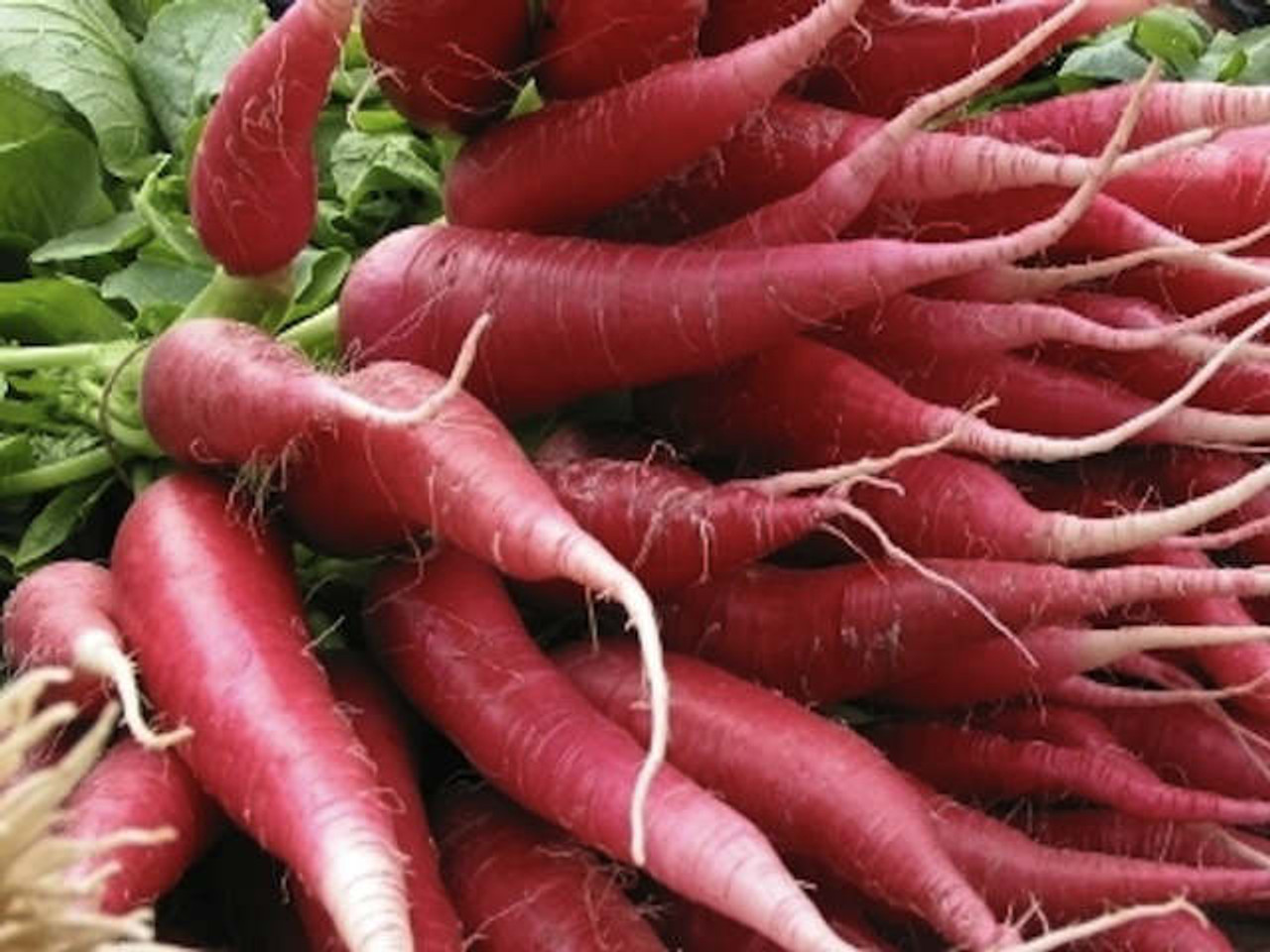
Radish 'China Rose'
View ProductYou can also sow winter radishes like China Rose in July or August for harvesting in October. Winter radishes are slower growing and larger than the summer varieties, but are suitable for roasting or sauteing (smaller summer radishes are not so much).
Seed is best sown direct at about 2-5 cm between radish plants in rows 15 cm apart.
9. Onion and Spring Onions - overwintering and late autumn harvests
While we usually sow our onion seeds or plant onion sets in spring, there are still possibilities here for autumn sowing. Growing onions from sets in autumn results in an earlier harvest the following year (this is not recommended if your garden is prone to waterlogging in winter): plant varieties like Radar or Senshyu Yellow in September/October for harvesting in May.
Spring onions can be sown until early August - later if you have polytunnel - and will give you a good crop of crunchy onions. Most people sow weedy White Lisbon, which are my pet hate; try Ishikura Bunching instead for surefire success.
- Sow in modules with 8-10 seeds per module.
- Plant each module at a spacing of 25 cm between bunches and 30 cm between rows
- When harvesting just pull up the whole bunch, cut all the ends to the same length and put a blue rubber band around them (to pretend you bought them in a shop).
10. Asian Greens - autumn and winter cropping
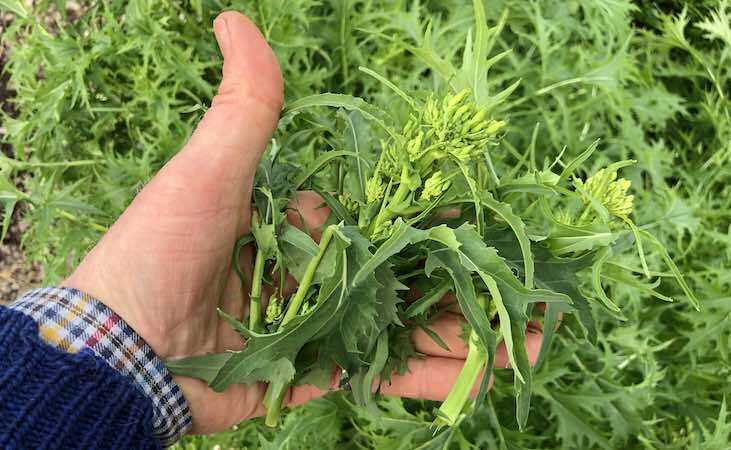
In my opinion the real stars of the autumn/winter show are the range of Asian greens/brassicas: they grow much more successfully in cooler temperatures and are far less likely to bolt and run to seed when grown later in the year.
Asian green crops tend to be frost hardy, and while they don’t enjoy being frozen they certainly tolerate it well. You will need to have sown them by mid-September to get a decent sized plant by the time growth slows dramatically from November onwards.

Pak Choi 'Karaoke' - Asian Brassica
View ProductThere is a huge, diverse range of Asian green varieties; we’ve all tried Rocket but have a go at prolific Mizuna and Mibuna or sample the zesty, peppery flavour of Mustard Red Frills. You can add bags of colour and flavour to your plate with these excellent late season crops, and if nothing else they make a nice change to the more well-known mainstream/western veg options.