Urban Gardening: How to Grow Vegetables in Small Spaces
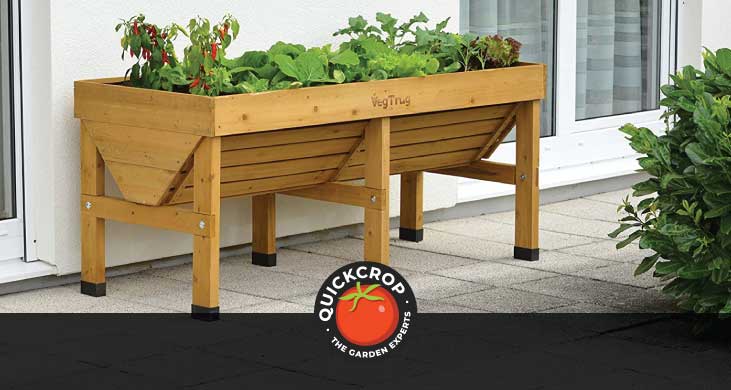
Vegetable growing should be available to anyone - even if you have have a very small urban garden or no garden at all.
Small urban gardens can be just as productive as larger suburban spaces, but the method of growing is very different. If you don’t have a patch of ground to dig up and plant afresh, your crops will need something else to grow in: this is where we enter the wonderful world of container gardening.
Growing Vegetables in Containers
You can grow delicious fresh fruit and vegetables in almost any container, provided:
- it has holes for drainage
- it can hold enough soil or compost to feed the plant you want to grow.
Growing vegetables in containers is also a fantastic way for beginners to give vegetable growing a go before tackling a larger space. Pots and planters can be used to create dramatic and interesting visual flourishes (owing to the planters themselves as well as the plants growing within).
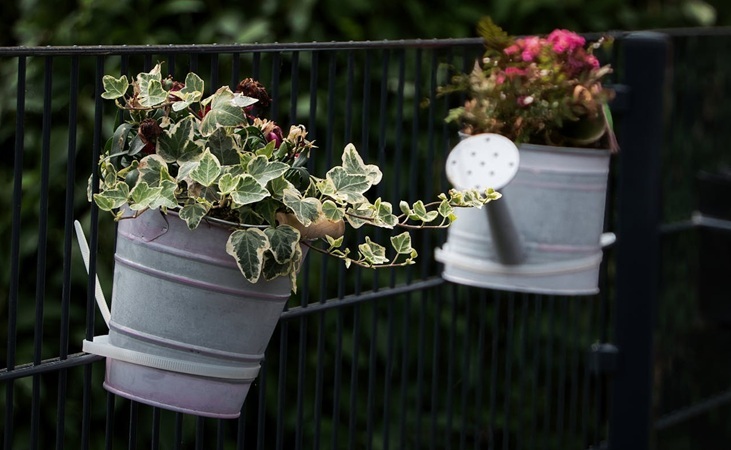
The range of planter options is vast, from old tin cans (which can be used for compact salad crops) to
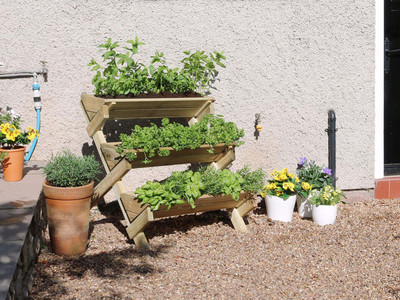
metal or plastic buckets, right up to more substantial timber raised beds or planters.
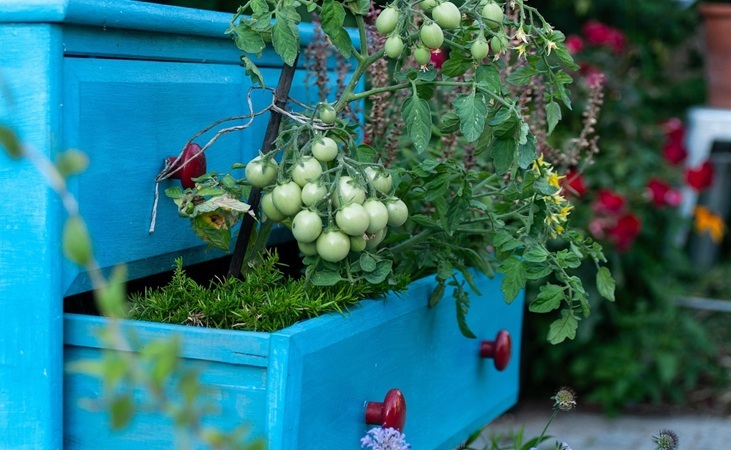
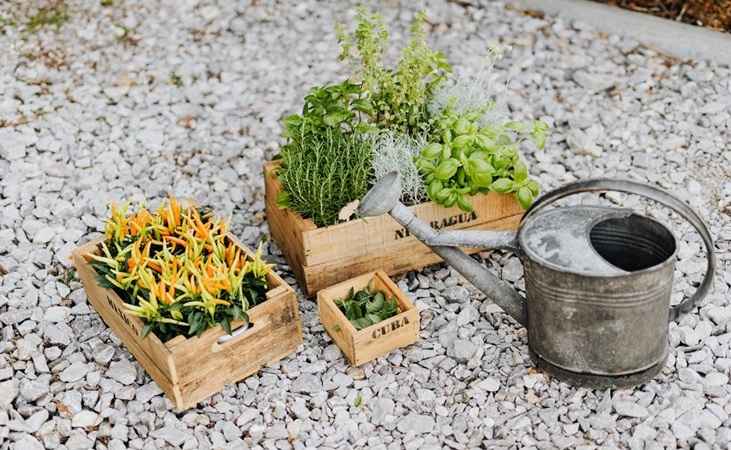
I have seen wonderful gardens created from all sorts of kooky items like old chimney pots, wooden wine boxes or fruit crates - and even a salad garden growing in an old suitcase!

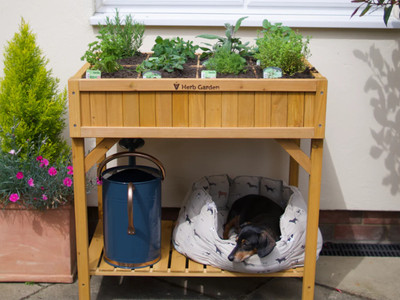
VegTrug Wall Hugger Trough Planter
View ProductPlacement of Containers and Planters
For the most part, containers should be placed in the sunniest spot you have available. Smaller planters are handy as they can be moved around to find the spot with the best growing conditions.
Ideally you are looking for sunlight for a minimum of 6 hours per day, but some crops like salads and other leafy greens can cope with less. If you have a shady site you may need to tailor the crops you want to grow.
Plants that need full sun (at least 6 hours)
- tomatoes
- peppers
- cucumber
- courgettes
- sweetcorn
- pumpkins/winter squash
Plants that can do well in partial sun (4-6 hours)
- beetroot
- carrots
- peas
- kale
- swiss chard
- radish (especially in summer)

Beetroot 'Pablo F1'
View ProductPlants that tolerate shade well
- lettuce
- spinach
- rocket
- pak choi
- parsley
- coriander
Related Article: How to Grow Tomatoes in Containers
Remember that large pots filled with compost are very heavy and awkward to carry, so work out where you want your bigger pots to be before you fill them to save strain on your back. If you do need to move large and heavy pots there are clever inventions out there - like the ‘Potlifter’ - which makes shifting them much safer and easier.
Creative Urban Planter Ideas
- Wooden wine boxes make great little planters for herbs and salads.
- Metal containers make great, long lasting garden planters and come in all shapes and sizes.
- Old tins can be used for growing herbs.
- Tomatoes grow very well in hanging baskets and can be suspended over other containers, doubling up on space.

Cambridge Hanging Basket with Coco Liner
View ProductWhat Vegetables are Suited to Container Gardening?
Nearly all vegetables can be grown in a container provided the container is deep or roomy enough, but some are more suitable than others with regard to what you get out of it. With some crops you will be looking at much smaller yields than you would if you had a polytunnel or medium sized garden; but that doesn't mean it's not worth the effort or experiment.
First look at the space you’ll have available and the number of planters you can fit, and work back from there.
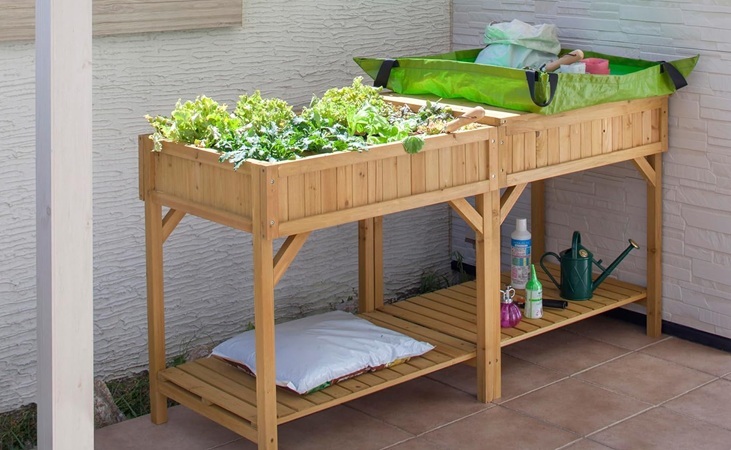
Colourful lettuces, beetroot, Swiss chard and Asian greens are all ideal, while peas and beans with their delicate flowers have the added advantage of looking great too.
We go into this in more detail in the below linked article.
Related Article: Top 10 Vegetables to Grow in Containers

Carrot Patio Planter - 2 Pack
View ProductSoil and Compost for Container Growing
Container-grown plants are restrained by the size of their pot or planter: their roots have a relatively small area to draw their nutrients from, so you need to make sure that the soil or compost you use is well fed. Garden soil is not suitable for container growing as it can't hold sufficient moisture, is very heavy and will dry out in a pot to a concrete-like lump.
Soilless composts are generally better for container growing because they a) hold moisture better and b) have an easy, open structure where plant roots can quickly get established. Remember that most multipurpose composts only hold nutrients for about 4-6 weeks, so you need to either mix in a slow-release fertilizer or feed plants with a liquid feed.

Maxicrop Tomato Fertiliser 1 L
View ProductWe find 'Living Green' wormcast compost to be excellent for container gardening, as it is full of natural slow-release nutrients which won't burn sensitive young roots. Blend the wormcast compost into your potting mix, or apply it as top dressing.
We also stock a range of natural feeds and soil improvers, allowing you to build and maintain the right soil for the crops you want to grow.