What To Sow in September
It's crazy busy in the garden and the kitchen these days between harvesting and preserving all your delicious homegrown crops. If you can spare a few minutes to sow some seeds, your future self will thank you when you're eating fresh salads mid winter!
It's important to be realistic though. I don't want to state the obvious but as we move towards the 21st of December temperatures are dropping, days are getting shorter and light intensity is diminishing. Early September can be deceptive - as seeds will germinate easily but they often won't have enough time to reach maturity before it gets too cold for growth (usually by early November).
What Can You Sow in September?
While it is tempting to take a more optimistic tone here (we do sell seeds after all), I can only advise a small range of fast-growing crops for September sowing. These include 'Asian Green' salad crops, turnip, lettuce (preferably winter varieties) and summer or winter radish.
If you have a greenhouse or polytunnel you will have a much expanded list of options as we head into the autumn. If you don't have a covered growing area you can still extend your season somewhat by using polythene cloches or mini polytunnels placed on your soil or attached to raised beds.

Mini Polytunnel Frame Kit
View ProductAsian Greens
There are a very wide range of Asian greens (they are sometimes referred to as oriental salads) with a huge variety of leaf shapes, textures and colours. Flavour ranges from fresh, crispy and mild (Mizuna) to hot and peppery (Rocket, Osaka, and leaf mustard).
Early September is the best time to sow crops these lesser-known crops; they generally prefer the cooler temperatures at this time of year as well as the shorter days which make them far less likely to bolt. Asian greens will also survive much colder temperatures (even frost), so will provide salad leaves until mid November outdoors and will overwinter happily in a tunnel or greenhouse.
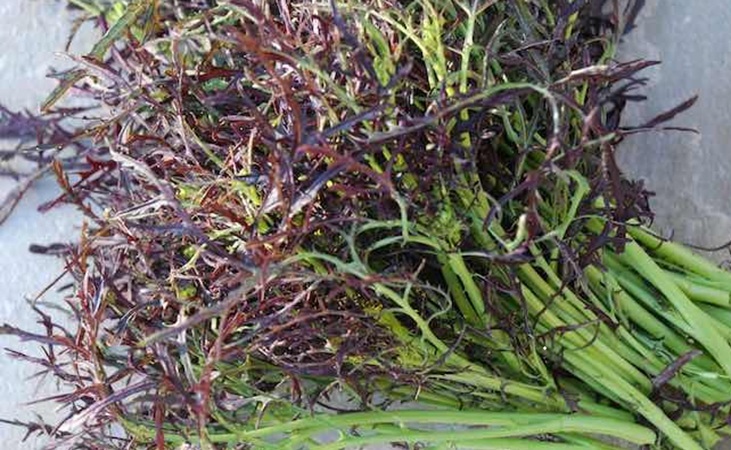
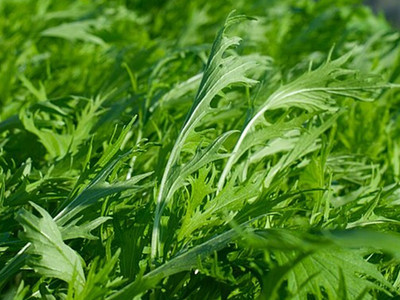
My personal favourite is leaf mustard (pictured above): either red or green frills varieties; they have the peppery punch of rocket but a much broader all round flavour.
Claytonia & Corn Salad
These two stalwarts are also cold tolerant and will produce fresh greens for a surprisingly long time. The plants are likely to survive the winter outside when they will start to grow again in spring to give some welcome greens before they are cleared for a follow on crop.

Claytonia 'Winter Purslane'
View ProductIf Claytonia is causing you to ask 'what?', it is also referred to as winter purslane or miner's lettuce - which are admittedly both more evocative names.
Turnip
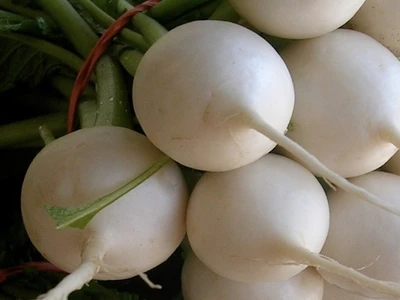
You can grow fast growing varieties such as Tokyo Cross (small and sweet tennis ball sized turnips) or Polar (small white-skinned turnips with a lovely subtle flavour) before it gets too cold in November.
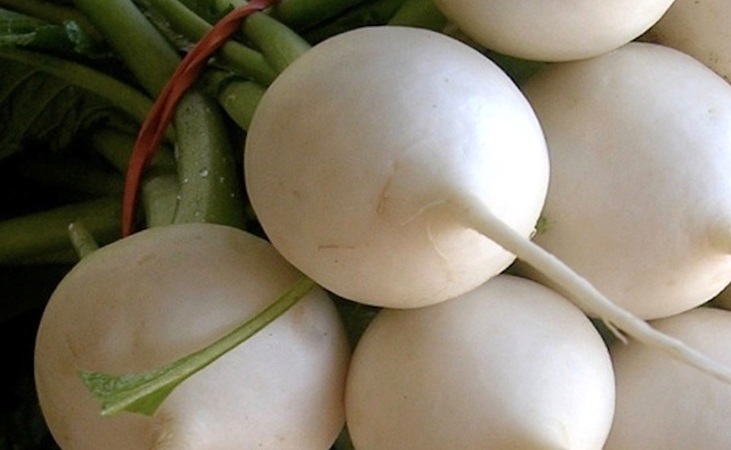
Tokyo cross needs to be sown in August for growing outside, but it can still be sown directly in the polytunnel until mid September. Polar should be good either way and can be harvested in as little as 35 days.
Turnip (tops)
Turnip tops (below) are the leafy part of the turnip, and can provide a number of harvests of (also peppery) leaves in autumn and early winter before they eventually run to seed.
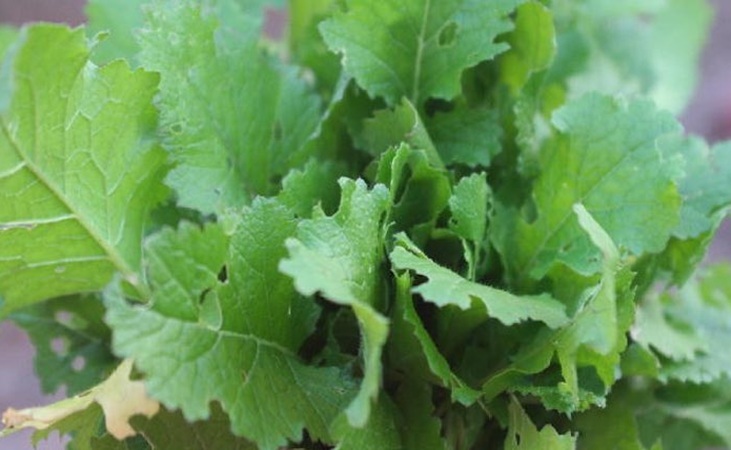
The seed heads are a treat in themselves: known as 'cime di rapa' in Italy and traditionally served steamed with olive oil and garlic, they have recently become very fashionable in top restaurants - so another one worth giving a go. You can buy specific cime di rapa seed varieties, but any maincrop turnip seeds will do almost as well.
When growing for leaf production you want to sow quite densely and start picking young leaves at 4-6 weeks.

Broccoli Raab 'Cima Di Rapa'
View ProductChard and Perpetual Spinach (polytunnel)
Sowing for outdoor use is best done in August (for planting out in September), but you still have time to sow in September if you have a polytunnel and can grow undercover. Chard and spinach will give leaves before November and will usually survive the winter and burst back to life in the spring.
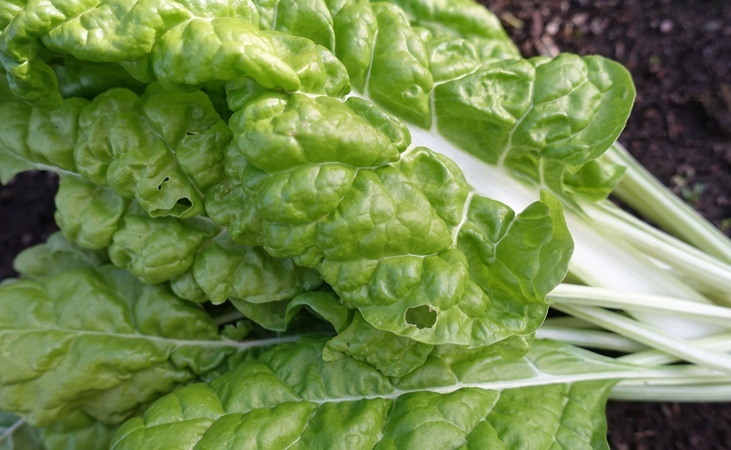
Grow Rainbow Chard for fantastic brightly coloured stems or Swiss chard for a milder flavour. Perpetual spinach is more hardy than pink or yellow-stemmed chard, so it's a better option for colder northwestern areas.
Spinach
Annual spinach or 'true spinach' is an excellent crop to get in now for some early harvests next April and May. If growing outside it is best to sow before mid August, but it can be sown in the tunnel in September.
I find the spring leaves from spinach to be the tastiest of the year, with the young April leaves being particularly sweet and good. Larger leaves produced in May are better cooked.
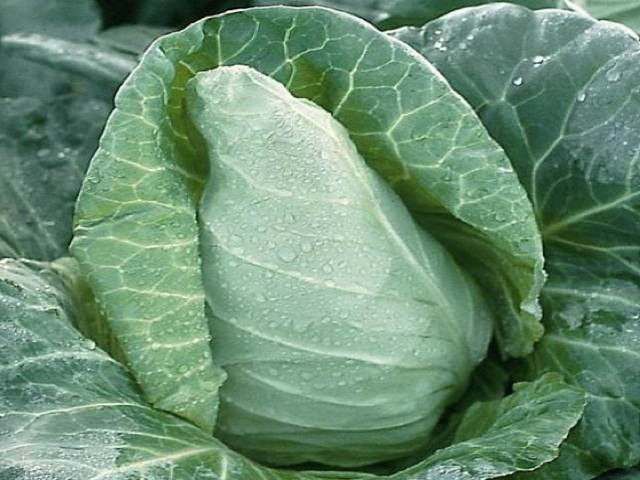
Spring Cabbage 'Caraflex F1'
View ProductSpring Cabbage (polytunnel)
The juicy leaves of spring cabbage are very welcome in April and May: it is one of the first 'proper' crops you can harvest in the year. The trick is to get the plants large enough before November to survive the winter, but at the same time not so large that they start to form hearts.
The best sowing date is the end of August for planting out in mid/late September; the young plant will go dormant over winter and resume growth in spring.
Lettuce (polytunnel)
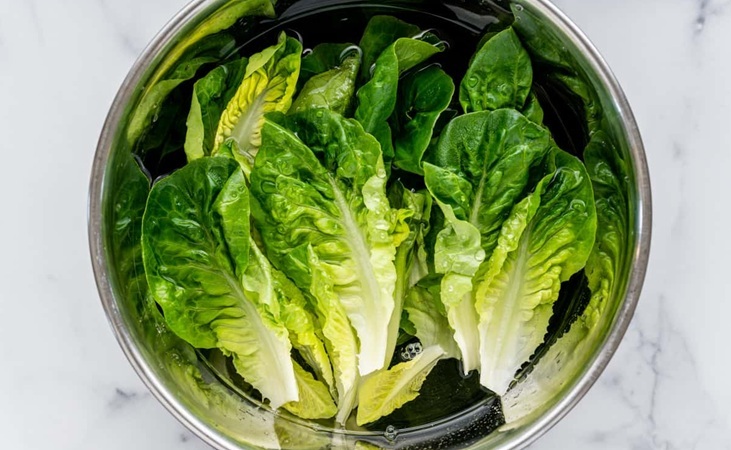
Lettuce is certainly recommended if you have a polytunnel - both to sow seeds and plant 'out' in (if you are planting outdoors, make sure to keep some horticultural fleece or a cloche to hand for spells of wintry weather. Outdoor crops can also be more susceptible to slug activity in late autumn.
We recommend Marvel of 4 Seasons or Little Gem; both are cold tolerant with the latter even tolerating light frosts.
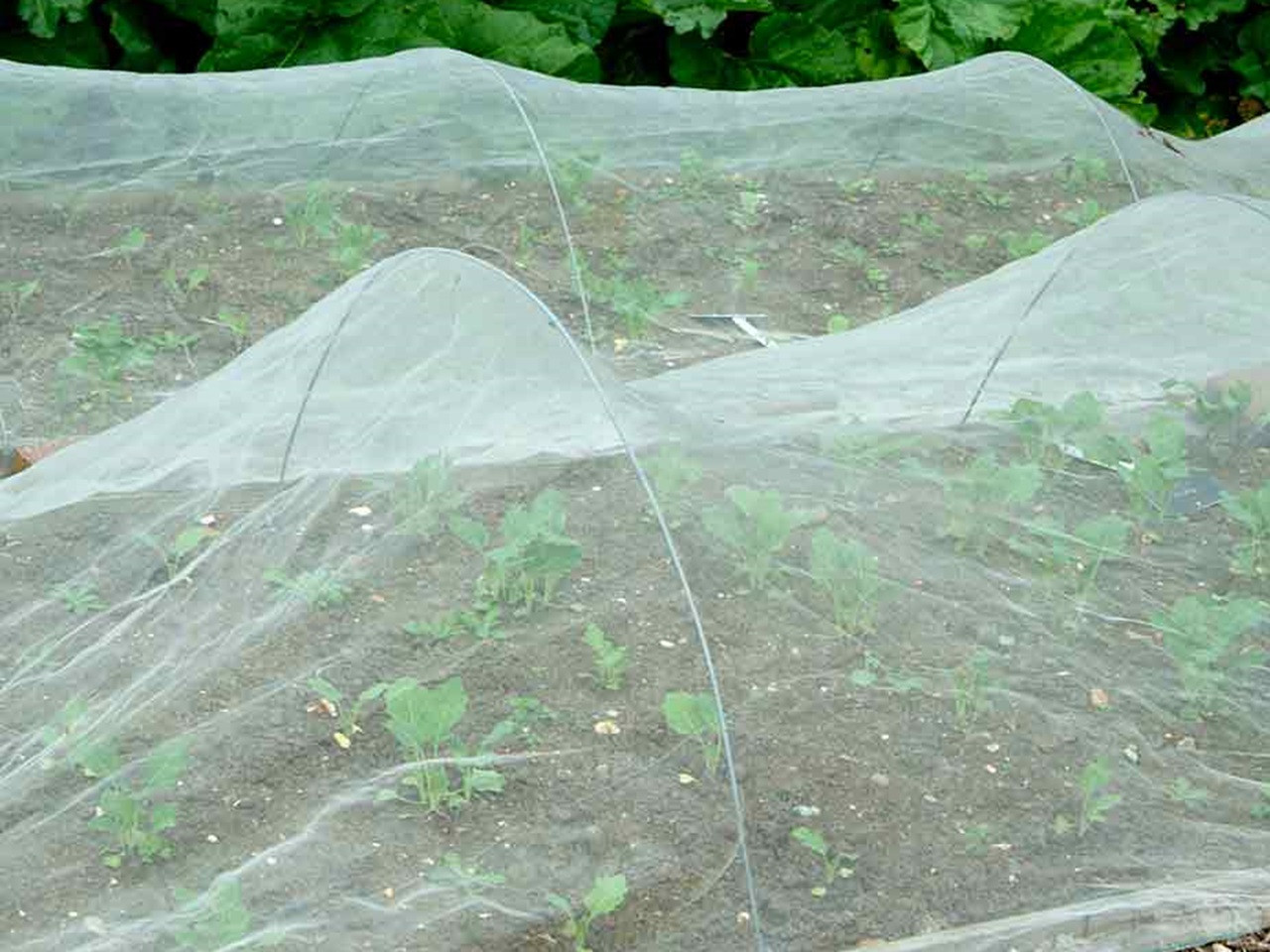
Horticultural Fleece Bulk Rolls
View ProductCarrot (polytunnel)
Carrots are another option for the polytunnel; sow an 'early carrot' variety (e.g. Amsterdam Forcing, Early Nantes) in early September and overwinter for fresh crops in spring.
Kale
Kale can be sown in early September for tender baby leaves. Varieties like Nero Di Toscano and Red Russian are cold hardy, and not only can the leaves be picked young but they can also take on an extra sweetness when exposed to cold or short bursts of frost.
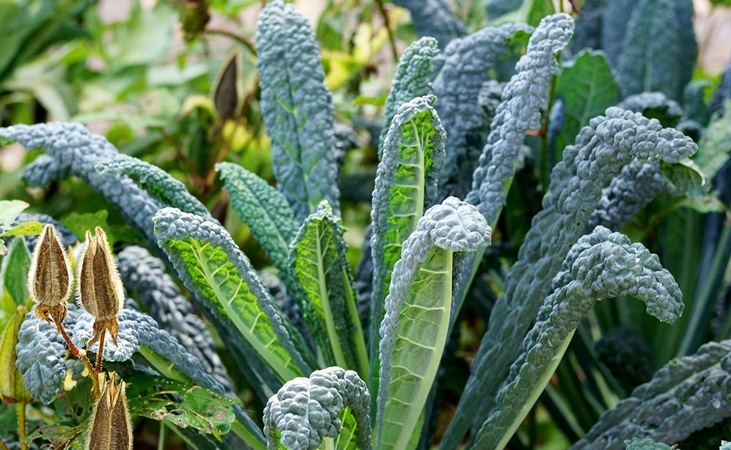
A helpful tip here is to space the crop closer than you normally would for kale (say even 7.5 cm); this allows you to grow batches of smaller-sized plants, providing a good supply of 'cut and come again' leaves into early winter.
Radish
If it's still fairly warm in early to mid September then radish is worth a shot - opt for a fast-growing variety like French Breakfast, where the roots are picked young for optimal flavour. Daikon radishes are also a good call.

Radish 'French Breakfast 3'
View ProductIf you've sown radish outdoors keep a cloche to hand for when temperatures drop.
Overwintering Onions & Garlic
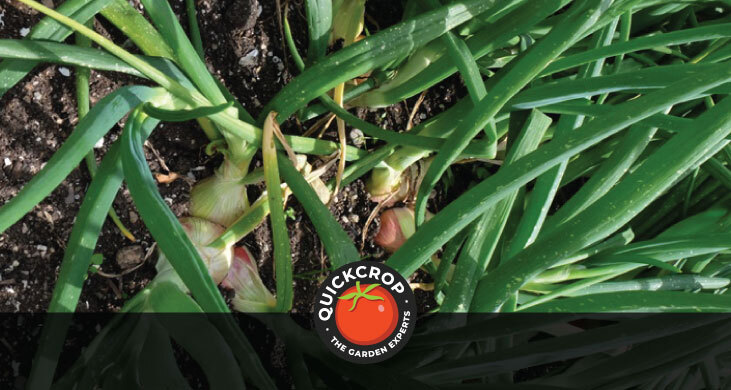
Overwintering onion sets are planted in September and October, and will produce onions 6-8 weeks before spring planted sets are ready in July and August. I have noticed on a couple of years that they seemed less likely to bolt than my spring planted sets, but I didn't do any proper tests so this may not be consistent.
Sets are fun to plant given their easy to handle size - as well as the feeling that you've already made a start on next year's growing.
I always use Gro Grid weed suppressant mats for growing onions at any time of the year, but it makes even more sense for overwintering varieties: as the mat will also protect your soil from wintry weather. I usually rake a little blood fish and bone fertlizer and some wood ash into the soil before planting.

Gro Grid Planting Mat 'D' For Onions & Garlic
View ProductAutumn garlic can also be planted from September to November. Prepare the soil in the same way as for onion above.
Autumn garlic will yield a better sized clove than spring garlic; just be aware that it's not advisable in a wet garden. If you live in a wet area, plant autumn garlic in a raised bed - or wait until early spring and plant spring garlic.
Green Manures
If you have any beds which won't be filled with another vegetable crop this season they should be covered (whether with compost or a green manure crop) to prevent nutrients being washed out over the winter.
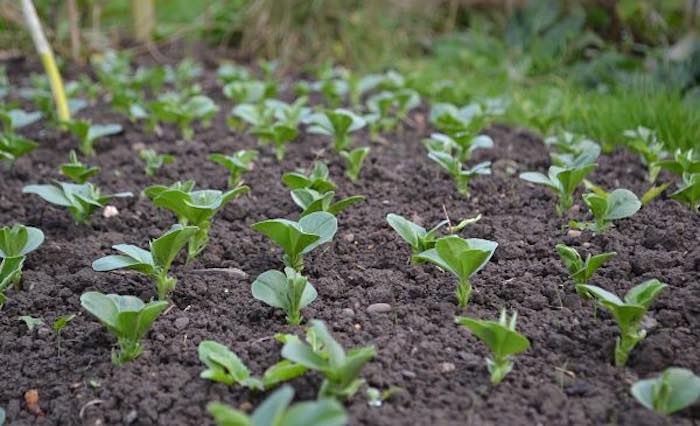
Green manures have a range of benefits depending on which type you sow, but at this time of year their chief purpose is protection. The foliage of a crop like field beans (a close relative of broad beans) helps protect the soil from harsh weather, while also preserving nutrients by storing them in roots and leaves that can be cut and composted the following year.
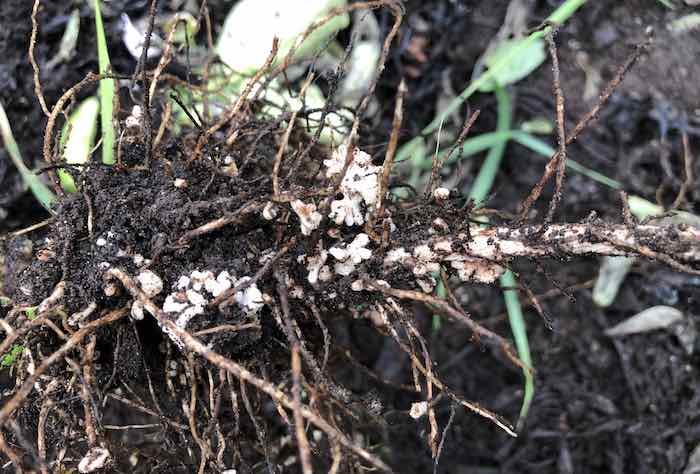
Like all members of the legume family, field beans have the ability to process atmospheric nitrogen and store it in nodules in their roots. The photo above shows the roots of broad beans I grew this year; the white lumps are the nodules which are grown by the beans to house bacteria that do the nitrogen processing for them.
One of the benefits of growing a field bean green manure crop is that the nitrogen rich roots can be left in the ground to help feed the following crop. In my opinion this benefit has a tendency to be overplayed - but it is a benefit nonetheless.

Green Manure 'Field Bean'
View ProductMake sure to check the recommended sowing date for any green manure you buy, as there is a perception that they are all sown in autumn but this is not the case. Field beans will certainly be suitable for a September sowing.