What to Sow in April

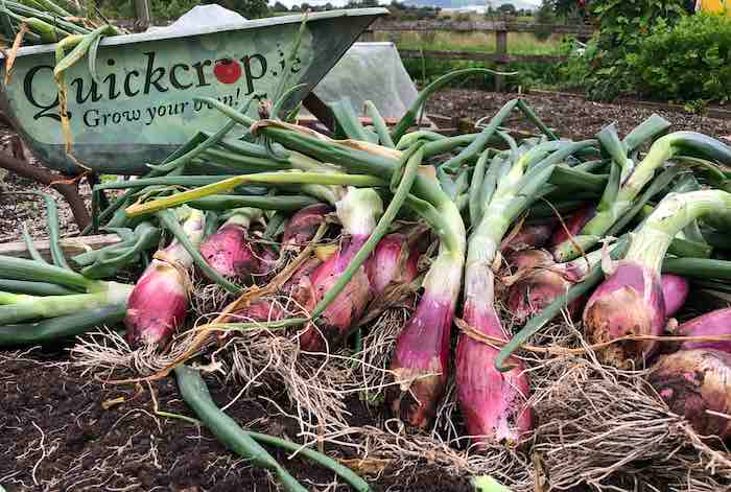
For a bit of colour to start, below is the beautiful magenta bulbs of onion 'Long Red Florence': a crop I harvested in 2021, but a variety I sow every year. A new batch of onion seedling plants (sown in February) has just gone out into the garden, and are now company for the potatoes, garlic, peas and broad beans which have already gone in.
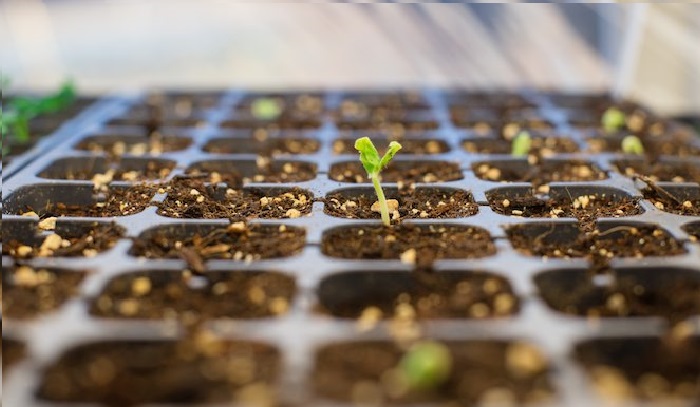
April is the biggest sowing month of the year with the first 2 weeks being the busiest, especially if you have some March sowings you need to catch up on. You will remember that most outdoor vegetables take approximately 4 weeks from sowing until they are large enough to plant out - so if you want seedlings ready in early May, you need to sow them in early April.
The optimum sowing times for each crop can be based on a number of factors, such as:
- Temperature and seed/flowering time
- Strategic avoidance of certain pests or diseases
- Having enough time in the season for our chosen crop to ripen
I have therefore included some crops below that are a little past their optimum sowing time, but they will still do well and produce a very worthwhile harvest.
I have included what I hope is a comprehensive list of April sowing options below, with a couple of tips on variety or sowing which I hope will be helpful. As I said, there is a lot to do this month which sets you up for the rest of the year - so we really need to get busy!
With the exception of broad beans and peas, there is little that can be sown directly outside in April. The list below refers mostly to seeds started under cover (indoors or in a greenhouse or polytunnel) and planted outside - or, in the case of warm climate crops such as tomatoes or cucumbers, to be planted in your greenhouse or polytunnel when all risk of frost has passed.
Carrots and parsnips can be sown outside around the middle of the month, but this is down to soil temperature - so if it remains cold and wet, you might be better off waiting until May.

Large Hobby Polytunnel (4.6m Wide)
View ProductSummer flowering crops
A quick note here on vegetables that flower in summer, as you may wonder why some crops have been omitted from my April sowing list.
Oriental salads, fennel, annual spinach, turnip, radish or swede are programmed to flower in early summer, so they are best sown later in the season for a longer harvest time. Quick maturing crops like Oriental salads and radish can be sown in late February or March but - once we get to mid April - you will need to hold off until we pass the flowering period.
Broad Bean
Sow: early in the month if not done already. One of the reasons we try to sow broad beans earlier is to avoid the fungal disease chocolate spot, which is around in July and August.
Broad beans sown in early April will have their harvest closer to this time but will still produce plenty of good beans. I don't think it's worth sowing after mid month, however.
Recommended varieties: Hangdown Green, Witkeim Manita
French Bean
It is still too early to sow French beans for growing outside but they can be started after mid-month if (like me) you are growing in a polytunnel or greenhouse. French beans are quickly killed by frost, so don't sow unless you can protect them when they come up.
Recommended varieties: Cobra, Opera, Neckargold, Purple Queen
Beetroot
Sow: Late February - July
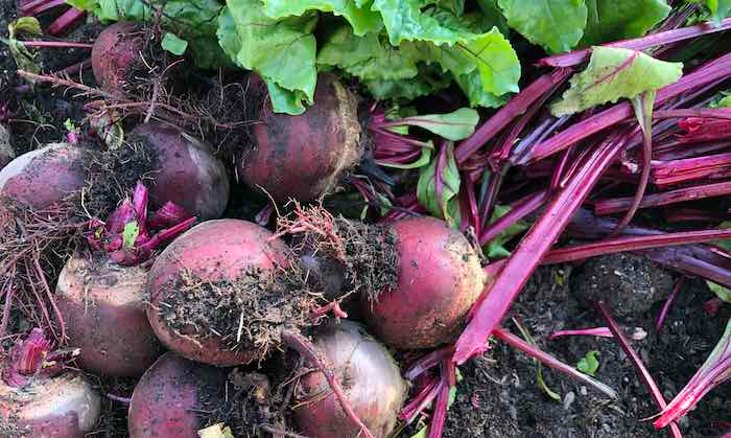
Sow beetroot anytime from now up until early July. Despite seeds being clusters of 2 or 3 seeds, germination is never 100% so treat each cluster as 1 seed. Sow 3 or 4 seeds per cell and thin to 4 or 5 seedlings per module when small.
Plant out in 3-4 weeks, in clumps spaced 30cm all round. Use a horticultural fleece cover if cold weather is forecast.
Recommended varieties: Pablo F1, Chioggia barbabietola, Detroit 2
Red beetroot varieties have the best depth of flavour, while red or white varieties are sweeter.
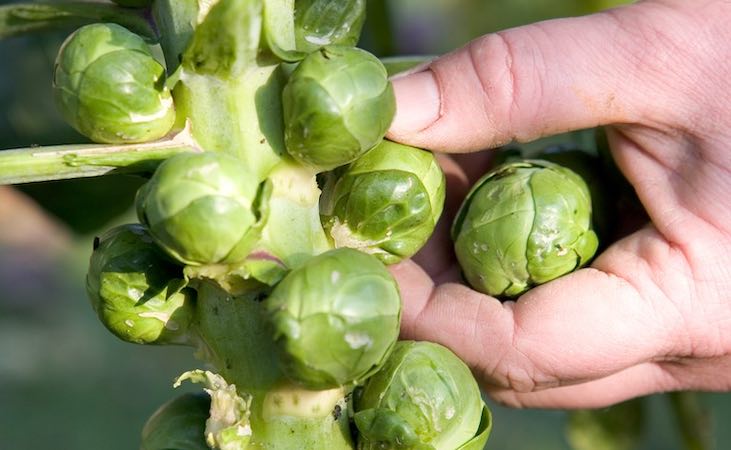
Brussels Sprouts
Sow: Late April - mid May
The earlier Brussels sprouts are sown, the earlier they will be harvested: so if you want sprouts for winter you are better delaying sowing to the second week in May.
Sow in trays and prick out to 3-4cm modules within a week of germinating. Pick the strongest growing seedlings to pot on, as this vigour will continue in the developing plant.
Plant out 4-5 weeks after sowing, with spacing 60cm x 60cm. Remember that this wide spacing gives you the opportunity to plant lettuce seedlings between the sprouts (and gain a sneaky harvest before the sprout plants need the space).
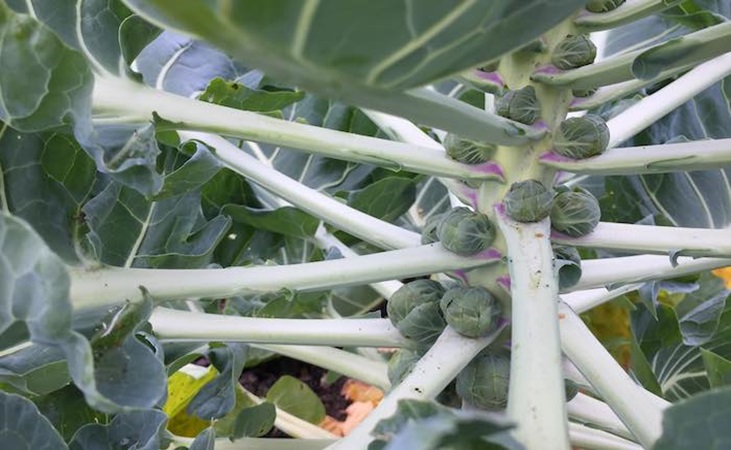
Recommended varieties: Redarling F1, Igor F1, Flower Sprout Frivole Red
F1 varieties of brussels sprouts are much more reliable and give a better crop, so - considering how much space sprouts take up and how long it takes them to mature - F1's are the safer option over open pollinated seeds.
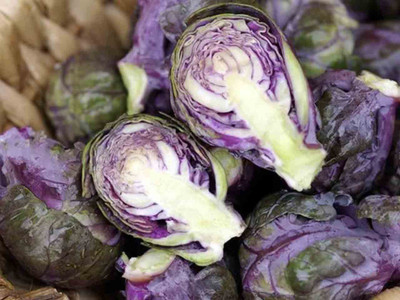
Red sprouts have a sweeter, nuttier taste than green varieties so might be a good 'gateway' sprout for those sprout haters out there. 'Redarling' also retains it's colour when cooked, so you may even be able to sneak healthy sprouts into dishes without anyone even noticing.
Don't forget flower sprouts or 'kalettes', which are a cross between English kale and the Brussels sprout: they are a superb autumn/winter vegetable.

Brussels Sprout - 'Redarling F1'
View Product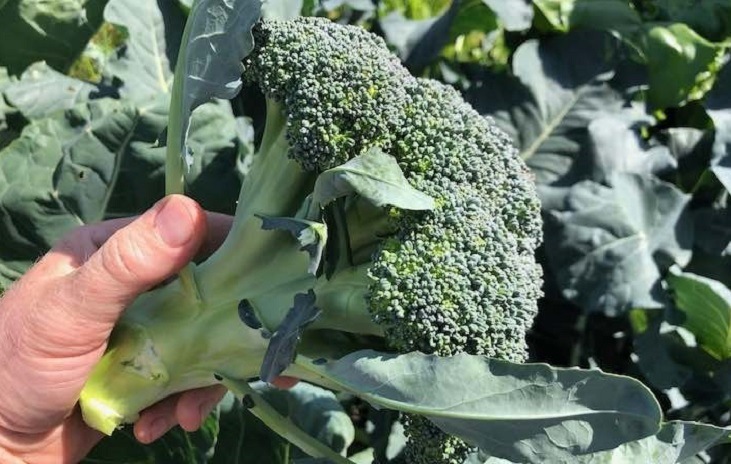
Broccoli Calabrese
Sow: Mid February - June
Sow in a seed tray and prick out to 3-4cm modules within a week of germination. Plant out 4-5 weeks after sowing, with spacing 40cm x 40cm.
Cover with fleece for early plantings, followed by insect mesh to protect against weather, cabbage root fly and pigeons.
Recommended varieties: Belstar F1, Green Magic F1, Marathon F1
F1 calabrese varieties are reliable and produce impressively large heads, followed by smaller side shoots if the plants are left in the ground after the main head has been harvested. As large brassicas go, they are relatively quick to mature and give a harvest 110 days after sowing.
As with Brussels sprouts, I would again recommend the F1 hybrid varieties as they are more vigorous and reliable.
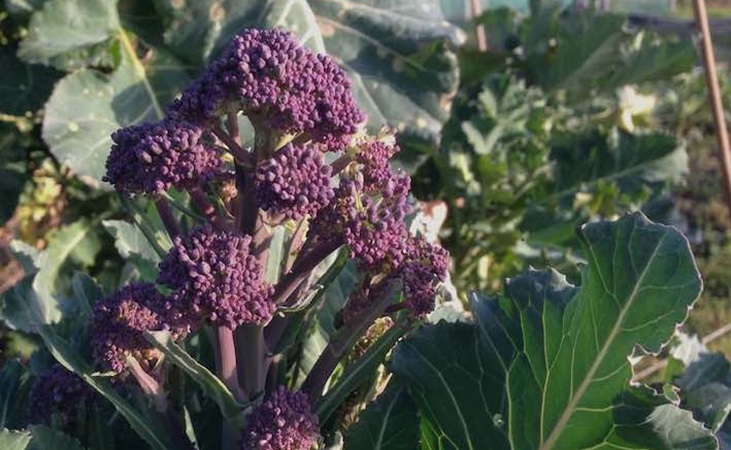
Broccoli Purple Sprouting
Sow: April - July
Purple sprouting broccoli is traditionally grown for harvest in autumn or the following spring. If you're looking to overwinter the crop, delay sowing until June. If you require an early crop of purple broccoli in late summer or early autumn, you can sow a suitable variety (such as Summer Purple) anytime in April.
Sow in a seed tray and prick out to 3-4cm modules within a week of germination. Plant out 4-5 weeks after sowing, with spacing 45cm x 45cm.
Cover with fleece for early plantings followed by insect mesh to protect against weather, cabbage root fly and pigeons if needed.
Recommended varieties: Santee F1, Summer Purple
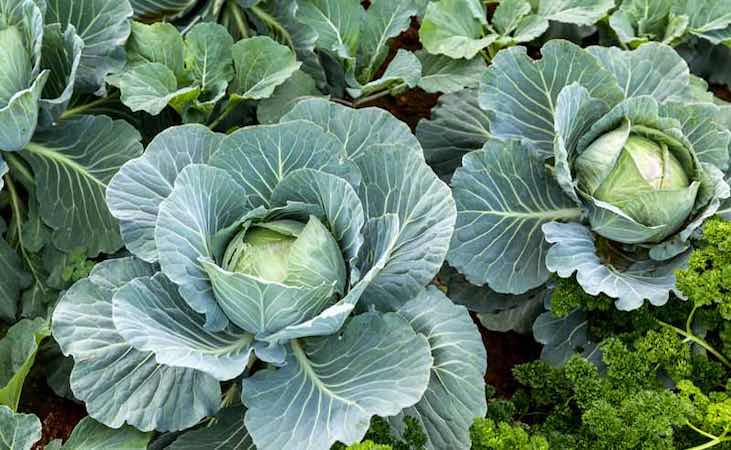
Summer Cabbage
Sow: Late February - mid April
There is a huge range of cabbage out there, one for almost any time of the year, but here we refer to firm, ball head summer cabbages. They are perfect for a garden like mine where we have damp summers with plenty of moisture, but will not do well in hot and dry conditions.
The preferred sowing date is late February to mid March, but you have just about enough time to start seeds in early April for a late July harvest. If you have hot summers? An early February sowing is preferable for an earlier harvest in mid June.
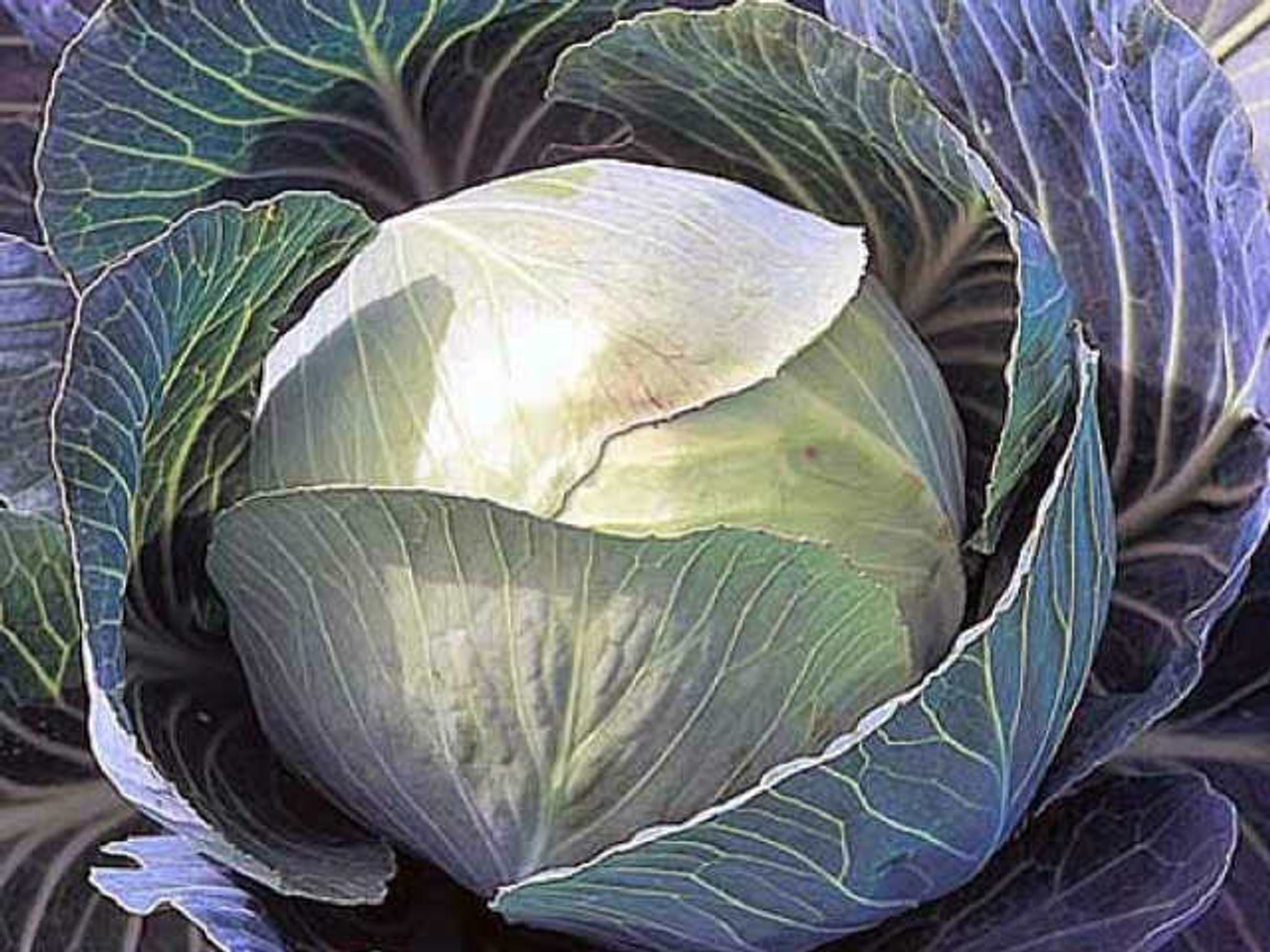
Cabbage, Summer 'Stonehead F1'
View ProductSow in trays and prick out to 3-4cm modules within a week of germinating. Plant out 4-5 weeks after sowing, with spacing 45cm x 45cm (the wider the spacing, the larger the head).
Cover with fleece for early plantings, followed by insect mesh to protect against weather, cabbage root fly and pigeons.
Recommended varieties: Stonehead F1
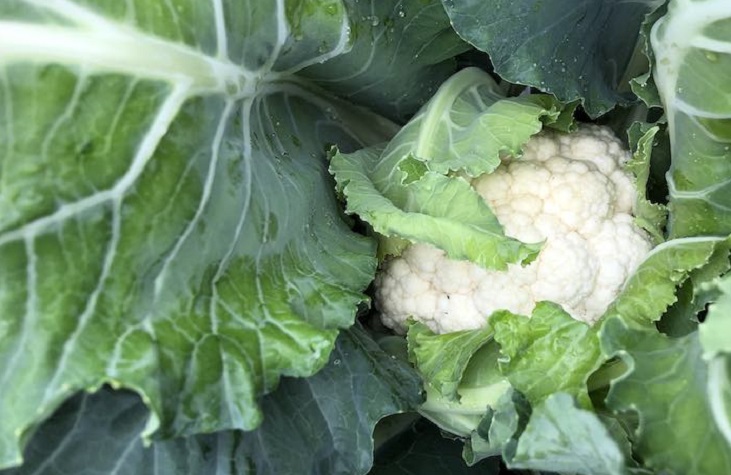
Cauliflower (Summer)
Sow: Early March - mid April
Sow in a seed tray and prick out to 3-5cm modules within a week of germination. Plant out 4-5 weeks after sowing, spacing 45cm all round to 60cm depending on the size of head required.
Cover with fleece for early plantings, followed by insect mesh to protect against weather, cabbage root fly and pigeons.
Cauliflower needs some looking after to achieve a successful harvest: it requires very good soil and an even supply of moisture, so it can actually do better in a damp year. The plants also like a firm footing so firm down the soil well if your bed has recently been filled or dug.

Cauliflower 'Grafitti F1'
View ProductRecommended varieties: Graffiti F1, Aviron F1, Skywalker F1, Cheddar F1
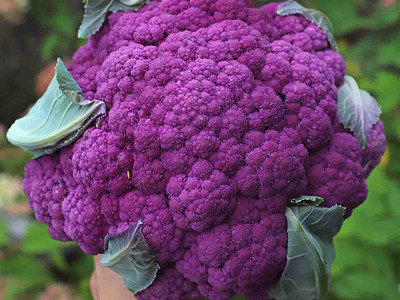
For some unique cauliflower varieties, make sure to check out our new seed range additions: 'Cheddar F1' and 'Graffiti F1', which produce beautiful yellow-orange and bright purple heads respectively.
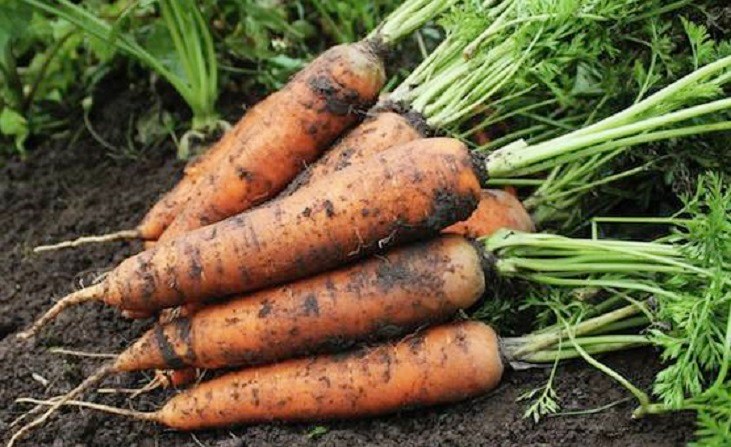
Carrots (Early)
Sow: March to July
Carrots can be sown as soon as the soil is warm enough (10˚C): the tell tale sign here is when a significant number of new weeds are beginning to appear.
Carrots need to be sown direct rather than in modules, as any root disturbance will result in forked, misshapen carrots. Your soil needs to be in good condition, with any large lumps or stones raked out to create a fine seed bed.
The first generation of carrot root fly is very active in late spring and early summer. Maincrop carrots are best sown after mid June for this reason, but early varieties can be sown in April provided they are covered with an insect protection mesh.
Early carrot seed is sown in rows 20cm apart at a depth of 1cm. Maincrop carrot rows are 30cm apart.
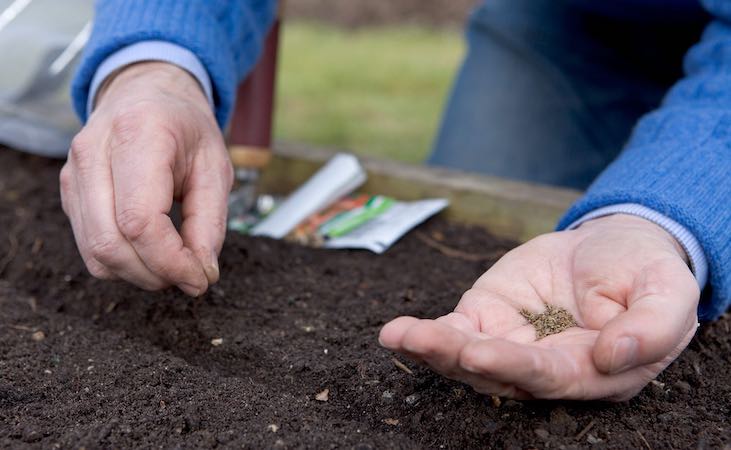
The seeds are very small and not possible to sow at the finished spacing, so aim to sow 3 or 4 seeds per centimetre. The method, which improves with practice, is to take a pinch of seed from your palm and sow by rubbing your thumb and forefinger together while moving along the row. Once the seedlings have come up and are growing well, you can thin out any clumps to leave even rows.
Recommended varieties: Early Nantes, Amsterdam Forcing
Chard
Sow: April - July
My preference for chard - as well as perpetual spinach - is to sow from mid April through to early May for tender autumn leaves.
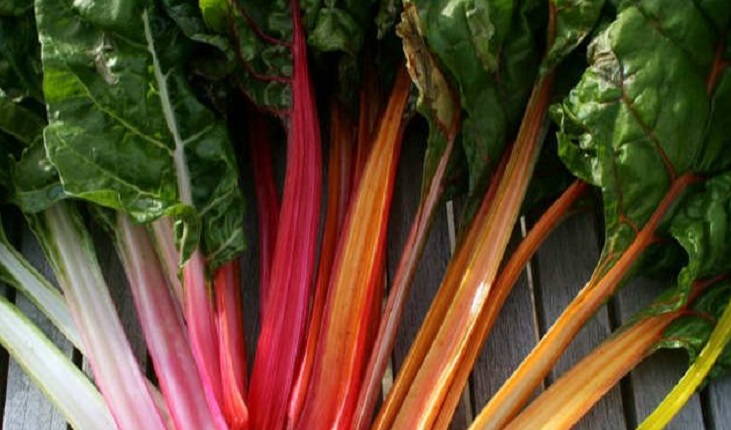
Related to beetroot, chard is grown for its large, glossy leaves, which are produced over a long period from early summer to late autumn. Swiss chard has thicker, juicier stems; while rainbow chard looks amazing both in the garden and on the plate, with bright yellow, orange, red and magenta stems.
Chard can be eaten raw as baby leaf; large leaves taste better cooked due to their slightly bitter taste.
Despite seeds being clusters, germination is never 100% so treat each seed as 1 cluster. Sow in 2-3 cm modules with 3 seeds per cell and thin out the weaker seedlings.
For medium-sized plants and leaves for cooking, leave 2 seeds per cell. For salad leaves, allow 4 seeds per cell so the resulting clump of 4 smaller plants produces smaller, more tender leaves.
If sowing multi-coloured rainbow chard, you can keep your preferred stem colours and remove those you don’t like at the early thinning stage.
Recommended varieties: Swiss chard, Rainbow chard, Rhubarb chard.

Chard 'Rainbow Chard'
View Product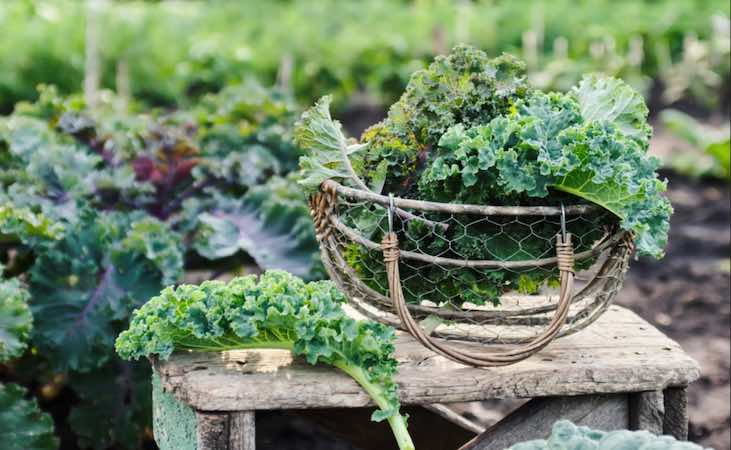
Kale
Sow: March - August
Kale used to be a winter crop but - due to its popularity as a ‘superfood’ - it is now grown throughout the summer. Summer growth is fast and produces large leaves from widely spaced plants; autumn crops are smaller with more tender leaves.
Kale is nutritious and flavoursome, but best eaten cooked as the leaves are tough.
Sow in a seed tray and prick out to 3-4cm modules within a week of germination. Plant out 4-5 weeks after sowing. Spacing depends on the size of leaf required: plant 25cm all round for salad leaves and 45cm for large leaves.
If you aren't interested in big kale leaves in summer, plant seedlings 7cm x 7cm apart for baby leaf kale.
Recommended varieties: Nero di Toscana, Red Russian, Curly Kale
Cover with fleece for early plantings, followed by insect mesh to protect against weather and cabbage root fly. I find Nero di Toscana is more attractive to root fly damage, whereas Russian Kale tends to be ignored.

Kale 'Nero Di Toscana'
View Product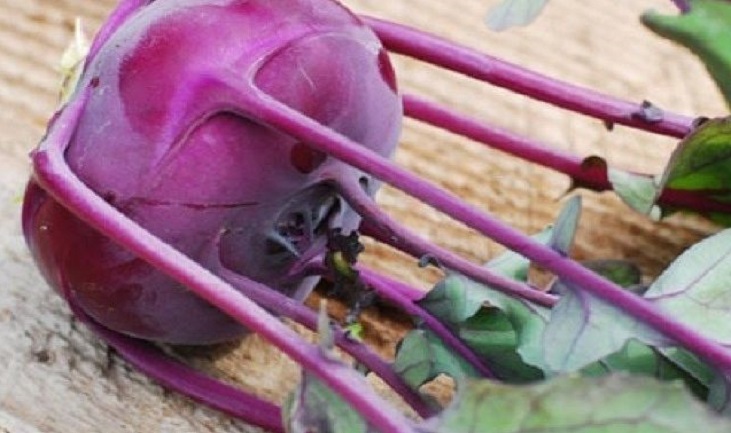
Kohlrabi
Sow: February - early July
Kohlrabi is a cross between a turnip and a cabbage - with arguably a much better flavour than turnip. Both relatively unknown and underrated, kohlrabi has a firm texture and sweet cabbage flavour, and can be eaten raw or cooked.
The flesh can become woody in summer (when the plant wants to flower), so early sowings from February to the first week in April are preferable and will give good harvests up to mid June. A second sowing from mid June until early July is harvested in Autumn for eating fresh or for winter storage.
Sow in a seed tray and prick out to 3-4cm modules within a week of germination. Plant out 4 weeks after sowing, spacing 30cm all round.
Cover with fleece for early plantings, followed by insect mesh to protect against weather, cabbage root fly and pigeons.
Recommended varieties: Delicacy purple, Azure star, Superschmelz.

Kohl Rabi 'Superschmelz'
View Product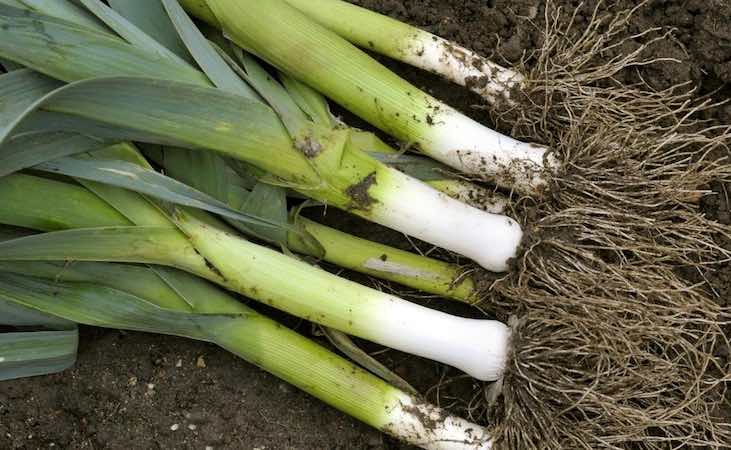
Leeks
Sow: February to mid May
Leeks are a superb winter vegetable with a mild and sweet onion flavour. They are easy to grow, and will give you harvests from late summer through to early spring depending on the variety you sow.
Late summer varieties have long shanks (the part of the stem above ground) so give the highest overall yield. The long shank is susceptible to frost damage, which is why autumn varieties are more squat.
Sow 4 or 5 seeds per cell in 3-4cm modules and plant out in 5-6 weeks in clumps spaced 25 - 30cm all round.
Winter leeks have the shortest shank of all and therefore are the most cold tolerant. Some early sowings in February or March can bolt in July, so it may be safer (and easier) to sow all varieties in early April. You can sow both tall autumn and blue/green winter types at the same time.
Recommended varieties: Bulgarian giant (summer), Hannibal (autumn), Blue solaise or Bluegreen Farinto (winter)

Bulgarian Giant - Autumn Leek
View Product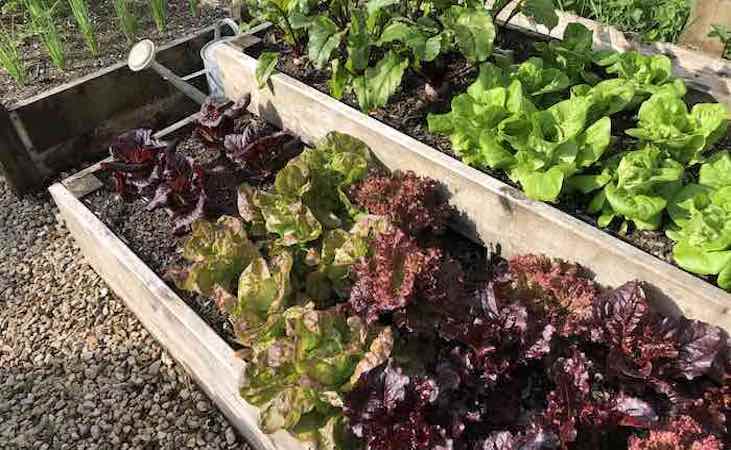
Lettuce
Sow: March to August
Home-grown lettuce has better flavour than shop bought (which is mostly grown in a nutrient solution rather than soil), and looks beautiful both in the garden and on the plate.
It is quick, easy and satisfying to grow, with a huge range of colours and textures available to the home grower, including some of the options listed below.
Sow in a seed tray and prick out to 2-3cm modules within a week of germination. Lettuce seeds should be covered with only the lightest dusting of compost, or none at all provided there is sufficient moisture in the compost. Plant out 4 weeks after sowing, spacing 20cm all round.
Recommended varieties: Catalogna cerbiatta, Batavia red/green mix, Marvel of 4 seasons, Little gem, Lollo rossa.
Radish
Sow: March to early April (globe radishes), Late July to August (winter types)
Variety: Cherry belle and French breakfast (globe), China Rose and Daikon (winter).
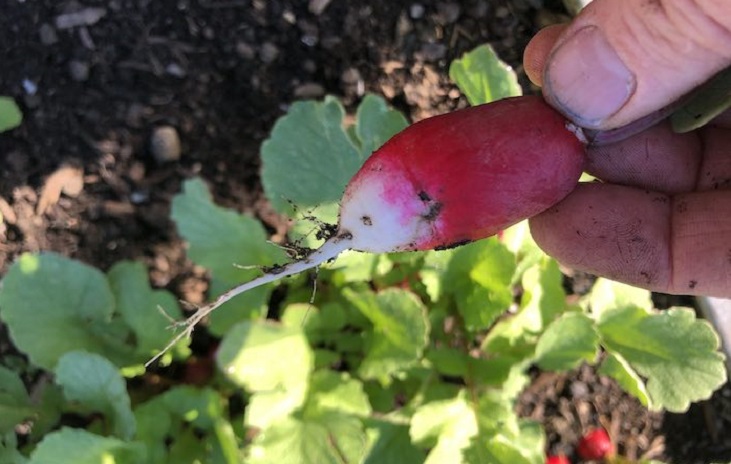
Description/tip: Radishes aren’t as popular as they used to be, but if harvested when they are crisp and juicy they are delicious.

Radish 'French Breakfast 3'
View ProductEarly globe radishes like ‘Cherry belle’ or ‘French breakfast’ are better sown in March or early April at the latest, as they go woody quickly when they approach flowering time (in late spring). Winter types are sown in mid to late summer and - as flowering time doesn’t come around until the following spring - they can sit in the soil for much longer.
Sowing: Sow 5 seeds per cell in a 3cm module and thin to 4 seedlings. Plant out 2-4 weeks later depending on size (early sowings will be slower to grow) at a spacing of 15cm all round.
Parsnip
Sow: March to May
Variety: Gladiator F1, Javelin F1.
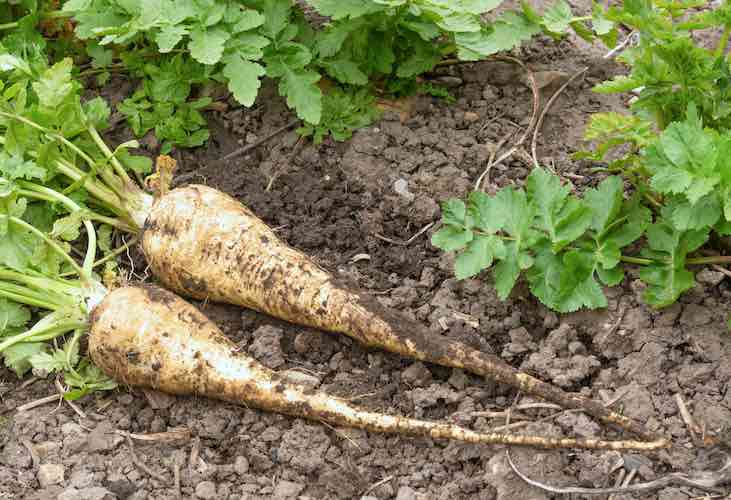
Description/tip: Parsnips are another crop that needs to be sown directly in the soil, so is best done when soil temperatures are over 10˚C. In my northerly garden I find a mid to late April sowing is best for generous size roots in October, but you can sow up until the end of May (though roots will be smaller).
There is also some evidence that later sowings suffer less from the disease canker (usually not serious) so, if you want perfect looking parsnips, delaying may be better.

Parsnip, Javelin F1
View ProductRemember always to buy fresh parsnip seed every year, as it doesn’t store well. It also takes 15-21 days to germinate so - if you have bad seed - you will have lost a lot of time and may miss the season altogether (if sowing late).
Sowing: As with carrots, your soil needs to be in good condition with any large lumps or stones raked out to create a fine seed bed. Parsnips are sown in rows 30cm apart at a depth of 2.5cm. Aim for a spacing of 2cm between seeds, which will be thinned out to a final spacing of 10cm in 8-10 weeks time.
Peas
Sow: March - April
Varieties: Greenshaft, Meteor, Sugar Snap, Sweet Horizon, Golden Sweet.
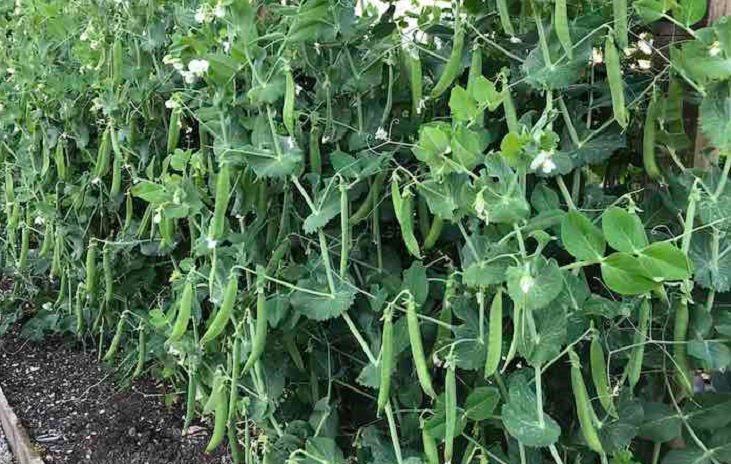
Description/tip: Ideally peas should be sown in March, because you want peas to ripen in early to midsummer before mildew arrives in July; but you still have time in early April.
Be aware that different types and varieties grow at different heights, so you will need to build your supports accordingly. It is also better to build your supports when sowing seed or planting seedlings, as peas which flop on the ground and are supported later never do as well.
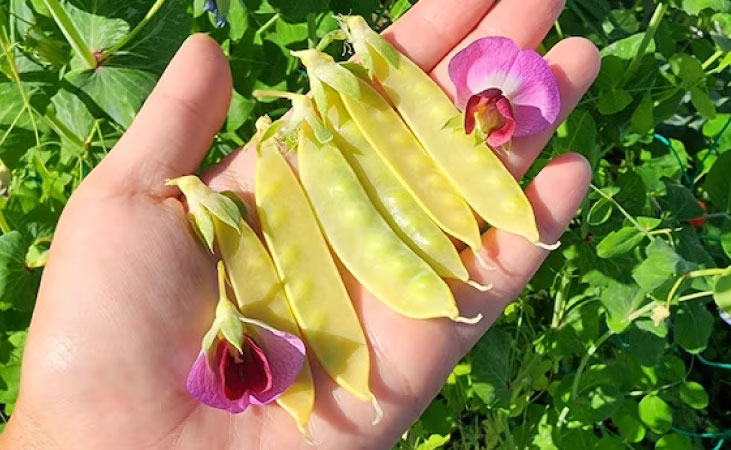
If you would like to grow the mangetout pea that has it all, our new 'Golden Sweet' variety is an unusual and very attractive one. The striking purple flowers contrast beautifully with the light yellow pods making 'Golden Sweet' an ornamental as well as an edible plant. Unlike sweet pea flowers, the purple blooms are edible so make a fun addition to a salad bowl mixed with the sweet and fresh tasting yellow pods.
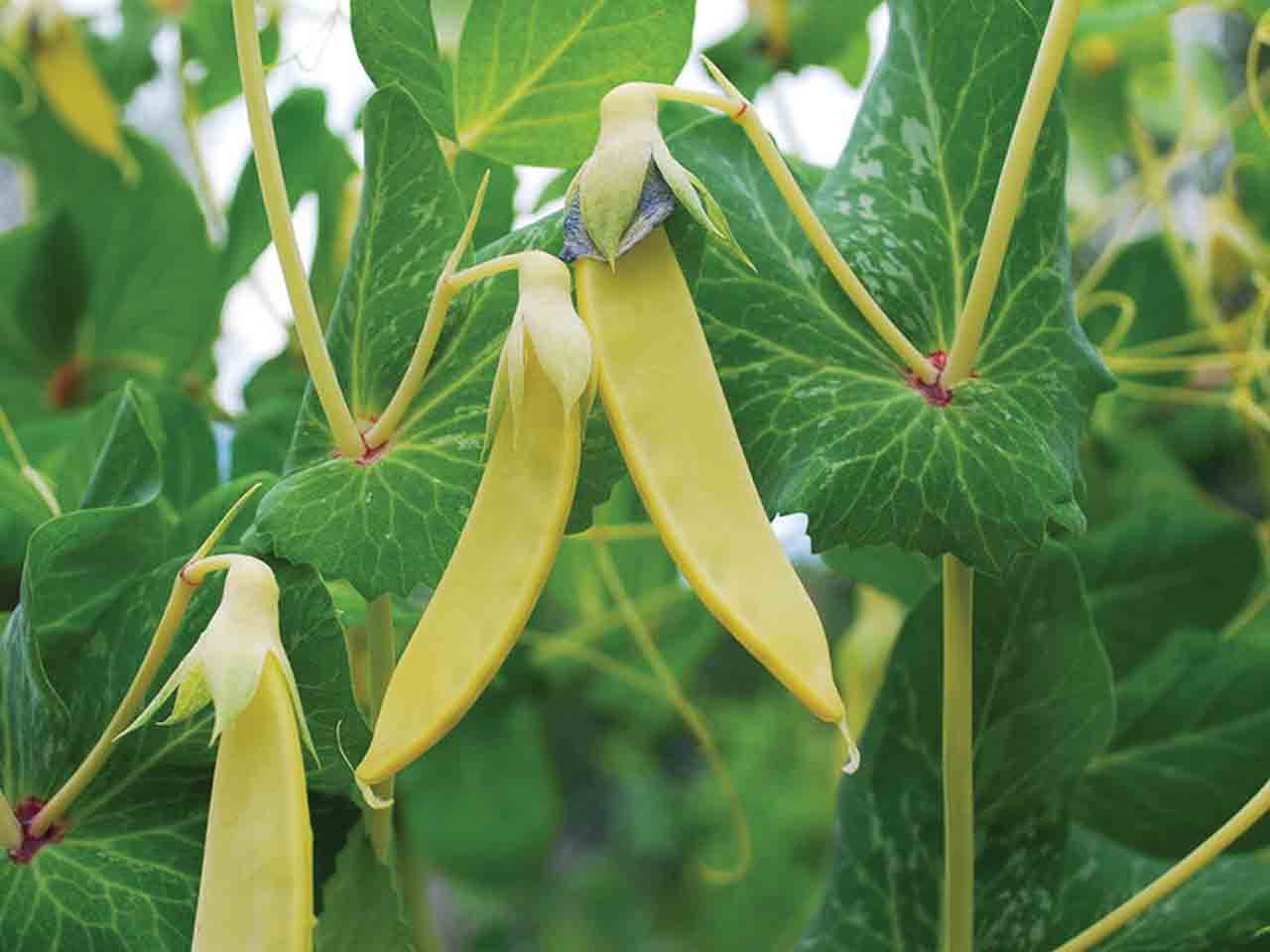
Mangetout Pea 'Golden Sweet'
View ProductSowing: Can be sown directly outside in April but there are advantages to sowing in modules e.g. mice eating seeds or birds pulling new seedlings (to eat the seeds). Soil can also dry quickly in sunny weather leading to poor germination, so module sowing gives us more control.
Sow 2-3 seeds in 4cm module for planting out in 2-3 weeks. Plant out in clumps 8cm apart in single or double rows spaced 150cm apart. A double row is spaced 20cm apart, with 150cm between double rows. Cover with fleece for first 10 days if frosty.
Spinach
Sow: February to early April and late July to early August
Variety: Medania, Banjo F1, Racoon F1
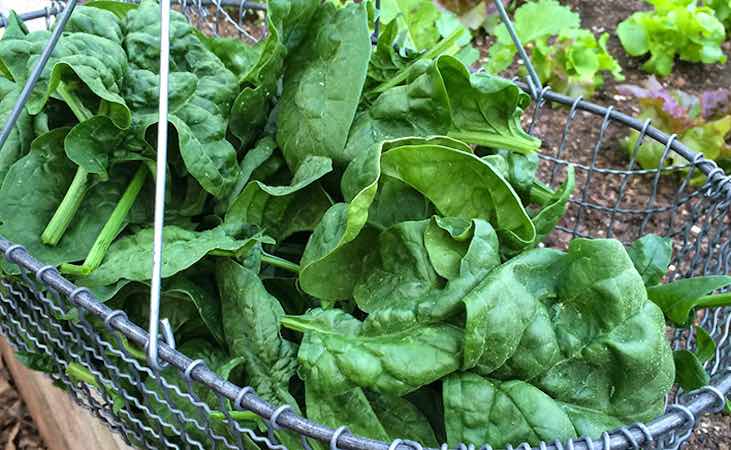
Description/tip: Annual spinach or true spinach has finer textured and sweeter leaves than perpetual spinach or spinach beet. It is has an unfair reputation for bolting, but this is due to sowing time rather than the fault of the spinach.

Spinach Medania
View ProductSpinach is programmed to flower in summer so late summer is the best time to sow to achieve the longest harvesting period, up to 8 months. Sowing in early April will give a harvesting period of 3 or 4 weeks before the plants run to seed in June so if you are a spinach fiend, it's worth a go.
Sowing: Sow 3 seeds per cell in a 3cm module and thin to 2 seedlings. Plant out after 4 weeks or when the first rounded true leaves appear (the seed leaves are long and narrow), at a spacing of 20cm for salad leaves and 30cm for larger leaves for cooking.
Spring onions
Sow: Late February to May and August to early September
Variety: Rouge, White Lisbon, Apache (red), Ishikura bunching.
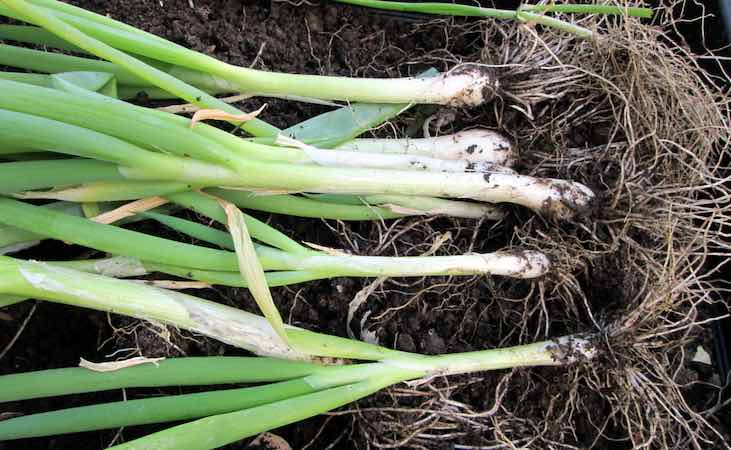
Description/tip: Spring onions or scallions are grown for their stems rather than their bulbs, although most varieties will produce a bulb if left in the ground. For large and crunchy spring onions, grow ‘Ishikura bunching’: technically a Japanese bunching onion rather than a spring onion, but larger and more vigorous.
Sowing: Sow 6-8 seeds a 3cm module and plant out in 4-6 weeks. The spring onions are grown in a clump (no need to thin out the seedlings) spaced at 25cm all round.
Vegetable Seedlings
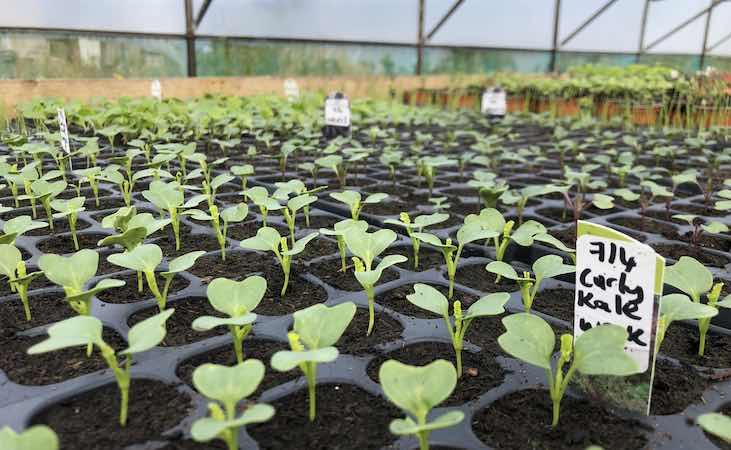
Just a reminder that if you haven't the time or the space to sow your own vegetable seeds, we supply 4 week old seedling plants of a broad range of vegetables. We send out in April and May and June with an Autumn selection following later in the season.
For anyone who has ordered plants for April delivery, we are about a week behind due to a cold March but we will be starting to ship in the third week in April. If you would like to view our vegetable seedlings available in our custom 'choose your own' packs, please click the blue button below.
Klasmann Compost
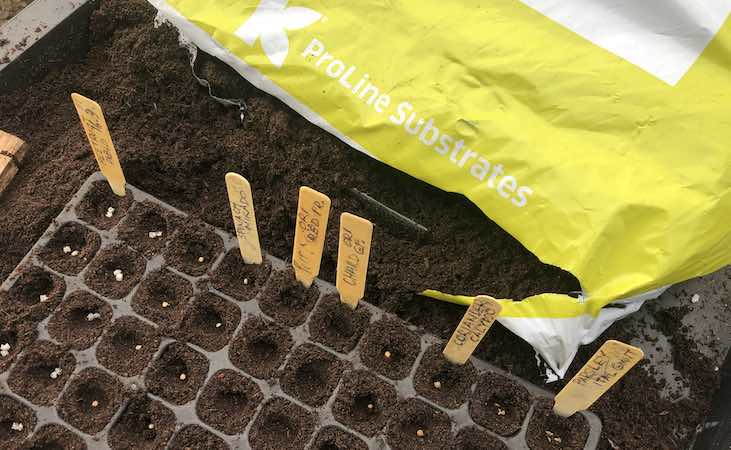
I have been asked as lot recently what compost we are using in our seed sowing videos because it looks so much better than most of the options available in garden centres.
We use Klasmann organic seed compost in our nursery and in our videos as we find it absolutely superb for seed germination. It is a little more expensive than standard multipurpose compost but it is definitely worth it. If you would like to order some, please click here.
Polytunnel Sowing in April
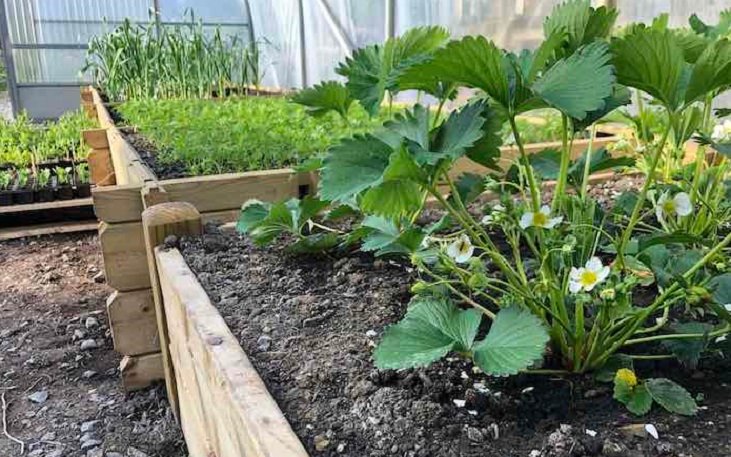
The polytunnel is warm enough now for vigorous growth from 'outdoor' cool climate crops like lettuce, Oriental salads, beetroot, garlic or early carrot; but still too cool for heat loving plants like tomato, chilli, pepper, cucumber or squash.
The transition (when early spring crops make way for summer crops) begins in May for tomatoes and chillis, followed by more tender plants like cucumber, courgette, squash and melon at the end of May and into June.
We will have already sown tomatoes and peppers but will be sowing courgettes, cucumbers, melons and squash towards the end of April. But first:
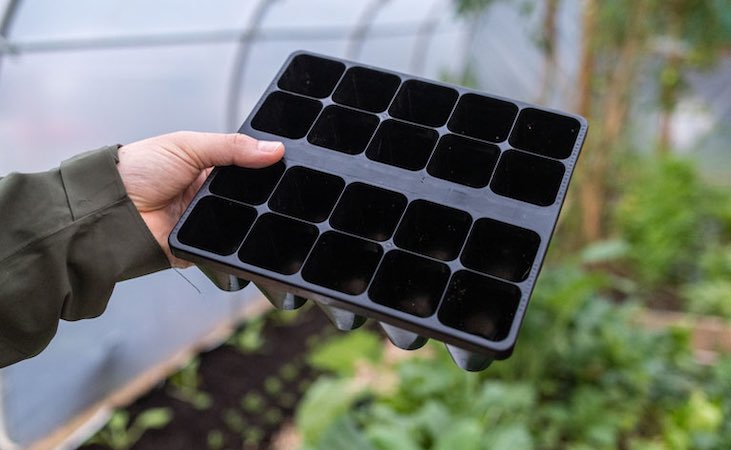
A note on seedling trays
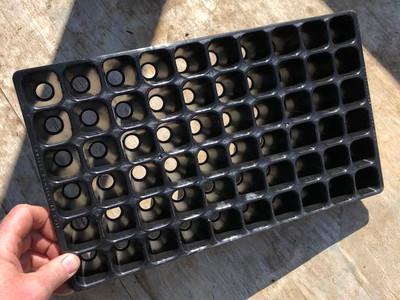
In the text I refer to modular trays with 3cm or 5cm cells, these sizes (or close to them) are available in a range of seed tray brands. The two types of trays I use are either the Charles Dowding range (3cm cells) or the larger cell Huw Richards trays (5cm). Both trays are made in the same factory, from UV-stabilised plastic that will last a lifetime if looked after.
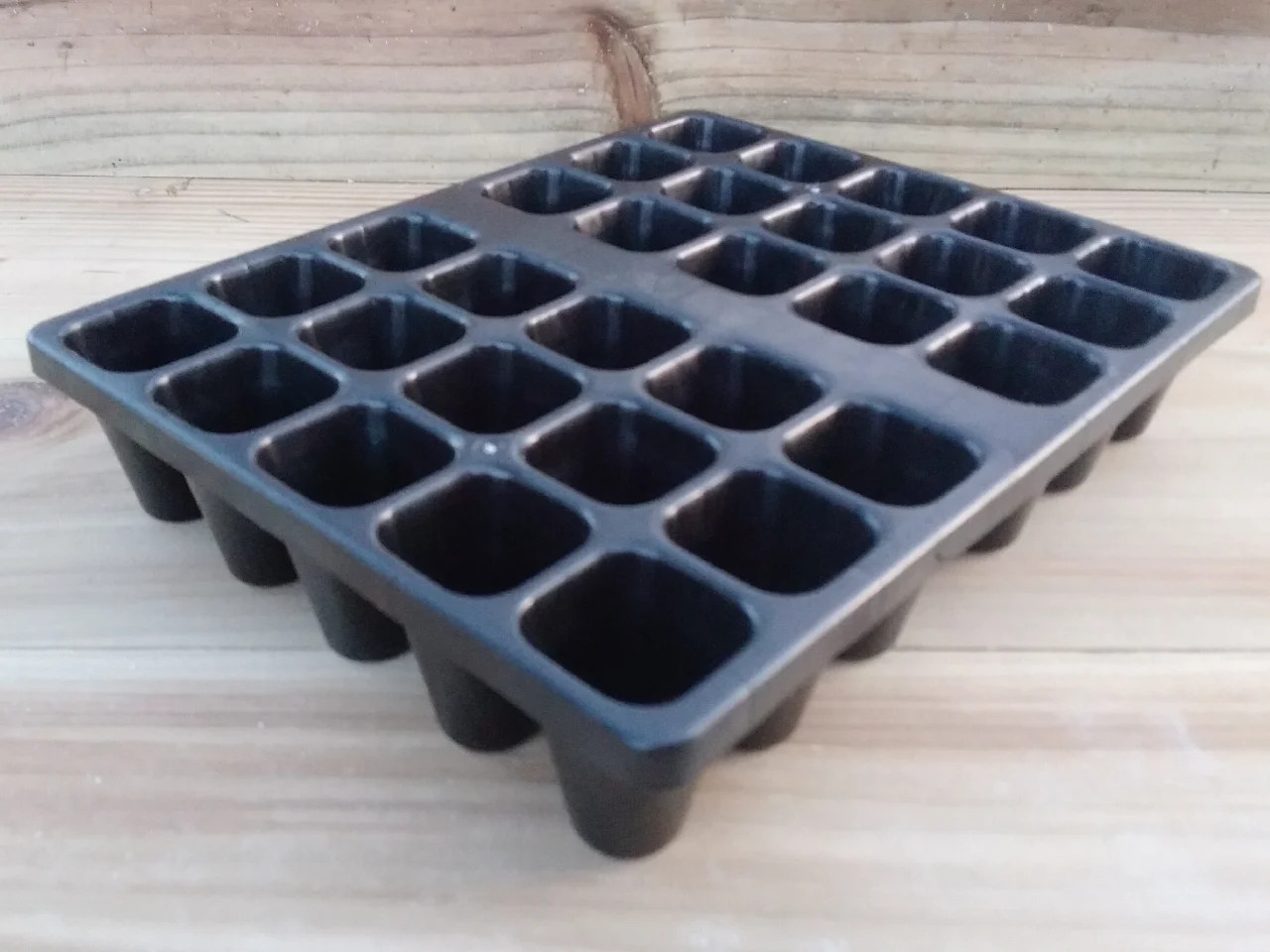
Charles Dowding 30 Cell Plant Tray
View ProductThe advantages of these trays are that they're not single use plastic, they have large drainage holes and they have very smooth sides (making extracting seedlings super easy). Both products are absolutely superb, I highly recommend them.
April sowing for polytunnel growing:
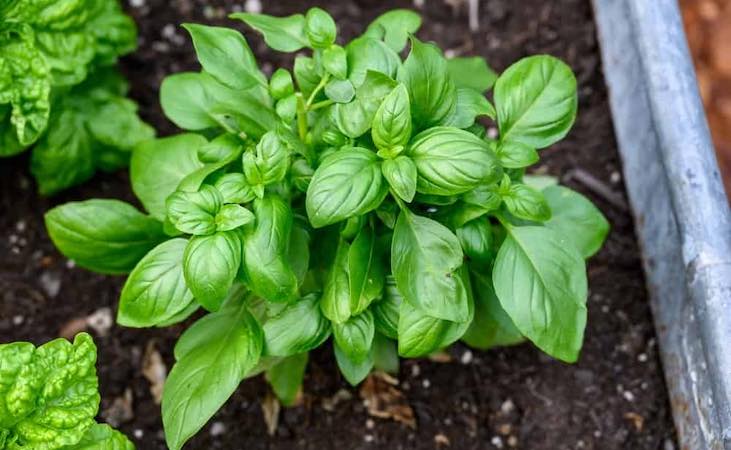
Basil
Sow: March to May
Variety: Sweet Genovese, Greek Basil, Lime Basil.
Description/tip: We all know that the flavour of basil and tomatoes go very well together - but this distinctively flavoured herb is also a valuable tomato companion plant, as its scent is said to repel aphids and whiteflies.
I like to plant basil and marigolds on either side of my tomato rows: I don't know how successful they are at dealing with aphids, but the beds look and taste great!

Basil 'Lime Basil'
View ProductBasil needs warmth and plenty of light to thrive, so is best sown from late March until the end of May for June to September harvests. The trick to keep leaves tender and plants productive is to nip off all the ends of flowering stems as soon as they come up.
Sowing: Sow in 3cm modules with 1 seed per cell. Plant into beds in 3-4 weeks.
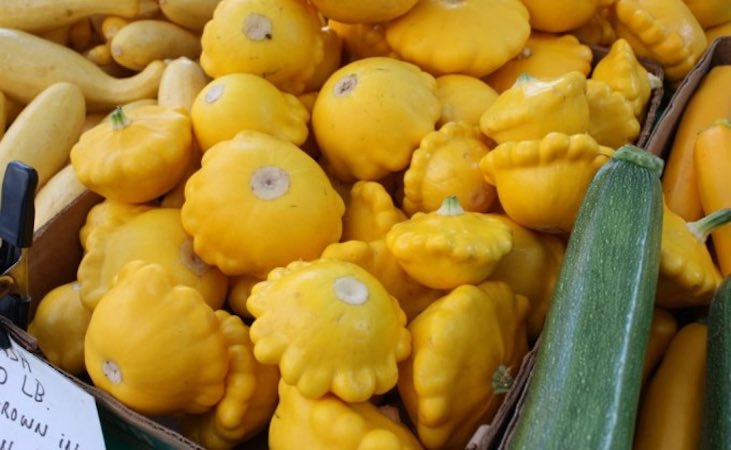
Courgette / Summer Squash
Sow: April - May
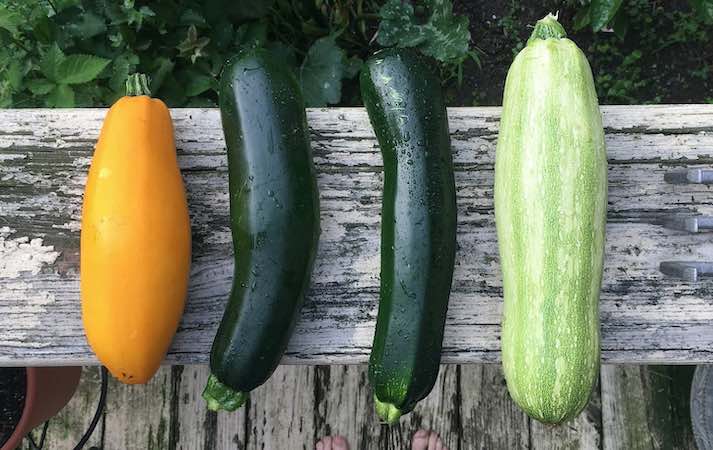
Variety: Defender F1, Atena Polka F1, Sunburst F1 (pattypan), Eight Ball F1, Summer Squash
Description/tip: My tips for courgettes are more about what not to do rather than what you should do. Firstly, one plant is probably enough and, unless you have a large family who are absolutely wild about courgettes, never grow more than two.

Summer Squash 'Eight Ball F1'
View ProductI would also avoid sowing too early as courgette plants can't cope with cold and grow very fast when it's warm, with later sowings often overtaking earlier ones. For planting in the polytunnel, I would sow in early April; for courgettes to be grown outside, mid to late May will be better depending on your last frost date.
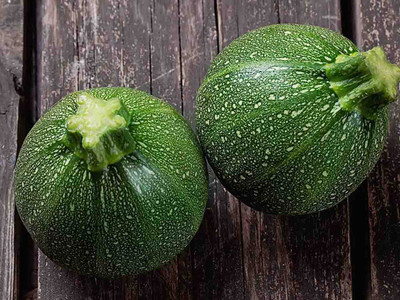
As regards varieties, it might be worth trying more unusual courgette types (also known as summer squashes) like the Pattypans (pictured above, available in white, green or yellow) or round varieties like Eight Ball F1.
Sowing: Sow in 5cm modules with plenty of warmth, at least 20˚C. Pot on after 2 weeks to a larger 7-10cm pot and plant in the final positions 2 weeks later. Remember that plants need plenty of light: they will germinate well indoors but should preferably be brought out to a polytunnel or greenhouse once they have come up.
Any frost will kill courgette plants, so they must be protected from low night time temperatures with a heat bench and/or fleece (or by being brought back indoors).
Cucumber
Sow: April
Variety: Passandra F1, Partner F1 (gherkin), Crystal Lemon.
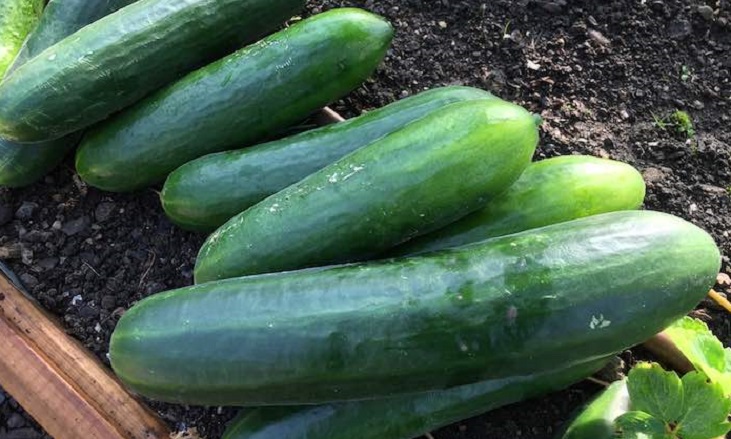
Description/tip: As with courgettes, cucumbers hate cold and grow very fast when it's warm so there is no point in sowing them early as plants will struggle and may fail. Mid April is ideal for me; if you have a warmer tunnel you could go for the start of the month. Cucumbers can be grown outside (ridge varieties) but not where I live, if you want to try them you need to wait until June to sow.
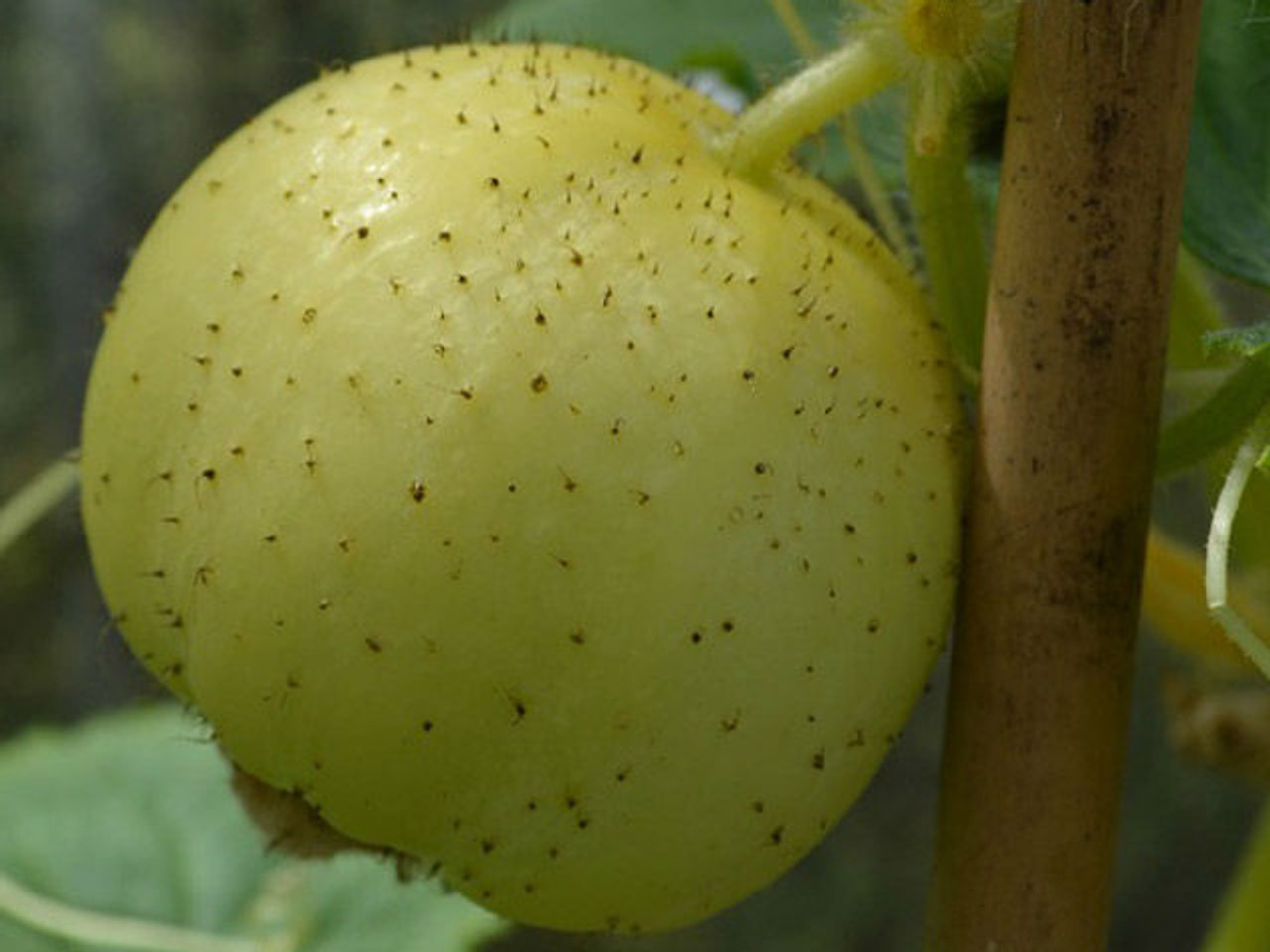
Cucumber Crystal Lemon
View ProductIt is also worth remembering that plants with a male and female flower will need the male flowers removed: otherwise the resulting fruit will be bitter. If you are new to growing cucumbers, it's best to go for an all-female hybrid like Passandra F1.
Sowing: Sow in 5cm modules with plenty of warmth, at least 20˚C. Pot on after 2 weeks to a larger 7-10cm pot and plant in the final positions 2 weeks later. Care instructions are as per courgette plants.
French beans
Sow: April to July
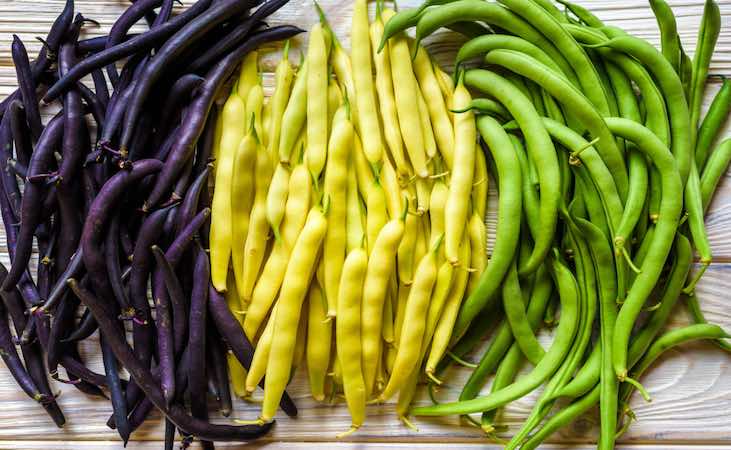
Variety: Cobra (climbing), Purple Teepee (dwarf), Safari (dwarf).
Description/tip: French beans don't like cold or harsh weather so while it is possible for me to grow outside from a mid June sowing, it is always a risk. French beans are superb polytunnel crop with a very long season, especially if you start off with climbing varieties in April followed by a fresh sowing of dwarf varieties in late June for an Autumn crop.
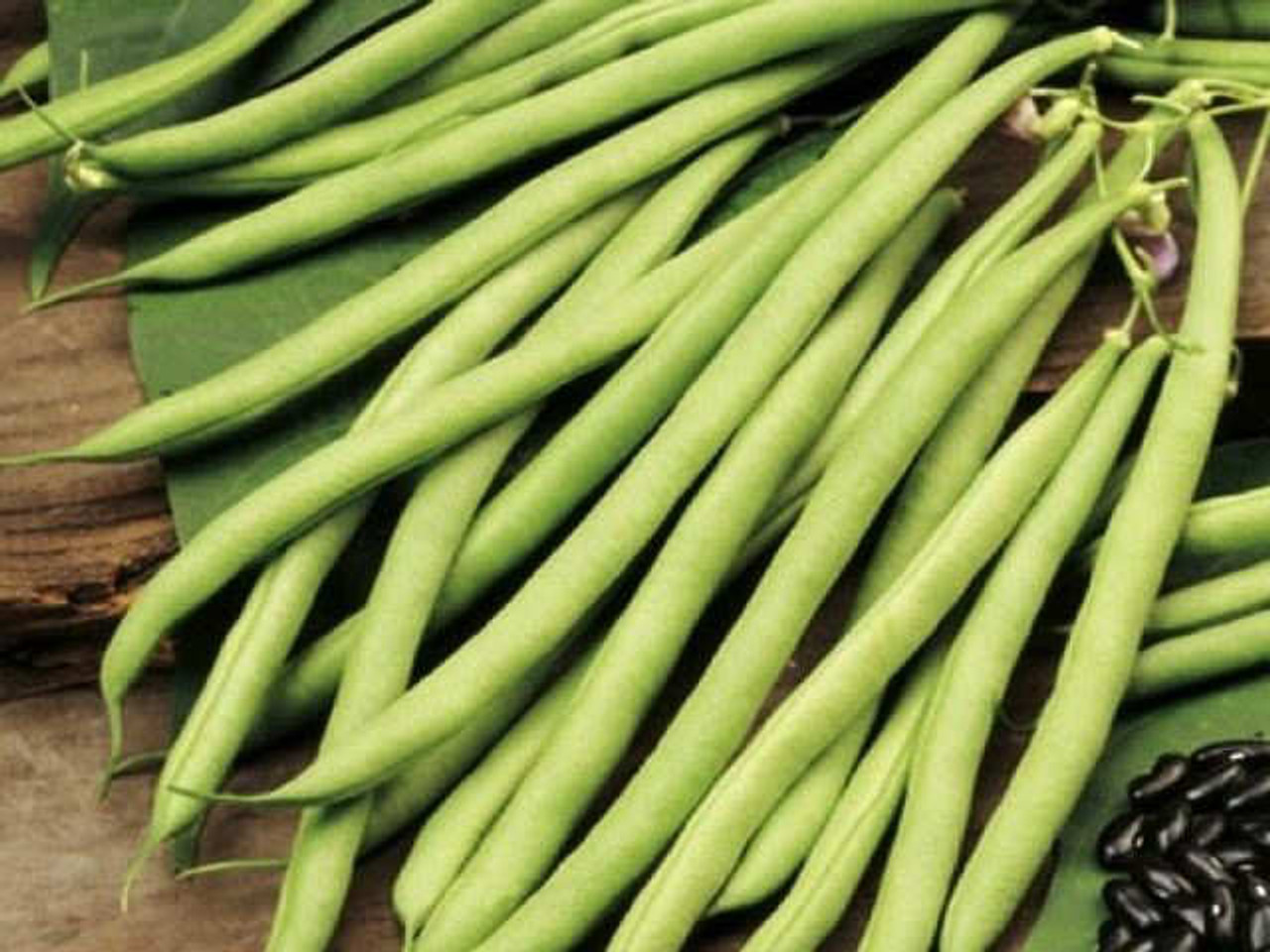
Bean, French Climbing 'Cobra'
View ProductClimbing beans are more productive and crop for longer than dwarf varieties, but can overwhelm you with the amount of beans they produce. If you are growing to use fresh, the dwarf varieties can be better for producing meal size harvests when you want them.
Sowing: For polytunnel growing, you can sow in early April provided you have heat of 20˚C for germination and can protect plants from cold once they come up. Sow 1 seed per cell in a 5cm module and plant out in the tunnel beds 2-3 weeks later.
Melon
Sow: April
Variety: Minnesota Midget, Emir F1, Malaga F1
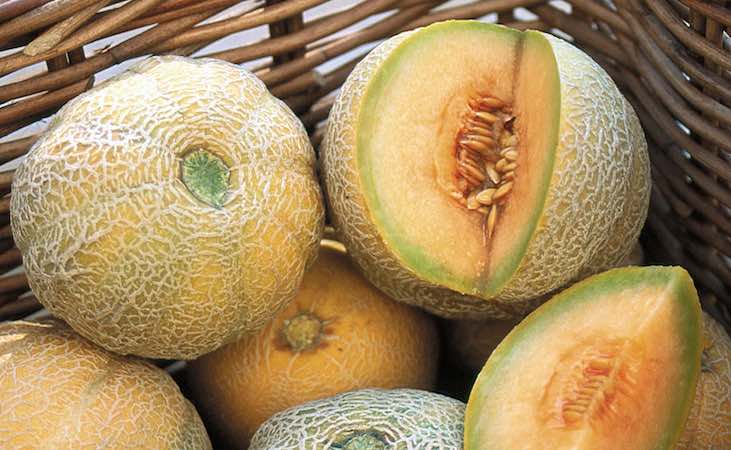
Description/tip: Melons need a long summer and a lot of heat to ripen, so are generally a greenhouse or tunnel crop in the UK and Ireland. Variety is also important, especially in more northern gardens as you need to pick one that needs less heat and ripens in a shorter season.

Melon Seeds - Emir F1
View ProductIt is often recommended to sow melons in March or even late February, but as with cucumber there is not really any advantage to early sowing. I find early April best. Be aware that melons take up a lot of room and, if you get a poor summer, can be disappointing (not sweet) so I would only try if you have plenty of room.
Sowing: Sow in a 5cm module with constant heat of 21˚C for germination. Sow seeds flat on the surface of the compost and push in a little before covering with a thin layer of compost. Pot seedlings on to 7cm pots in 3 weeks before planting out in the polytunnel beds in mid May.
Sweetcorn
Sow: Late March to June (May to June for outdoor crops)
Variety: Sweet Nugget F1, Tramunt.
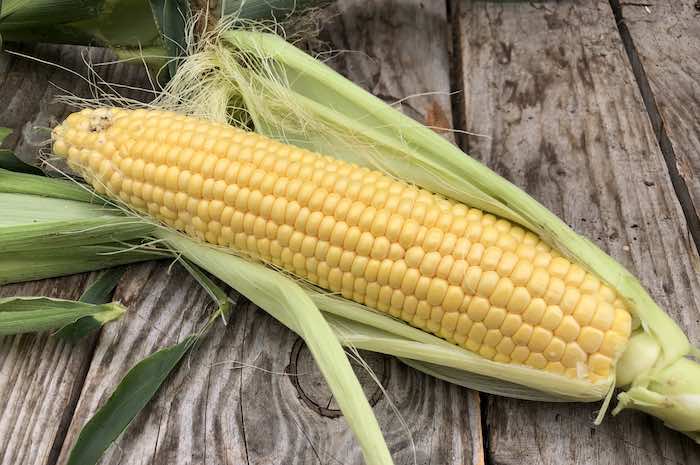
Description/tip: Sweetcorn is an outdoor crop for warm gardens but, while I have grown it outside up in the North, it is far more successful in the tunnel. The sugar in sweetcorn turns to starch fairly quickly, meaning the flavour of a freshly picked cob is something quite incredible in terms of sweetness. It has become one of my favourite crops.
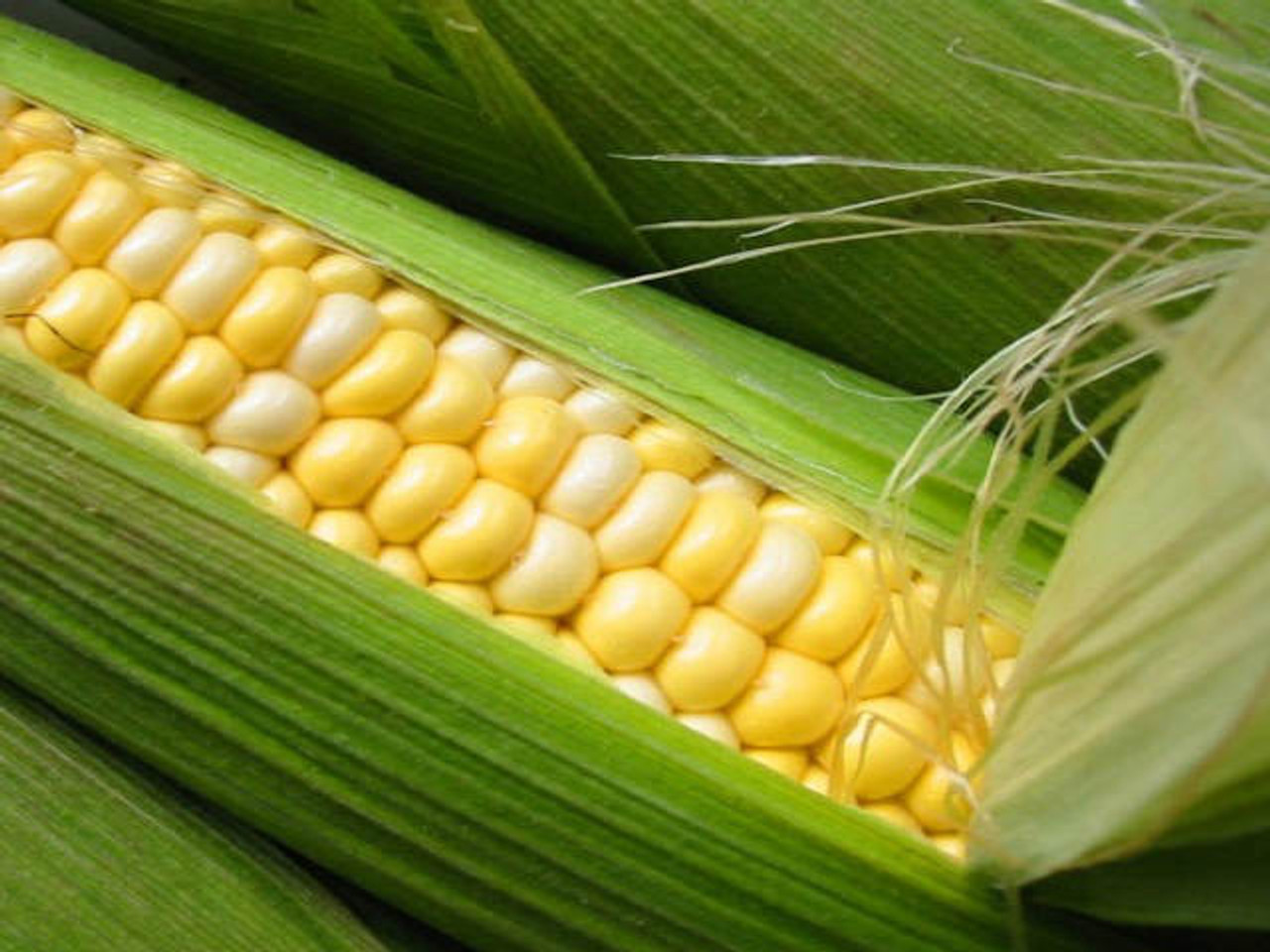
Sweetcorn Tasty Sweet F1
View ProductAs regards variety, the supersweet F1 varieties (e.g. Sweet Nugget F1) are very reliable, while new open pollinated strains bred in Germany (e.g. Tramunt) retain their sweetness after being picked and are also very good.
Sowing: Sow one seed per cell in a tray of 5cm modules, I would sow twice what you need as germination rates can be low. If you are sowing more than one variety it may be better to leave 3 weeks between sowing, as cross polliination can effect the sweetness and the number of kernels on the cob.
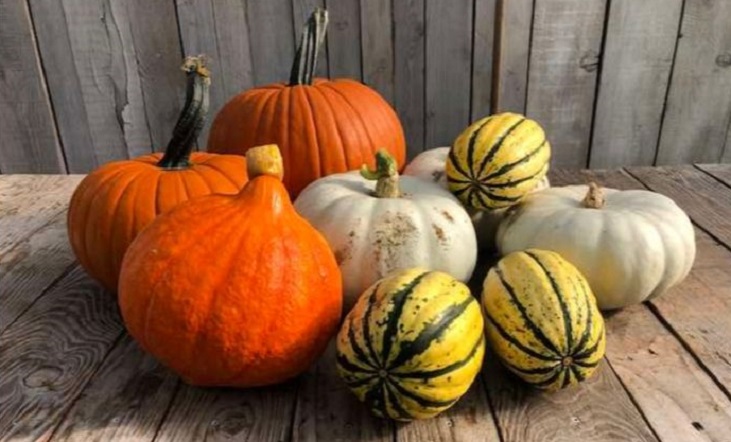
Winter Squash
Sow: April
Variety: Uchiki Kuri, Delicata, Crown Price (all pictured above).
Description/tip: The name Winter Squash can be misleading: it is harvested in Autumn but needs a good summer with plenty of warmth to mature. It is another crop that will grow well outside in warmer gardens but for me, it grows best in the tunnel. Like most members of the cucurbita family, it is a very large plant so only grow inside if you have a large tunnel with plenty of spare space.

Squash 'Delicata' Seeds
View ProductIf you have the room, grow them: you will be rewarded with a huge range of sweet and nutty flavoured squash which, unlike summer squash, can be stored right through the winter (hence the name).
Sowing: Sow one seed per cell in a 5cm module with heat of 20˚C. Pot on 2-3 weeks later to a 10cm pot. For growing outside, sow in mid April, for polytunnel growing you can start in late March or early April.
Onions and Shallots
If you haven't got your onion or shallot sets planted yet, you still have time in early April. In fact late planting can be beneficial, as cold weather in March can cause sets to bolt later in the season.
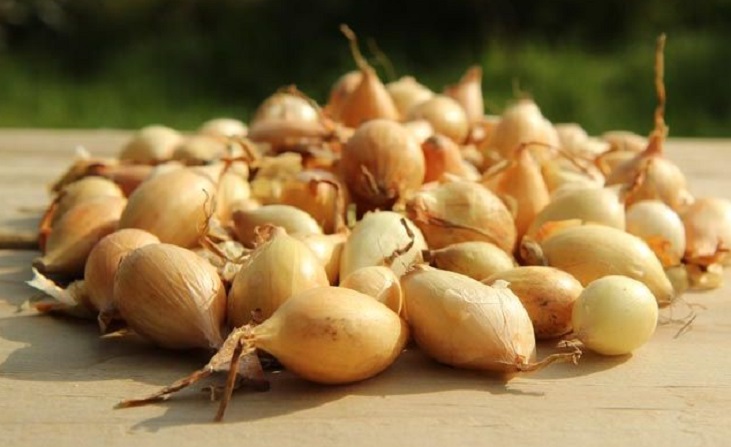
Growing onions from sets is probably one of the easiest crops to grow, but the quality of the sets you plant is important. For those new to growing onions, they can be grown either from seed or 'sets' (pictured above) which are baby onions that were lifted the previous season before they had a chance to bulk up. The sets are stored over winter and re-planted in spring to grow and produce finished onions.
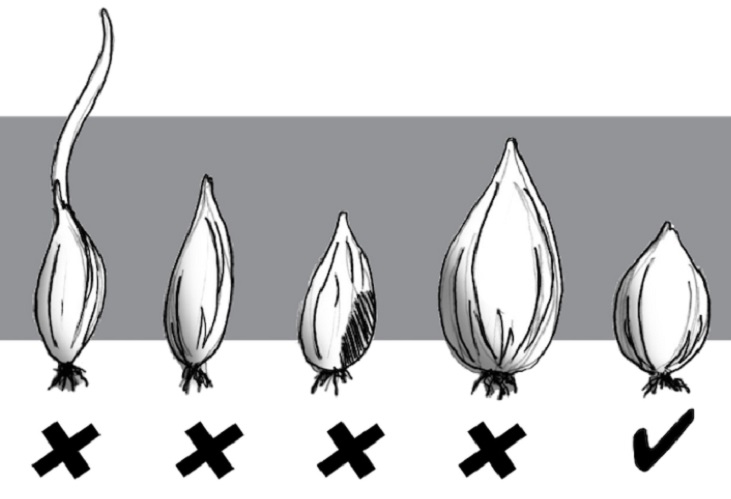
I have probably said this before but the best onion sets will produce the best onions so as a rule of thumb, I usually end up discarding about a third of the onions in a bag. What you are looking for are medium sized (in relation to the rest of the onions in the bag) sets which are nicely rounded, and feel good and firm when squeezed.
You might think that sets which have already sprouted will give a head start but this is not the case: they will not produce a good mature onion. I would therefore discard any sprouted sets or any narrow, skinny or very large ones and any with signs of mould or rot.
Once planted, I would cover them with fleece for a few weeks until the roots have anchored them into the ground and they have begun to sprout; otherwise birds are likely to pull them up (I presume they think they are snails).
View our range of onion sets at this link.